

NZ First leader Vaovasamanaia Winston Peters and Green MP Teanau Tuiono are backing sharply different approaches to New Zealand’s energy future, as Pacific households face rising power and fuel costs.
Photo/Supplied
Politics
Pacific families are being caught between fossil fuel gamble and push for clean energy
With global fuel shocks driving up costs across the Pacific, New Zealand’s election debate is putting two very different energy futures before households already struggling with power bills.

PMN News
Published
08 August 2026, 4:15pm
Share
Copy Link
Top stories

Auckland charitable trust fights to keep Manurewa centre
Taelegalolo'u Mary AfemataFri, 07 Aug
'What's wrong with you?' PM scolds over 4000 students after violent campus brawl
Talaia Mika, RNZ Pacific Fri, 07 Aug
'They can lease the seabed but not our identity': American Sāmoa fights back
Christine RovoiThu, 06 Aug
Top stories
Auckland charitable trust fights to keep Manurewa centre
Taelegalolo'u Mary AfemataFri, 07 Aug
'What's wrong with you?' PM scolds over 4000 students after violent campus brawl
Talaia Mika, RNZ Pacific Fri, 07 Aug
'They can lease the seabed but not our identity': American Sāmoa fights back
Christine RovoiThu, 06 Aug
For Pacific families already feeling the squeeze from higher power, petrol and grocery prices, New Zealand’s energy debate is becoming a choice between doubling down on fossil fuels or moving faster towards locally generated renewable power.
With less than 100 days until the election, New Zealand First is backing a $1 billion survey to search for oil, gas and geothermal resources beneath Aotearoa’s offshore basins.
NZ First leader Vaovasamanaia Winston Peters says the survey could uncover what he describes as "Norway-scale energy prospects", with future royalties potentially helping create a sovereign wealth fund.
"New Zealand could be back being an extraordinarily wealthier country again, with a huge sovereign fund like Norway … and be a greater international citizen in the blue continent or the Pacific," Peters told Andre Fa'aoso on Pacific Mornings.
But the Greens argue New Zealand should not be betting billions on finding more fossil fuels when households are already vulnerable to global energy shocks.
Green MP Teanau Tuiono says renewable energy and community-owned generation could bring down bills while making families less exposed to international fuel prices.
Watch Winston Peters' full interview below.
"The other way that you take pressure off the power grid is to really double down and make sure that solar panels become accessible for homes, for communities, for marae," Tuiono told Fa'aoso.
"Because when you start to solarise our communities, that means those buildings draw less from the grid."
The Greens' Kiwi Power plan calls for greater investment in hydro, geothermal, wind and solar, alongside zero-interest loans to help households install rooftop solar.
Listen to Teanau Tuiono's full interview below.
Tuiono says reducing reliance on fossil fuels would also help protect families from price shocks overseas. That exposure is already being felt.
Wesley Tanuvasa, an ASB economist, says global fuel price rises can quickly spread through the economy, hitting Pacific households through transport, food and other everyday costs.
"You feel the pinch first at the petrol station," he said on Pacific Mornings in May.
"We use a lot of diesel in terms of getting stuff across the country, transportation services and whatnot.
"It means those price pressures, especially for diesel, are really hurting industries... you get flow-on effects."
Official figures show the pressure is growing. The Ministry of Business, Innovation and Employment (MBIE) says average household electricity bills rose 11.7 per cent in the year to March 2026, largely because of higher network charges.
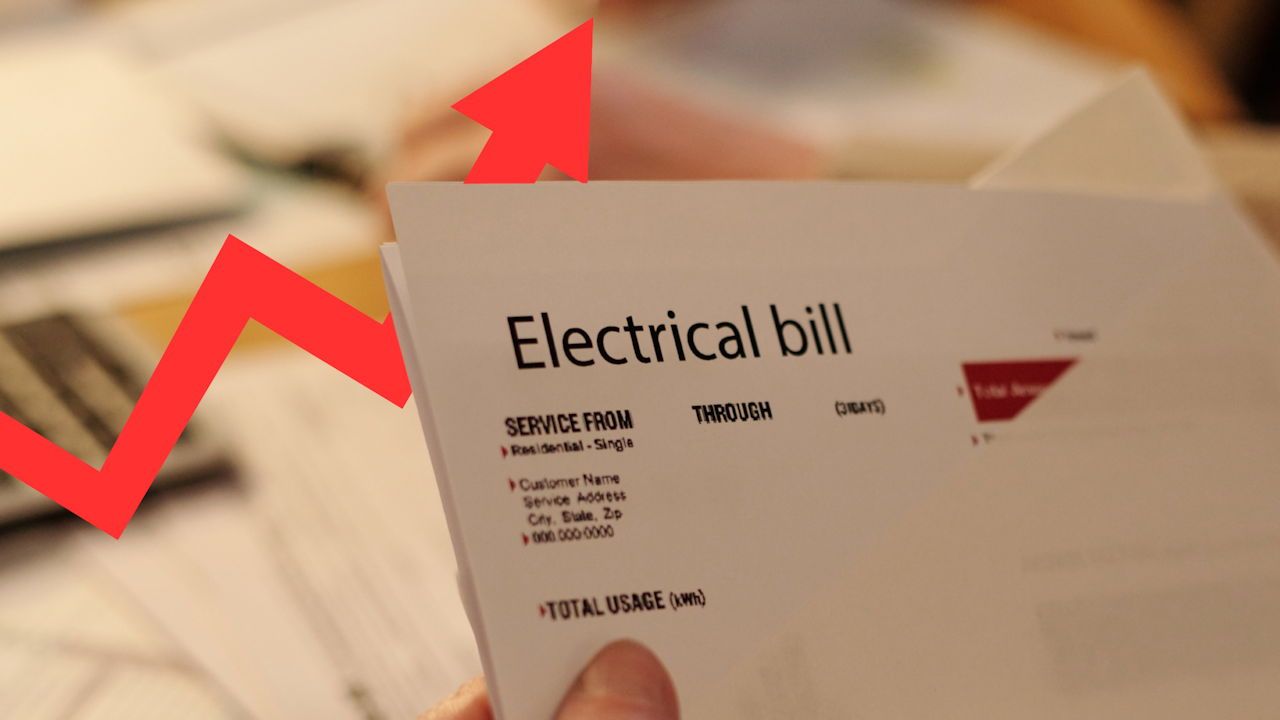
New Zealand household electricity bills rose 11.7 per cent in the year to March 2026, according to Ministry of Business, Innovation and Employment figures. Photo/consumer.org.nz
Renewable sources also produced 94.5 per cent of New Zealand's electricity while solar generation hit a record 373 gigawatt hours.
The question is also playing out across the wider Pacific.
Fiji's Energy Fiji Ltd is seeking about US$230 million (NZ$390.23 million) in World Bank financing to expand solar generation and upgrade its electricity grid, as the country looks to reduce its reliance on imported fuel.
But the region's vulnerability was laid bare by recent fuel supply concerns. Pacific Islands Forum leaders invoked the Biketawa Declaration to coordinate a regional response to fuel instability and rising prices.
Dr Saber Salem, an international relations expert at the University of Fiji, says Pacific countries need to use the current crisis to rethink their energy systems.
"Pacific governments must work to boost renewable energy, diversify economic activities, and enhance regional cooperation to build resilience against future global crises and economic shocks," Salem said in a recent analysis.
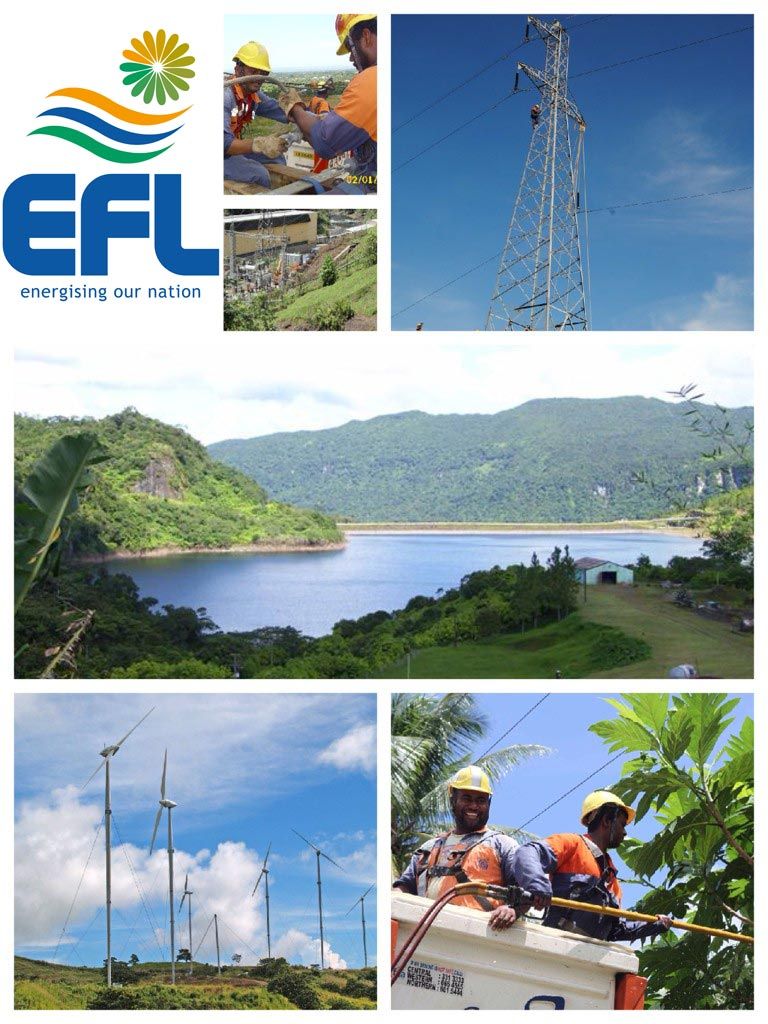
Energy Fiji Ltd is seeking about US$230 million in World Bank financing to expand solar generation and upgrade the country’s electricity grid. Photo/EFL
For Pacific voters, the energy debate goes beyond what happens at the power socket.
It is about whether the region remains exposed to fuel prices set overseas or invests now in energy that can be generated closer to home.
And with election day approaching in Aotearoa and the region, the competing choices are becoming harder to ignore.