
Sāmoa treaty dispute with Luxon 'blown up' by media, says community leader
PMN NewsTue, 27 Oct

Pacific workers attend a recruitment drive for overseas employment opportunities as labour mobility programmes expand options for skilled and seasonal work.
Photo/Facebook/PALM scheme/file
The government says more foreign workers are needed in sectors like agriculture, nursing care, and construction.




Japan’s growing shortage of workers could open another overseas employment pathway for Pacific workers.
The government says it is looking to attract more people from abroad for jobs including agriculture, nursing care and construction.
The opportunity was highlighted in Tokyo by Ambassador Toshinori Shigeie, president of the Association for Promotion of International Cooperation (APIC), during a briefing with Pacific and Caribbean journalists.
Shigeie says Japan needs workers but must also find a balance in how it manages immigration.
“There is a labour shortage problem in the agriculture sector and there is an expectation in Japan that we want to have highly skilled people from outside Japan,” he said.
Japan’s foreign workforce has grown to 3.84 million, according to the latest national census figures cited by Shigeie.
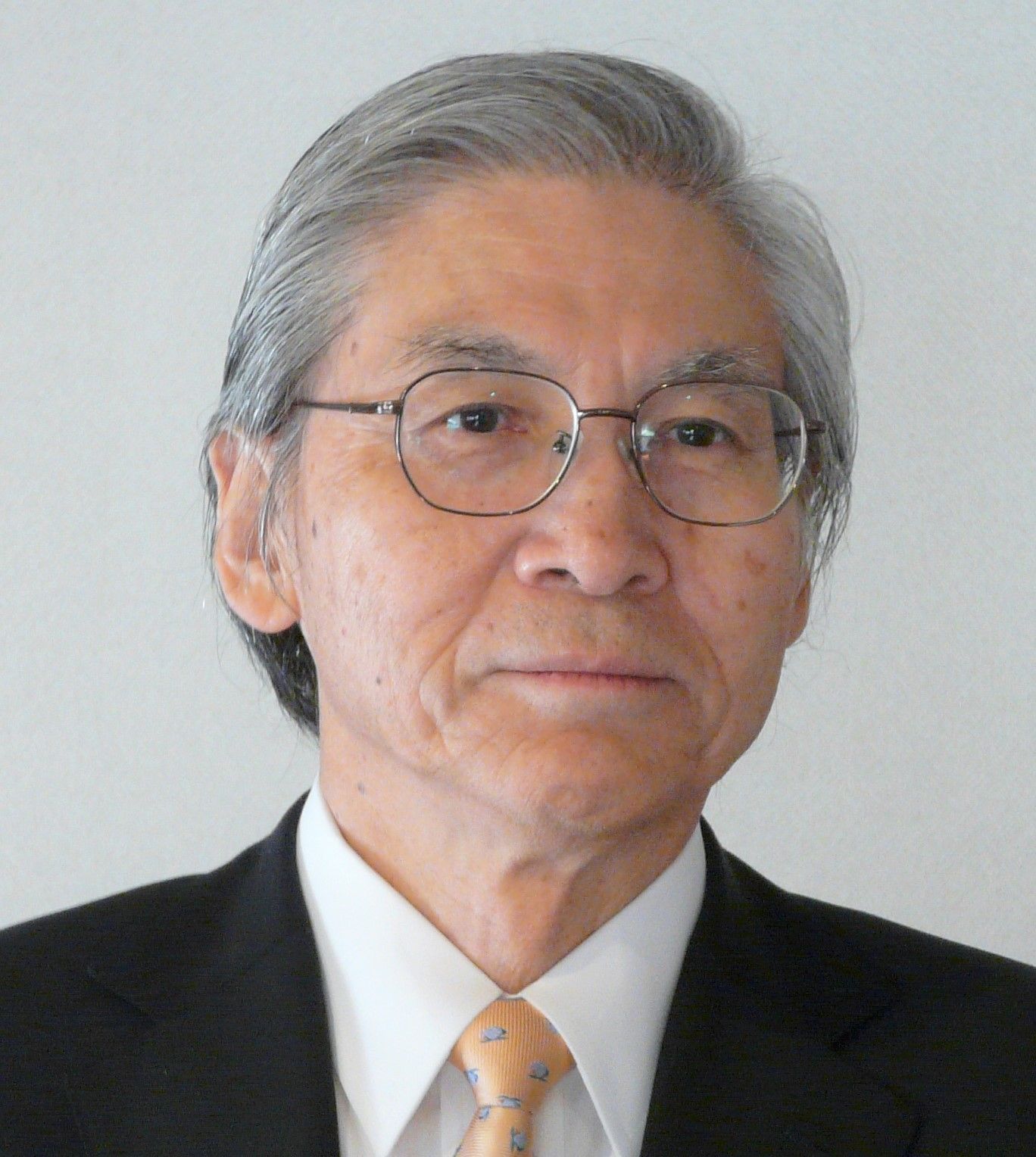
Ambassador Toshinori Shigeie says Japan needs skilled workers from overseas as the country faces growing labour shortages. Photo/APIC
But some critics warn that bringing in more overseas workers remains politically sensitive about competition for jobs and the impact of foreign workers on Japanese society.
“I have to mention that some people are sensitive about this. They say it will mean competition for work and some are worried that social safety will be undermined by foreign workers,” he said.
Japan’s Specified Skilled Worker (SSW) programme (Tokutei Gino), introduced in 2019, already provides a route for overseas workers to take up jobs in sectors facing shortages.
The programme covers 19 fields such as agriculture, nursing care, construction, hospitality and food services.
Fiji is already positioning its skilled workforce for opportunities in Japan. At a graduation ceremony last month, Fiji’s Permanent Secretary for Employment, Productivity and Workplace Relations, Jone Maritino Nemani, said the country needs more people entering skilled trades.
He said the qualifications gained by the 140 graduates are valuable to Fiji's future workforce.
For Pacific workers, officials say the scheme could offer another option beyond the established labour mobility pathways such as the Pacific Australia Labour Mobility (PALM) and New Zealand's Recognised Seasonal Employer (RSE) scheme.
Fiji’s pathway to Japan is also backed by a bilateral agreement. In November 2025, Japan and Fiji signed a Memorandum of Cooperation on the Technical Intern Training Programme, aimed at transferring technical skills and knowledge while creating employment pathways for Fijians in Japan.
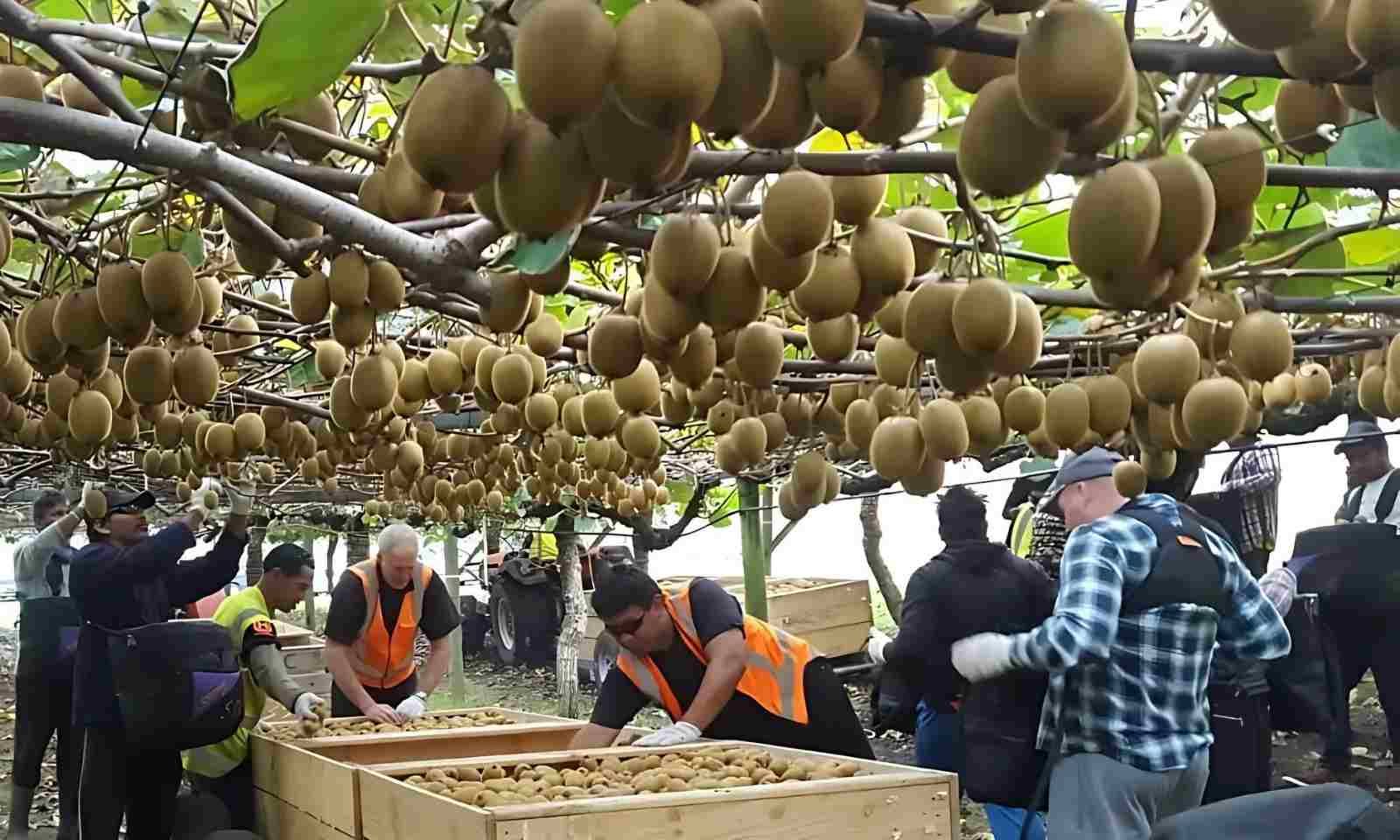
Pacific workers take part in New Zealand’s Recognised Seasonal Employer (RSE) scheme, one of the region’s established labour mobility pathways. Photo/Facebook/baykiwifruitcontracting
Workers applying through the SSW programme must meet skills and Japanese-language requirements and have an employment contract with a Japanese employer. Requirements also vary by industry.
The Bula Japan Project is already preparing Fijians for the SSW pathway, with training in airport ground handling, cargo operations and cabin cleaning.
The project plans to place up to 30 Fijians in jobs in Japan, subject to candidates passing the required language and skills tests and securing employment.
"Start a new chapter in your life with pride, purpose, and a pathway to the skies... Let your Bula Spirit shine even brighter through work in Japan," the programme mandate states.
The Japanese government has set five-year intake limits for individual sectors. It says the current ceiling is 78,000 workers in agriculture and 135,000 in nursing care between April 2024 and March 2029.
Foreign workers take up jobs in Japan as the country looks overseas to address shortages across sectors including agriculture, construction and nursing care. Photo/hr.asia
For Pacific governments, the potential opportunity is not simply about sending more workers overseas but using existing diplomatic relationships with Tokyo to build access to jobs, skills and income for their people.
Pacific workers already take up seasonal and skilled employment opportunities in Aotearoa and Australia, which makes Japan a possible additional destination as demand for workers grows.
At the same time, Japan is tightening some parts of its immigration system. From 1 October, the fee for permanent residence applications increased from 10,000 yen (NZ$113.06) to 200,000 yen (NZ$2261.20).
Shigeie says Japan must manage the competing pressures carefully. “I think immigration issues need to be dealt with in a socially correct way.”
He says the challenge will be turning Japan’s labour demand into practical opportunities while ensuring workers have the skills, language support and protections needed to benefit from them.
Watch Fijians who plan to work and study in Japan learn Japanese below.