High blood pressure a silent killer, Solomon Islands calls for stronger action
Lachlan EddieFri, 23 Oct

A 'For Lease' sign on a shop window as political parties debate changes to commercial lease rules and how to address long-term vacant retail spaces.
Photo/LinkedIn
Chlöe Swarbrick says current lease rules can keep rents high when markets fall while David Seymour says changing them could make it harder for businesses to secure finance and open their doors.




A political clash over commercial rents is raising a question for Pacific businesses and community organisations: what happens when the debate moves beyond the central business district (CBD) and into the suburban centres where Pacific businesses and community organisations have established themselves?
Green Party co-leader Chlöe Swarbrick says current commercial lease rules can leave small businesses paying high rents even when market conditions have changed.
The Greens want market rent reviews to be able to lower rents, along with new powers for councils to auction leases on shops that have been empty for more than a year.
The party also wants a low-cost tribunal for commercial lease disputes. Swarbrick says the current system can work against small businesses.
“Current commercial leasing rules let rents rise when the market goes up and hold them up when it goes down...," she said as the party announced reforms this month to lower commercial rents and fill empty shops.
"The point of a town centre isn't just to have buildings. It's to have people using them. We want it to be easier for local businesses and creative people to get through the door,” Swarbrick said.
ACT leader David Seymour strongly disagrees and argues the changes could have wider effects on property development and lending.
He says so-called hard ratchet clauses, which can prevent rents falling at a market review, are linked to the way commercial property is financed.
“They have no idea about the complex ecosystem of investors, builders, tenants, and developers that make up an urban landscape...," he told RNZ. "Most people want banks to loan so people can build, so tenants can rent, so that shops can open.”

ACT leader David Seymour is opposing proposed changes to commercial lease rules, arguing they could affect property investment, development and lending. Photo/RNZ/Mark Papalii
Seymour has also dismissed the proposed council auctions as a “fourth-form social studies assignment”.
The argument matters beyond major city centres. The cost of securing affordable space is already a concern for some Pacific community organisations.
In Ōtara, South Auckland, Pacific businesses and street vendors are already navigating different costs of operating in the town centre.
Ōtara Business Association chair Amit Narchal said shop tenants faced commercial rent, council rates and other expenses, putting pressure on businesses trying to remain viable.
“Shop tenants pay commercial rent, council rates, and other expenses, which already places a heavy financial burden on them,” he said.
But Ōtara-Papatoetoe Local Board member Apulu Reece Autagavaia said the response should be to help people make their businesses legitimate rather than push them out.
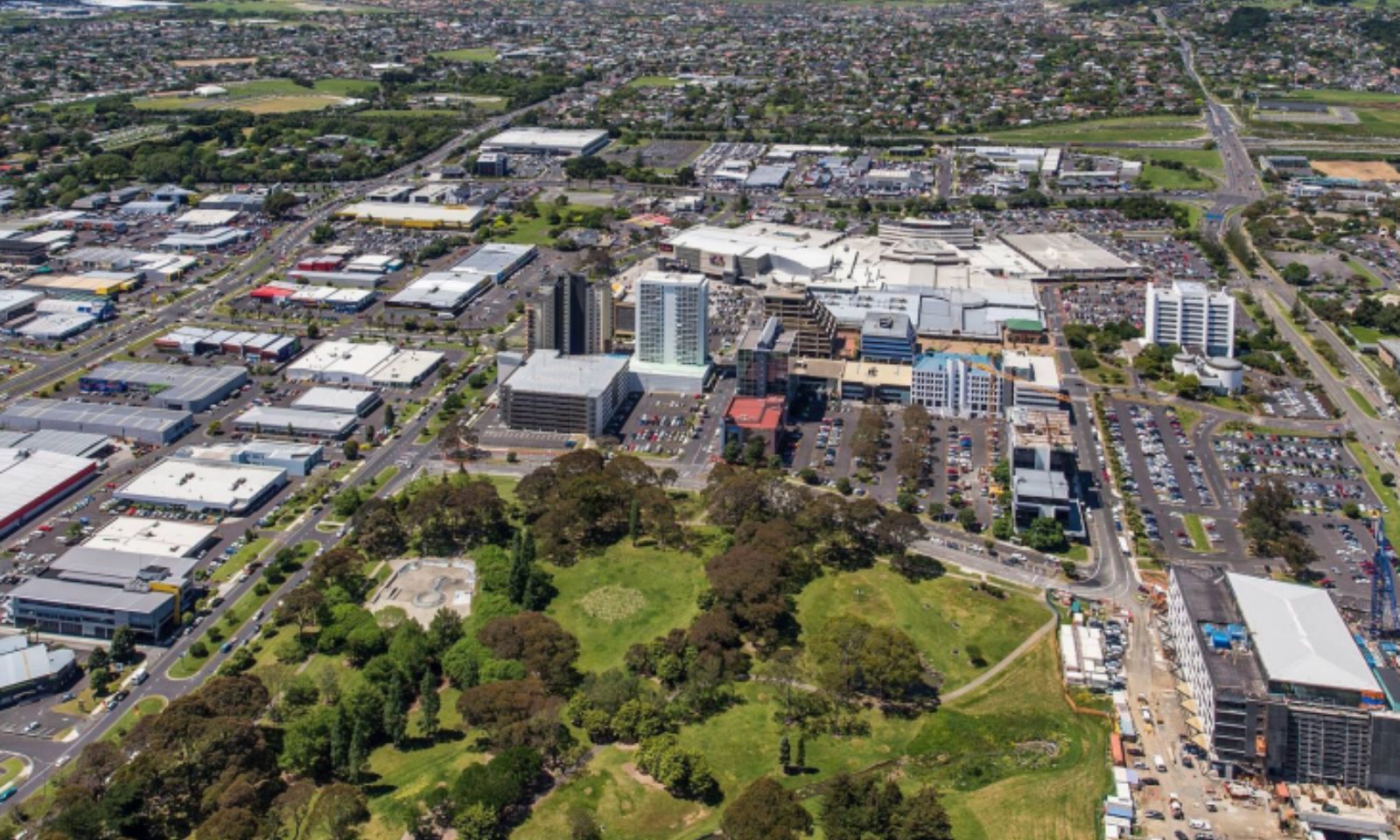
The Ōtara-Papatoetoe Local Board wants to support local entrepreneurs and help street vendors become legitimate businesses. Photo/otara.co.nz/file
“We want them to be legitimate and provide income for their families or whatever else. In Ōtara there are people, there are families that are really on the breadline. They’re really struggling.”
The board used leftover funds to set up a programme helping street vendors get their licences up to scratch and find ways to support their businesses.
The cost of securing affordable space is also a concern for some Pacific community organisations.
When 360 Tautua Trust secured a five-year lease for a permanent fale in Ōtāhuhu last year, Apulu said affordable community facilities could be difficult to find.
“Too often we can’t find affordable community facilities, so a long-term lease like this lets the trust spend money on their elderly rather than rent,” he told PMN News.
Pacific businesses can also face the costs associated with commercial leases, fit-outs, utilities and other operating expenses.

Ōtara-Papatoetoe Local Board member Apulu Reece Autagavaia says affordable community facilities remain important for Pacific organisations seeking long-term spaces in their communities. Photo/PMN News/Taelegalolo'u Mary Afemata
Pacific Business Hub founder Laura Keil-Hall says those extra costs can make traditional commercial space harder for small businesses to manage.
“You don’t have to worry about overheads [here],” she said during the Hub's launch in 2020. “You don’t have to worry about paying a separate bill for your Wi-Fi, a separate bill for the power, a separate bill for cleaning… you’ve got all of that included in that [tenancy] package.
"The office packages vary and are tailored to the needs and budget of the business so basically we try and make things work.
The Manukau-based Hub offers flexible office and co-working options for Pacific businesses, including shared facilities and packages that can include utilities and cleaning.
Swarbrick says the Greens want empty commercial spaces put to use, while Seymour argues the priority should be maintaining the investment and lending needed to create those spaces in the first place.
The debate is now about more than what happens to an empty shopfront. It is also about who can afford to keep a physical place in their community.