'Nightmare': Why NZ govt declined visa for woman stranded in the Cook Islands
Shalveen Chand, Cook Islands NewsWed, 14 Oct
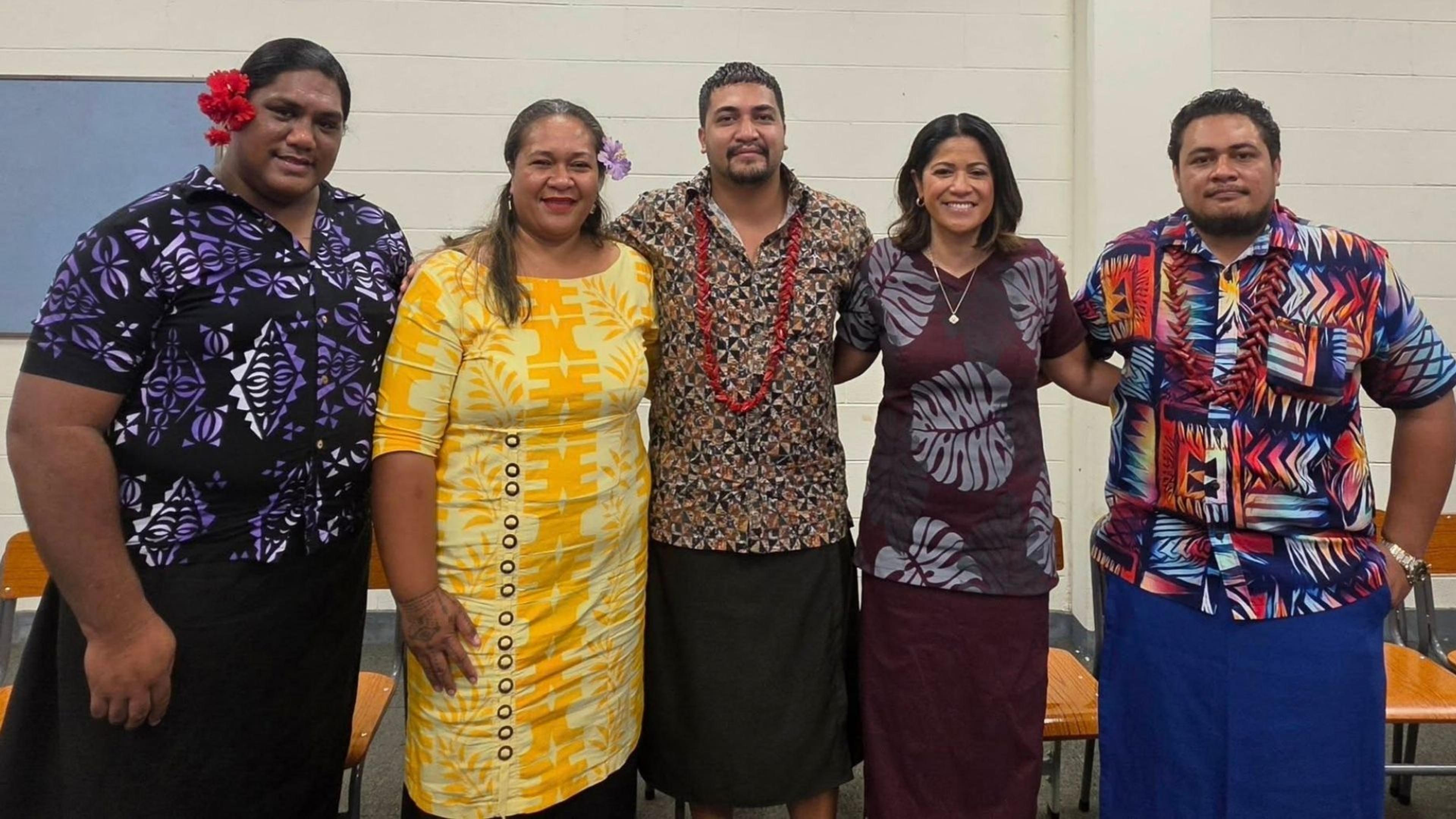
Emmy-winning Sāmoan journalist Tamara Vaifanua, second from right, is in Sāmoa this week sharing her experience with journalists and journalism students as part of a US Embassy media exchange.
Photo/Facebook/Jaqualinah Dolsen Seumanutafa
Tamara Vaifanua is in Apia sharing 25 years of newsroom experience and urging young journalists to trust the value of their Pacific voices.

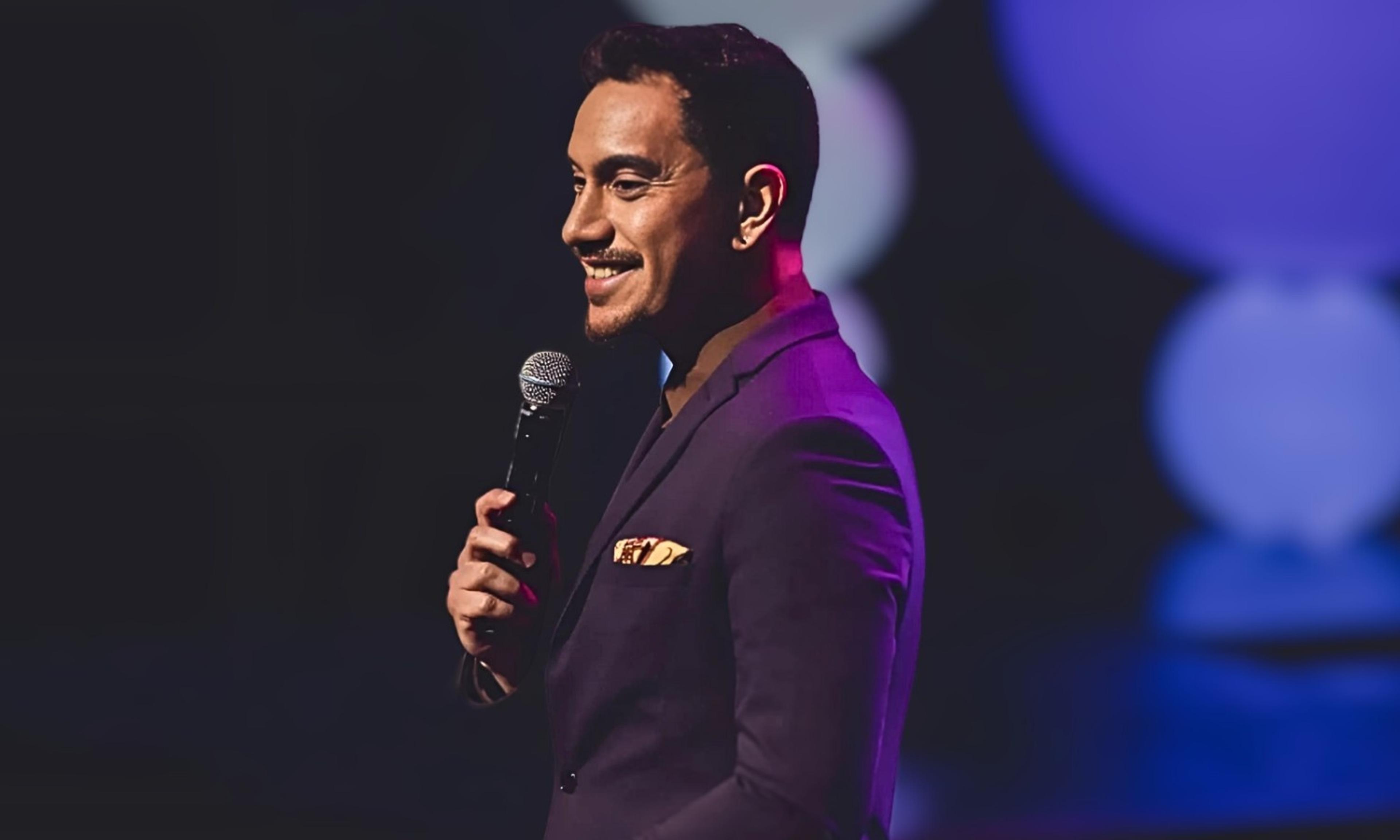
An Emmy-winning Sāmoan journalist has a message for the next generation of Pacific reporters: do not be afraid to take up space.
Tamara Vaifanua is in Apia this week working with journalists and journalism students as part of a United States Embassy media exchange focused on investigative storytelling, editorial standards, and media freedom.
For the Utah-based news anchor, the visit is also a chance to share lessons from more than 25 years in broadcasting and a career that has seen her become the first television news anchor of Sāmoan heritage in Utah.
KSL lists Vaifanua as one of its KSL Today and The Noon Show anchors.
The US Embassy's Public Affairs Officer in Sāmoa, Laila Gillam, said in a statement that Vaifanua's engagement with Sāmoa's academic and media communities highlighted the contribution of the Sāmoan diaspora and the importance of a professional press.
“Ms Vaifanua’s engagement with Sāmoa’s academic and media communities highlights the vital contributions of the Sāmoan diaspora to American public life and reinforces our shared commitment to a free, independent, and professional press,” Gillam said.
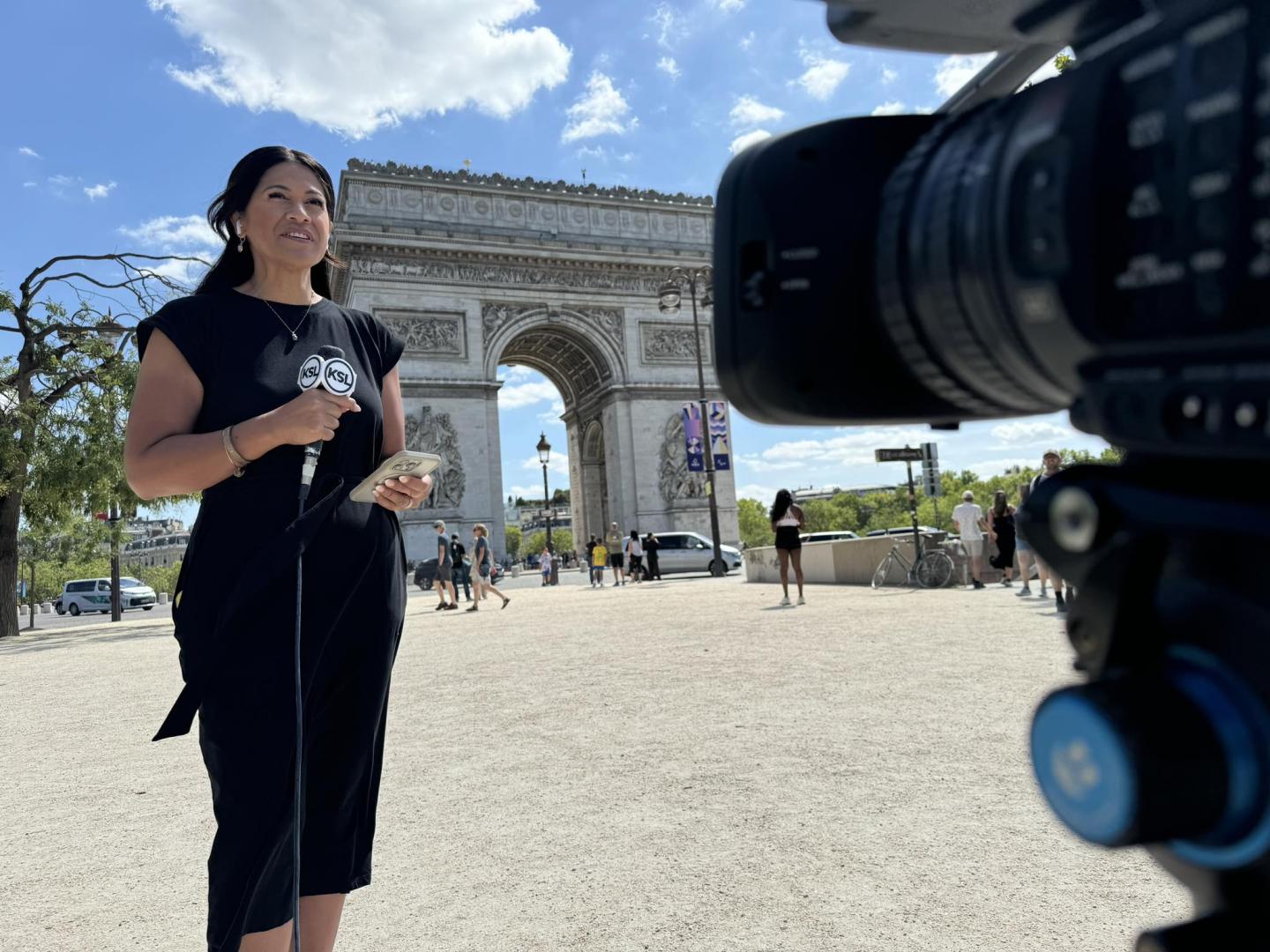
Tamara Vaifanua reporting from the field, where she has covered major stories including the 2023 Maui wildfires. Photo/thenewatoll.com
But when she met young journalists in Sāmoa, she said it was their hunger to learn that stood out.
“I feel that they have this talent and they just want to be given, you know, the same opportunities as someone else in another country,” she told William Terite on PMN's Pacific Mornings.
Her message was simple: their work reaches much further than they may realise.
Listen to Tamara Vaifanua's full interview below.
Vaifanua said Sāmoans living in the United States closely follow what happens in the islands, making the work of journalists in Sāmoa important to communities thousands of kilometres away.
“They may think that they are reporting, you know, just for their villages here in Sāmoa and maybe the neighboring islands, but it is so much more than that,” she said.
“Their voice is so critical to making sure that we're informed because the issues that may be affecting the folks out here in the Pacific, it does have a trickle down effect to the Sāmoans living in the mainland.”
Vaifanua knows the importance of Pacific representation from her own career.
Growing up in Utah, Vaifanua's family roots stretch back to Pesega in Sāmoa and Alao in American Sāmoa. Her mother is from Pesega while her father is from Alao.
She said it was only after returning to work in her home state that she fully understood what it meant to be reporting for a community she knew personally.
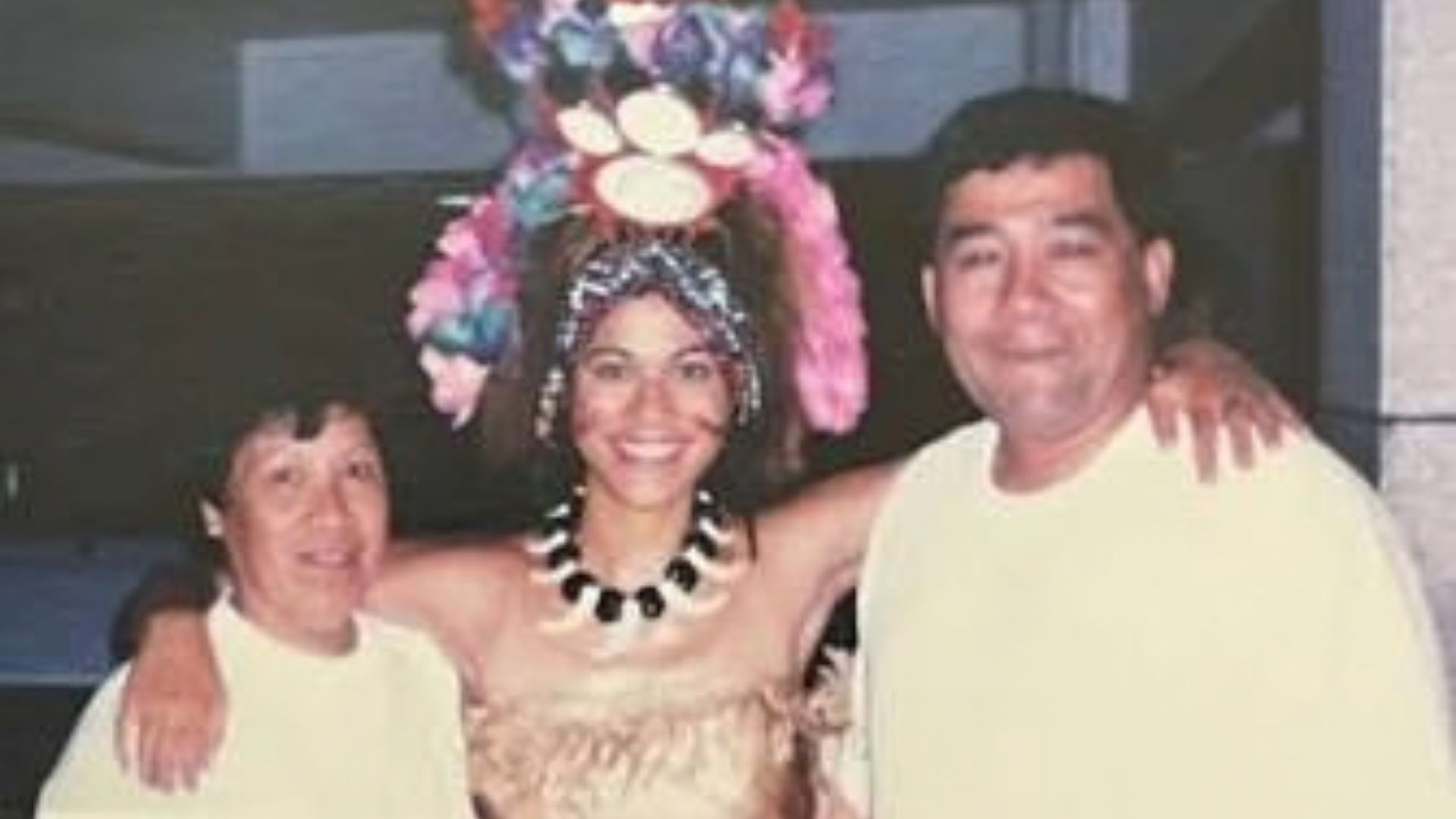
Tamara Vaifanua with her parents, Laila Skipps Vaifanua, from Pesega in Sāmoa, and Vaimasima Eutika Vaifanua, from Alao in American Sāmoa. Photo/Instagram/abcpacific
“I carry my culture proudly and especially to be in Utah, a place where there's not very many of us, it holds a great weight and responsibility that I'm just truly grateful for.”
She now seeks out stories about Pacific communities in Utah, including Sāmoan, Tongan, Māori and Hawaiian communities, saying she wants to show more than the problems they face.
Her reporting has also taken her to major international stories, including the 2023 Maui wildfires.
Her Emmy-winning coverage focused on the people affected by the disaster and their recovery and resilience.
In an interview with RNZ Pacific last December, Vaifanua said her Sāmoan culture influences the way she approaches storytelling.
“That pressure is mostly out of respect, you know, I revere my culture, I revere their stories and I want to be delicate with them.”
She also dedicated her Emmy to the people of Maui, saying their willingness to share their experiences made the story possible.
Vaifanua told the young journalists in Sāmoa that accuracy, fairness and care remain at the heart of the job, no matter where a journalist works.
“Ultimately what it comes down to is our craft and making sure that we are being truthful and accurate and fair and triple checking and double checking.”
She also challenged young Pacific journalists to push past self-doubt.
“I used the example of just getting into the business where I was afraid to fully show myself. I kind of made myself small in rooms where I didn't see other people that looked like myself.”
Her advice now is the opposite. “We do deserve to be in those rooms. We have worked hard. We have stories to share.
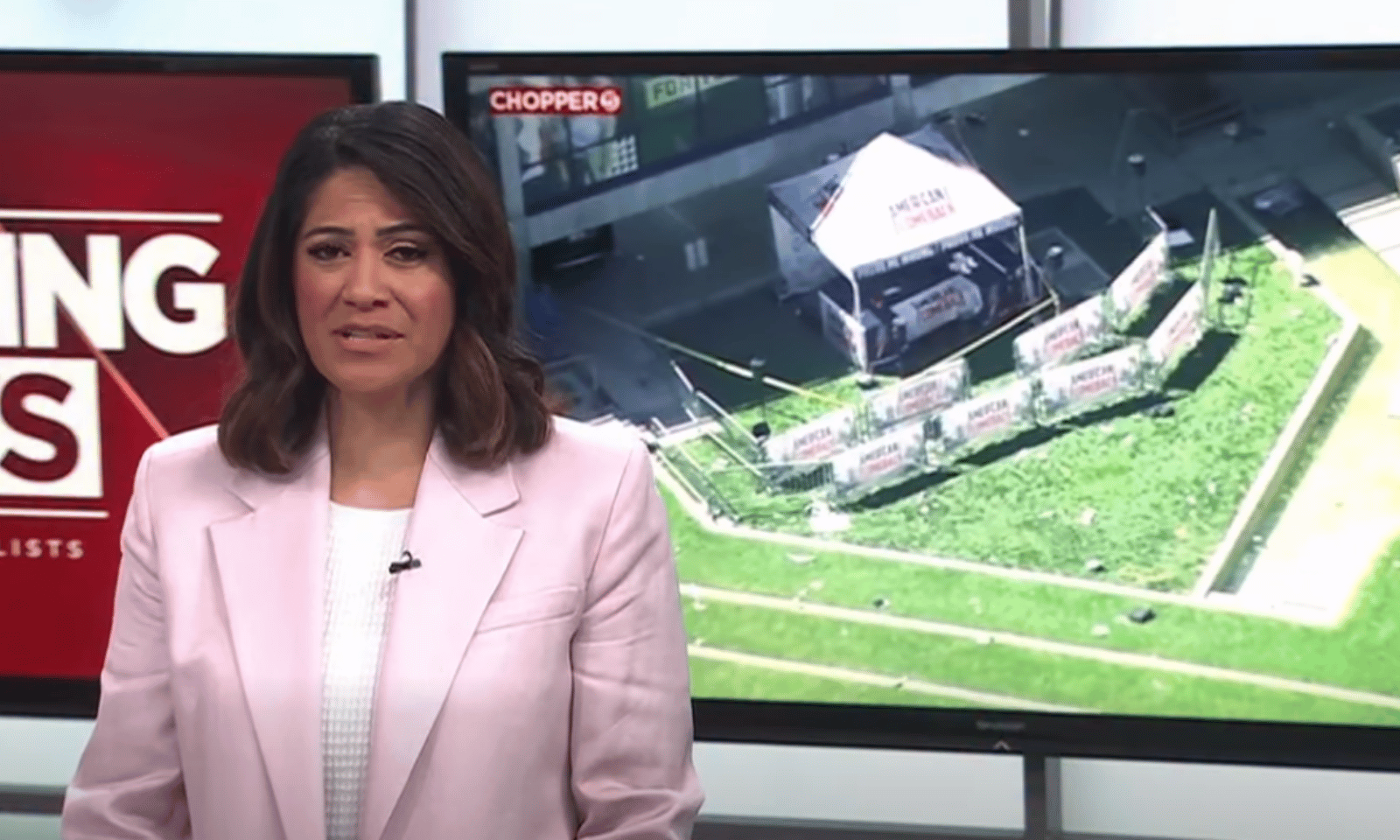
Tamara Vaifanua is an anchor for KSL Today and The Noon Show in Salt Lake City, Utah, and has more than 25 years of broadcasting experience. Photo/KSL
“And so if they are truly willing to put in the hard work and they're passionate about writing and presenting and sharing our stories, then we can't be fearful. We can't be afraid to fail.”
For Vaifanua, failure is part of becoming better at the job.
“That just makes us human. That just helps us become better journalists and better writers of record keeping of our communities.”
For Vaifanua, the wider goal is straightforward: helping Pacific journalists recognise the value of the stories only they can tell.