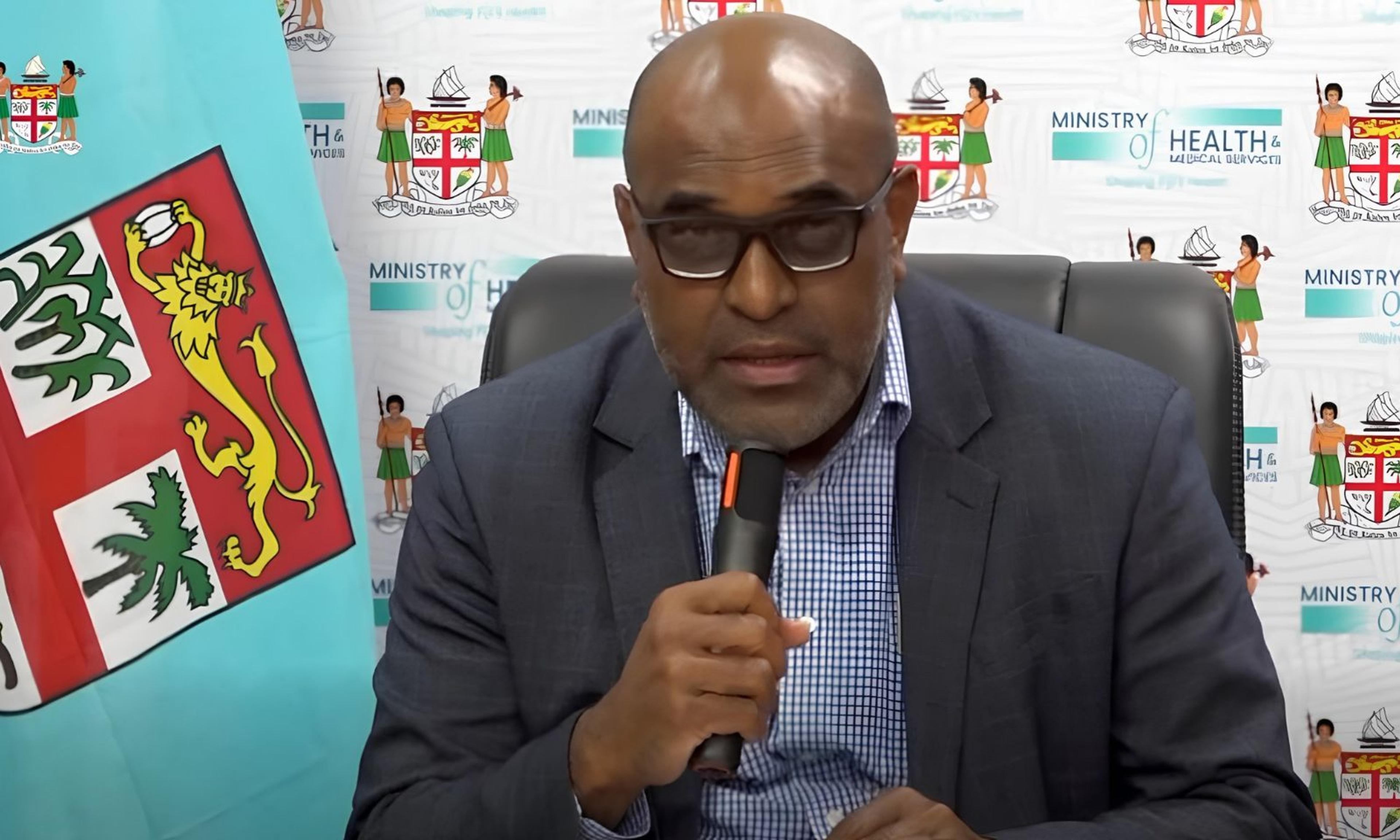
Fiji declares national HIV emergency as the govt changes tack
Elenoa TuragaiviuWed, 16 Sep
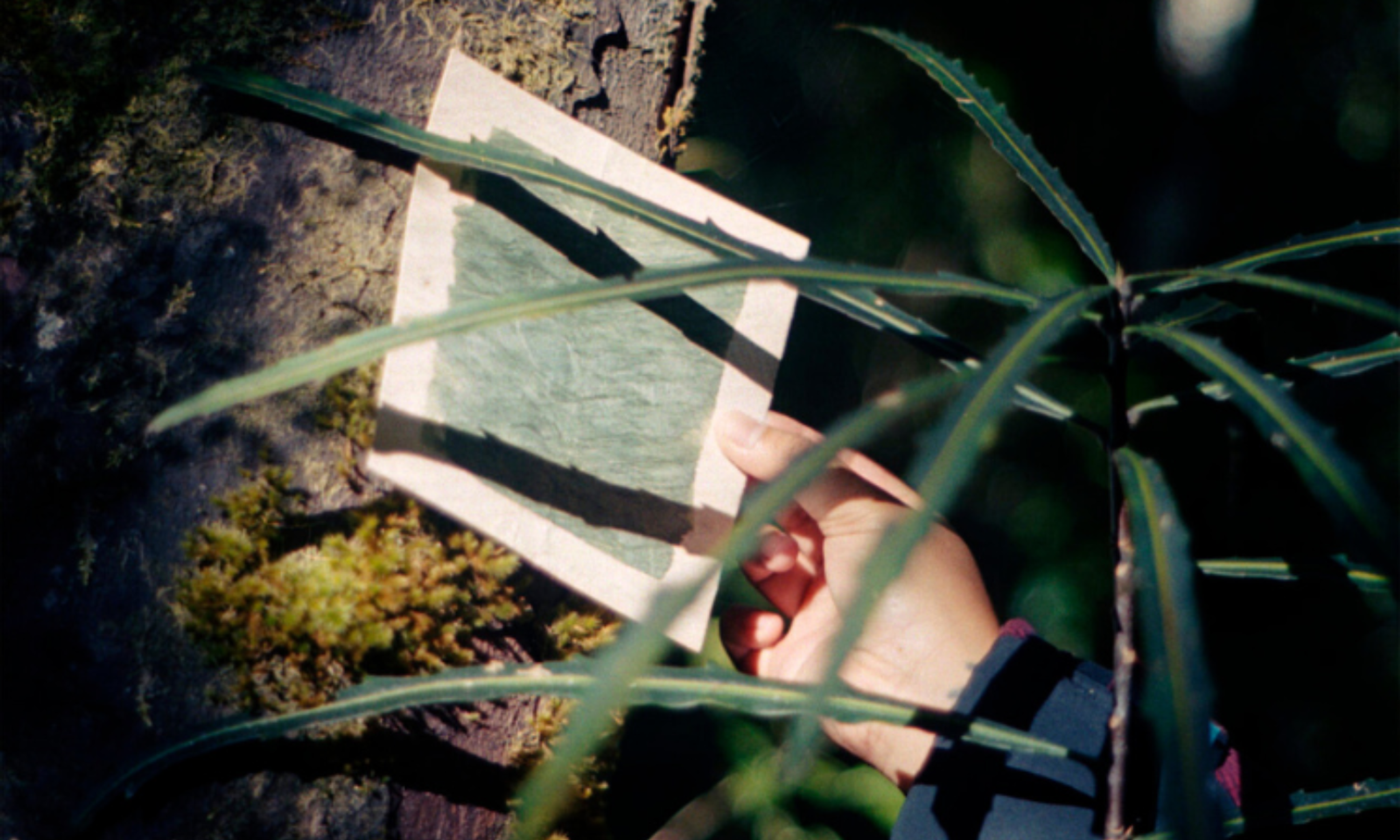
Cora-Allan Twiss' new exhibition 'Recording Mauri: Moments of Light and Earth' is on display at the National Library Gallery from, 31 January to 23 March.
Photo/Emily Parr
The Niuean-Māori artist brings earth, hiapo, and light together in a new National Library exhibition that asks how people place their energy and responsibility in the land.

What does the life force of a nation look like right now?
That question sits at the heart of Recording Mauri: Moments of Light and Earth, a new exhibition by Niuean-Māori multidisciplinary artist Cora-Allan Lafaiki Twiss opening at the National Library of New Zealand on 31 January.
Drawing on Niuean hiapo (barkcloth), whenua, and materials gathered from the world, Twiss creates works that track the spiritual, political, and environmental pulse of Aotearoa and the wider Pacific.
The exhibition runs until 23 March and transforms mauri (the Māori concept of life force or energy) into something visible, tangible, textured, and grounded in place.
In te ao Māori, mauri is the living essence that exists in land, water, and all beings.
For Twiss, understanding that force is both a personal and cultural journey. In an interview on Island Time, she shares the personal drivers behind her exhibition.
Watch Cora-Allan Twiss' full interview below.
“This show is very much me discovering what mauri is for myself. How do I place mauri in our taonga (treasures), especially as tangata Niue and tangata Māori? Because we're such multi-layered beings and we have so much meaning in our taonga and in our materials.”
Representing mauri
To capture something as ethereal as a “life force”, Twiss utilises a unique palette of elemental material.
Hiapo: the foundation of her practice.
Whenua (Earth pigments): using soil, clay, and rock sediments such as kokowai (red ochre). Usually gifted or ethically sourced by mana whenua.
Ahi and auahi (fire and smoke): captured soot directly onto hiapo.
Cyanotype (photographic printing process): detailed botanical imagery printed onto hiapo.
Adapting cyanotype for hiapo took years of trial and error.
“Cyanotype is made for paper or something sturdy, I had it in my head that I could do it on hiapo. It’s been two years of trials but I finally got to producing highly detailed cyanotypes on hiapo,” Twiss says.
“I want feedback from people who know my work to let me know whether what I’m feeling and putting out there is what they’re seeing too.”
By blending knowledge systems from Niue and Aotearoa, Twiss positions art as a way of observing the world as it is, and as it changing.
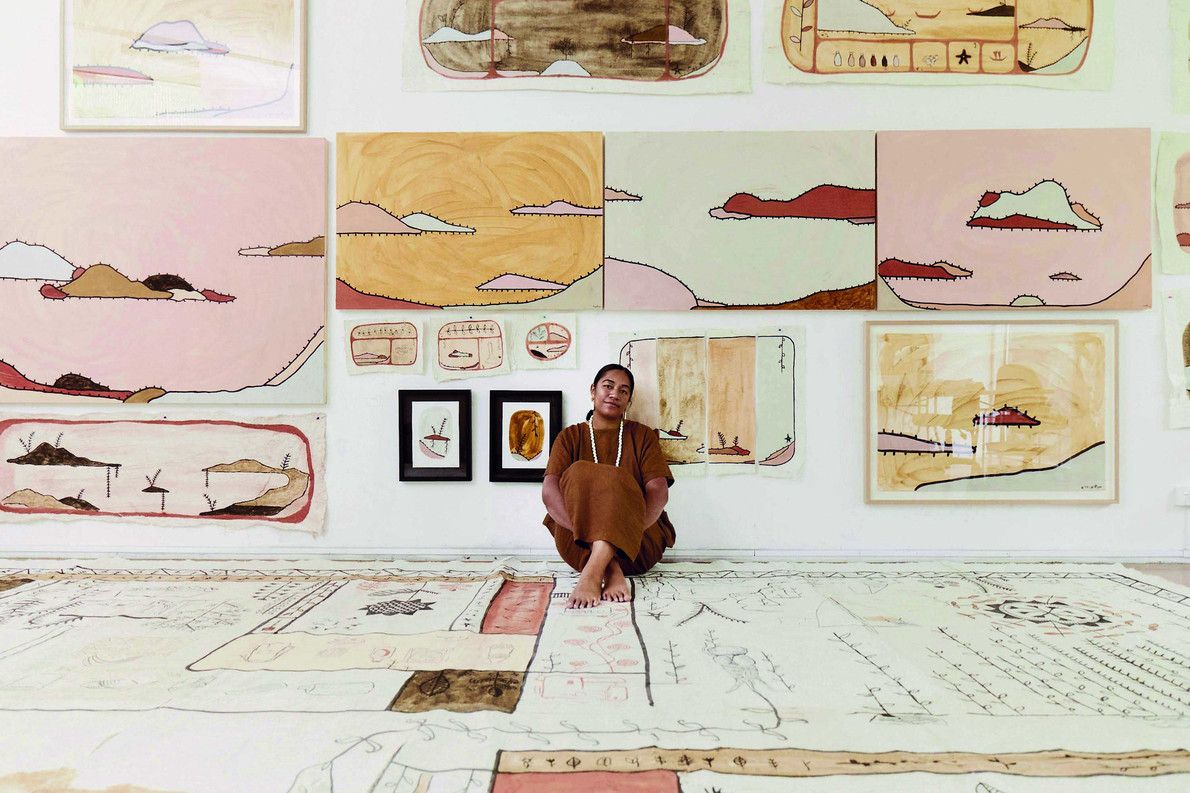
Cora-Allan Twiss. Photo/File
A socio-political compass
That message is sharpened by the exhibition's location. Displayed alongside Te Tiriti o Waitangi at the National Library Gallery, Recording Mauri speaks directly to the political and environmental tensions shaping Aotearoa and the Pacific.
Twiss asks viewers to reflect on how they place their own mauri into the land.
“How are you putting your mauri into the whenua? Are you walking in the protests? Are you waving your flag? Are you thinking about more sustainable ways of living? Whether you know it or not, your mauri is being placed.”
Integrity and legacy
Beyond the gallery, Twiss’ work also centres responsibility and legacy. She produces garments such as tiputa (poncho) and publishes pattern books to support Niuean cultural knowledge, while carefully guarding its integrity.
“I’m coming out with a second pattern book. I was recently messaged [by] a tatau artist who said, ‘Be ready for people to rip the patterns apart’. And that scares me.
“The responsibility for myself is to show a path of integrity. It's really important for me to only use Niue patterns. Anything I whakapapa to, I'm comfortable using.”
Recording Mauri is an invitation to witness the life force of this moment and to consider how deeply connected people, land and ancestors remain.
As Twiss describes it, the exhibition is the voice of a “mokopuna of the moana, engaging with tupuna materials”.