Pacific's climate fund lines up over NZ$330m amid calls for action
Christine RovoiThu, 08 Oct
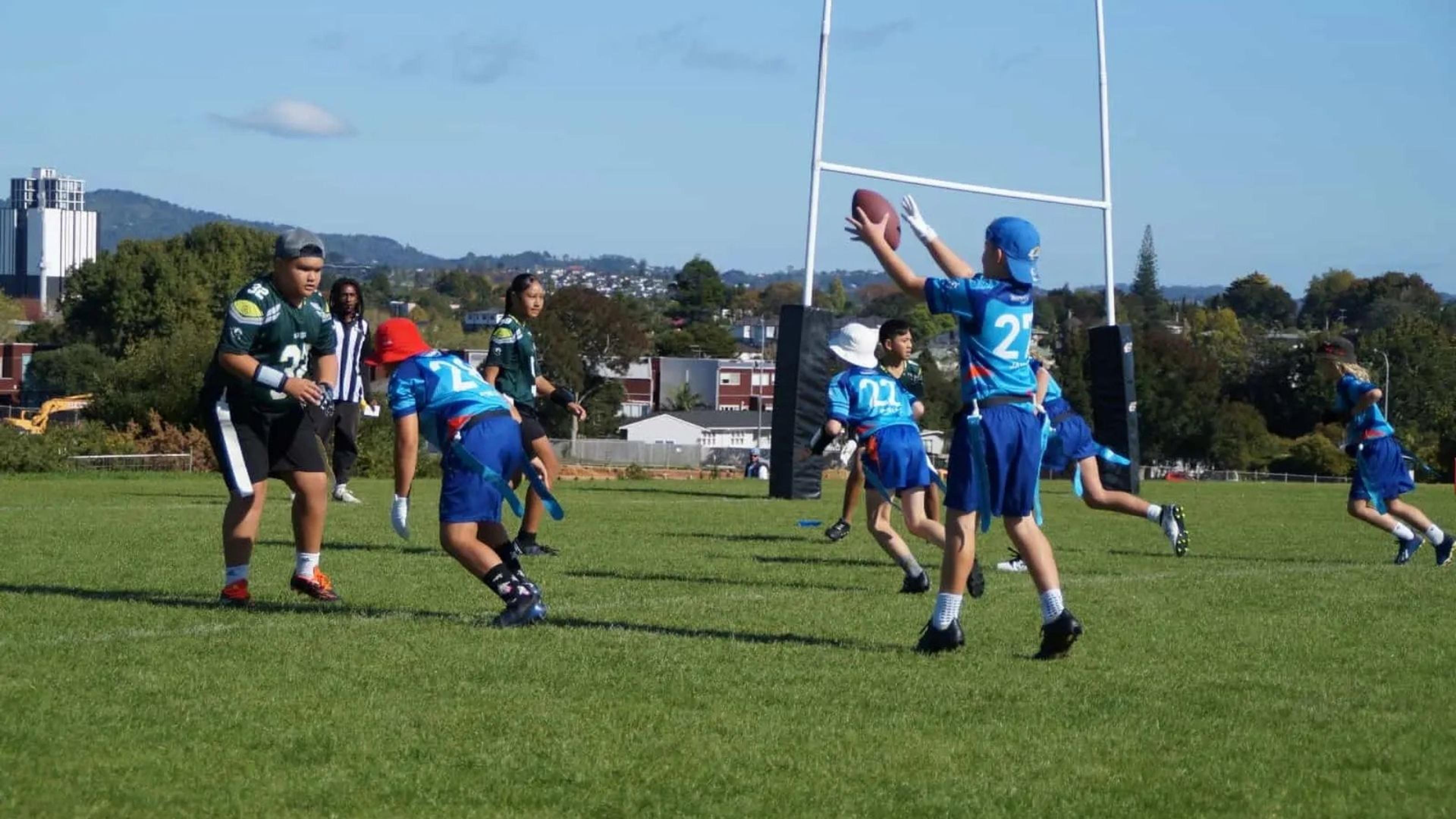
American football remains a developing sport in NZ and the Pacific, where rugby still dominates, but growing interest in overseas pathways is opening new opportunities for young athletes.
Photo/gridironnz
A new grassroots initiative in the island kingdom is training young athletes in American football, with plans to link local talent to schools and education opportunities in the US.


Tonga’s young athletes are being given a new pathway to the United States through an American football programme training players at a local high school.
The initiative is aiming to turn raw talent in the kingdom into education and sporting opportunities overseas.
Around 15 players are currently involved, with a small group already being lined up for possible placements as early as next month.
Speaking with John Pulu on PMN Tonga, founder ‘Ahongalu Fusimalohi Jr says the goal is to build a structured development system in Tonga, not just introduce a new sport.
"There's always been some type of pathway in the past of trying to get some athletes out there, but I think for the long run and to create more opportunities,” Fusimalohi told PMN News.
“I think it'll be good to find some development on the ground and get them prepped before trying to find an opportunity to go out.”

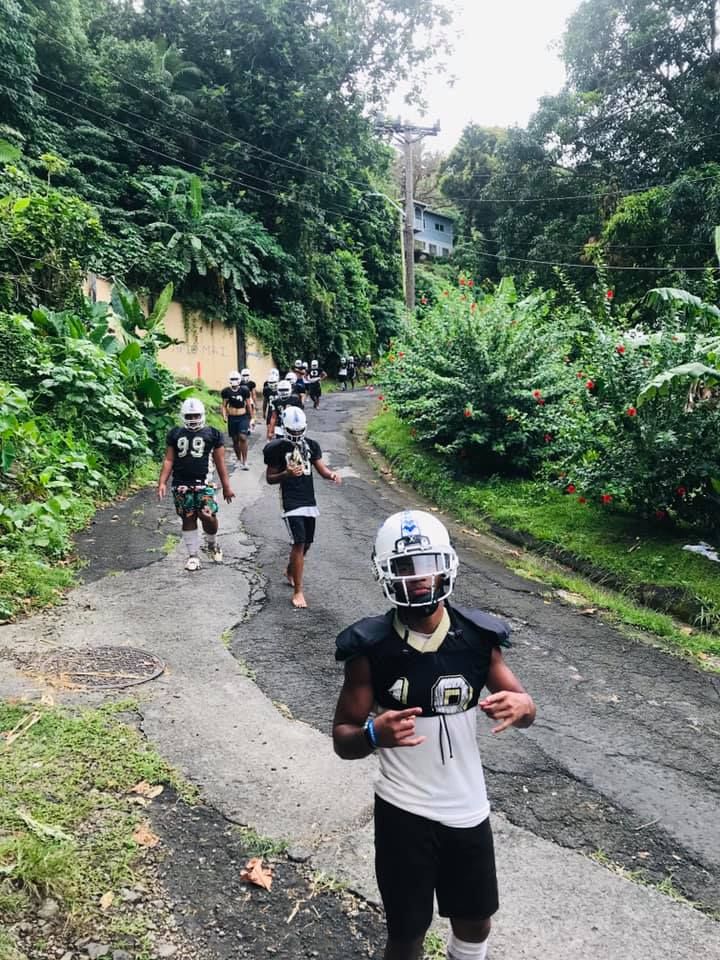
Young athletes have been participating in American football training sessions at Tonga High School, as a new programme opens pathways to education and sport opportunities in the United States. Photo/Facebook/Samoana Football
The programme, operated through Trench Boy Incorporated, is now looking to expand into other schools on the island, with coaches assessing new players through regular training sessions and school engagement.
American football is still in its early stages in Tonga, with rugby remaining the dominant sport.
But interest in alternative sporting pathways has been growing as young athletes look for opportunities to study and play overseas.
Tonga has produced a number of elite American football players who have gone on to feature in US college systems and professional leagues, highlighting the long-established presence of Pacific athletes in the sport overseas.
Former NFL player and Tongan-born athlete Vai Sikahema has previously spoken about how American football opened opportunities for Pacific families overseas.
“Tonga isn’t a football place. you played rugby,” Sikahema said in an NFL interview about his journey into the sport after moving to the United States.
Fusimalohi says the aim is to identify raw talent early and prepare players for structured training environments overseas.
“We have camps from California to other prep schools where they could be boarding and taken care of at a high school level and that way they can get their feet on the ground with the sport,” he says.
“Then you'd have your senior year where colleges would come to check them out and see their development and then they'll have that opportunity to also get a free education but also continue on playing the game.”
The Polynesian Football Hall of Fame recognises American football as a growing pathway for Pacific athletes, with players of Polynesian heritage featuring across US high school, college and professional levels.
The NFL’s International Player Pathway programme has also helped international athletes transition into the US system in recent years.
Academic research has highlighted the strong presence of Polynesian players in the sport and their growing success globally.
Sāmoa has been widely recognised as one of the strongest Pacific pipelines into American football globally, producing a high number of NFL players relative to population and long-established recruitment pathways into US college football.
Sāmoa is widely recognised as one of the strongest Pacific pipelines into American football, producing a high number of players who have progressed into US college and professional systems.
Across the wider Pacific, most athletes enter the sport through overseas recruitment or scholarship pathways rather than domestic development programmes, highlighting the gaps in local infrastructure as interest grows.
Fusimalohi says interest has already grown since the programme began earlier this year, with around 15 players taking part in sessions and a small group being considered for possible opportunities in the United States.
The initiative is currently focused on students from Tonga High School, but organisers say they are in discussions to open access to other schools as demand grows.
Born and raised in Tonga before moving to the United States, Fusimalohi says the foundation is also a tribute to his grandfather, Tavake Fusimalohi.
He believes Tonga already has a strong reputation in American football overseas, even if the sport is still new locally.
“Back in the United States, per capita, there's always been a lot of Tongan football players from high school to college and even in the NFL.
“But when people ask if we play the sport in Tonga, the answer has always been no and that surprises them.”
He says the physical style of play suits Tongan athletes and could open a new pathway for those who may not pursue traditional sports such as rugby.
“I think the game of football pretty much correlates really well to the Tongan culture and what we're used to being physical and aggressive.”
Fusimalohi says the programme is also focused on long-term development in Tonga, with plans to roll out more projects from 2026 and strengthen community support for the sport.