
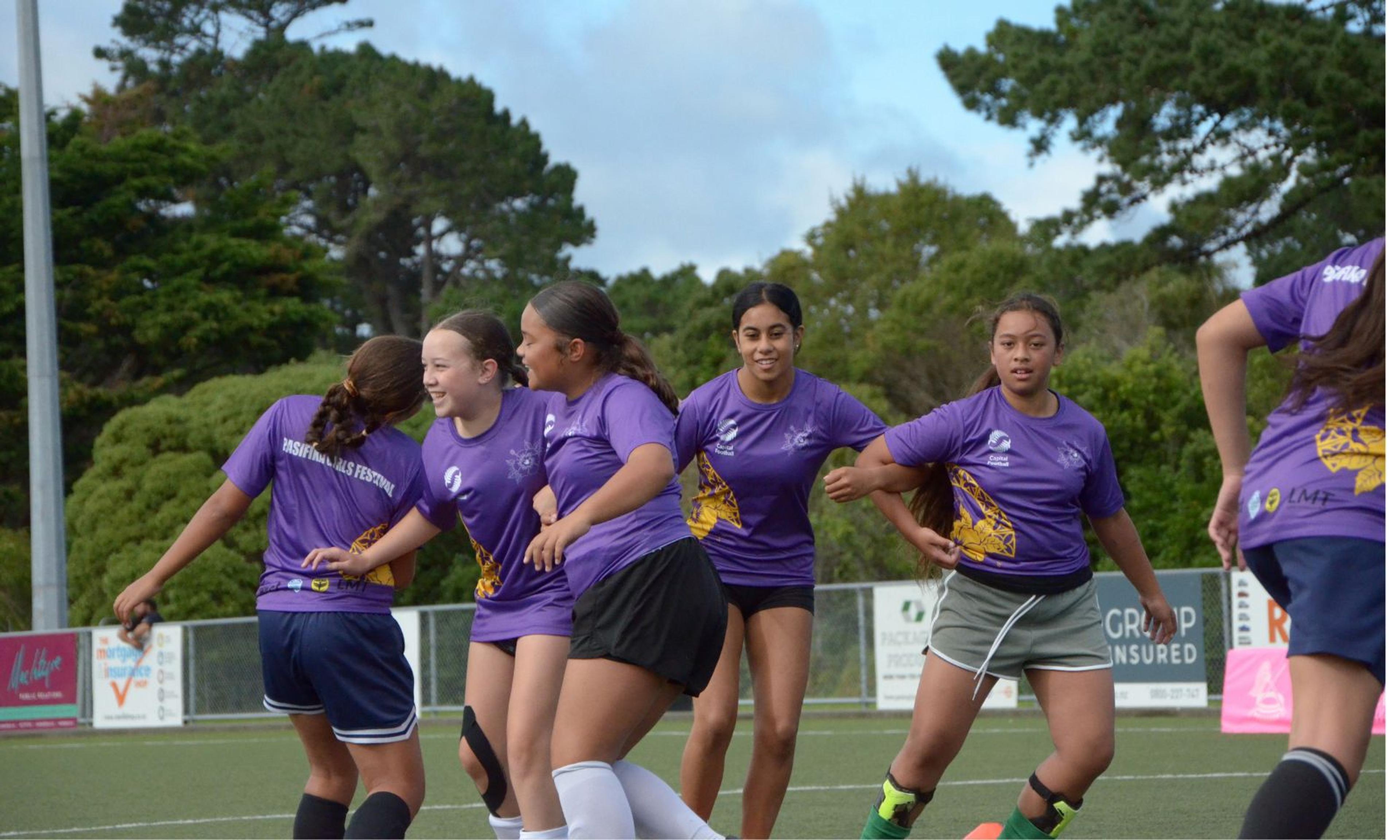
The national award recognises the success of a partnership that has made football more accessible and inclusive for Pasifika communities throughout New Zealand.
NZ Football
Sports
Award-winning partnership opens new pathways for Pasifika football in Aotearoa
A three-year collaboration between New Zealand Football and the Ministry for Pacific Peoples has lifted Pasifika participation, coach education and helped families feel they belong in the game

Elenoa Turagaiviu
Published
02 July 2026, 1:37pm
Share
Copy Link
Top stories

Fiji’s new tourism services tax eases pressure on travellers but airline costs remain
Elenoa TuragaiviuWed, 02 Sep
Pacific Forum leaders agree on regional action as Naoero breaks ranks over China missile test
Thomas Tarurongo Wynne in PalauFri, 04 Sep
All Blacks and Warriors face big tests against Springboks, Sea Eagles
Cedric TausingaFri, 04 Sep
Top stories
Fiji’s new tourism services tax eases pressure on travellers but airline costs remain
Elenoa TuragaiviuWed, 02 Sep
Pacific Forum leaders agree on regional action as Naoero breaks ranks over China missile test
Thomas Tarurongo Wynne in PalauFri, 04 Sep
All Blacks and Warriors face big tests against Springboks, Sea Eagles
Cedric TausingaFri, 04 Sep
A partnership that has helped bring more Pasifika players, coaches and families into organised football in New Zealand has been recognised with a national diversity award after reshaping how the game connects with Pacific communities.
New Zealand Football and the Ministry for Pacific Peoples (MPP) received the Diversity and Inclusion Award at the 2026 New Zealand Sport and Recreation Awards.
The award recognises a three-year programme that focused on removing barriers and creating clearer pathways for Pasifika communities.
The results have been significant.
Pasifika participation in football rose by eight per cent in 2025, while participation among Pasifika women increased by 10 per cent.
Coach education almost doubled, rising by 97 per cent as more Pacific people stepped into coaching and leadership roles.
Hussain Hanif, NZ Football Diversity and Inclusion Manager, says the award recognises far more than participation numbers.
“It recognises strength and passion and our leadership of Pacific communities across Aotearoa,” Hanif told PMN News. “For us, it also confirms that meaningful partnership delivers meaningful outcomes.”
Hanif said football had long been part of Pacific communities where families and community groups played the game every weekend, volunteering and supporting local clubs.
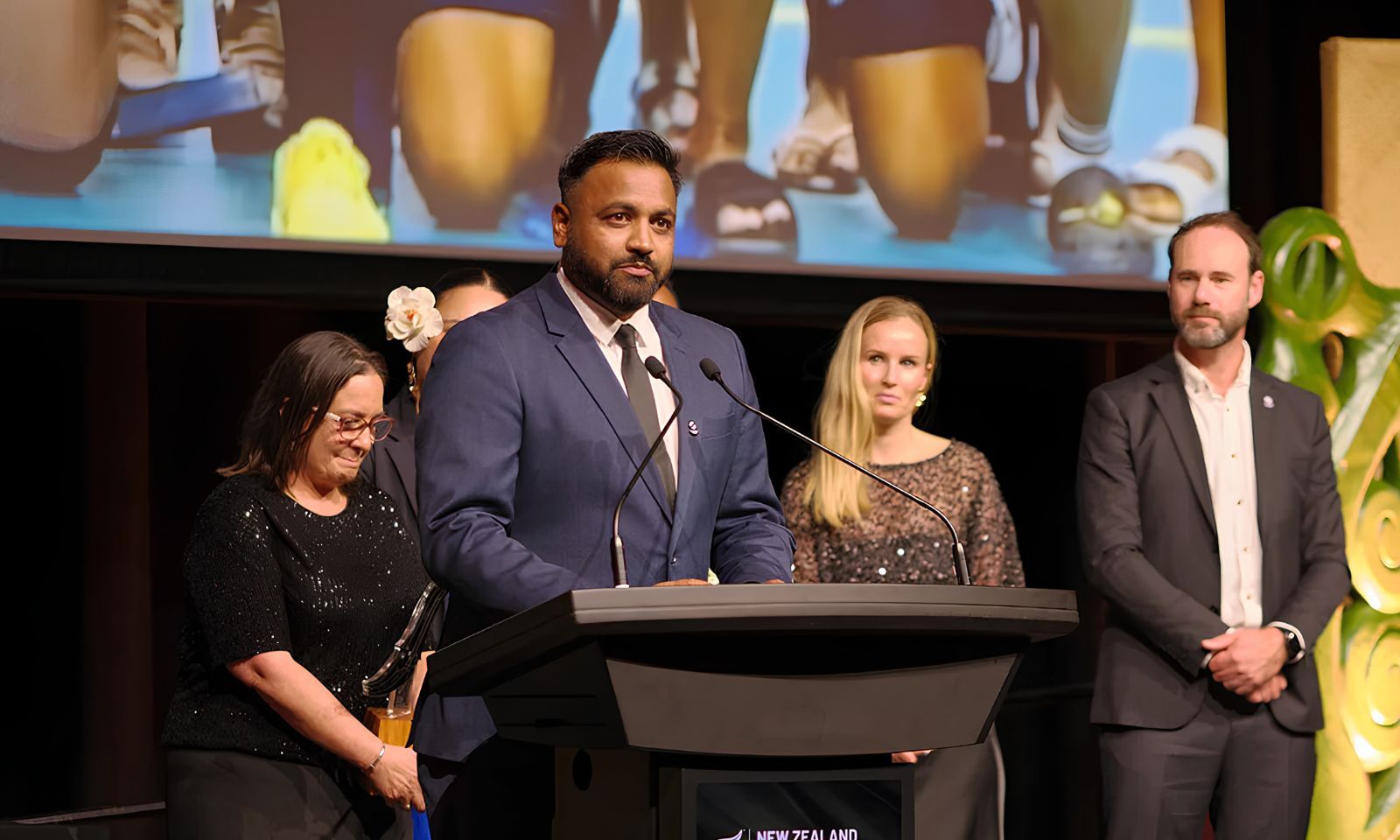
NZ Football Diversity and Inclusion Manager Hussain Hanif accepting the award at the 2026 New Zealand Sport and Recreation Awards. Photo/NZ Football
But many Pasifika families still felt disconnected from organised football.
“The challenge was that our systems weren't always reaching everyone equally, and many of our Pacific families experienced barriers,” Hanif says.
“Those barriers were cost or communication, understanding the football pathway, or simply not seeing themselves represented in the game and leadership in the game.”
In a statement, the Ministry for Pacific Peoples (MPP) said the collaboration with New Zealand Football delivered nationwide initiatives including football festivals and Talanoa workshops, strengthening connections with Pacific communities across the country.
In 2024 and 2025, NZ Football also ran a national Pasifika in Football leadership programme, alongside coach development courses for Pacific players, coaches and emerging leaders.
“The award reflects the value of partnerships that help Pacific communities see themselves in football, not only as players but also as coaches, leaders and decision-makers helping shape the future of the sport,” MPP said.
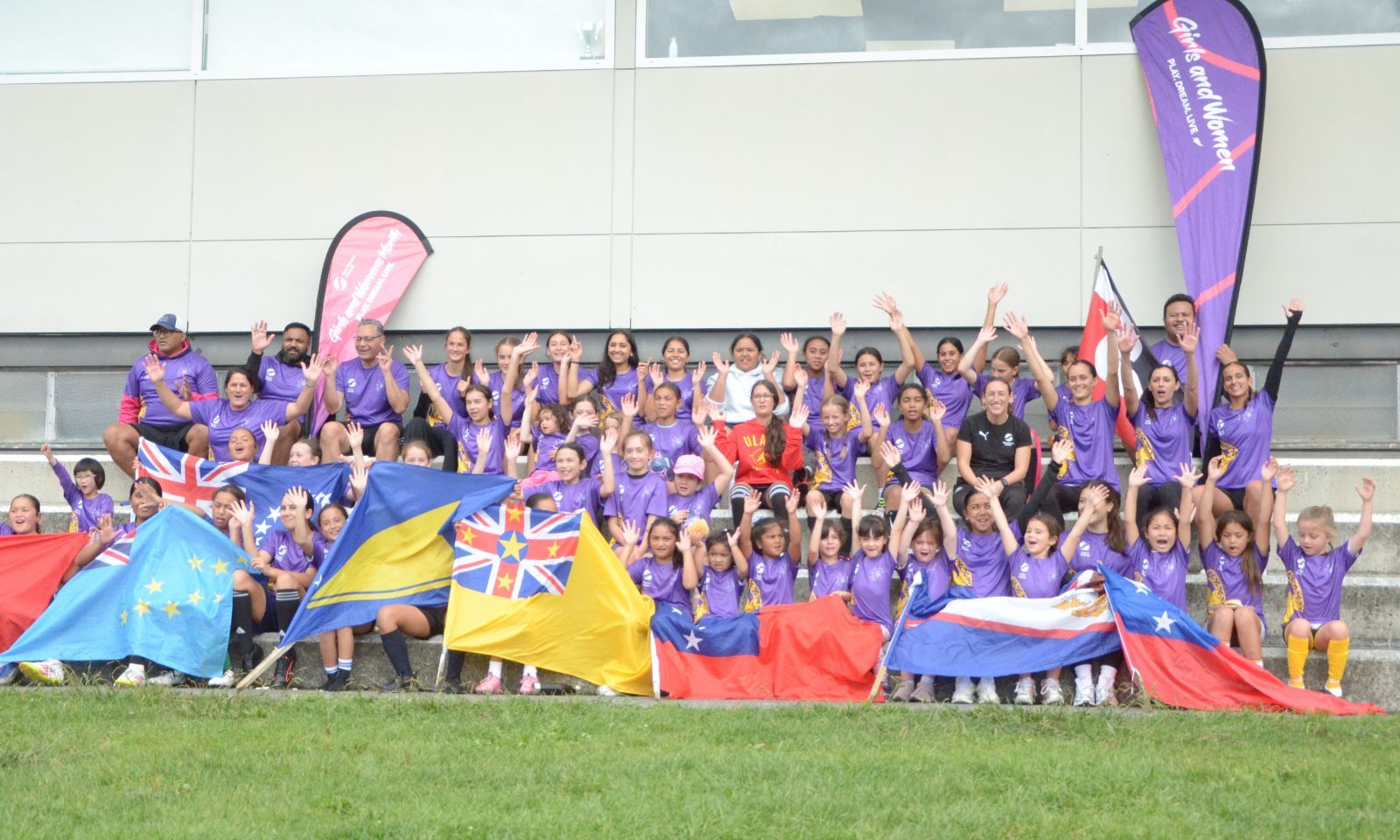
NZ Football says listening to Pasifika communities was the key to creating programmes that reflect Pacific values and priorities. Photo/NZ Football
Instead of expecting communities to adapt, Hanif says MPP and NZ Football turned to the locals themselves.
More than 200 Pasifika took part in talanoa sessions in Auckland, Wellington and Christchurch to share their experiences and explain the challenges they faced.
Many said football programmes did not reflect Pacific life where family, church and community commitments come first.
“The communities didn't want to be consulted once. They wanted ongoing relationships,” Hanif says.
“They wanted football to understand Pacific values, family commitments, church commitments, and cultural obligations. They also wanted programs that recognized their strengths and not just the challenges. “
According to Hanif, those conversations changed how the programme was delivered with Pacific leaders helping design initiatives instead of simply taking part in them.
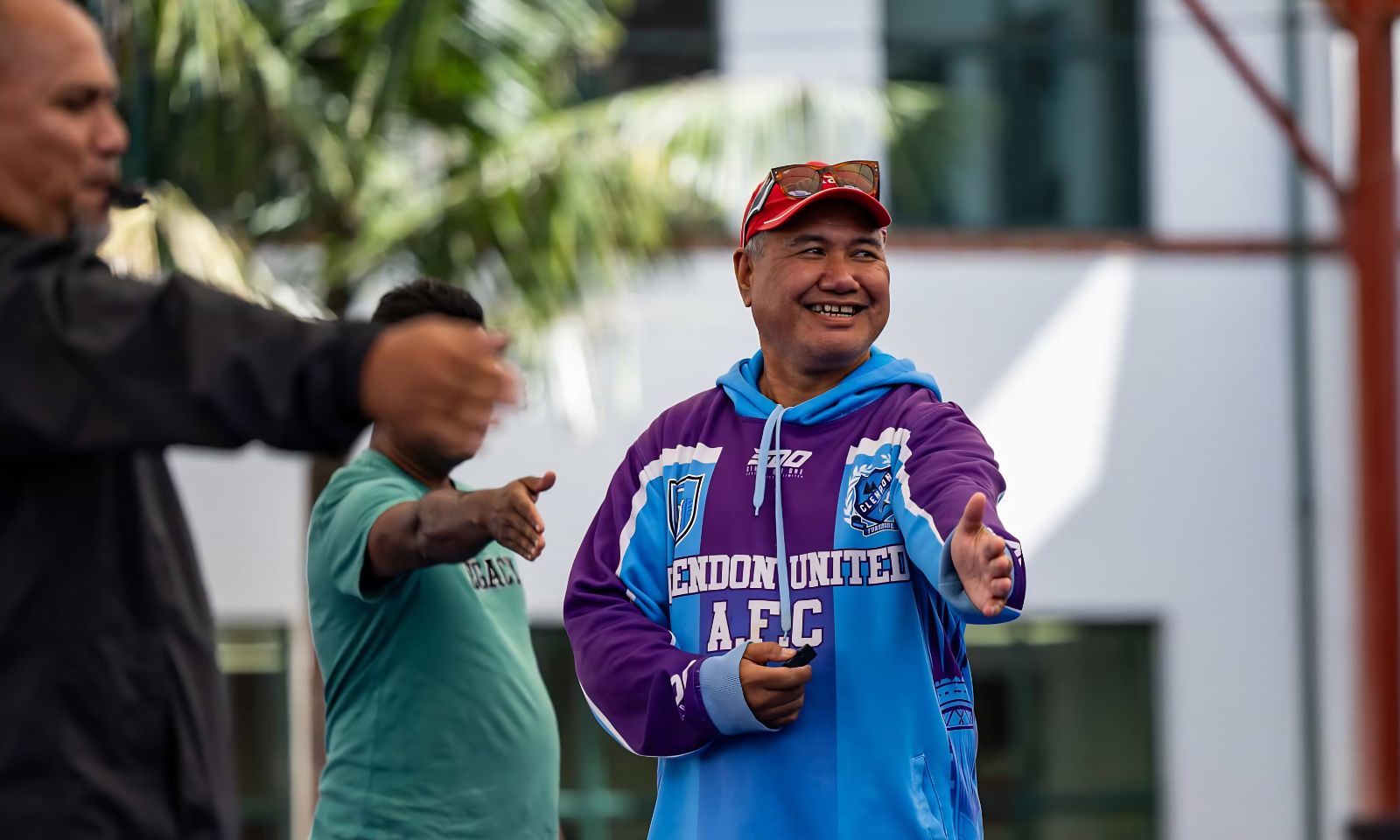
NZ Football says the biggest success has been seeing more Pasifika families, coaches and volunteers becoming part of the game. Photo/NZ Football
Hanif said the biggest success was not the numbers but seeing Pasifika families become active members of clubs, parents volunteering, young people taking up coaching and children seeing leaders who reflected their own communities.
He said the work was far from finished.
“The important shift for us in New Zealand football is that these pathways are now visible and young Pacific people can increasingly see people who look like them contributing across every part of football.
“Our challenge now is to continue building those pathways over the long term,” he says.
In 2025, Pasifika participation in football increased by eight per cent, while participation among Pasifika women grew by 10 per cent. Coach education also surged by 97 per cent as more Pacific leaders stepped into roles that had once felt out of reach.
Watch NZ Football's Hussain Hanif talk about about the Leadership and Development courses for leaders and coaches from the Pasifika football community.
While the partnership has now come to an end, Hanif believes its legacy will continue through stronger Pacific leadership and more pathways for future generations in New Zealand Football.