Online vault aims to return Pacific research to the community
Aui'a Vaimaila Leatinu'uWed, 21 Oct
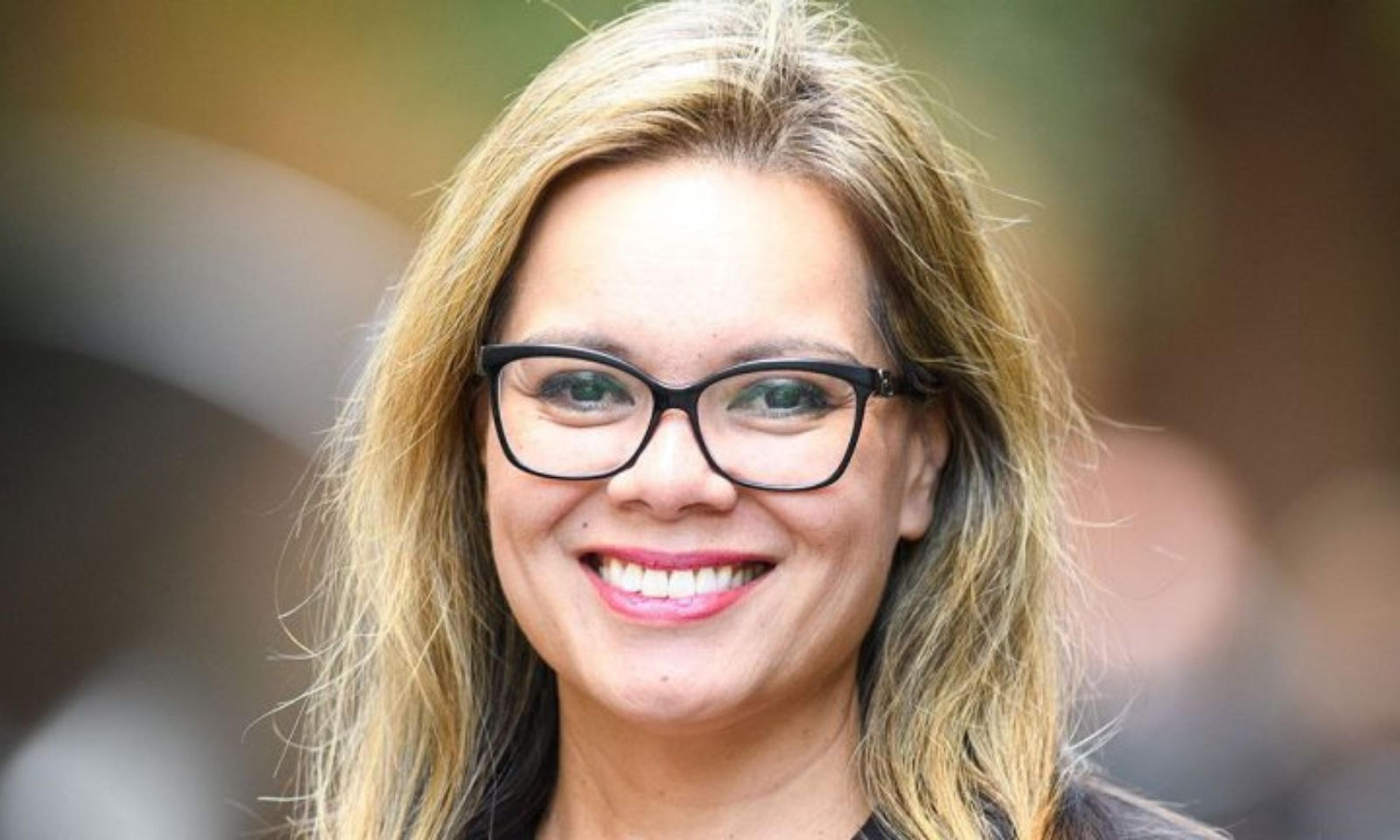
A seat at the table: Former BSA member Pulotu Tupe Solomon-Tanoa’i argues that the decision to scrap the media watchdog is about more than just rules, it’s about whether Pacific voices still have a place in NZ’s democracy.
Photo/University of Auckland
Scrapping the media watchdog isn't just a policy change, it’s a blow to Pacific voices who fight to be heard, writes Pulotu Tupe Solomon-Tanoa’i.

Wednesday’s announcement that the Broadcasting Standards Authority (BSA) will be abolished marks a significant moment for the regulation of New Zealand’s media landscape and raises important questions about how decisions of this scale are made, and whose voices shape them.
I served on the BSA from 2021 to 2025, having been appointed following a community consultation process. That experience gave me a first-hand view of its role and value.
In my view, the announcement is a significant loss for our communities - not because institutions should never change, but because the process of change, and whose voices are heard, matter as much as the decision itself.
The need for media reform is not new. Since 2021, successive governments have looked at how to update the Broadcasting Act 1989 and wider media regulation, building on discussions dating back to at least 2010. Over that time, significant changes to the regulatory framework were explored, including how institutions like the BSA might operate in a modern media environment. Technology has transformed how content is consumed. The media landscape has changed. Reform has been needed for some time.
But meaningful reform is typically the product of careful policy work, consultation, and public engagement. After three years of that work, the reform programme was reported as being put on hold last year, with no clear pathway forward.
Against that backdrop, the decision to abolish the BSA following recent controversy involving a BSA decision raises questions about process and consistency.
Independent Crown entities play an important role in our constitutional framework. They are designed to make difficult, and sometimes unpopular, decisions at arm’s length from political pressure. That independence depends on confidence that those decisions will be tested through established processes - not by perceptions that the institution’s continued existence could be influenced by individual decisions.
But even beyond the future of one regulator, I believe there is a broader issue at stake: whose voices are heard and whose voices are acted on?
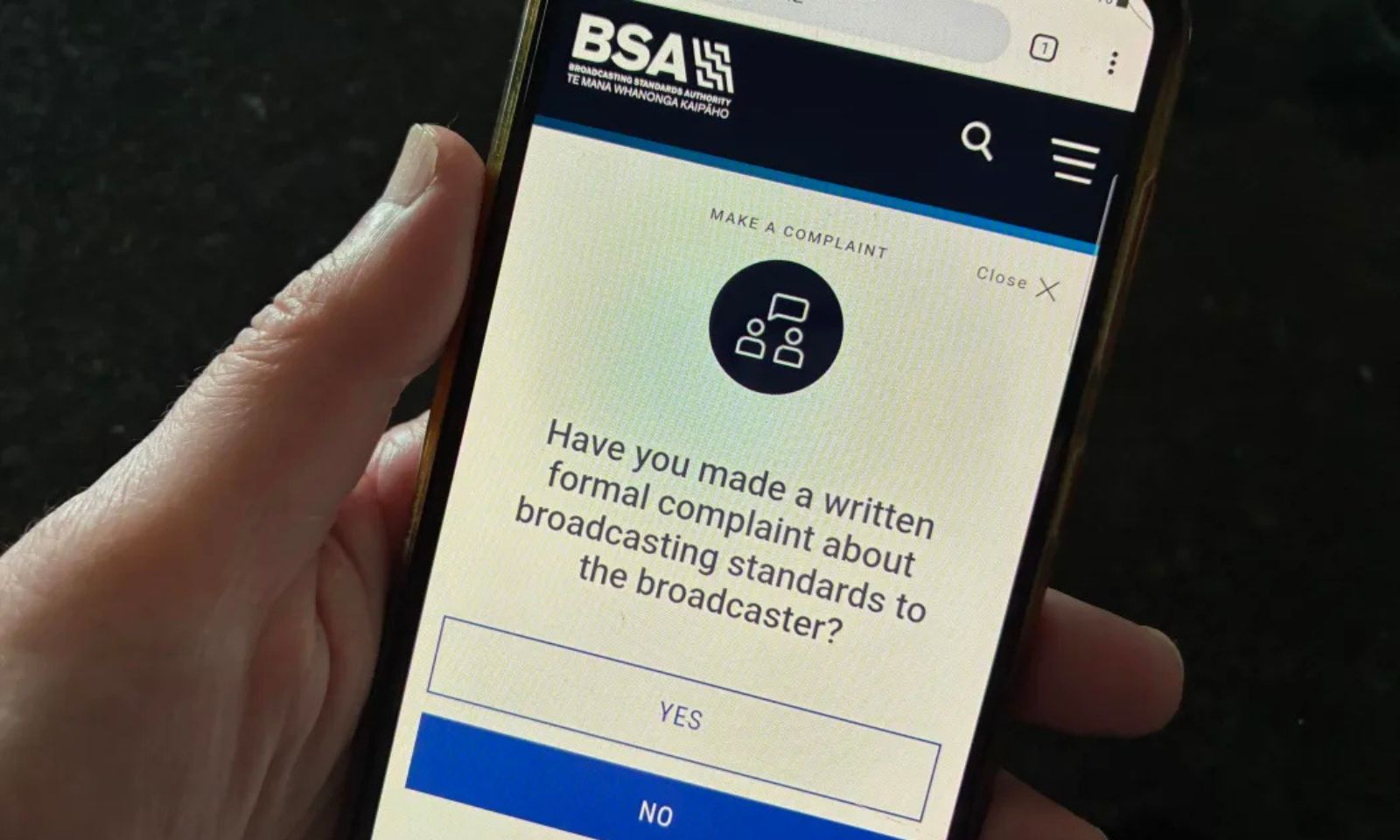
With trust in public institutions falling, the removal of independent regulators raises urgent questions about how genuine the government is when it asks the community for its views. Photo/RNZ/Nik Dirga
Across major issues that go to the heart of who we are as a country, New Zealanders continue to show up. They attend hui, participate in consultation processes, march in large numbers, and submit their views in such volume that parliament’s website has at times struggled to cope.
And yet, many are left questioning whether that participation still carries weight. Too often, it can feel as though some voices are treated as urgent, while others are set aside.
We are living in a time when trust in public institutions has been reported as declining. That trust is built not only on outcomes, but on process. It’s been my observation that people can live with decisions they disagree with when they believe they were heard, evidence was considered, and engagement was genuine. But when participation feels like a box-ticking exercise and responsiveness appears selective, trust begins to erode.
And let’s be clear, consultation also has a cost. Most people do not have spare hours to write submissions, attend meetings, or repeatedly explain their lived experience to decision-makers. But many people do it because they care deeply about the decisions being made on their behalf. Engaging means time away from work, whānau, communities, and already stretched lives.
Listen to Pulotu Tupe Solomon-Tanoa'i's full interview with William Terite on Pacific Mornings below.
When institutions invite that participation, the least they owe in return is to listen carefully, respond thoughtfully, and demonstrate how those voices have informed the outcome.
This goes to the kind of democracy we want to be. I think it’s one where participation counts and where people believe their voice can matter.
If that belief is lost, many will disengage altogether. And that would be a loss for all of us.
Pulotu Tupe Solomon-Tanoa’i is an executive leader and legal professional. She served on the Broadcasting Standards Authority from 2021 to 2025 and is the host of the chat show 'Talanoa with Tupe'. She is a recognised advocate for diversity and inclusion in New Zealand governance.