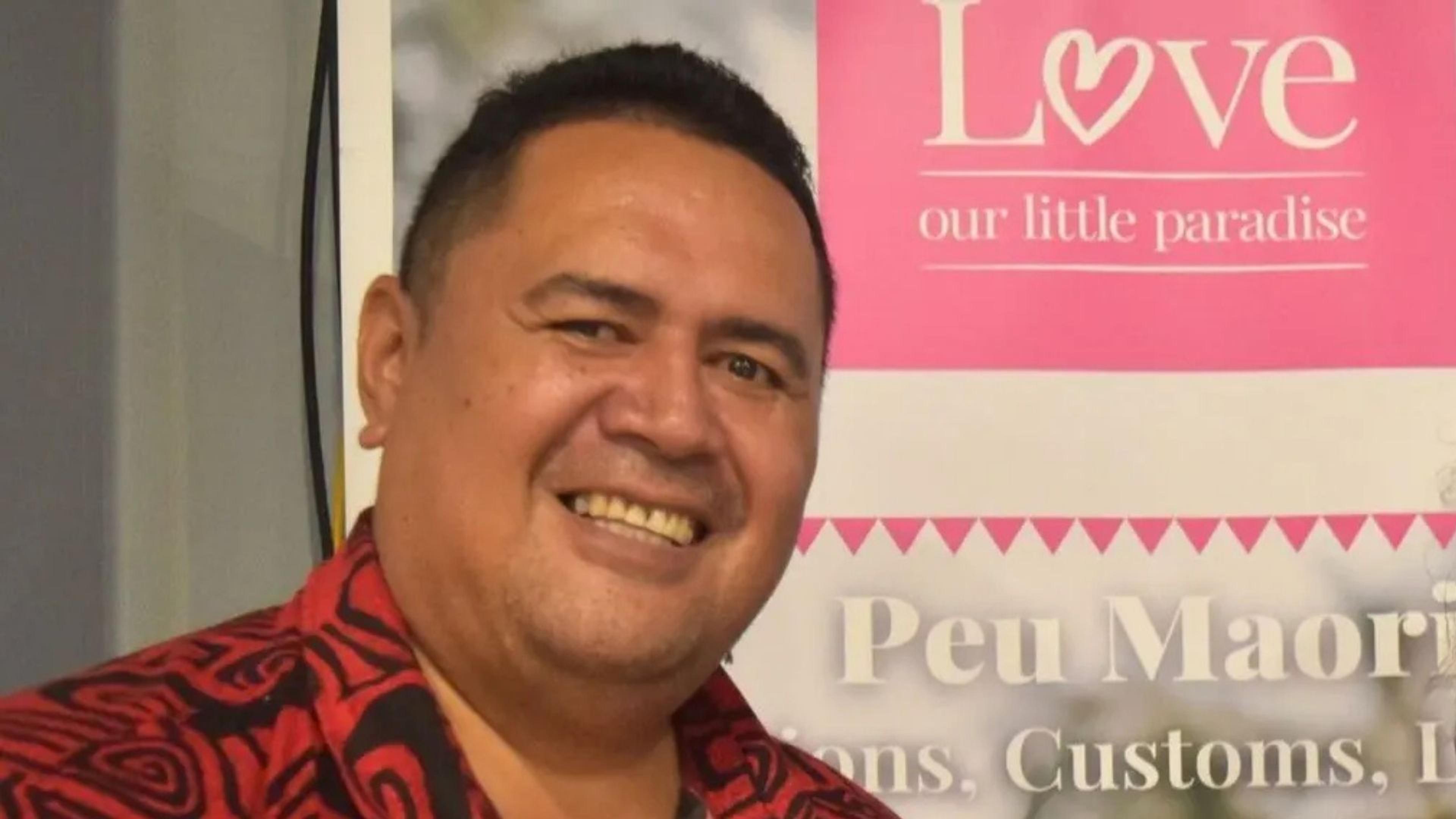
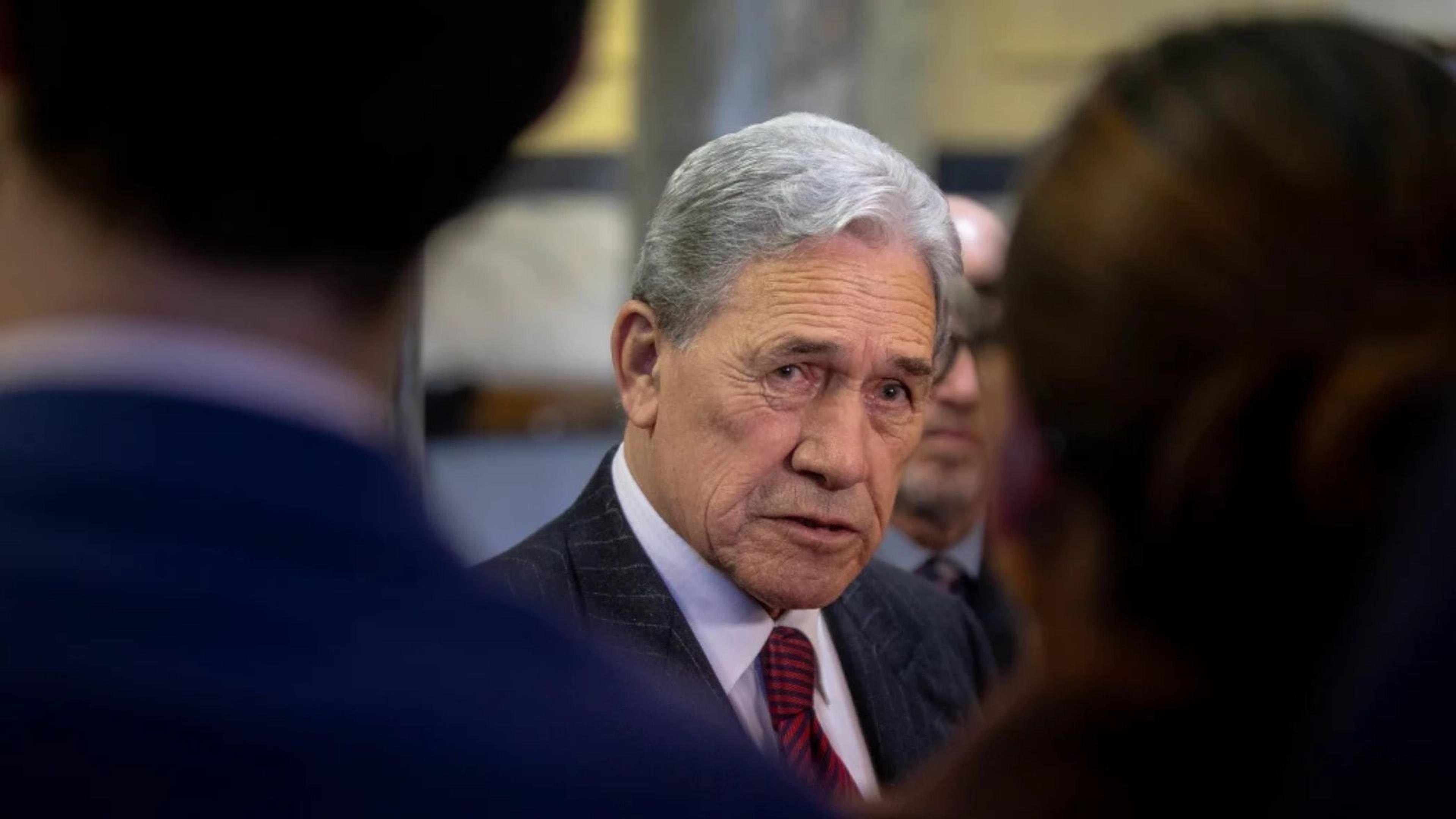
New Zealand First leader Winston Peters is backing a policy that would require people to become New Zealand citizens to access NZ Super and vote.
Photo/RNZ/Mark Papalii
Politics
Winston Peters backs NZ citizenship test for Super and voting as Pacific impact unclear
The NZ First leader says only citizens should qualify for superannuation and voting rights from 2029 but he does not know how many Pasifika people could be affected.

PMN News
Published
08 September 2026, 10:52am
Share
Copy Link
Top stories


Auckland teen turns a trip to Fiji into a mission to fight period poverty
Elenoa TuragaiviuThu, 15 Oct
Top stories
Auckland teen turns a trip to Fiji into a mission to fight period poverty
Elenoa TuragaiviuThu, 15 Oct
New Zealand First leader Vaovasamanaia Winston Peters says people should have to become New Zealand citizens to access superannuation and vote.
His comments comes as the party takes a harder line on who should qualify for key rights and entitlements ahead of the general election.
NZ First formally announced on 6 September that, if elected, only New Zealand citizens would be eligible for NZ Super from 2029.
But in an interview on Pacific Mornings, Peters could not say how many Pacific people living in Aotearoa as permanent residents could be affected.
Asked by host William Terite how many Pacific people the policy would impact, Peters replied: “No, I don't.”
Ministry of Social Development (MSD) data shows 30,426 people who identified as Pacific people were receiving NZ Super in the June 2026 quarter.

Pacific people make up 3.5 per cent of NZ Super recipients where ethnicity is recorded, according to MSD data. Photo/PMN News/Photo/Aui'a Vaimaila Leatinu'u
The ministry said this made up 3.5 per cent of NZ Super recipients where ethnicity was recorded.
But MSD says it does not have data showing how many people receiving NZ Super would be affected by NZ First’s proposed citizenship requirement.
The policy would apply to permanent residents who are not New Zealand citizens, a group that includes people from across the Pacific who may have lived, worked and paid taxes in Aotearoa for many years.
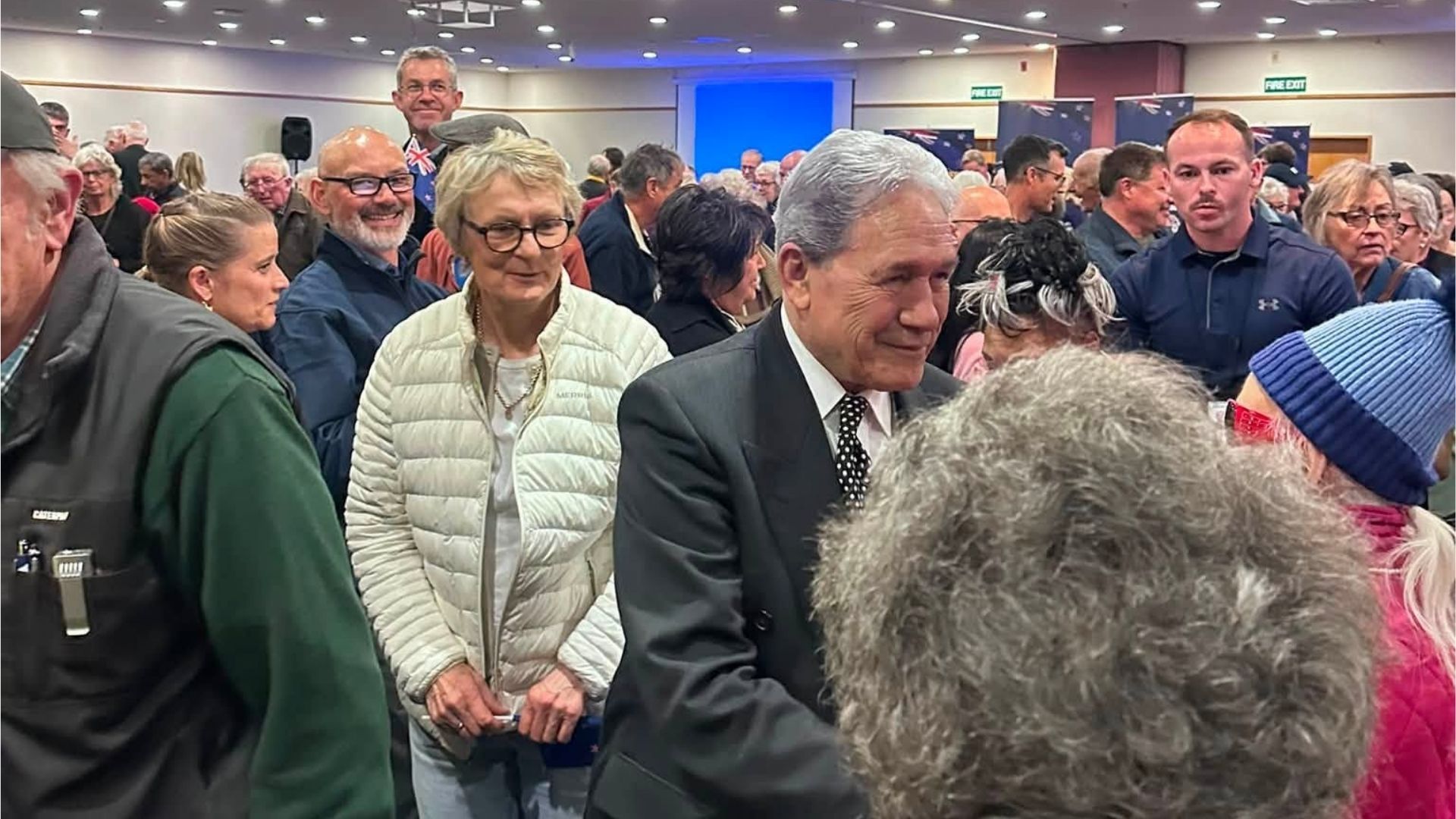
Winston Peters meets supporters at a New Zealand First rally in Hamilton on Monday as the party campaigns ahead of the general election in November. Photo/Facebook/NZ First
Peters defended the policy, saying people in Pacific countries would understand the idea.
“The only people who are surprised by this are New Zealanders who think that this was the case already,” he said.
When asked about people who may not want to give up citizenship of their Pacific country, Peters said dual citizenship could be an option.
“In the case of Fiji, they will be able to keep their New Zealand citizenship but they'll have perhaps a dual citizenship. That's up to Fiji to decide.”
Peters has previously defended the proposal by pointing to dual citizenship arrangements in Pacific countries.
“The great thing about the Pacific countries is they're allowed to have dual citizenship. They'll have no difficulty in doing this at all,” he said in July.
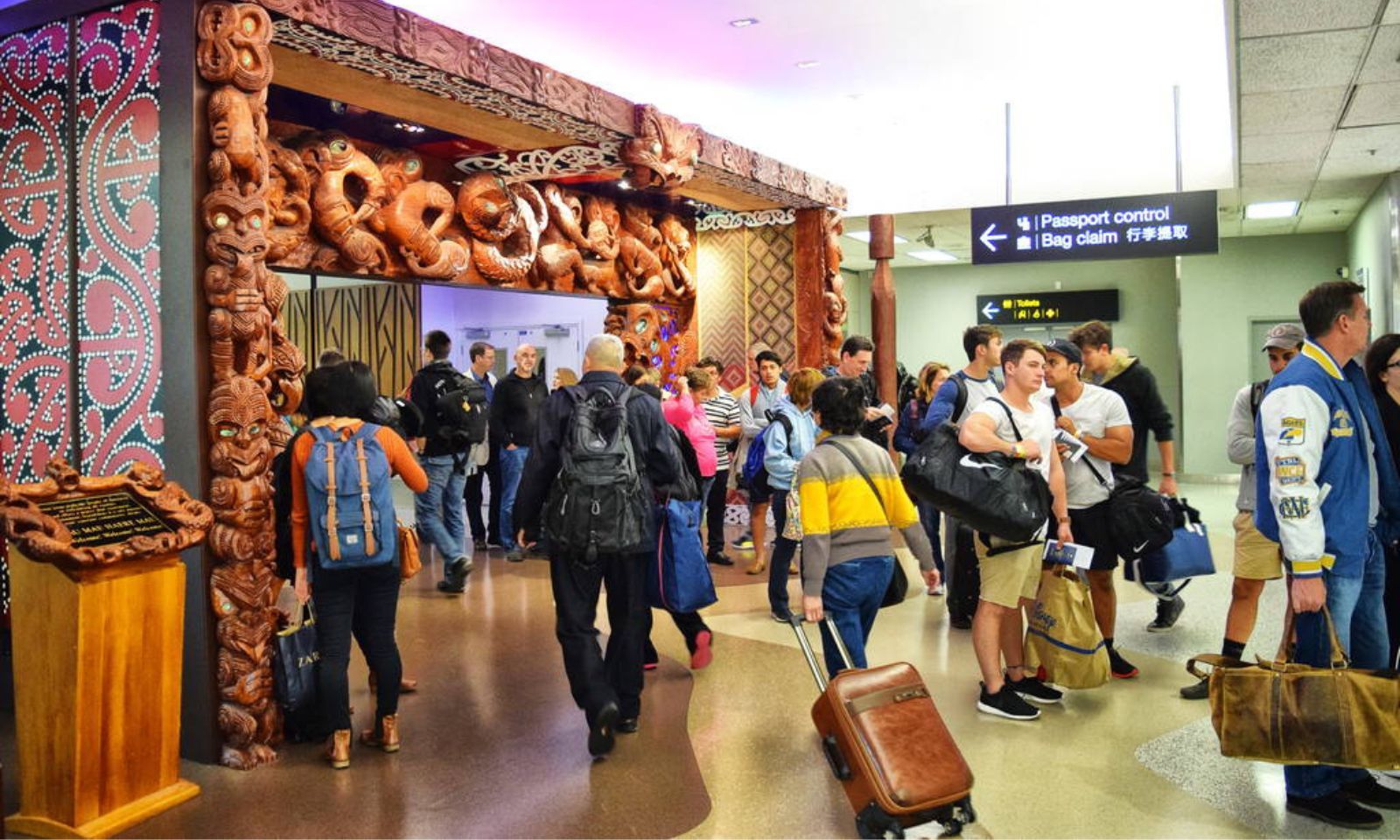
Migrants arriving in New Zealand face questions over how proposed citizenship rules could affect their rights and access to government entitlements. Photo/NZ Pocket Guide
Fiji does allow dual citizenship under its Citizenship Act. Its Ministry of Immigration says a person can be “both a Fijian citizen and a citizen of another country”, although the rules of the other country also need to be checked.
Fiji's Ministry of Foreign Affairs also says former Fijian citizens, who have become naturalised citizens of another country, can apply to regain Fijian citizenship.
Peters said the NZ First policy was not about cutting costs if permanent residents chose to become citizens.
“We're not talking about making savings here because if they all sign up to be New Zealanders citizens, there won't be any savings,” he said. “All we're saying is that you need to sign up to New Zealand.”
But June Ranson, an immigration expert and Woburn International chief executive, the proposal goes too far.
She says many migrants who arrive in New Zealand later in life are highly skilled, pay taxes and KiwiSaver, and should receive something in retirement.
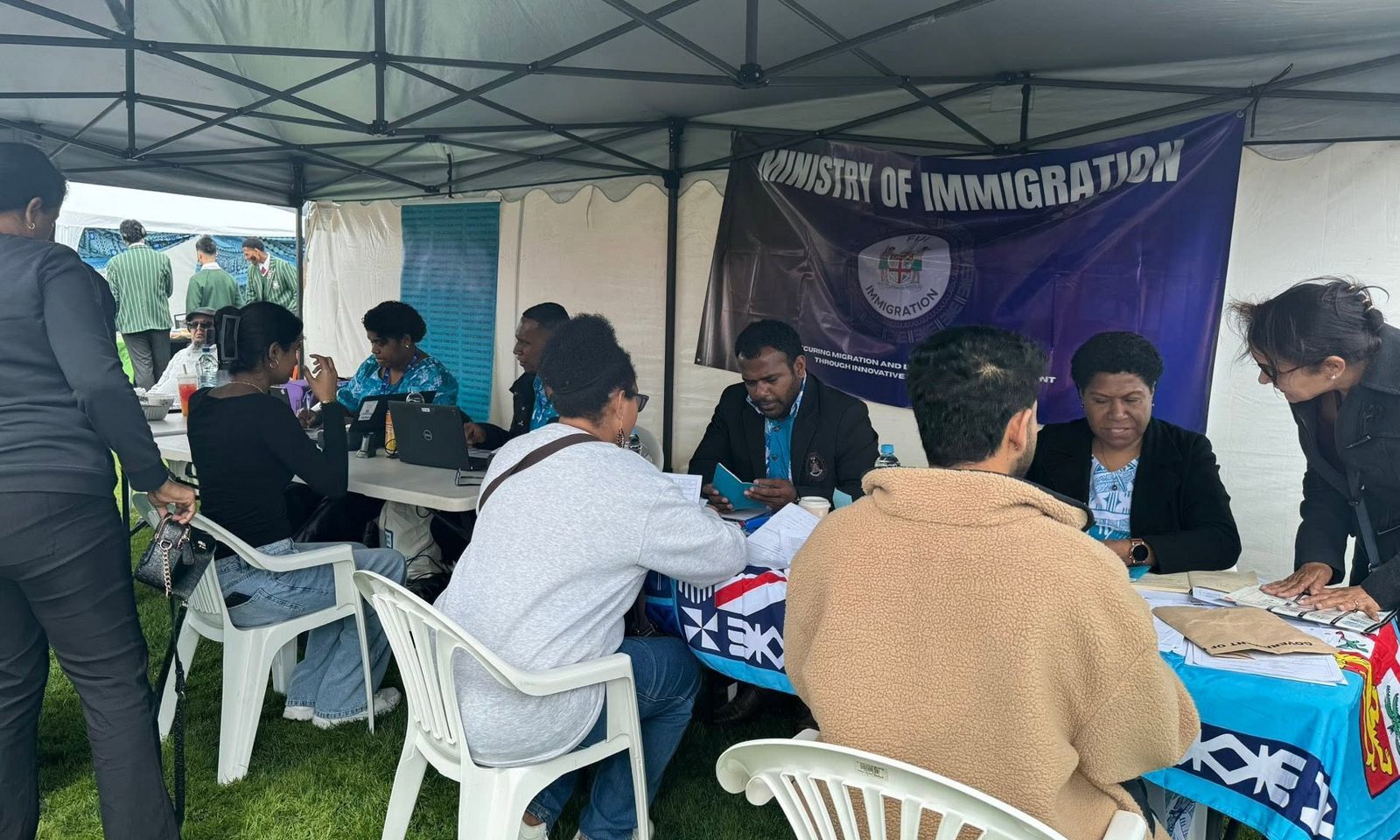
Fijians considering moving to New Zealand are among those who could be affected by proposed changes to citizenship and access to NZ Super. Photo/PMN Fiji
“No, I don't like the idea of the citizenship,” Ranson told Newstalk ZB. “You've got a lot of people who are working for New Zealand companies because they're highly skilled.”
Ranson said the bigger issue was how to distinguish between migrants who have worked and contributed in Aotearoa and those who have not.
“There's nobody anything definitive to distinguish the difference between those that have been legitimately working in this country and deserve that as opposed to those that haven't. That's where there needs to be a change.”
The issue is likely to be closely watched by Pacific communities as parties prepare for the election, with many Pacific families having strong links to both Aotearoa and their home countries.
Peters also defended NZ First's position on the cost of superannuation, saying the number of people arriving in New Zealand had increased significantly over the past two decades.
“But the reality is, we have brought 650,000 in the last 20 years.”
Watch Winston Peters' full interview below.
He then said the cost of superannuation involving immigrants had risen from $500 million to $1 billion over the past decade.
The interview comes as New Zealand First continues to campaign on policies aimed at tightening the rules around citizenship, voting, and access to government entitlements.
The debate is likely to come down to a practical question for Pacific communities: what happens to people who have built their lives in Aotearoa, worked and paid taxes here, but have kept their citizenship of their Pacific homeland?
For now, Peters' answer is clear. They would need to become New Zealand citizens.