

NZ First Leader Winston Peters (left) and Green MP Teanau Tuiono.
Photo/Facebook/PMN Composite
Politics
NZ voting rights draw concerns over impact on Pacific communities
The Green Party says the proposal would silence some Pacific permanent residents while NZ First argues voting should be reserved for citizens.

Aui'a Vaimaila Leatinu'u
Published
08 July 2026, 3:03pm
Share
Copy Link
Top stories
World Vision warns children will pay for aid cuts beyond the Pacific
Thomas Tarurongo WynneMon, 12 Oct

Mate Ma’a Tonga’s 40-year legacy lives on through generations
Elton Lonaratha JnrMon, 12 Oct
Top stories
World Vision warns children will pay for aid cuts beyond the Pacific
Thomas Tarurongo WynneMon, 12 Oct
Mate Ma’a Tonga’s 40-year legacy lives on through generations
Elton Lonaratha JnrMon, 12 Oct
Growing numbers of Pacific migrants could have to wait years longer to vote under a proposed New Zealand First policy that would limit voting rights to citizens of Aotearoa.
NZ First recently announced their "Citizens Only Voting" proposal as part of the party’s election campaign, which would remove voting rights from permanent residents until they become New Zealand citizens.
Under current law, permanent residents who have lived continuously in Aotearoa for at least a year and whose visa does not require them to leave within a certain time are eligible to vote.
If NZ First's proposal is adopted, those residents would instead have to wait until they qualify for citizenship, which is generally after five years.
Speaking with William Terite on Pacific Mornings, Green Party MP Teanau Tuiono says the proposal could disproportionately affect Pacific communities.
“It's just them doing their racist thing again. The question I have is how many of those permanent residents are actually Pacific Islanders? How will this impact our people negatively?” Tuiono says.
Listen to Teanau Tuiono’s full interview below.
He said the proposal would reduce the political voice of Pacific migrants.
“I would imagine, preventing us from having our voice, preventing us from being able to participate in the democratic system as well. I would encourage our people to become aware of these issues. So now they're making a big play for the Pacific votes.
"It's all good to be able to show up to our places and say they support the Pacific. But then all of a sudden, 'here's a policy which is going to take away people's right to vote'. I think they need to be held to account for that."
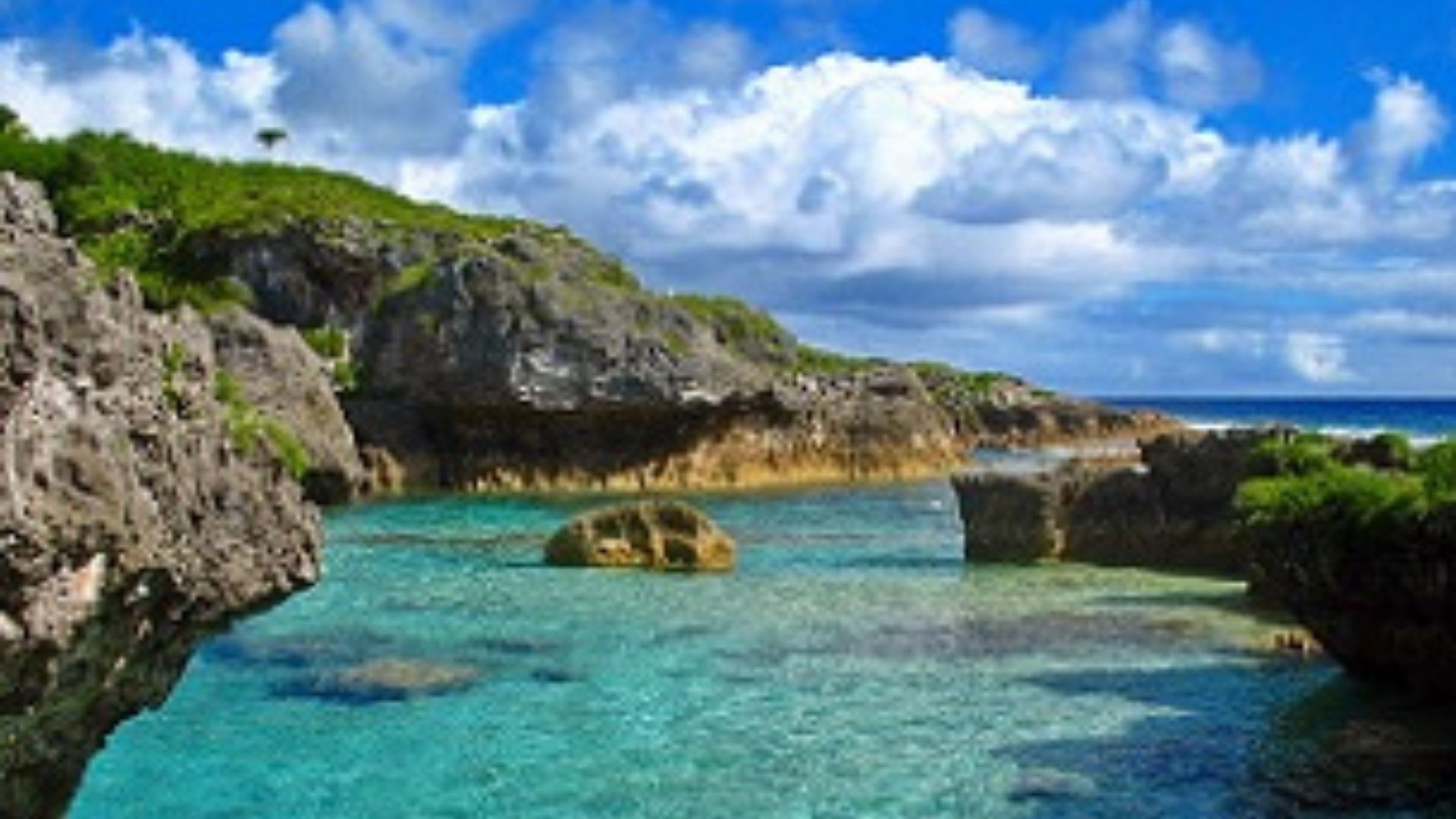
Niue is a Realm Country of New Zealand. Photo/pipap.sprep.org
The proposal would not affect people from the Cook Islands, Niue and Tokelau, whose citizens are New Zealand citizens through the Realm of NZ.
In a statement to PMN, a New Zealand First spokesperson rejected the Greens' criticism.
The party said permanent residents who wanted to vote could become New Zealand citizens and that this was not an unreasonable expectation.
"It is both a duty and a privilege to be a citizen of any country. It comes with responsibilities as well as the many rights it affords - voting should be one of them."
The spokesperson said New Zealand is one of only a small number of countries that allows non-citizens to vote in national elections and argued the law should be brought into line with international practice.

Data from 2014 to 2016, only 54 percent of migrants who have lived in the country for less than five years casted a ballot. Photo/Unsplash
"All of the other countries that permanent residents have come from do not allow non-citizens to vote, including all of the Pacific Island nations."
According to data from the 2014 New Zealand General Election and 2016 General Social Survey (GSS), migrant voter participation increases the longer people live in New Zealand, rising from 54 per cent among migrants who had lived in the country for fewer than five years to 89 per cent among those who had resided in Aotearoa for at least 15 years.
Furthermore, the Elections New Zealand Voter Turnout Statistics, saw the 2023’s election result in a total of 3,688,292 enrolled voters nationwide. Of that pool, 2,858,896 actual votes were cast, yielding a final voter turnout metric of 77.51 percent.
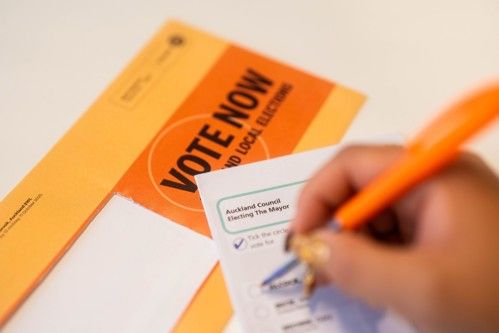
This year’s general election takes place on Saturday, 7 November. Photo/Auckland Council
The proposal would require legislative change if New Zealand First forms part of the next government after the upcoming general election.
This year’s general election takes place on Saturday, 7 November, with advance voting opening on Monday, 19 October. For more information, visit the Electoral Commission’s website.