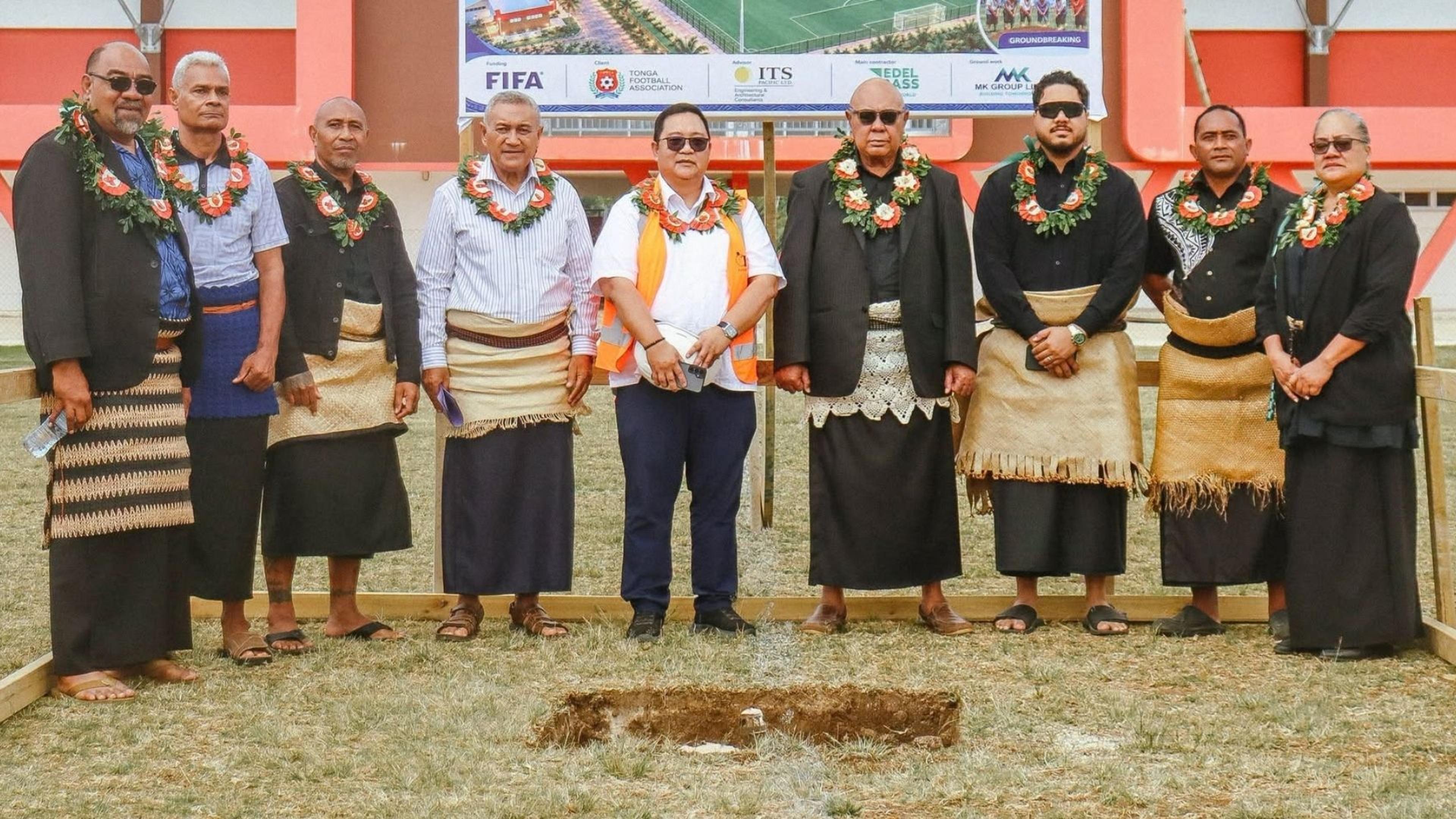
Tongan workers in line for jobs as FIFA-backed soccer turf takes shape
Elton Lonaratha JnrThu, 08 Oct
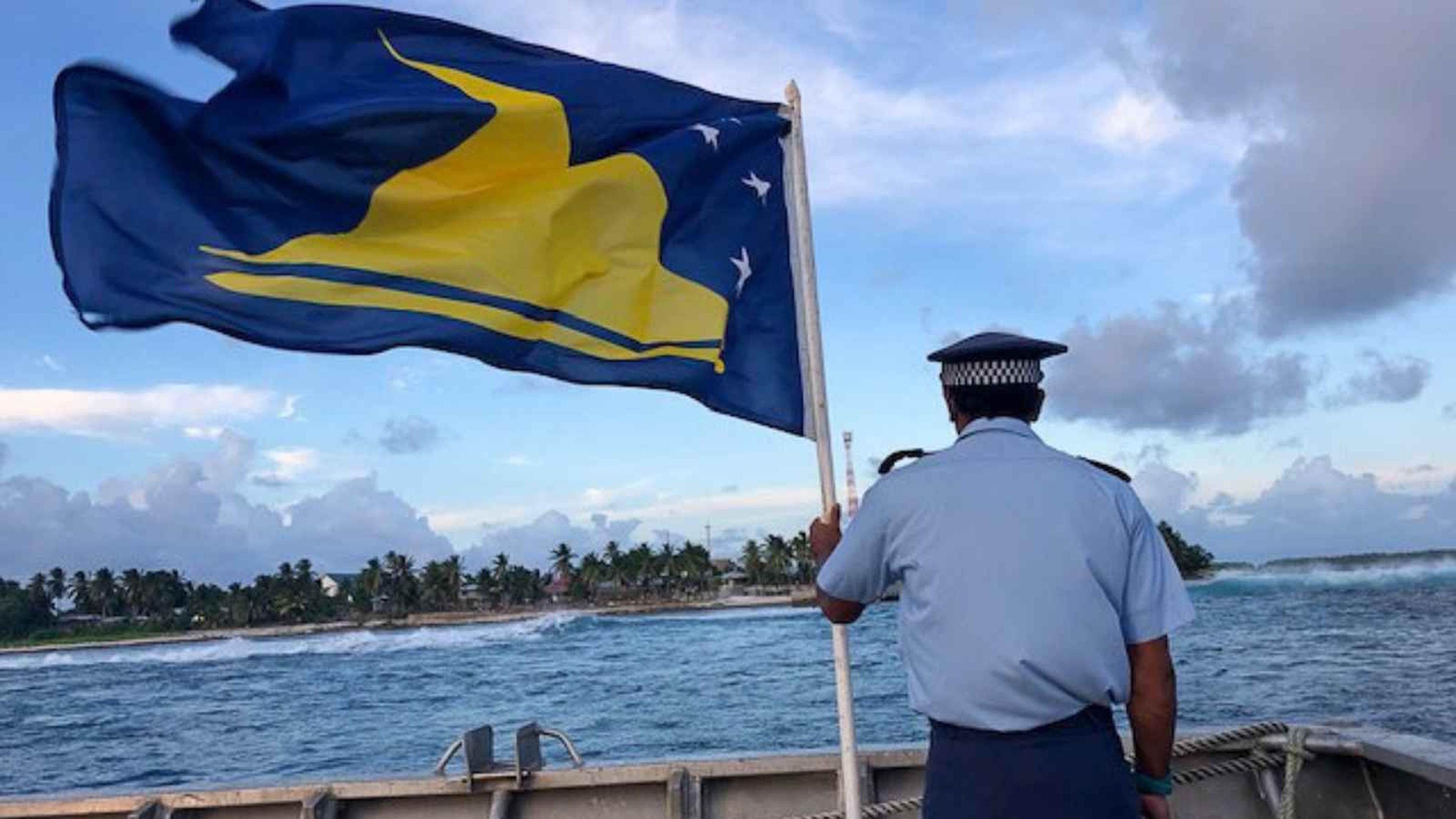
Tokelau is a non-self-governing territory of New Zealand located in the South Pacific, composed of three coral atolls (Atafu, Nukunonu, Fakaofo) with a population of approximately 1,600.
Photo/Supplied
A delayed election in the Pacific nation has renewed debate over New Zealand’s decision to scrap a proposed runway.

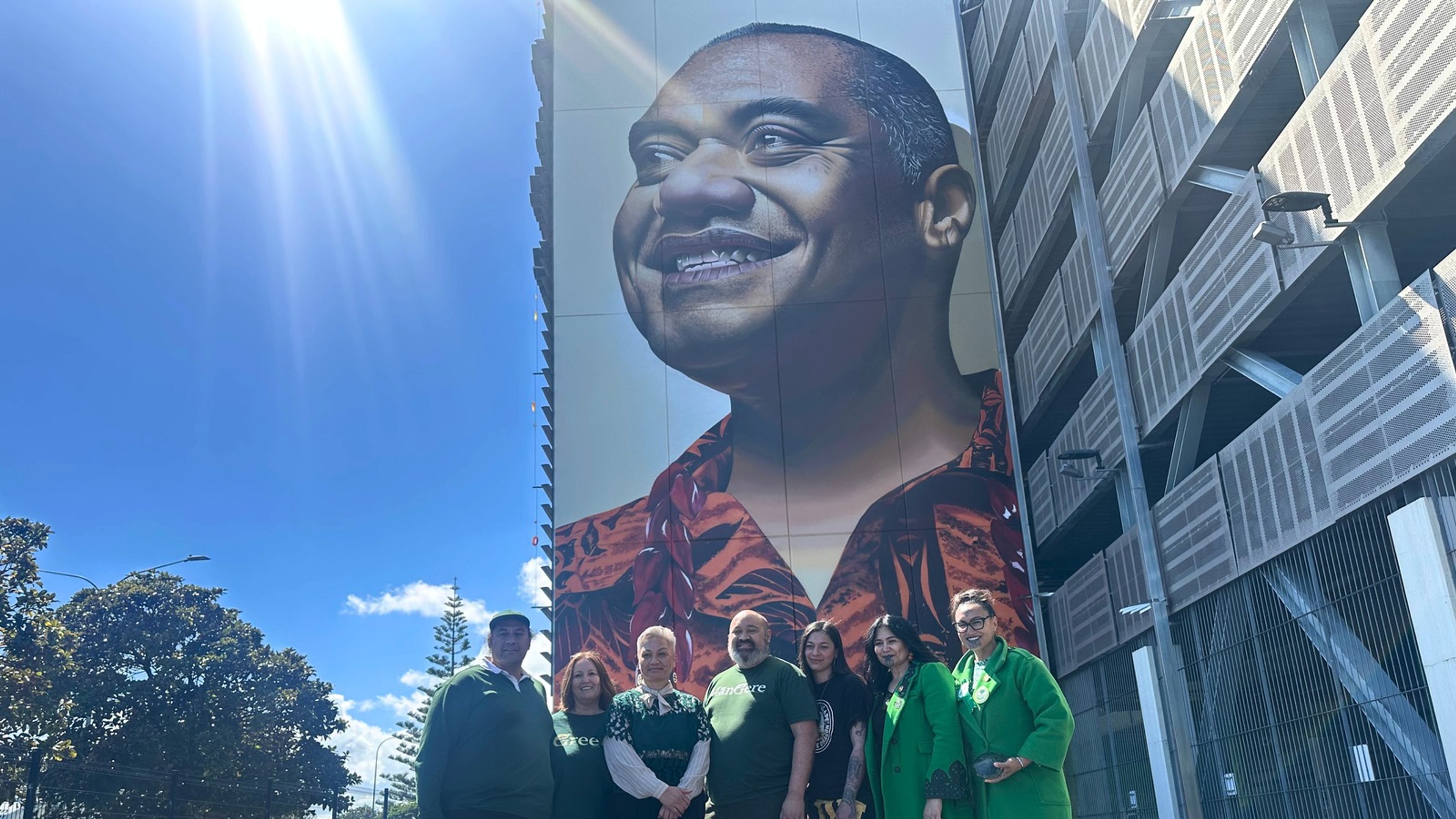


Tokelau’s general election has been postponed after transport disruptions prevented voting materials from reaching the territory.
The delay has exposed the ongoing challenges faced by Pacific communities that rely entirely on sea travel - reigniting debate over New Zealand’s decision to scrap a proposed runway for Tokelau.
Supporters have reportedly stated that the project could have reduced the territory’s vulnerability to weather-related disruptions.
The election was scheduled for 29 January, but severe weather conditions disrupted ferry services carrying ballot materials to Tokelau. A new polling date is yet to be confirmed.
The incident has highlighted the territory’s heavy reliance on maritime transport, with no airport available as a backup when sea conditions deteriorate. Travel to and from Tokelau depends entirely on shipping routes that can be delayed for days or weeks.

Current 'Ulu o Tokelau (head of Tokelau government) His Excellency Esera Fofō Filipo Tuisano. Photo/Supplied
Green Party Foreign Affairs spokesperson Teanau Tuiono told Pacific Mornings that the situation signals a need for reliable and consistent transport connections across the Pacific.
“It's really important that we actually can maintain those connections within the Pacific realm themselves,” Tuiono says.
RNZ Pacific reports the abandoned Tokelau airport proposal, was scrapped by New Zealand after about NZ$3 million was spent on feasibility and design work.
Listen to Teanau Tuiono's full interview below.
Officials cited high costs and fiscal constraints as reasons for cancelling the project. Tuiono said that while there were differing views about the viability of the airport, the lack of transport connections remains a serious issue for the territory.
He said even where local debate existed, the core problem of isolation had not gone away. “So you've really got to go with the local knowledge. Having said that, $3 million, that's a significant chunk of change.
“What could they have done to actually keep the project going? Because we've actually got to be connected, and an airport would actually help you to do that.”
Tokelau has no airstrip, leaving residents dependent on infrequent shipping services that are often affected by weather and sea conditions.
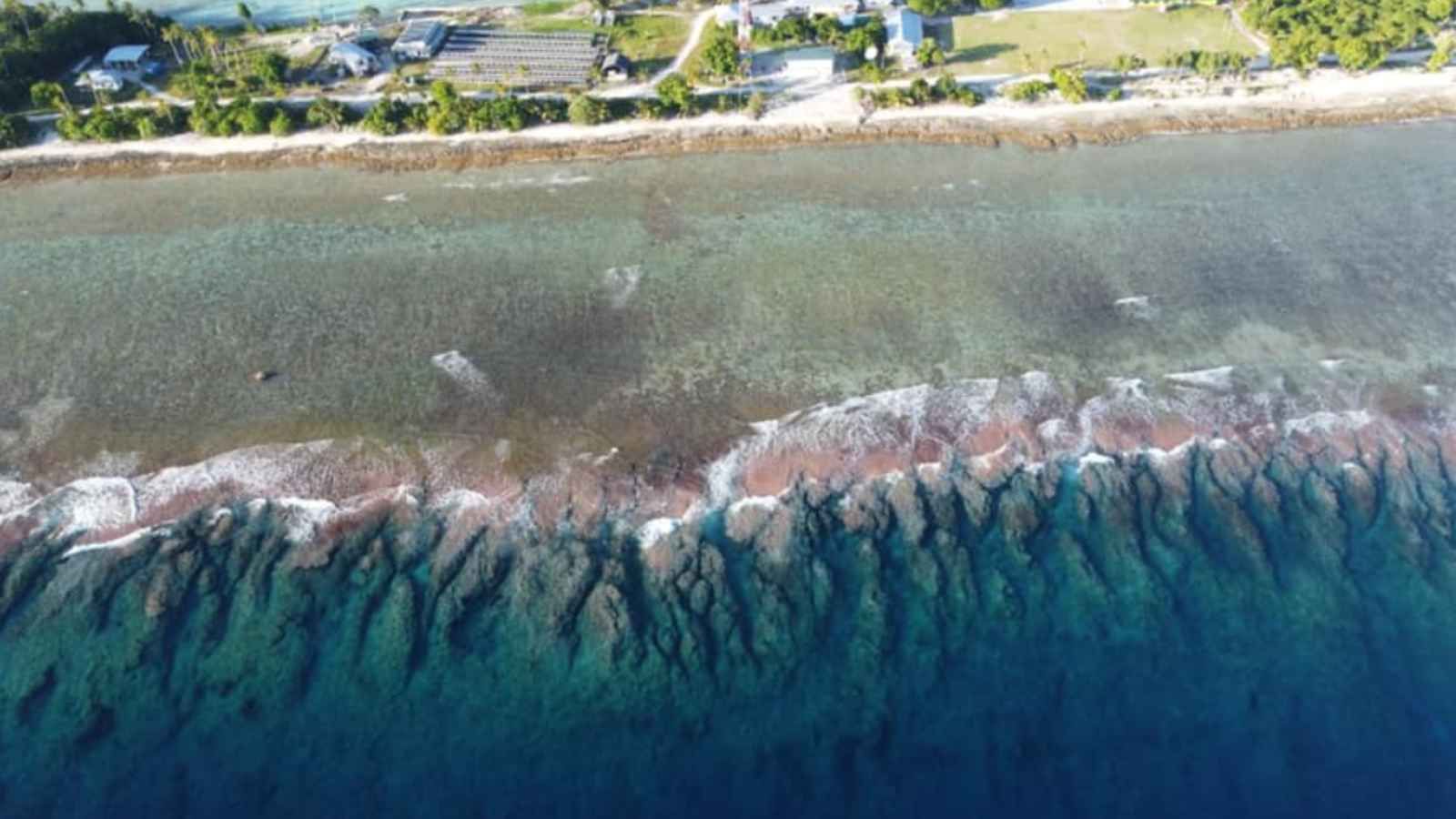
To get to Tokelau, you must first travel to Apia, Samoa, and then take a 24–32 hour journey on the MV Mataliki passenger vessel, which operates roughly every two weeks. Photo/Supplied
The election postponement has become a clear example of how those limitations can disrupt democratic processes and everyday life vulnerabilities
Tuiono suggests alternative solutions should now be considered to improve transport reliability, even if an airport remains off the table.
“Maybe there are other ways to get better and more frequent connections. I think there's a strong argument for better planning for us to get inter-island travel sorted,” he says.
The delayed election has added urgency to calls for long-term transport planning for Tokelau and other remote Pacific communities, where access, participation, and connection remain tightly tied to the reliability of sea routes.