Pacific visa access has become an election battleground as NZ First challenges Labour
Thomas Tarurongo WynneTue, 22 Sep
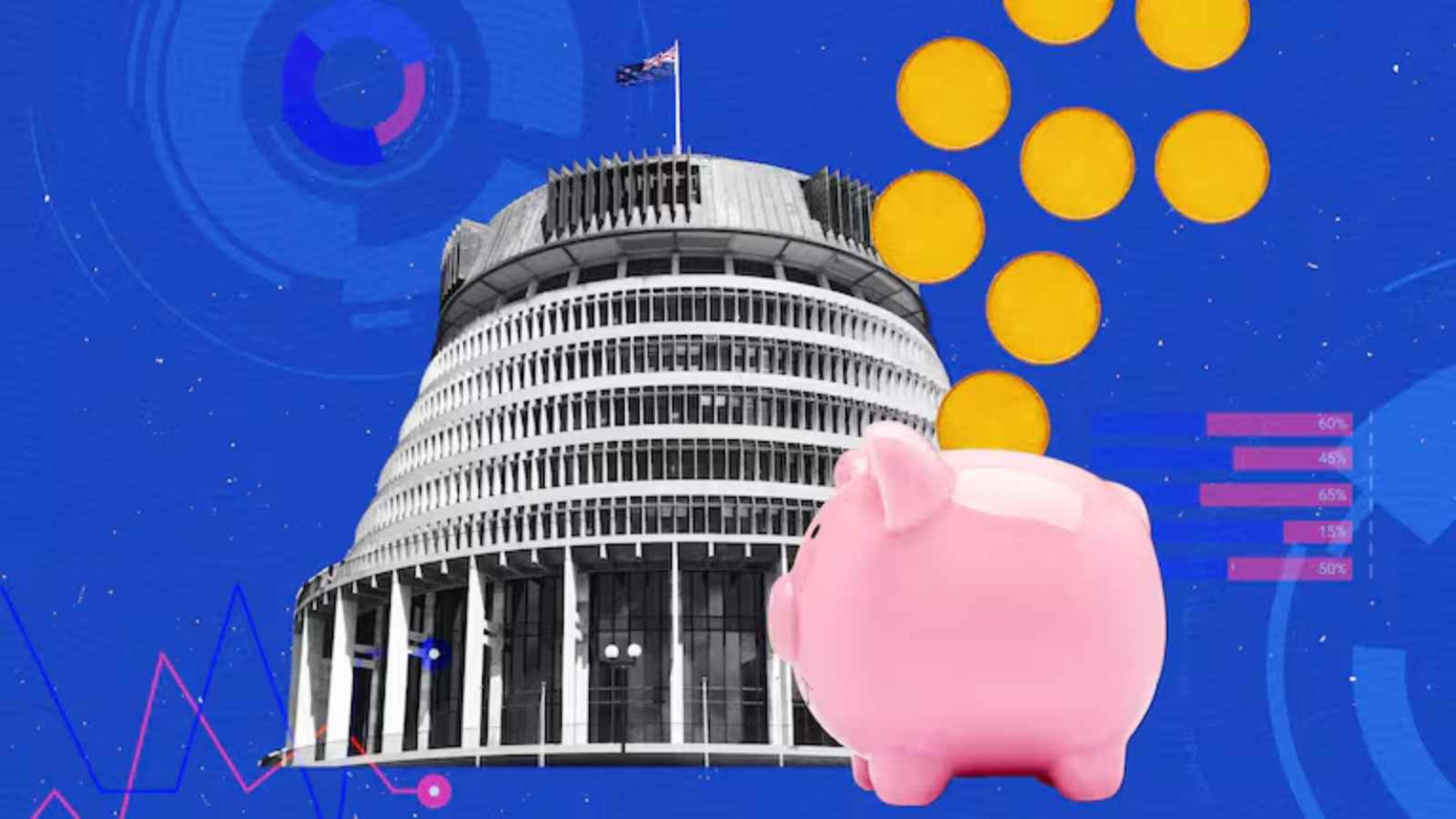
Pacific families sending money home could be losing more than they realise through exchange rate margins, a new bill claims.
Photo/Supplied
A Labour MP says Pasifika households may have been paying far more than they realised to send money home, with a new bill aiming to expose hidden fees and boost competition.

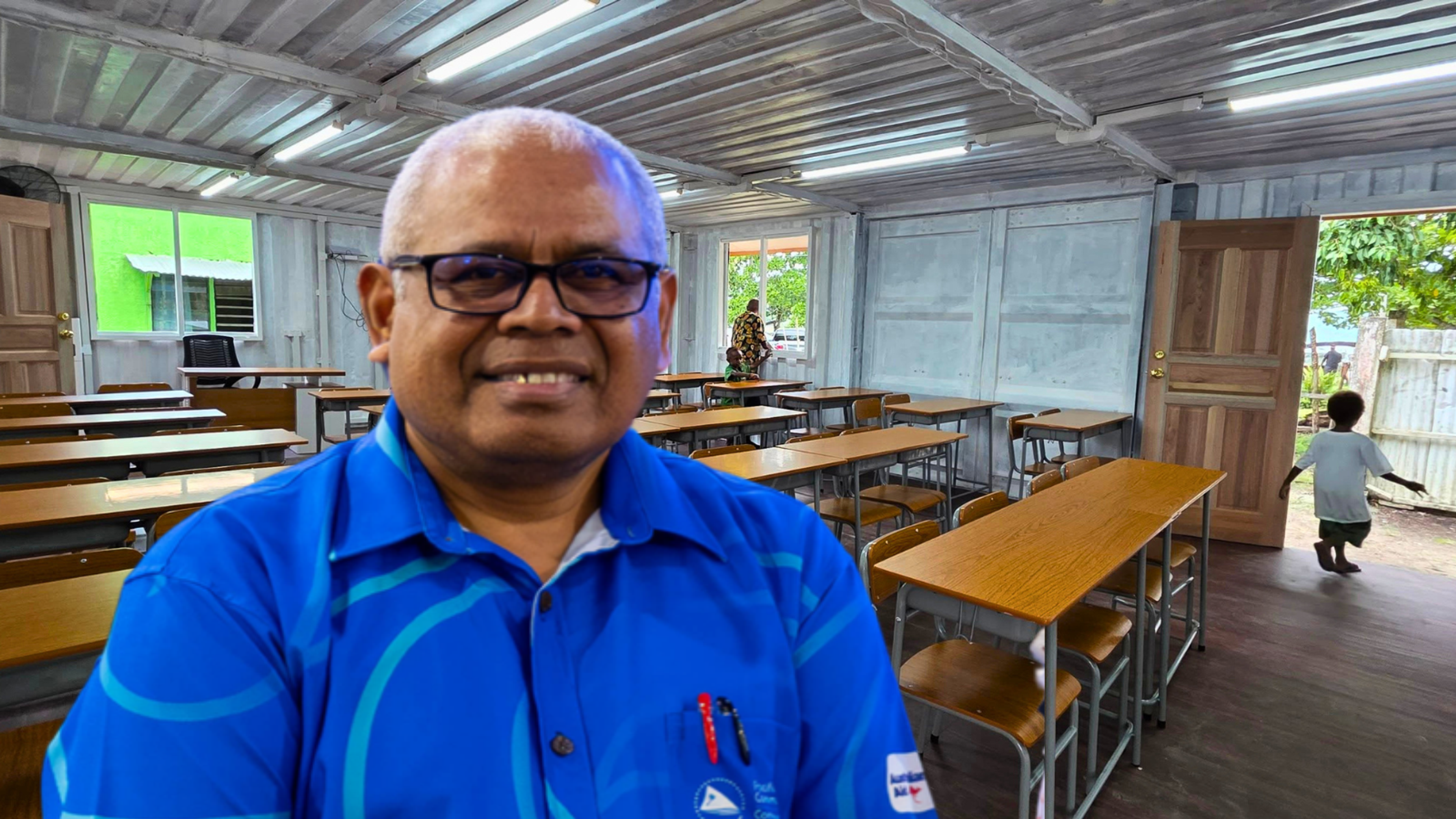
A new Bill moving through New Zealand’s Parliament is promising to blow the whistle on the hidden margins that banks and transfer services use to “tax” the money Pacific families send home.
Labour MP Arena Williams, who is sponsoring the member’s bill, says the current system is built on a lack of transparency that hits Pacific households the hardest.
In an interview on Pacific Mornings with William Terite, Williams says families are often lured in by the promise of “no fees”, only to find their loved ones receive far less than expected once the exchange rate is applied.
“It's unclear at the moment what hidden fees are part of the exchange rate margins,” she said.
“You might have been passed a transfer offering 0 per cent fees or zero fees, but that's not actually true because when you find that you've transferred money to someone back home the amount that will end up with them might not be the same as what you transferred and what you thought.”
The push for the law change came after a heartbreaking case in Williams’ own electorate. An elderly man went to her office for help after trying to send a house deposit to his daughter in the islands.
Listen to Arena Williams' full interview below.
When the money arrived, thousands of dollars were missing.
“He thought he'd been scammed, but that wasn't the case when we found it,” Sepuloni told Terite.
“That was actually the fee that had been charged when he thought he was getting a zero per cent transfer.”
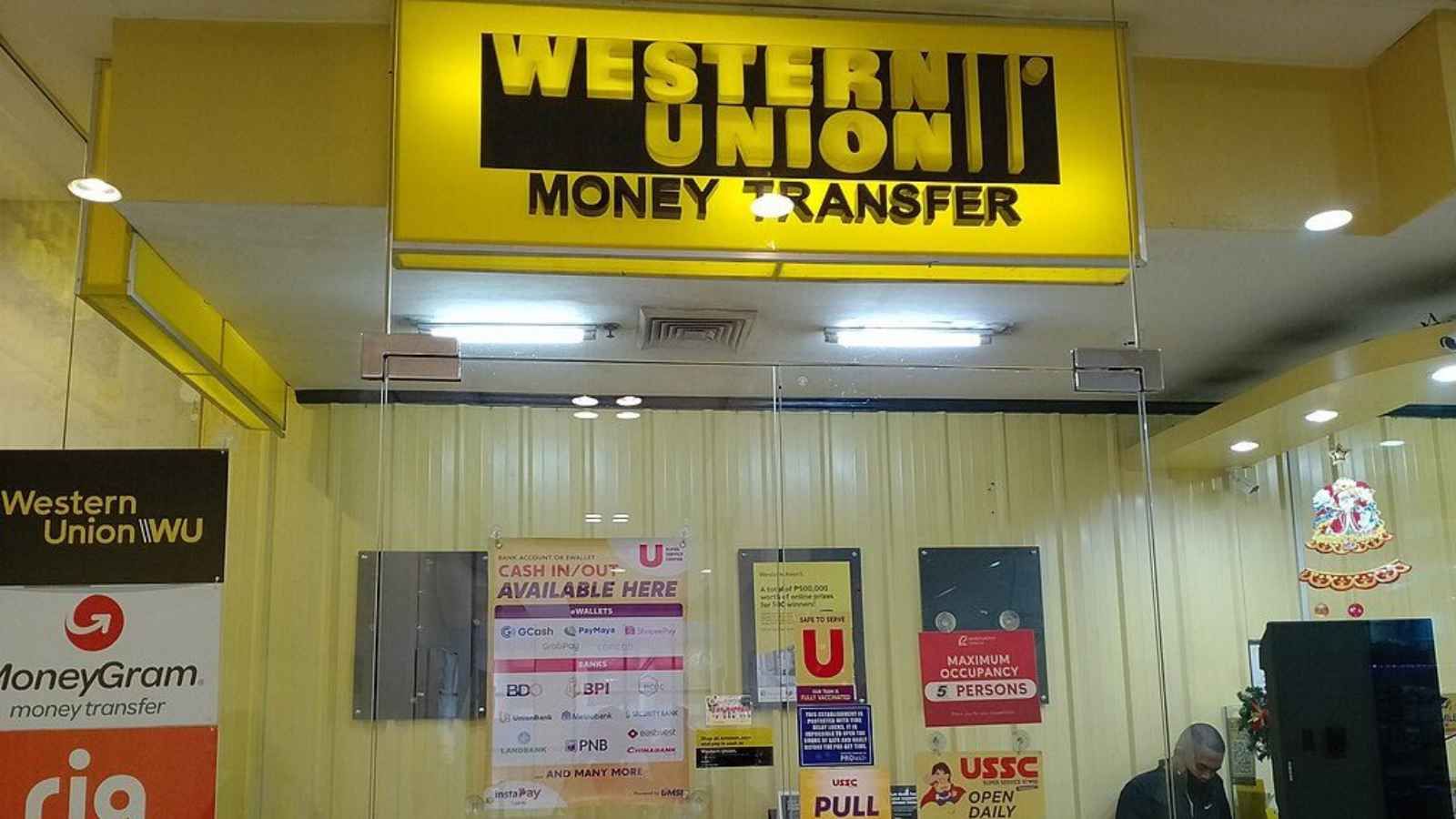
Western Union remains a key remittance service for Pacific communities. Photo/Supplied
For a $200 transfer, some providers might claim there is no fee but then use an exchange rate that is five per cent worse than the market rate.
Over a year of weekly transfers for school fees, church, and family costs, that "hidden" cost can add up to thousands of dollars lost.
The struggle isn’t just local. Liberal senator for New South Wales, Jess Collins, says the cost of sending money from Australia and New Zealand to the Pacific can be as high as 17 per cent.
“If you’re talking $200 that somebody in New Zealand or Australia has sent back to their family, between 10 and 17 percent of that transaction is actually quite a lot of money,” Collins told Terite.
“And if you’re doing that regularly, week on week, it really adds up.”
Williams says Pacific whānau in Aotearoa are often charged more than thise making the same payments in Australia.
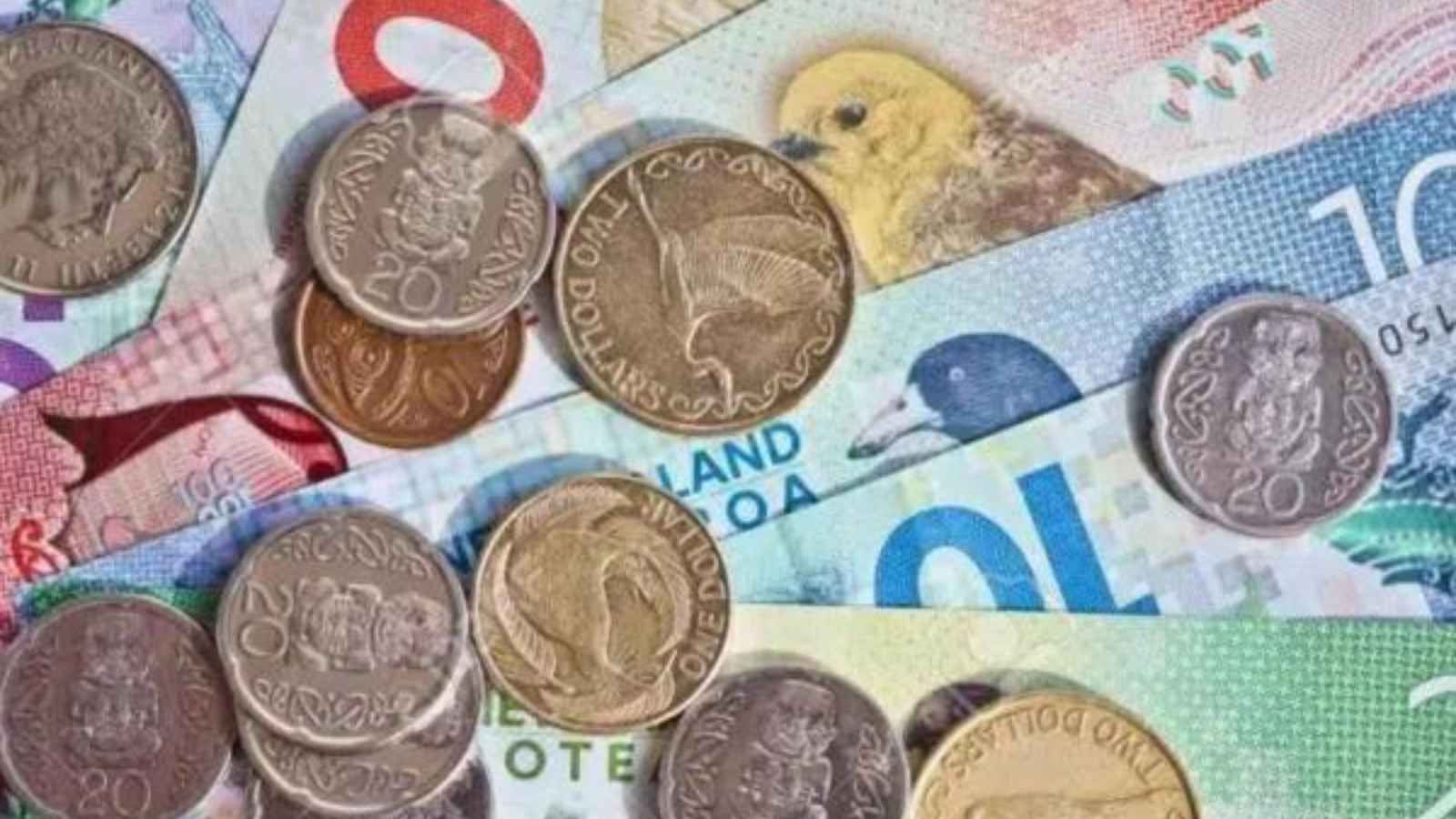
Remittances remain a critical support system across Pacific communities. Photo/Supplied
“It's not fair and it's happening because the prices aren't disclosed in the way that other goods are.”
For countries like Sāmoa, Tonga, and Fiji, these transfers are more than just gifts. They are the backbone of the economy.
In Tonga, nearly half of the national income comes from these remittances.
Senator Collins argues that fixing these fees is “far more effective than foreign aid, because this money goes directly from person to person, family to family”.
While the bill has bipartisan support from most parties, National has signalled it won’t back the move.
The Government argues that its work on open banking and other financial reforms will naturally fix the problem by increasing competition.
Listen to Jess Collins' full interview below.
But Williams says those changes don’t go far enough. “Nothing in their commerce bills prevent fees being charged that are hidden in the foreign exchange spread,” she says.
The bill is now headed to the select committee stage, where Pacific families will have the chance to have their say on how the hidden fees are affecting their lives.