Seymour targets office karakia as Aupito warns of a ‘culture war’
Thomas Tarurongo WynneFri, 23 Oct
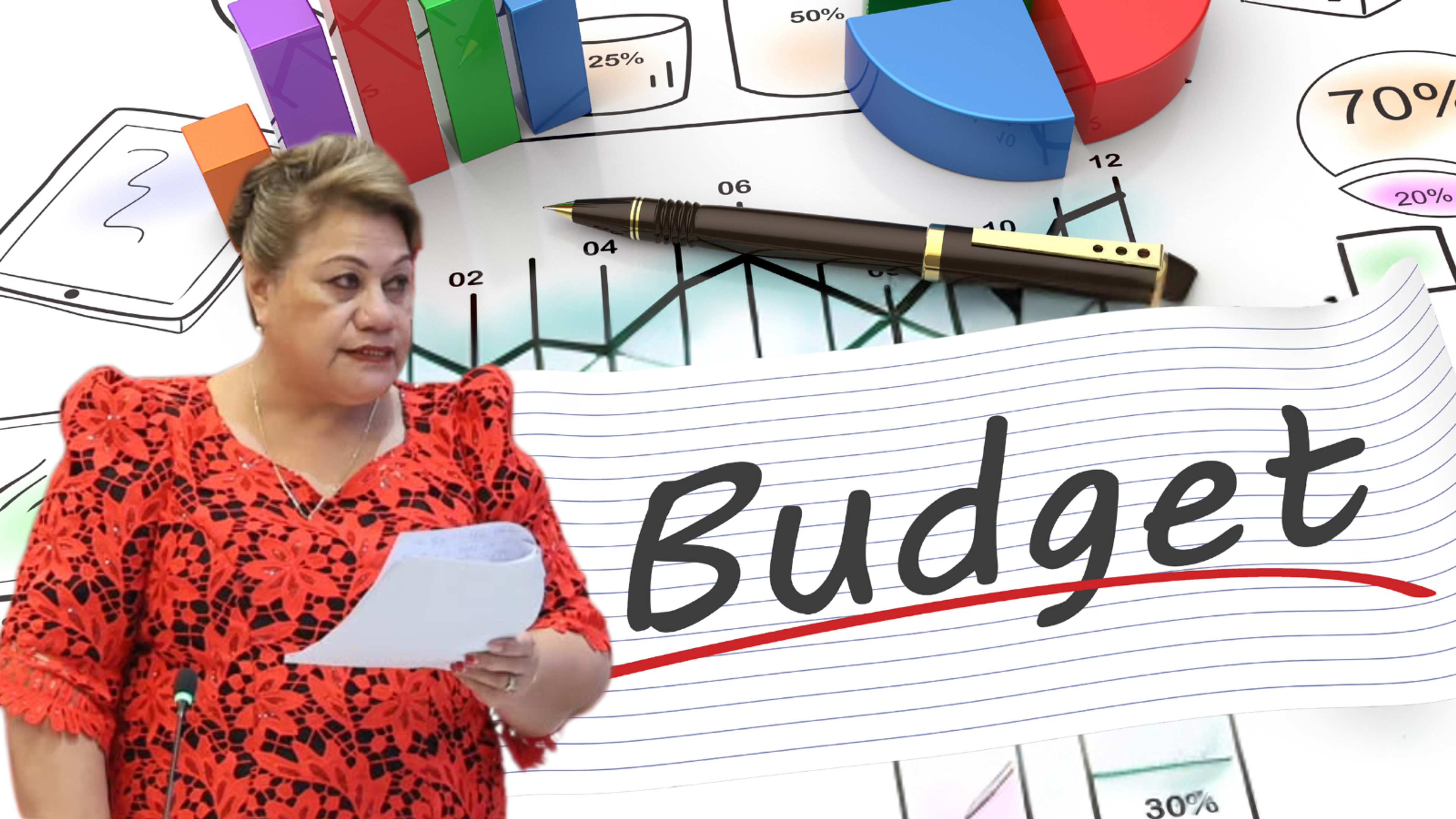
Finance Minister Mulipola Anarosa Ale-Molioo presented a ST$1.5 billion (NZ$949.8 million) budget on 26 May that includes ST$41.5 million (NZ$26.1m) in concessional term loans, marking Sāmoa's first new borrowing after years of uninterrupted debt reduction.
Photo/Parliament of Sāmoa/Composite image PMN
Sāmoa is borrowing again after years of debt reduction, with the government saying its stronger fiscal position has unlocked concessional loans.


After nearly a decade of paying down debt, Sāmoa is borrowing again.
The government’s 2026/27 Budget includes ST$41.5 million (NZ$26.1m) in concessional loans - low-interest with long repayment periods - marking a major shift in how the country finances development and public spending.
The government links the change directly to Sāmoa’s improved financial position.
Over the past five years, public debt has fallen from 41 per cent of Gross Domestic Product (GDP) in 2021/22 to 19.5 per cent by March 2026, according to figures contained in successive Budget Addresses to Parliament.
That improvement helped lift Sāmoa's debt distress rating from high risk to moderate risk in 2024. The change has important consequences.
Under lending rules by the World Bank (WB) and Asian Development Bank (ADB), countries considered high risk receive most support through grants. Once a country moves into the moderate risk category, it becomes eligible for a mix of grants and concessional loans.
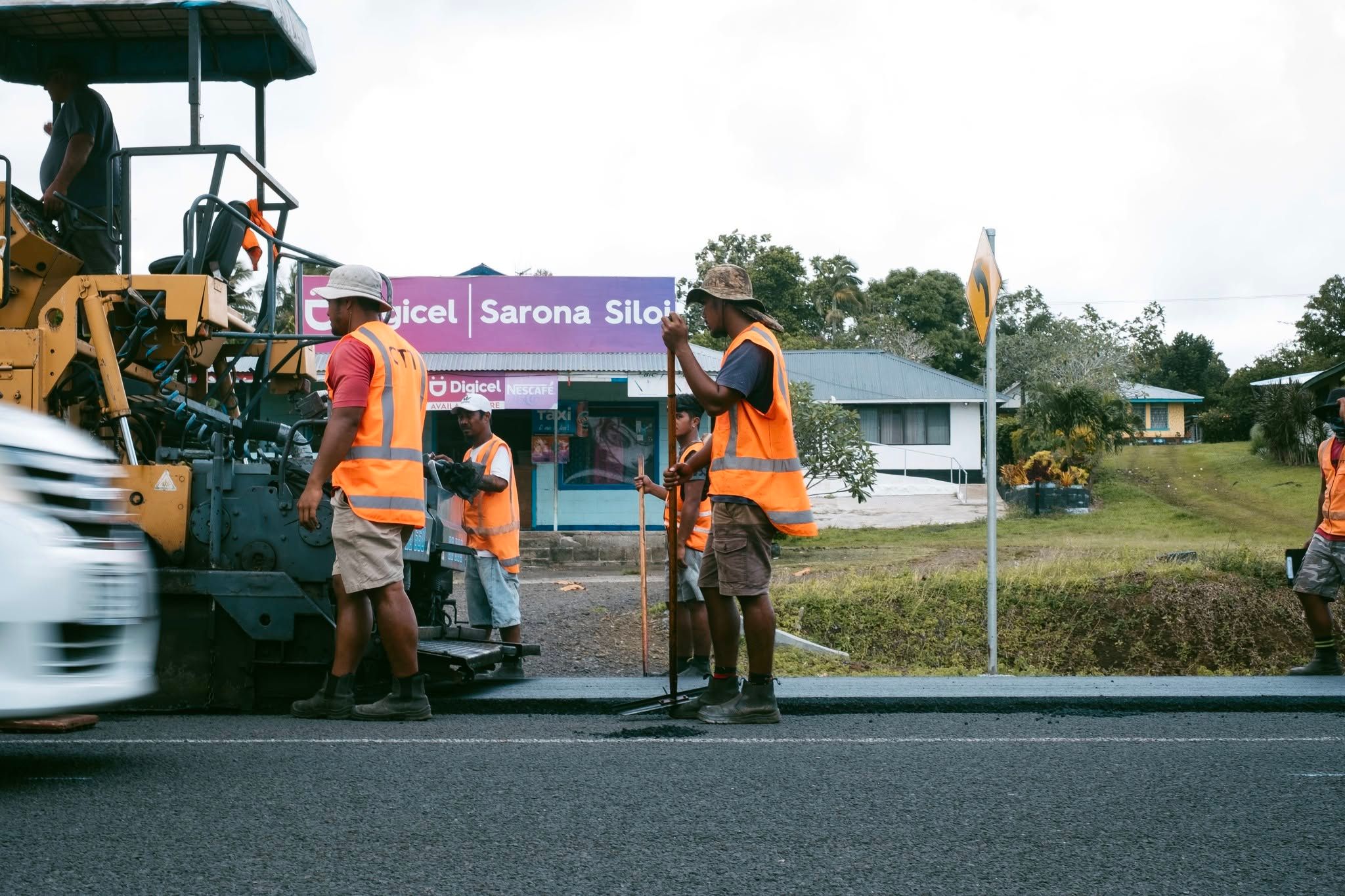
Sāmoa embarks on a ST$1.5 billion (NZ$949.8 million) budget, its most ambitious in recent years, but the World Bank has cautioned that spending capacity must keep pace with spending ambition if new borrowing is to translate into results on the ground. Photo/World Bank Pacific/Facebook
In simple terms, Sāmoa's success in reducing means international lenders now consider it financially strong enough to borrow again.
Finance Minister Mulipola Anarosa Ale-Molioo acknowledged the shift in her Budget Address on 26 May.
"Whereas prior to 2025, Sāmoa's external financing from the World Bank and the Asian Development Bank were provided on a 100 per cent grant basis, our sound fiscal position as highlighted above, now allows us to access resources on a 50 per cent grant and 50 per cent concessional loan basis," she told Parliament.
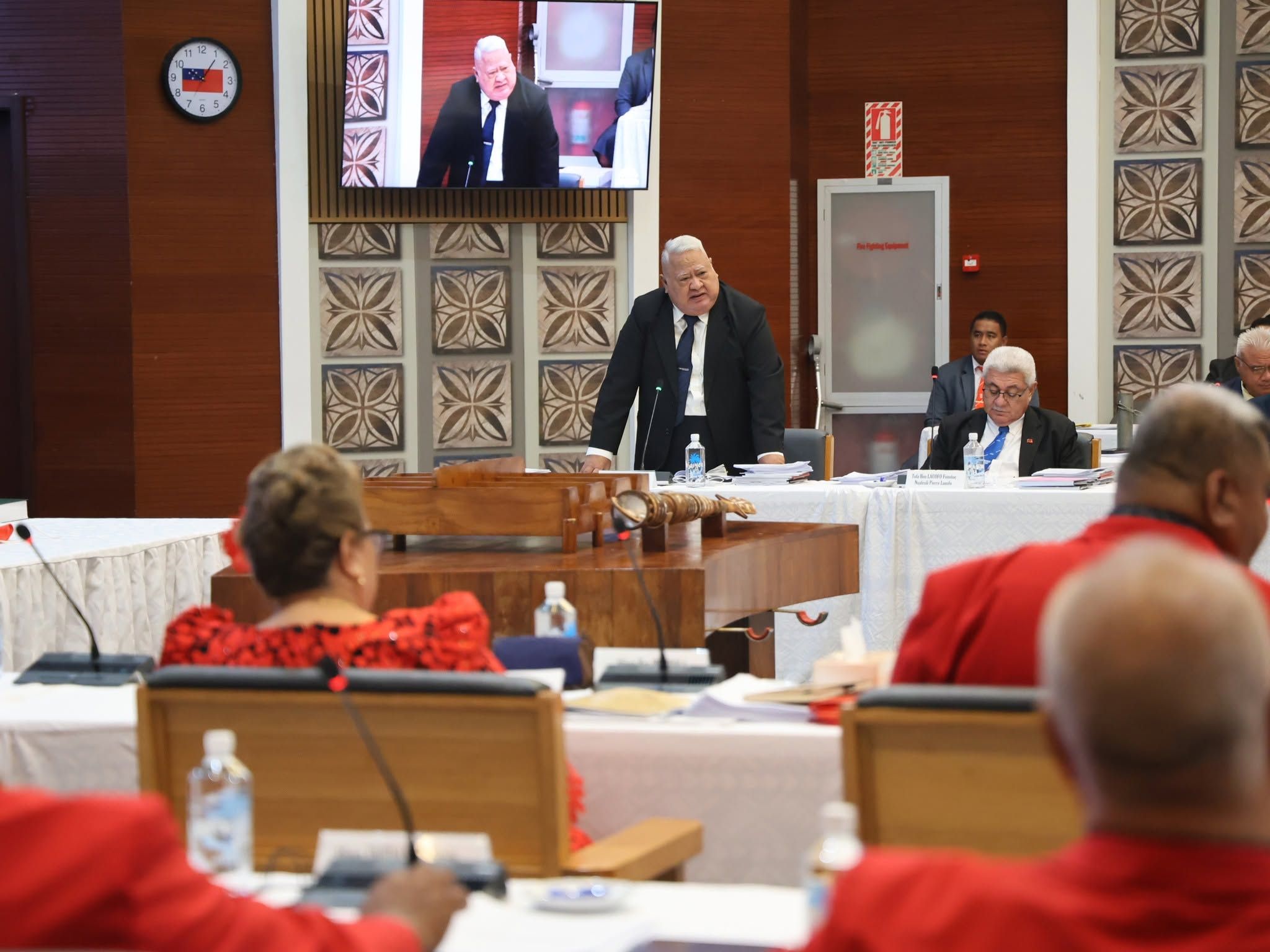
Opposition leader Tuilaepa Sailele Malielegaoi has raised concerns about accountability in the government's deficit financing and community development funding. Photo/Parliament of Sāmoa.
She described the change as a sign of confidence from development partners. "The shift reflects the confidence of our partners in Sāmoa's ability to manage debt responsibly and provides Sāmoa new opportunities and greater flexibility to fund national development projects."
But the return to borrowing comes as the government prepares for a larger Budget deficit. The 2026/27 Budget projects a cash deficit of ST$215.9 million (NZ$136m) or 3.1 per cent of GDP, up from ST$153.6 million (NZ$96.8m) the previous year.
The concessional loans form part of the package being used to fund that shortfall. The budget does not identify specific programmes linked to the loans.
In a media statement, opposition leader and former Prime Minister Tuilaepa Sailele Malielegaoi questioned how the deficit would be financed, describing the new funding as "new monies from somewhere”.
Tuilaepa also criticised the government's decision to begin public consultations on the budget before Parliament's Finance and Expenditure Committee completes its review and reports back later this month.
The ST$215.9 million (NZ$136m) deficit will be covered through three main sources: ST$41.5m (NZ$26.1m) in concessional loans, ST$59.9 m (NZ$37.9m) in General Budget Support from development partners and ST$114.4m (NZ$72.4m) from existing government cash reserves.
Watch (Sāmoan) Mulipola Anarosa Ale-Molioo's budget address in parliament below.
The World Bank's April 2026 Pacific economic assessment said Sāmoa has room to increase spending but warned that delivering public investment projects would require stronger implementation and oversight.
Another challenge remains largely out of the spotlight. Nearly 93 per cent of Sāmoa's existing public debt is held in foreign currencies. The largest share is denominated in Special Drawing Rights (SDR) - an international reserve currency set by the IMF and tied to a basket of major world currencies - alongside Chinese yuan, Japanese yen and US dollars.
The Ministry of Finance identifies exchange rate movements as one of the main risks facing the country’s debt portfolio.
PMN News sought comment from the Ministry of Finance and the World Bank on the borrowing arrangements, future debt projections and the conditions attached to concessional lending. Neither had responded by the time of publication.