High blood pressure a silent killer, Solomon Islands calls for stronger action
Lachlan EddieFri, 23 Oct
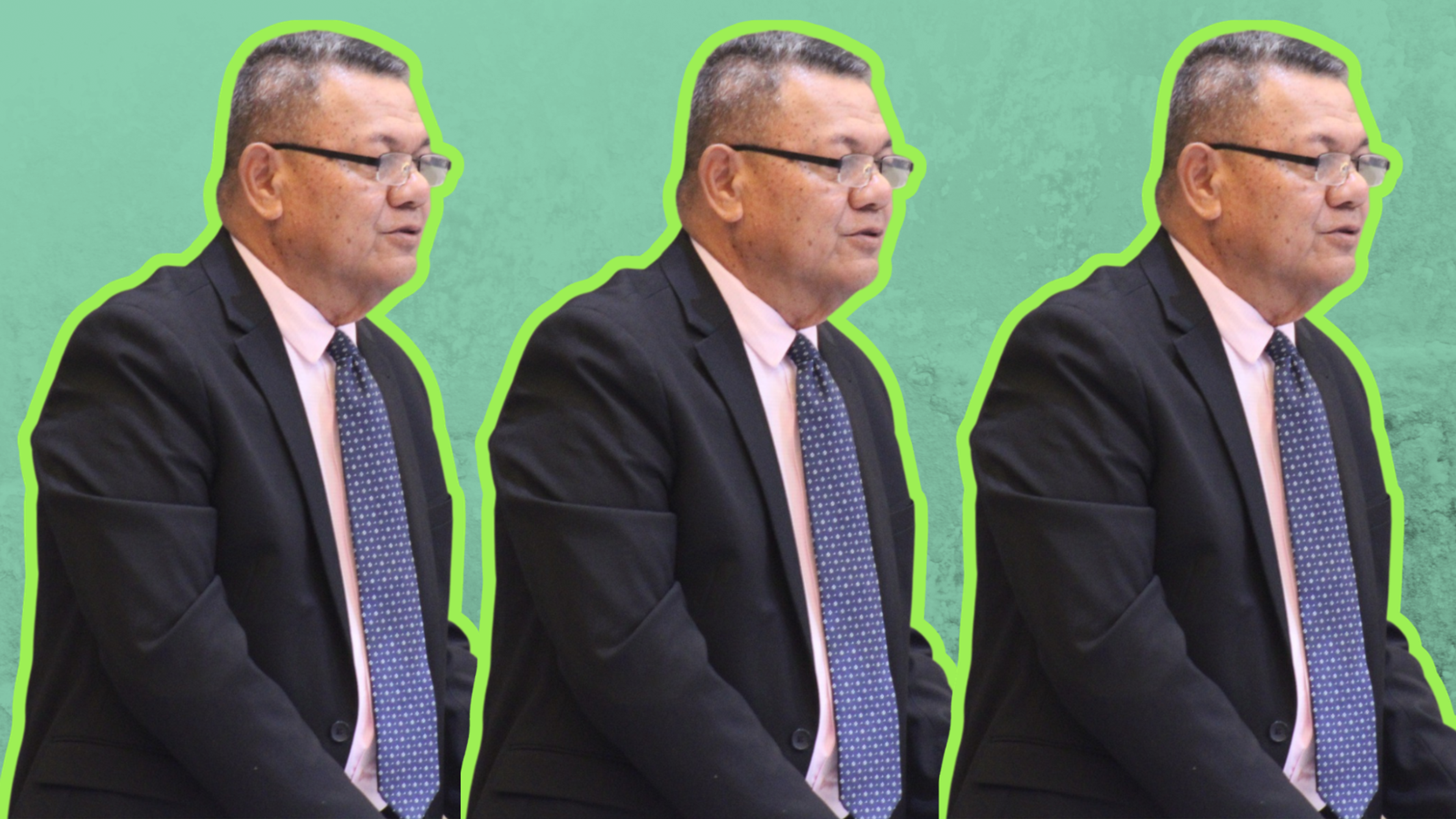
Faleata II MP Leatinuu Wayne says equal funding does not account for pressures faced by large urban districts.
Photo/Parliament of Samoa/Edited by Renate Rivers
A debate in Parliament has questioned whether the government can direct district funds to support national organisations like the SVSG.



A debate in Sāmoa’s Parliament has raised fresh questions about who controls the country’s district development funds and whether the government can direct districts to support national organisations.
The issue surfaced during debate on the new District Development Programme Act, which formalises how development funding is distributed across Sāmoa’s 51 districts.
Faleata II MP Leatinuu Wayne Fong Sooialo questioned why money from his district’s allocation was being used to support the Samoa Victim Support Group (SVSG), a charity that supports victims of violence and abuse.
SVSG runs a residential home for children in Tuanimato, which sits in the neighbouring Faleata I district.
Leatinuu raised the issue during the third reading of the bill in Parliament on Thursday, asking why the organisation was included in his district’s grant framework.
Children living at the SVSG compound are counted within the Faleata II allocation, even though the organisation is located in Faleata I.
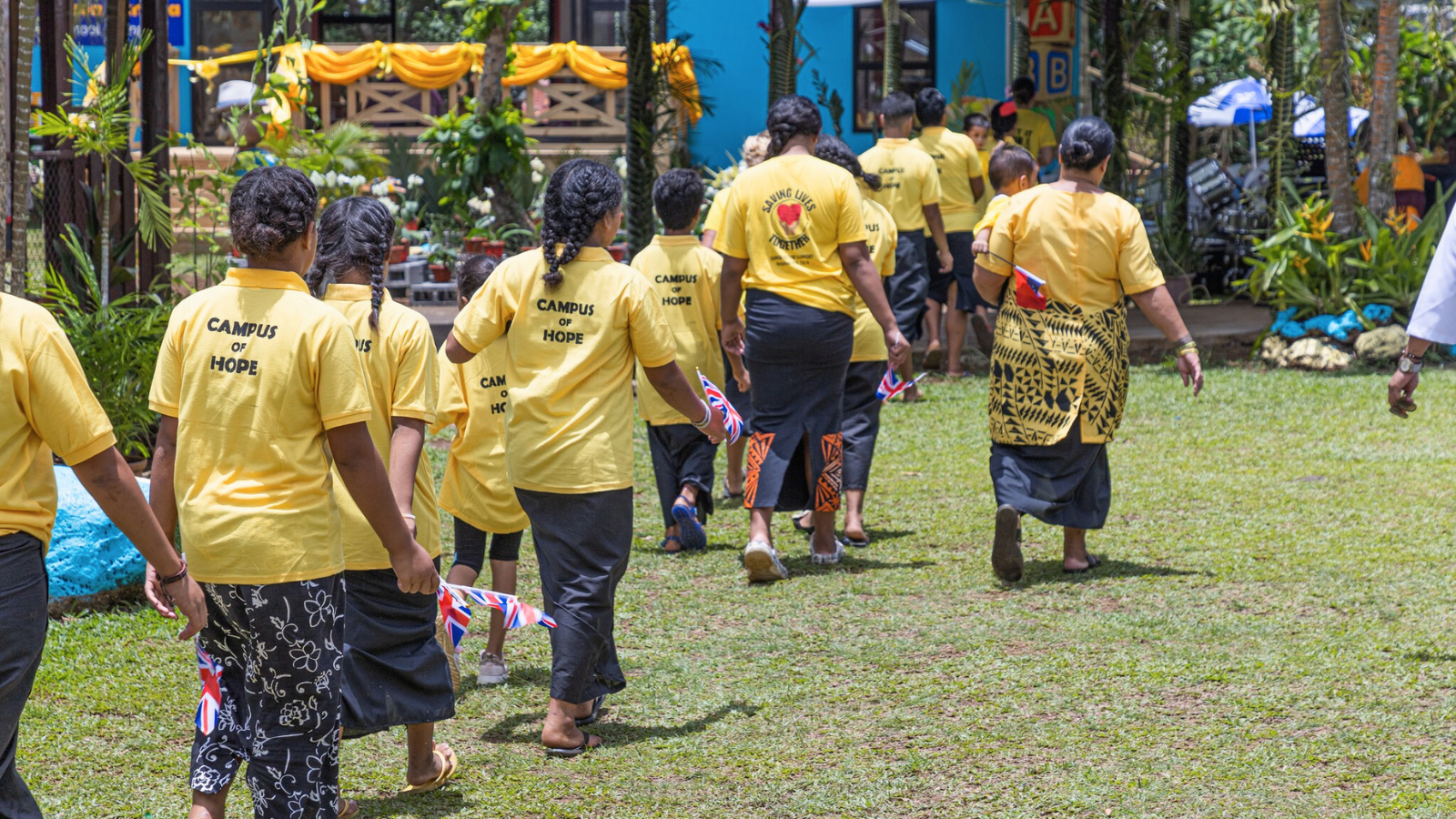
Children at the SVSG Campus of Hope. Photo/Government of Sāmoa
“We are talking about development objectives, but there are districts like ours where the government has included other development initiatives that aren’t included in our plan, like Sāmoa Victim Support,” Leatinuu told Parliament.
“This means that from time to time, the government has the power to add development initiatives.”
Leatinuu also pointed to the government’s back-to-school grant, announced in January by Prime Minister Laaulialemalietoa Polataivao Schmidt. The payment of ST$150 (NZ$91) is given to individuals across the country and is funded through the District Development Programme.
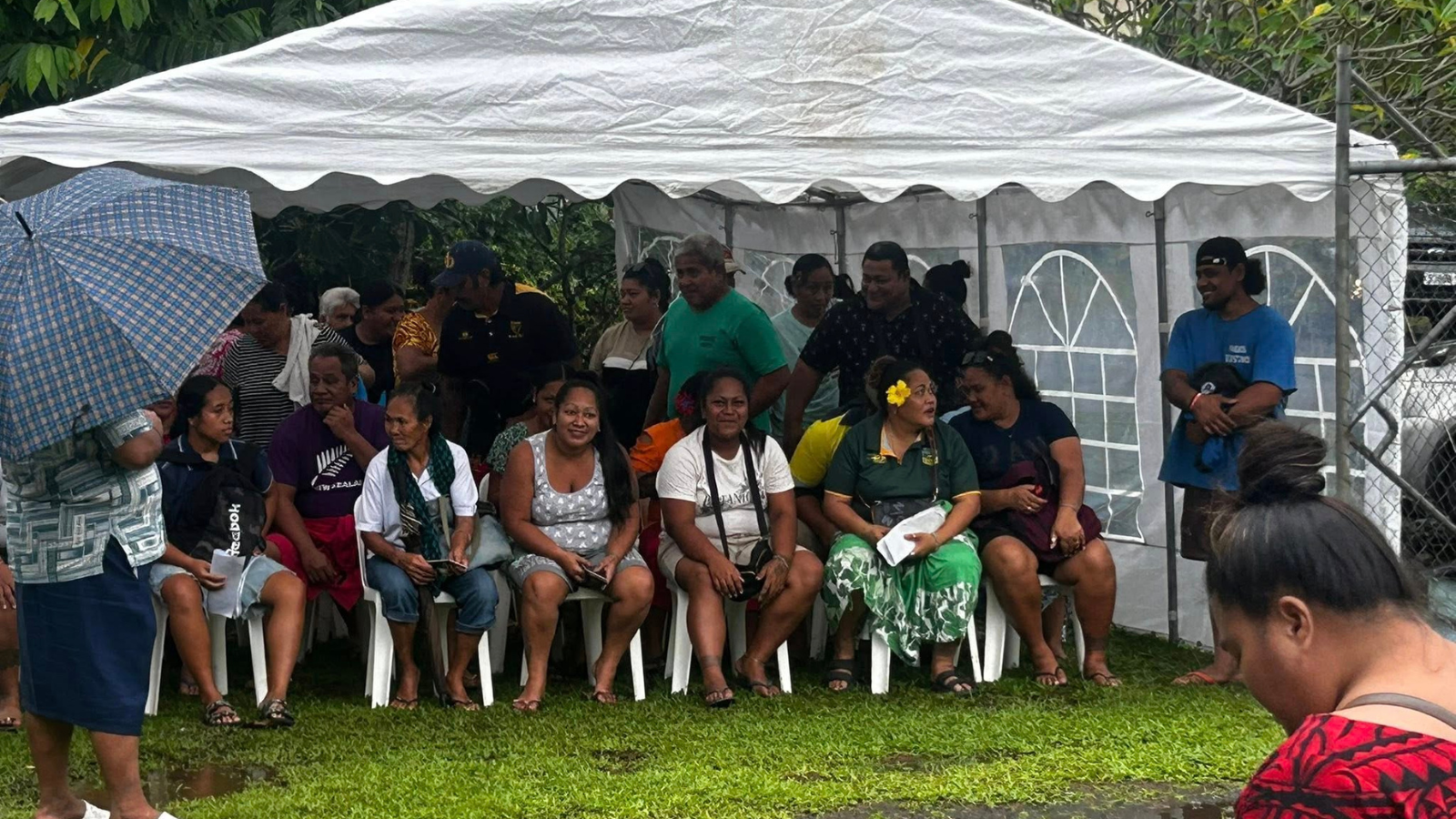
Villagers of Faleata I waiting to sign for their $91 under the government's back-to-school grant offered to everyone in the country. Photo/Savali Newspaper
Faleata I MP Faumuina Opapo Soanai responded that SVSG operates on government land and should therefore be funded directly by the government.
Prime Minister Laaulialemalietoa pushed back against the criticism, describing SVSG as “one of the most important services in the country”.
“Do you both reject them [SVSG]?” Laaulialemalietoa asked the two Faleata MPs about the charity.
He said that if Cabinet decides both Faleata I and II should help support SVSG, then that could be arranged.
“If neither of these districts wants to include SVSG, then bring it under the special protection of the government.”
The government has already pledged ST$1m (NZ$625,000) to the organisation.
Watch the back-to-school grant disbursal process in PM Laaulialemalietoa's district of Gagaifomauga III:
Leatinuu said the issue would be less of a concern if districts received funding that better reflected their population size.
Each of Sāmoa’s 51 districts currently receives the same allocation under the programme. Funding was increased to ST$1.8m (NZ$1.13m) for the 2025-2026 financial year and is expected to rise to ST$2m (NZ$1.26m) in 2026-2027.
In an earlier debate, Leatinuu argued that equal funding does not account for pressures faced by large urban districts such as Faleata and Vaimauga.
He said Faleata II alone has around 1500 students and three schools, making it difficult to provide education support for all of them.
The Prime Minister said the government is considering future changes, including adjusting funding levels and possibly reintroducing urban parliamentary seats to reflect population differences and governance challenges.
The debate has highlighted a wider question: how much control districts really have over the development funds allocated to them.