Kiwis suffer last-gasp heartbreak as the Kangaroos snatch World Cup opener
Christine RovoiFri, 16 Oct
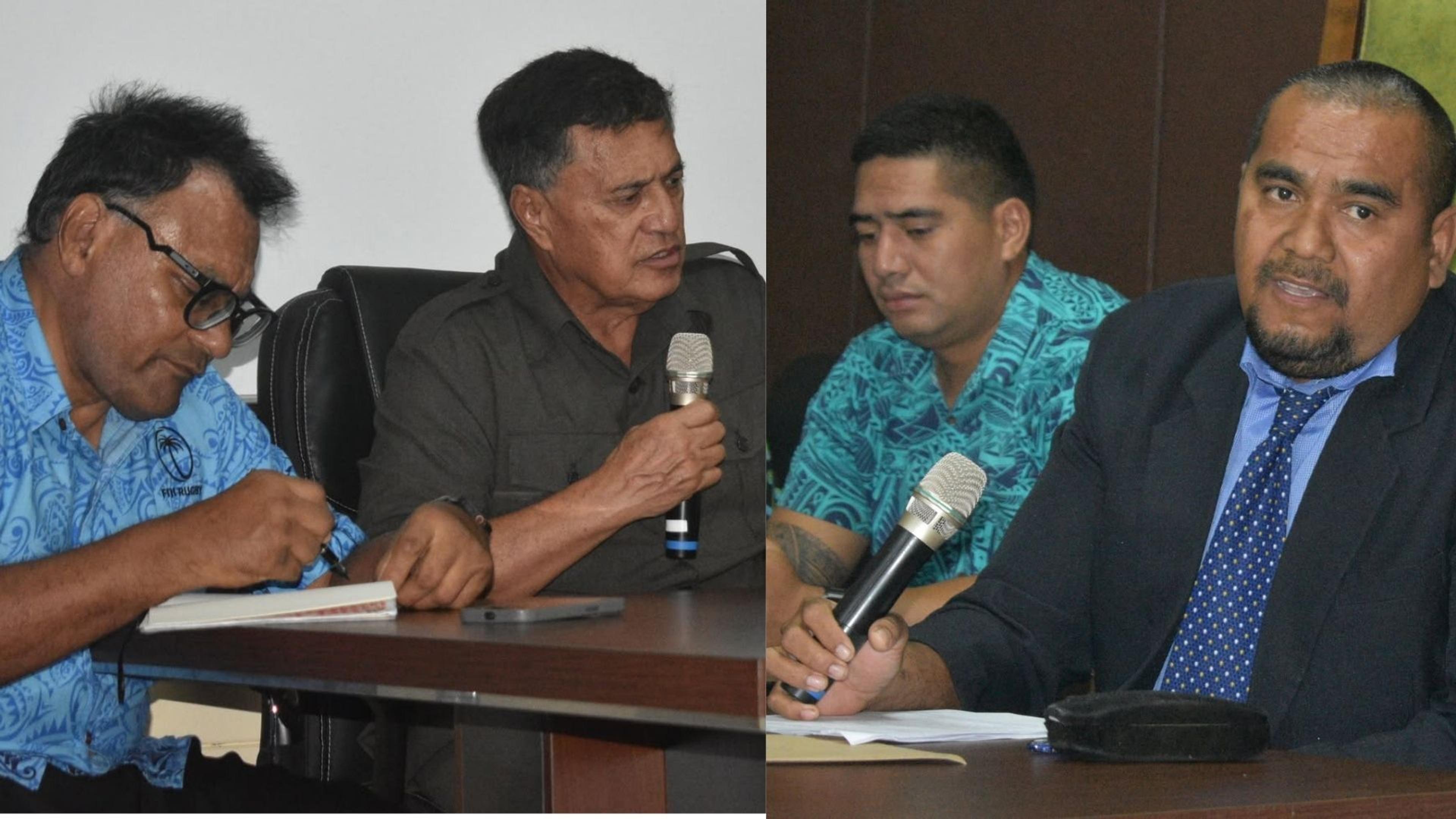
Rotuma's chiefs and young people have used Fiji's Constitutional Review Commission hearings to press for changes they say will better protect the island's identity, governance, language and future.
Photo/Fiji Constitutional Review Commission 2026
Fiji's northernmost island has delivered one of the most wide-ranging submissions to the Constitutional Review Commission.

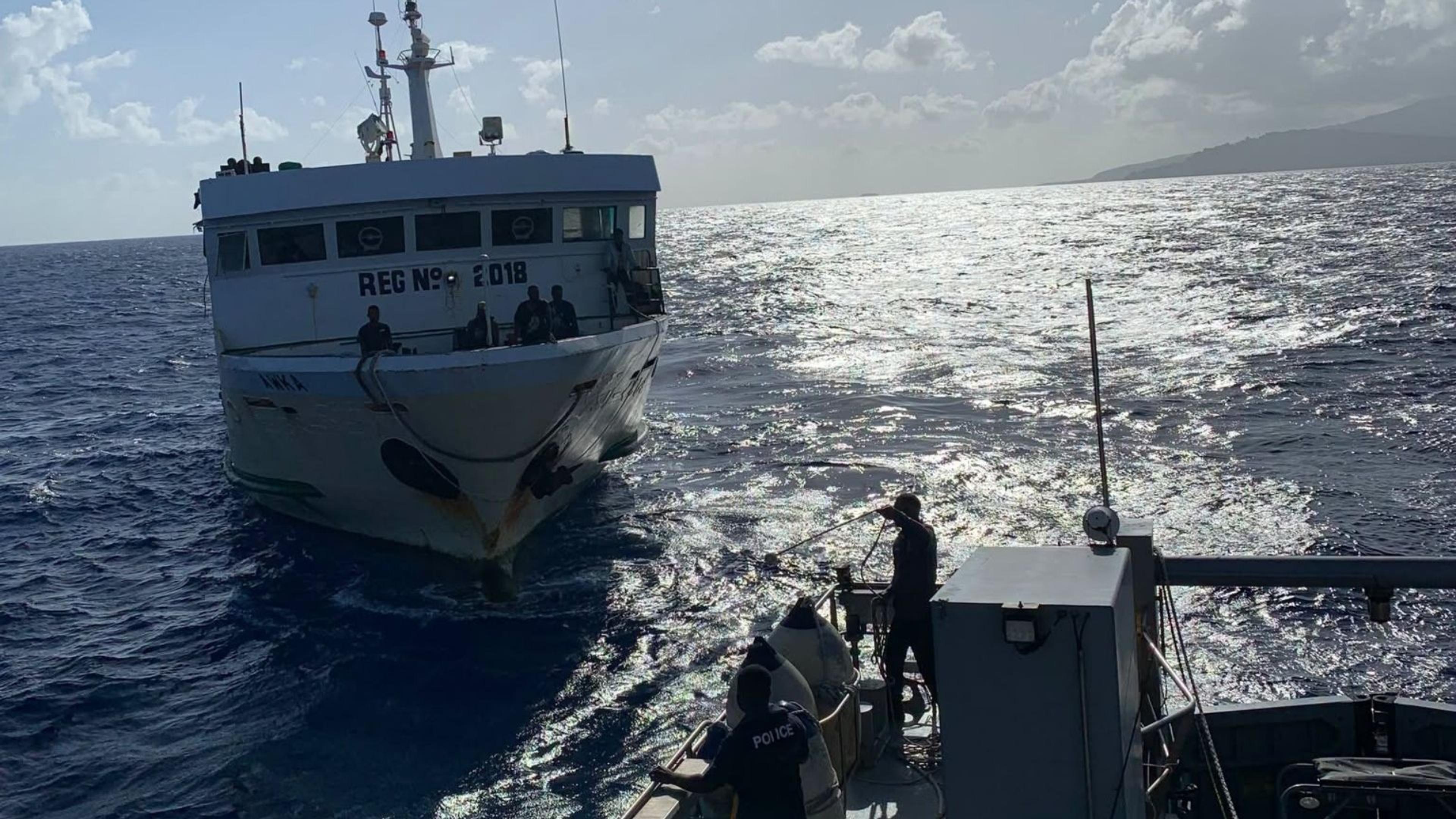


As Fiji’s Constitutional Review Commission wraps up its nationwide consultations, one of its smallest and most remote islands has left behind a clear vision for its future.
On Rotuma, about 640 kilometres north of Suva, traditional leaders are asking for the island's unique constitutional position to be recognised while young people are calling for stronger protection of their language and culture and tougher action on drugs.
Although their priorities differ, both submissions share the same message: Rotumans want the Constitution to better reflect who they are and what matters to their community.
The Review Commission is gathering public views from across the country before making recommendations on possible changes to Fiji's Constitution. The seven-member commission comprises chairperson Sevuloni Valenitabua, Ami Kohli, Prof. Unaisi Nabobo-Baba, Dr. Neelesh Gounder, Merewalesi Nailatikau, Dr John Fatiaki, and Conway Beg.
Rotuma is a Polynesian island that is part of Fiji but has its own language, culture and chiefly system.
About 2000 people live on the island while thousands more Rotumans live elsewhere, including in mainland Fiji, Australia and New Zealand.
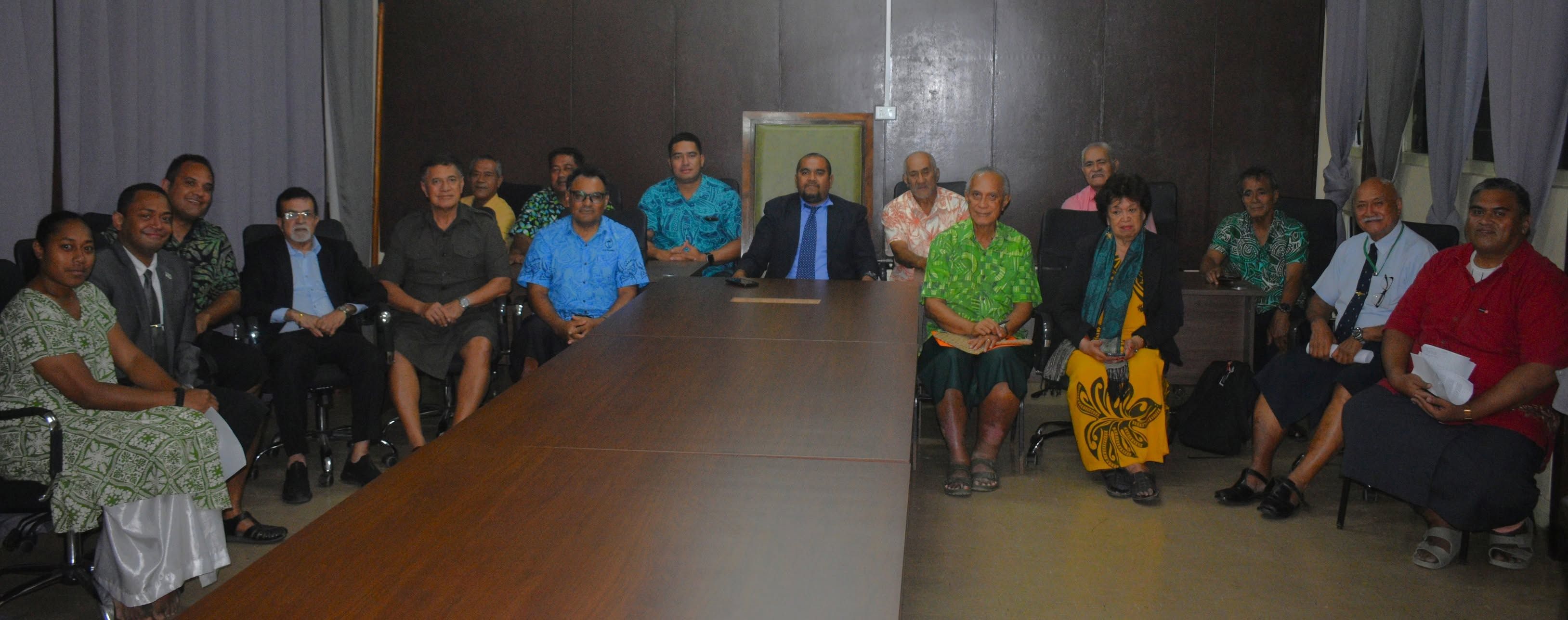
The Rotuma Island Council has asked Fiji's Constitutional Review Commission to recognise the island's unique constitutional status, strengthen self-governance and protect customary land rights, while making clear it is not seeking independence. Photo/Fiji Constitutional Review Commission
According to the 2023 New Zealand Census, about 1300 people of Rotuman ethnicity live in Aotearoa.
The Rotuma Island Council told the commission the island's relationship with Fiji is best described as a "de facto" one , "a marriage without a marriage certificate".
In its submission last week, the council said Rotuma's unique constitutional position has not been fully recognised since Fiji adopted its 2013 Constitution.
Watch Rotuma Island Council's submission to the Constitution Review Commission below.
The council is not seeking independence. Instead, it wants the Constitution to formally recognise Rotuma's sovereignty, acknowledge its separate colonial history, strengthen internal self-governance through the Rotuma Island Council, and protect customary land rights.
The submission points to the island's annexation by Queen Victoria in 1881 and says the 1997 Constitution recognised Rotuma's distinct system of governance in a way the current Constitution no longer does.
It also says any future discussion about independence would follow traditional protocols and international law.
Concerns raised in Rotuma’s submission are also reflected in wider national discussions about how Fiji’s electoral system represents small and remote communities.
The Fiji Women’s Crisis Centre, through the Fiji NGO Coalition on Human Rights, told the commission that the current nationwide voting system makes it difficult for geographically isolated communities to have strong, direct representation.
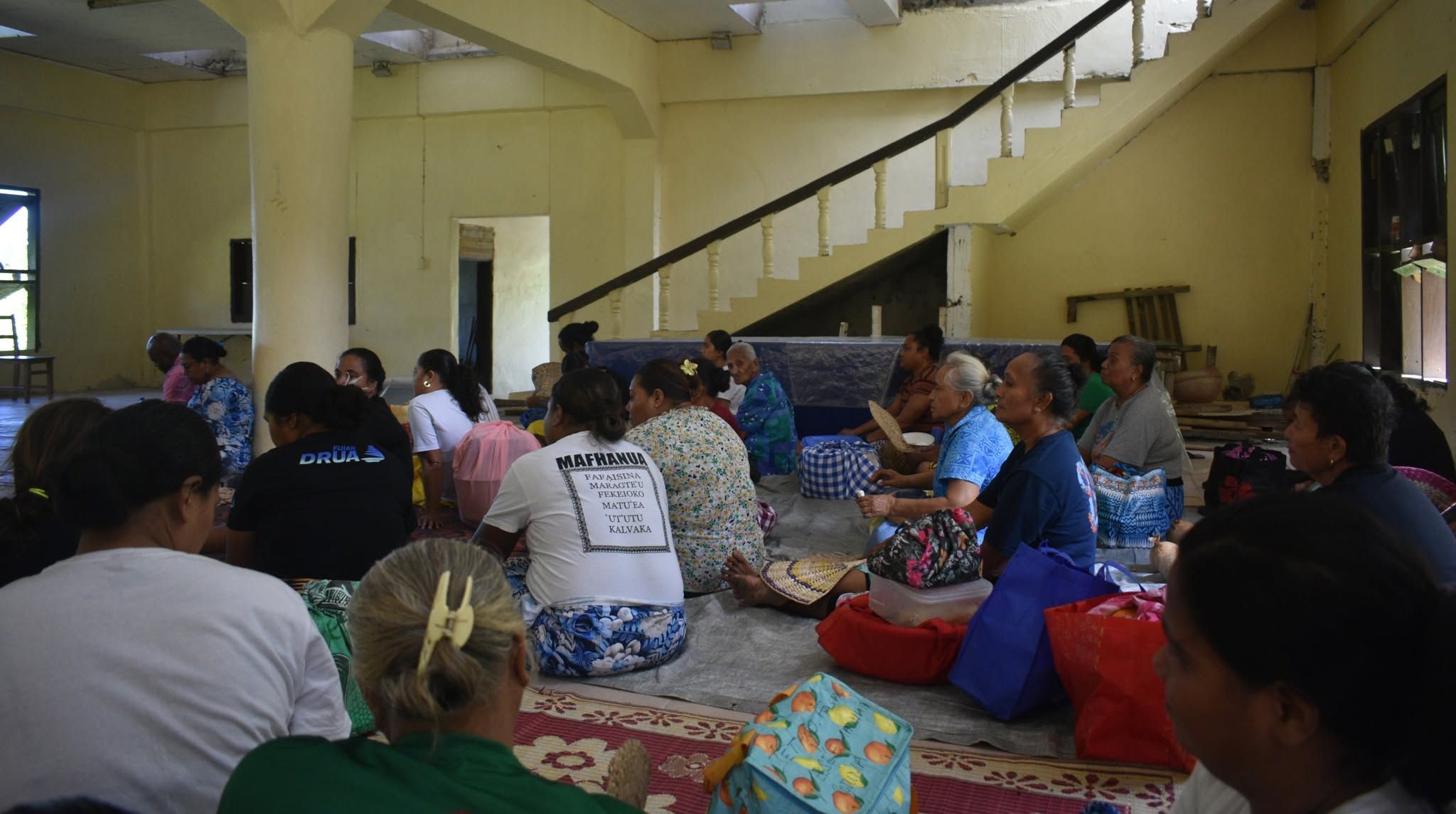
Members of the Noatau District attend the constitutional review discussions. Photo/Fiji Constitutional Review Commission 2026
The coalition says the system weakens the link between voters and their representatives and leaves smaller communities at a disadvantage in national politics.
The NGO is among groups calling for changes to improve representation for marginalised and remote populations across Fiji.
While the island's leaders focused on constitutional history and governance, Rotuma's younger generation highlighted the issues they believe will shape the island's future.
Speaking during the consultations, Year 13 student Austin Jone of Rotuma High School called for stronger constitutional support for indigenous language and culture in schools.
“Our culture, our identity, our language needs to be placed on the same level of importance as English and maths,” Jone said.
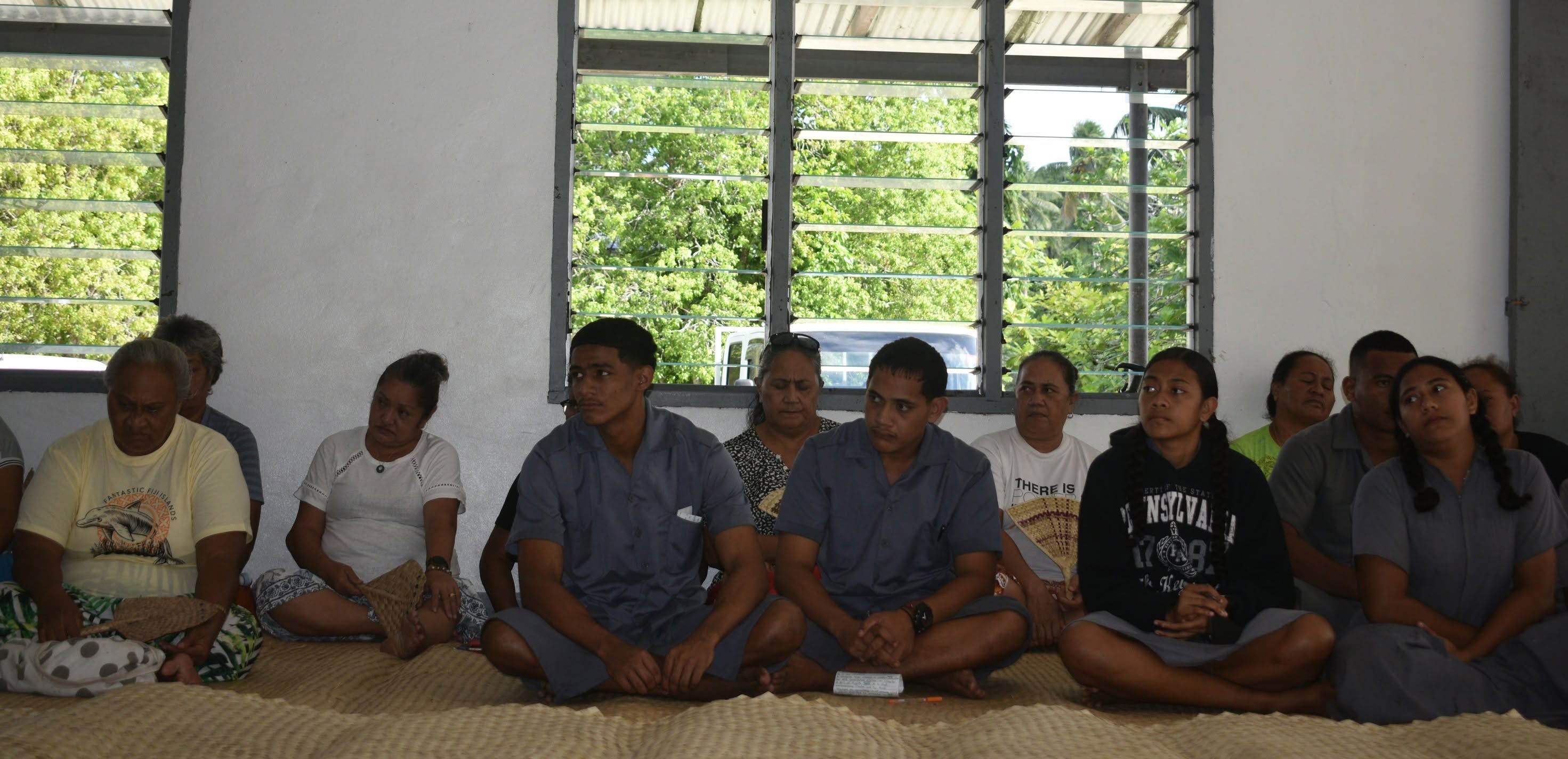
Rotuma High School students urged Fiji's Constitutional Review Commission to strengthen support for the Rotuman language and culture and take tougher action to protect young people from drugs. Photo/Fiji Constitutional Review Commission
He said students were losing interest in Western-style education while traditional knowledge continued to fade.
Another student, Charlene Sina Tomasi, warned that drugs were becoming an increasing threat to young people on the island.
“Drugs have destroyed cities, towns, and whole countries. Now they affect us in Fiji and Rotuma,” Tomasi said.
She called for stronger border security and enforcement of laws to protect young people.
Watch Austin Jone and Charlene Sina Tomasi during their submissions to the Constitution Review Commission below.
Together, the submissions offer a rare insight into how Rotumans are thinking about their future.
The elders are focused on preserving the island's constitutional identity while the younger people are determined to protect their language, culture and the next generation.
Submissions to Fiji’s Constitutional Review Commission officially closed on 30 June 2026.