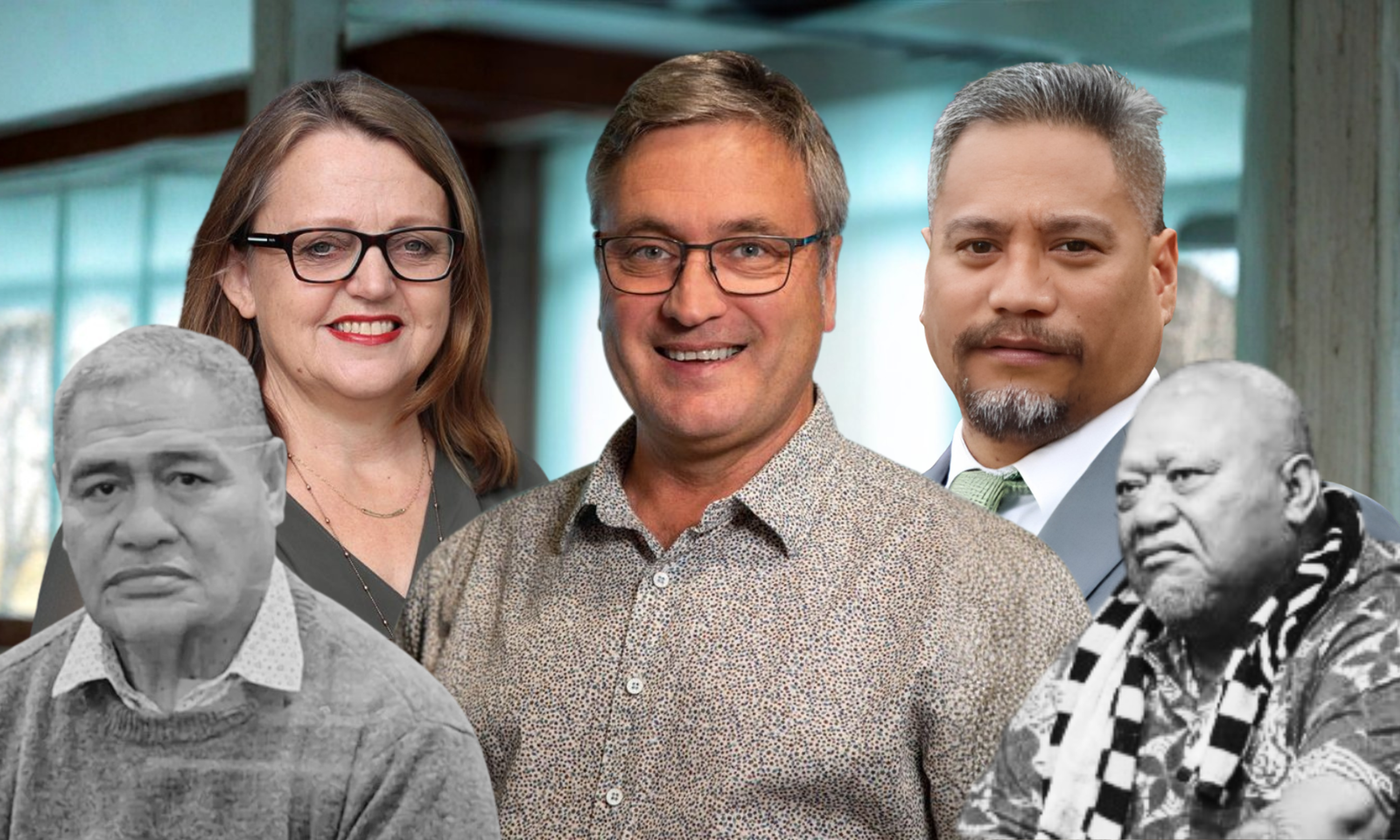
Advocates Christina Stringer, Ian McInnes and Teanau Tuiono support changes to tackle modern slavery, highlighted by slavery charges against Moeaia Tuai and Joseph Matamata.
Photo/Composite
Politics
Pacific workers among most vulnerable as modern slavery bill advances - advocates
There are fears Pacific workers may be the most vulnerable to abuse as Parliament considers modern slavery legislation.

Khalia Strong
Published
22 May 2026, 8:48am
Share
Copy Link
Top stories
'Nightmare': Why NZ govt declined visa for woman stranded in the Cook Islands
Shalveen Chand, Cook Islands NewsWed, 14 Oct

Kiwis’ forward pack holds key to World Cup opening clash against Australia, experts say
Elton Lonaratha JnrThu, 15 Oct
Niue wildfire burned for nine days as new truck arrives from Aotearoa
PMN NewsThu, 15 Oct
Top stories
'Nightmare': Why NZ govt declined visa for woman stranded in the Cook Islands
Shalveen Chand, Cook Islands NewsWed, 14 Oct
Kiwis’ forward pack holds key to World Cup opening clash against Australia, experts say
Elton Lonaratha JnrThu, 15 Oct
Niue wildfire burned for nine days as new truck arrives from Aotearoa
PMN NewsThu, 15 Oct
Migrant labourers and Pacific seasonal workers face “compounded vulnerabilities” to exploitation, experts say, as Parliament considers modern slavery legislation.
The Modern Slavery Bill passed its first reading last month in Parliament with support from all parties except ACT.
It would require businesses with annual revenue above $100 million to publish annual modern slavery statements and introduce a public reporting register, improved data collection and victim support pathways.
Christina Stringer, Director of the Centre for Research on Modern Slavery at the University of Auckland Business School, says Pacific workers and other migrants face higher risks.
“Pacific Island temporary workers on temporary visas have been affected by serious labour exploitation and proven human trafficking and slavery cases,” she tells PMN News.
“To date, there have been five human trafficking and slavery trials in New Zealand. Three of those trials involved Pacific Islanders.”
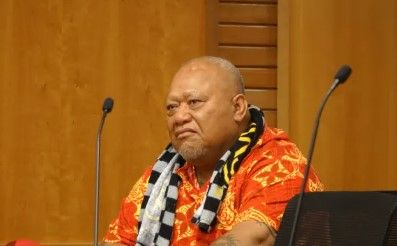
Joseph Auga Matamata was found guilty of 10 charges of human trafficking and 13 charges in dealing in slaves in 2020. Photo/RNZ/Anusha Bradley
Recent cases include the convictions of Moeaia Tuai and Joseph Matamata on modern slavery and human trafficking charges.
New Zealand has up to 20,750 places under the Recognised Seasonal Employer (RSE) scheme. Stringer says vulnerabilities can be amplified when workers are tied to employers for visas, accommodation and income.
“Often migrants will come with debt from recruitment fees. They'll have cultural obligations. They'll be under pressure to remit money back home. They'll fear being deported.”
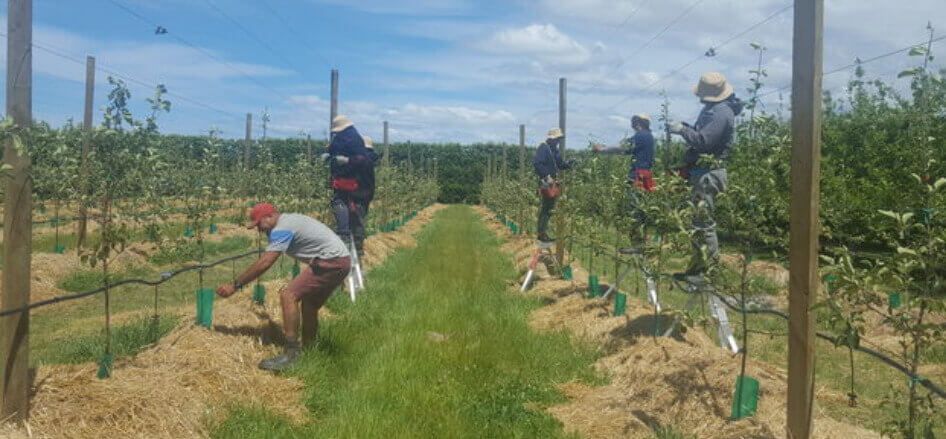
RSE workers from Samoa working in Bostock orchard, Hastings. Photo/RNZ/Anusha Bradley
Stringer says the Bill needs to go beyond disclosure, to enforcement, warning similar legislation in the United Kingdom initially became a “box-ticking exercise”.
Ian McInnes, Chief Executive of Tearfund, says many New Zealanders still see slavery as something that happens elsewhere.
“Half of it globally [exists] in Asia Pacific,” he tells PMN News. “If we think that doesn't touch us, it does, through our food, through our clothing, through our hospitality, our restaurant trades, people coming here for seasonal work.
“So much of our coffee and chocolate come from small areas in the world that produce most of the world’s commodities, and they are fraught with challenges in the wages they pay, the hours of work that people do…and we think the law should make companies act on it when they find this slavery.”
Watch Ian McInnes' full interview below.
McInnes says while labour mobility is a wonderful opportunity for Pacific communities it can also leave workers open to exploitation.
“Up in the islands … there are some dodgy operators and some dodgy ships, it’s the same in timber and forestry in the islands.”
Meanwhile, World Vision research suggests the average New Zealander spends about $77 a week on products potentially linked to child labour, forced labour or human trafficking, including electronics, clothing, shoes and toys.
TJ Grant, World Vision New Zealand National Director, says the Bill will help New Zealand to play its part in ending modern slavery for “more than 50 million people worldwide, including 8000 right here in New Zealand,” he says in a statement.
Grant says the legislation would place greater responsibility on businesses to examine supply chains.
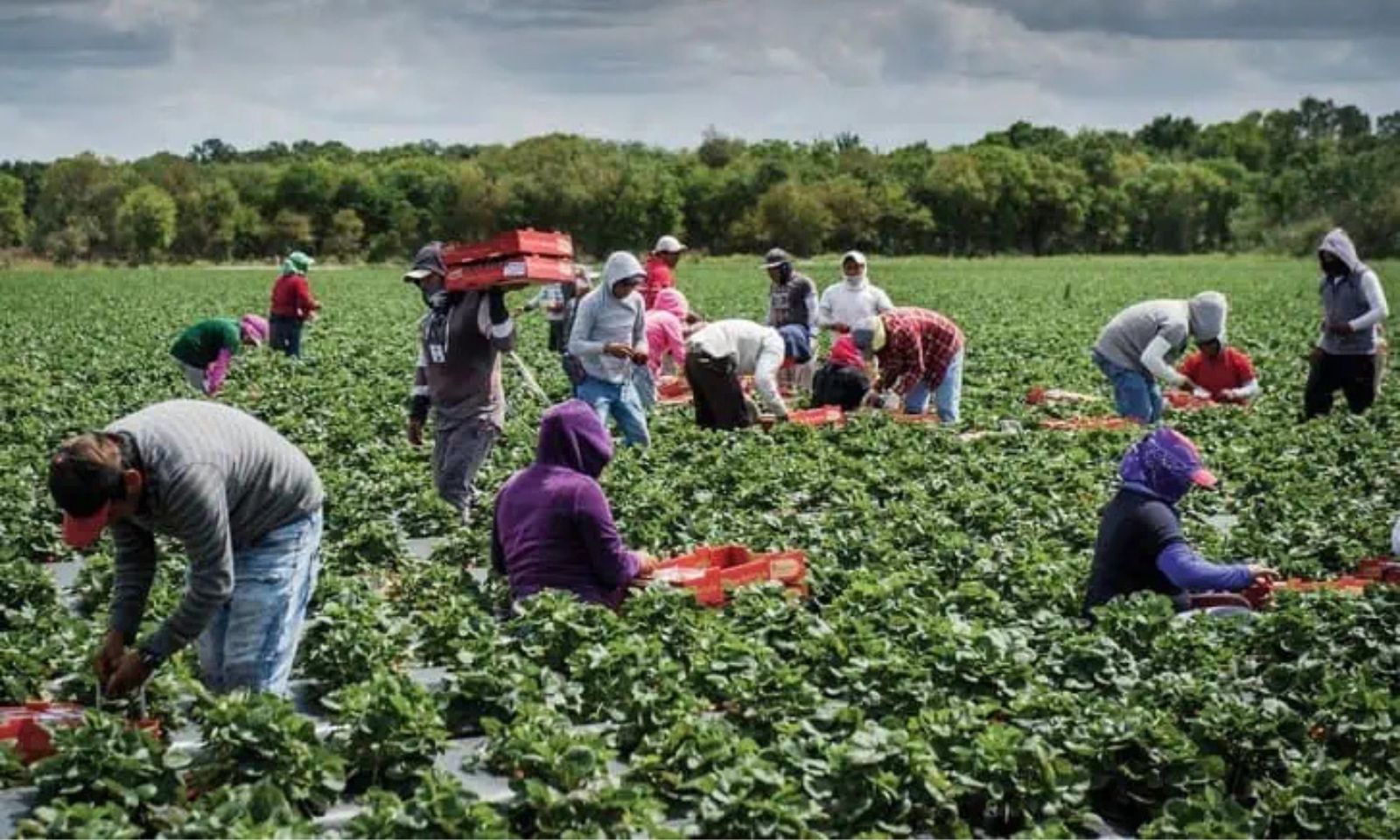
The Bill would require large businesses to identify and report areas where modern slavery may be an issue. Photo/File
ACT MP Laura McClure says modern slavery is “absolutely abhorrent” and something that “shouldn't exist”, but argues the bill risks creating costs without solving exploitation.
“I just don’t think it’s going to have a real actual value impact on the ground,” McClure tells Pacific Mornings.
“It’s going to create essentially another piece of paperwork that will be imposed on businesses.”
Speaking at the first reading, Green MP Teanau Tuiono says the bill is a step forward, but local issues remain.
Public submissions close on May 28, as MPs consider whether stronger protections are needed beyond current legislation, and how to better protect our vulnerable workers.
Watch Laura McClure's full interview below.