

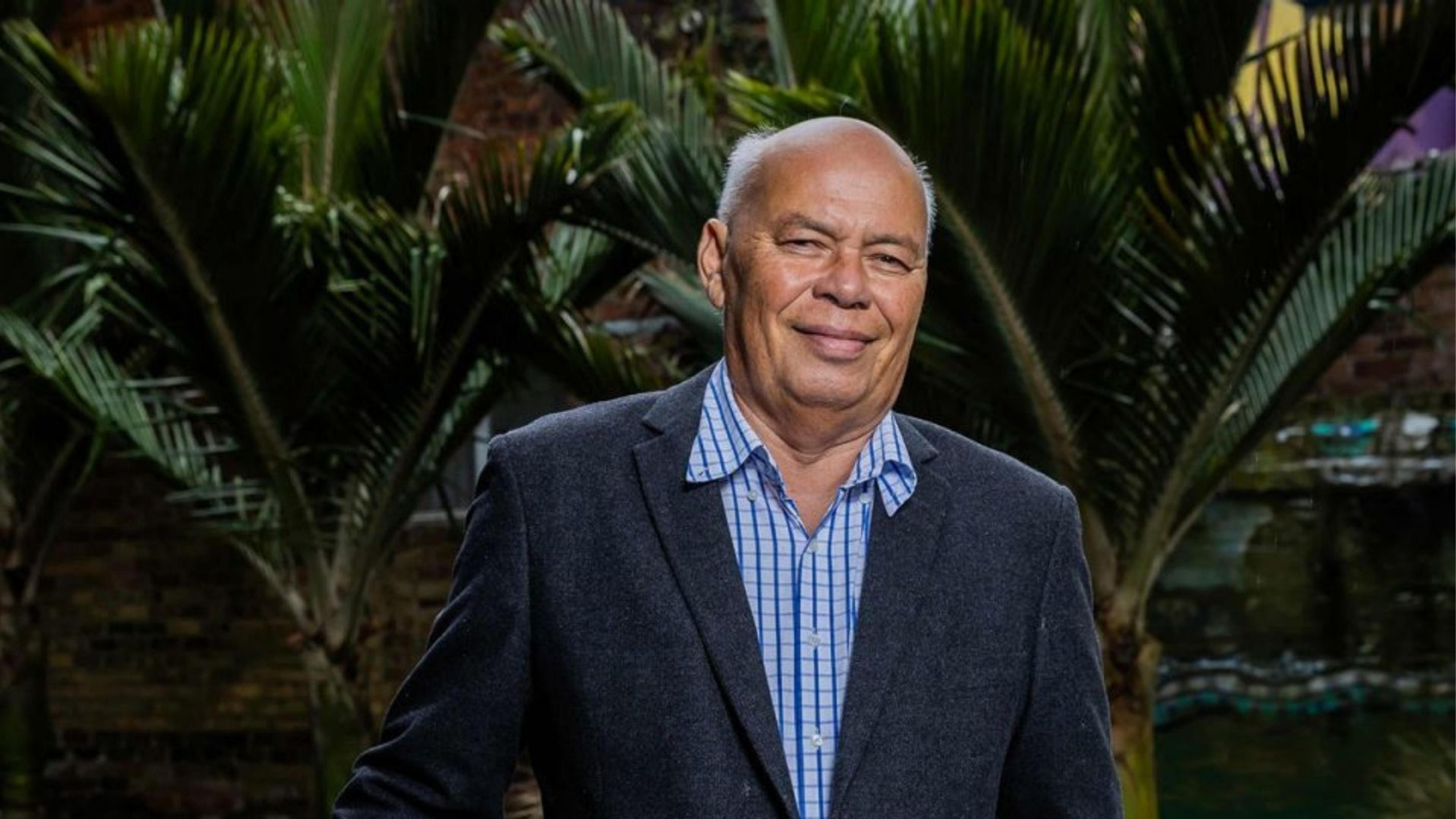
Alf Filipaina.
Photo/Auckland Council
Politics
'Māori, Pacific will wear the cost’: Councillor questions ACT party’s 3-strikes burglary plan
Alf Filipaina says tougher sentencing will not reduce crime, warning the proposed three-strikes burglary law could hit Pacific and Māori communities without tackling the causes of repeat offending.

Aui'a Vaimaila Leatinu'u
Published
09 July 2026, 6:10pm
Share
Copy Link
Top stories


Top stories
A Pacific community leader is warning that tougher burglary laws being proposed ahead of next year's election risk punishing Māori and Pacific communities without tackling the causes of repeat offending.
Auckland Councillor and former police officer Alf Filipaina says the ACT Party’s proposed Three Strikes for Burglary policy is more about election politics than finding long-term solutions to crime-year fear-mongering that will disproportionately harm Pacific and Māori communities.
Speaking with William Terite on Pacific Mornings, Filipaina says repeat offenders who commit burglaries should face serious consequences.
But he said sentencing alone would not solve the problem.
“Offenders should be treated differently and harsher if they're breaking into people's homes to end up fulfilling a receiver's request that I have a client or a person that wants this TV,” Filipaina says.
“Those ones should be treated differently. But Māori and Pacific, I go back to the numbers when they had 1800… [people convicted of burglary] last year, 925 went to prison.
“It's an election sort of campaign to say, ‘you need us because we're tough on law and order’. But like most things, it's an election promise.”
Listen to Alf Filipaina’s full interview below.
The ACT Party unveiled the policy as part of its 2026 election platform. It would introduce a mandatory minimum three-year prison sentence, with no parole, home detention or early release, for offenders convicted of three burglaries.
The proposal would also apply to someone convicted at one court appearance of three or more burglary charges from the same crime spree.
In a statement to PMN News, ACT Deputy Leader Nicole McKee rejected claims the proposed policy would unfairly target Māori and Pacific communities.
She says every New Zealander deserves to feel safe in their home.
“Māori, Pacific, and other communities are just as likely to be victims of burglary as anyone else, and they deserve a justice system that protects them from repeat offenders,” she says.
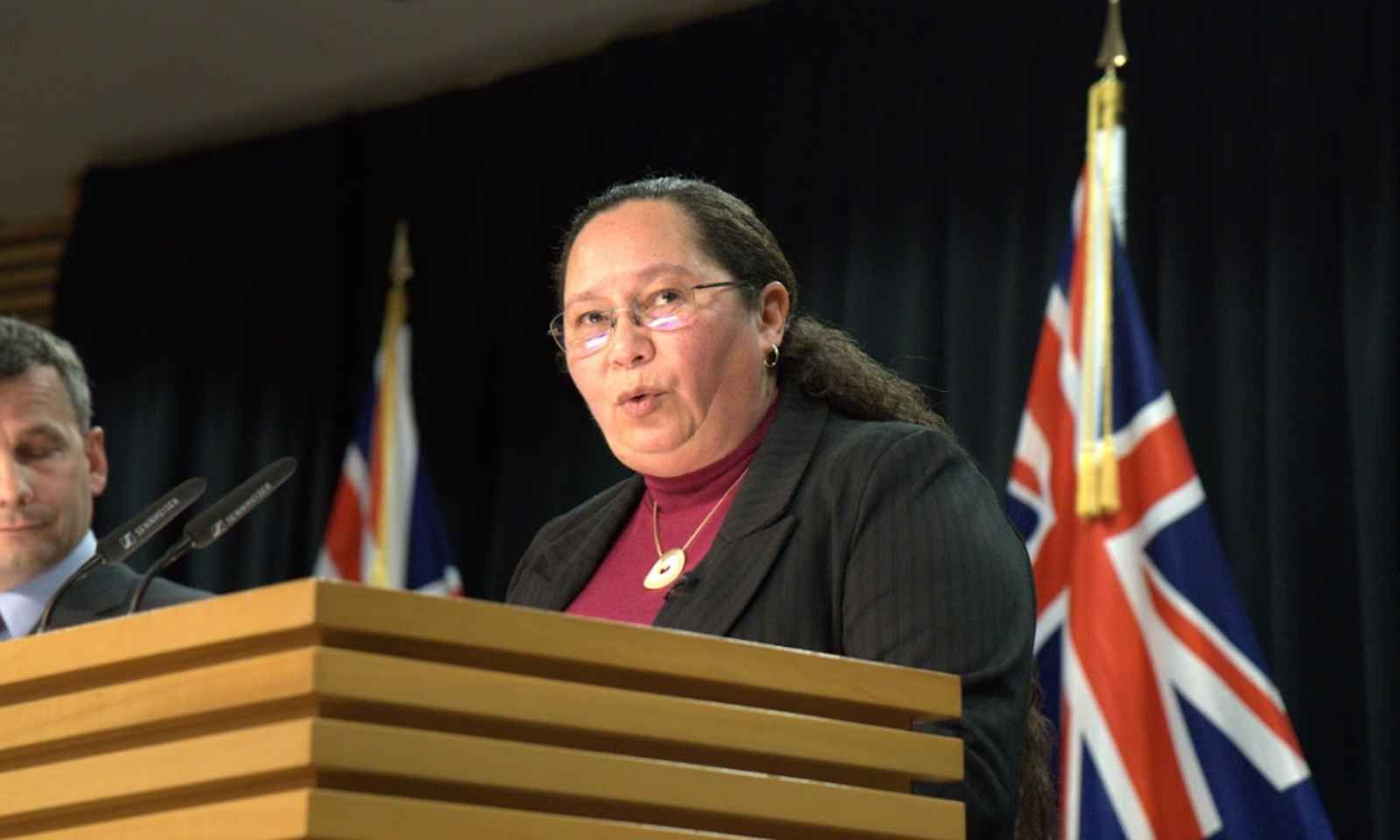
ACT Deputy Leader Nicole McKee. Photo/PMN News/Joseph Safiti
Filipaina questioned whether the policy would deliver better outcomes particularly given its estimated annual cost of about $200 million.
“If I use myself as an example, I've been burgled. The offender ended up doing 285 burglaries. When you get to that point, definitely the sentence and then, hopefully, rehabilitation will be in there somewhere for that.” he says.
“Do they need to be sentenced? Do they need to end up in jail? Yes, definitely, for those that end up having a hell of a lot of offences for burglary. But I think rehabilitation is still the key in some particular incidents.”
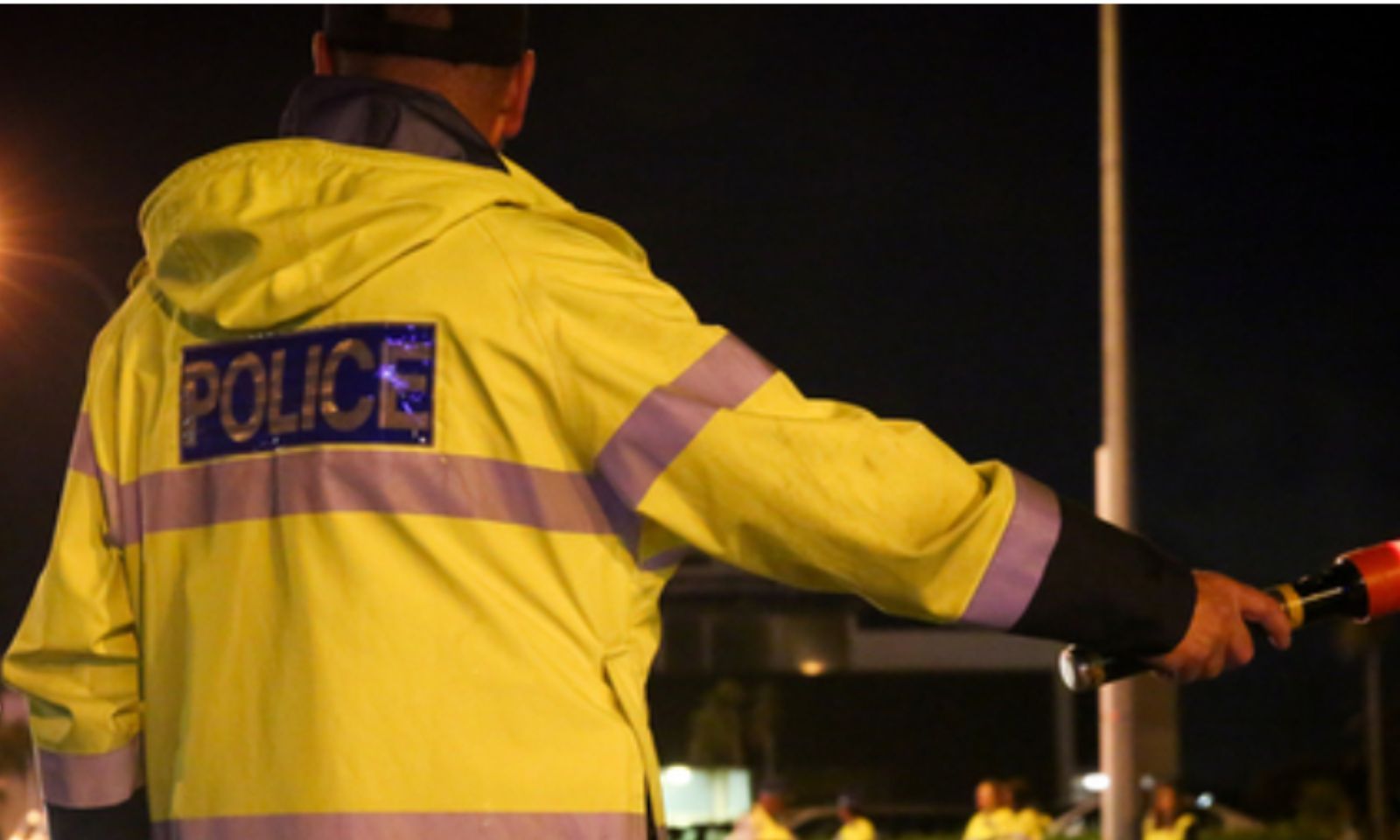
The ACT Party’s Three Strikes for Burglary policy aims to create a mandatory three-year prison sentence with no parole, home detention, or early release for three-time burglary offenders. Photo/PMN News/Candice Ama
Documents from the ACT Party clarify that the proposed framework applies both to individuals on their third separate conviction and to anyone facing a single conviction of three or more counts of burglary.
Under these guidelines, a multi-offence crime spree processed in court at one time automatically triggers the mandatory minimum sentence.
Aggravated burglary will trigger a strike under this new scheme and the separate violent crime regime reinstated in late 2024.
McKee says rehabilitation remains crucial but should not come at the expense of public safety.
“The costs of crime are also borne by victims through stolen property, higher insurance premiums, lost business, and the fear that comes from having your home violated,” she says.
“Preventing repeat offending by incapacitating career burglars has significant social and economic benefits. On the example of an offender responsible for 285 burglaries, the mandatory three-year minimum is a floor, not a ceiling.
“Judges remain able to impose substantially longer sentences where the seriousness of the offending warrants it. Someone responsible for hundreds of burglaries would rightly face a much more severe sentence than the minimum required under this policy."

ACT Deputy Leader Nicole McKee says a person responsible for hundreds of burglaries would “rightly” receive harsher severe sentences than the minimum under their proposed policy. Photo/Unsplash
Judges will retain discretion to sentence offenders between the three-year minimum and a 10-year maximum.
ACT says figures from the Department of Corrections show 56.8 per cent of people released from prison after serving time for burglary are back inside within two years while 73.3 per cent are sentenced again.
The party also says about 184,000 New Zealanders experienced burglary in 2025, with one in four victims targeted more than once.