
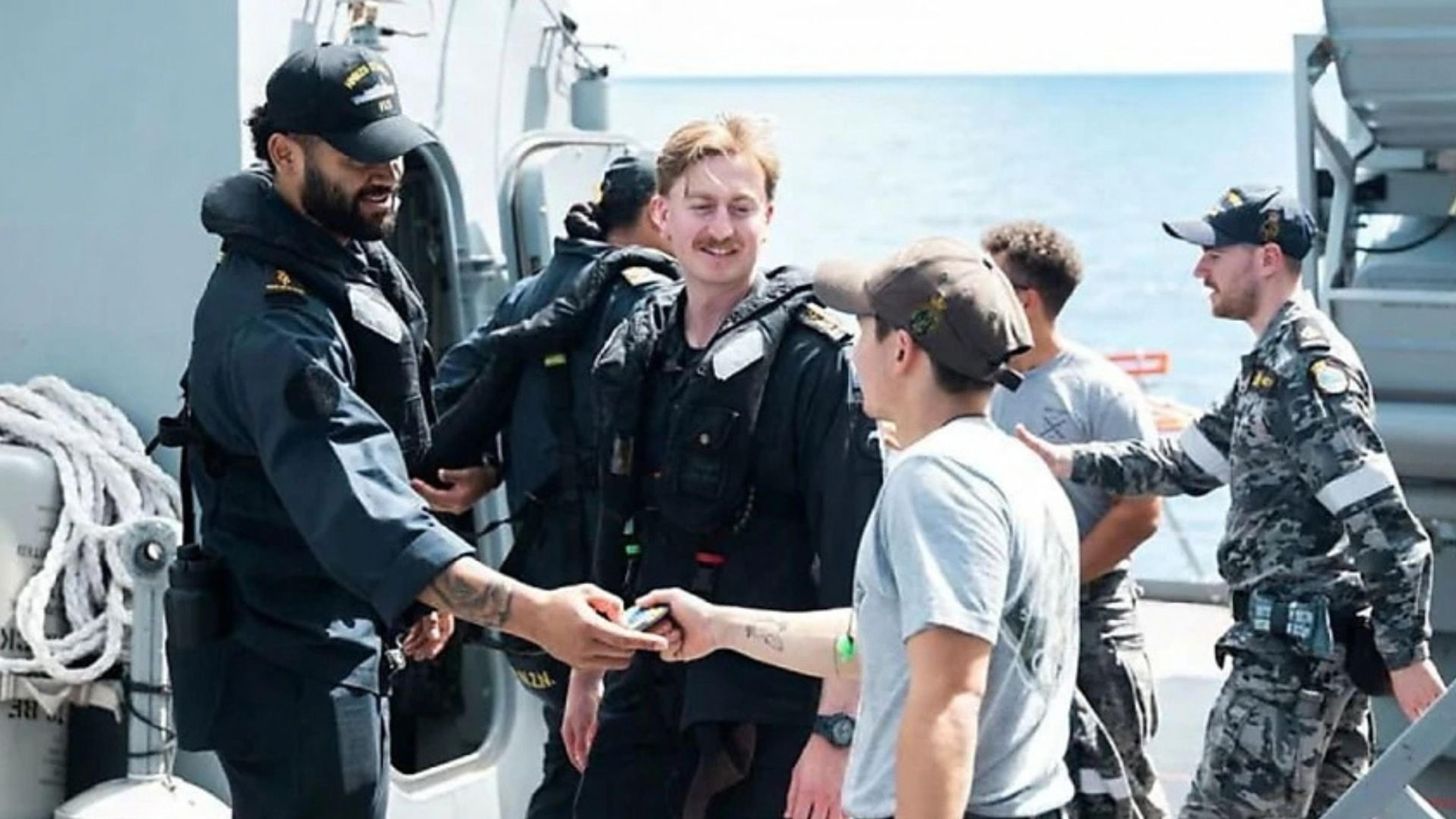
New Zealand and Australian Navy personnel work together as part of ongoing cooperation to support security and stability across the Pacific region.
Photo/defenceconnect.com.au
Politics
Aotearoa and Australia link naval operations under new Plan Tasman
The agreement brings the two navies closer in training, information sharing, capability development and operations as regional security concerns grow.

Christine Rovoi
Published
23 September 2026, 10:54am
Share
Copy Link
Top stories



Auckland teen turns a trip to Fiji into a mission to fight period poverty
Elenoa TuragaiviuThu, 15 Oct
Top stories
Auckland teen turns a trip to Fiji into a mission to fight period poverty
Elenoa TuragaiviuThu, 15 Oct
New Zealand and Australia are moving to bring their navies closer together with a new agreement setting out how the two forces will train, share information, and operate alongside each other.
Plan Tasman was signed this week by Deputy Chief of the Royal New Zealand Navy, Commodore Karl Woodhead, and his Australian counterpart, Rear Admiral Darren Grogan.
The framework is designed to support a more integrated and interoperable Anzac naval force covering personnel, training, capability development, warfighting, engineering, regulation and international engagement.
Plan Tasman also includes enhanced information sharing, training and operational alignment.
For New Zealand, the move comes as the Government and NZ Defence Force put greater focus on working with Australia and other partners in the Indo-Pacific region.
Woodhead said the latest agreement marked a change in how the two countries approach their long-standing naval relationship.
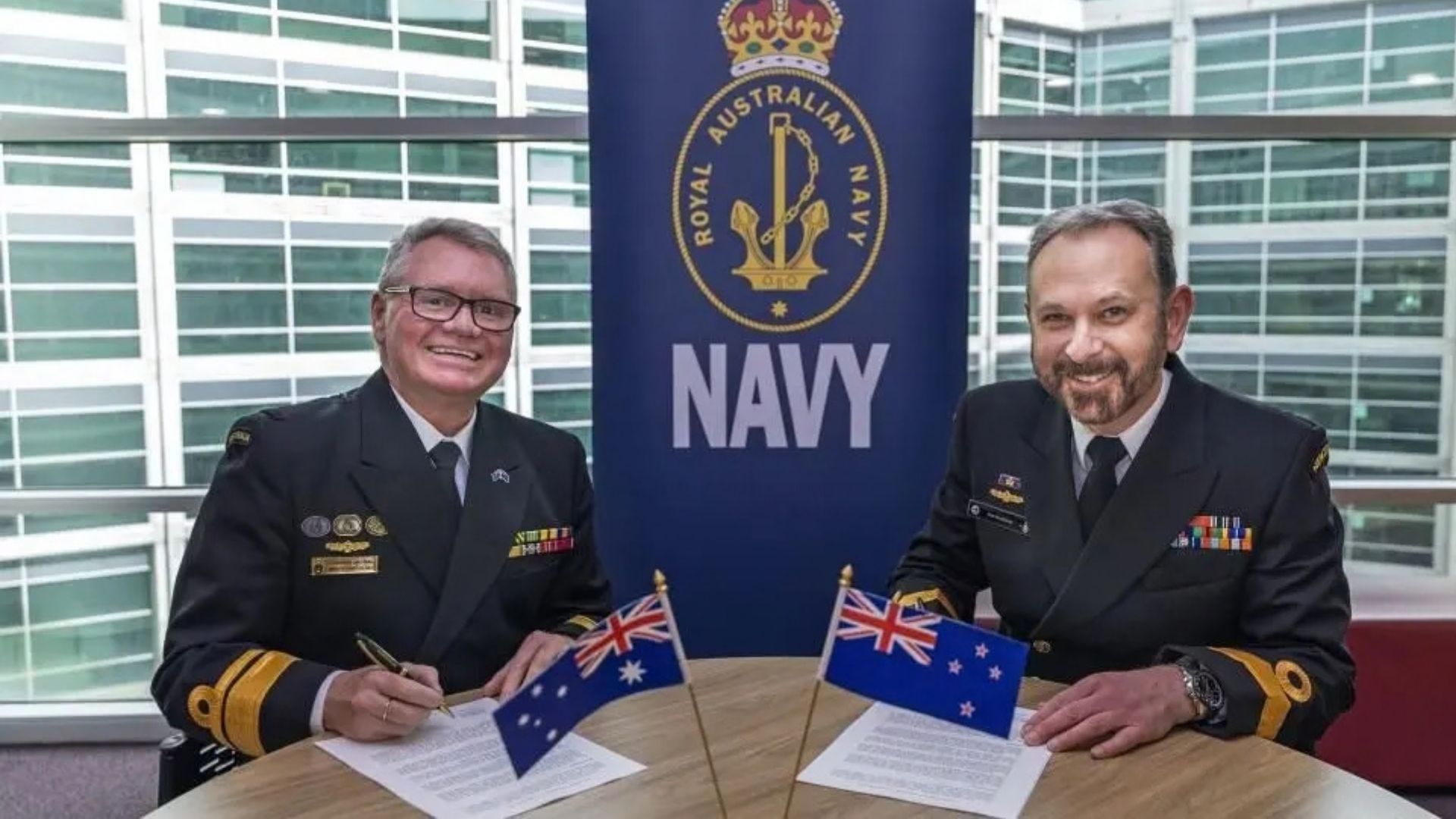
Royal Australian Navy Deputy Chief Rear Admiral Darren Grogan, left, and Royal New Zealand Navy Deputy Chief Commodore Karl Woodhead signed Plan Tasman, strengthening cooperation between the two navies. Photo/Navy Today
“Our maritime relationship was established over 160 years ago, strengthened over generations in times of both war and peacetime cooperation.
“As our region becomes increasingly contested against the backdrop of a deteriorating global security environment, our strategic guidance is to deepen and formalise the alliance.
"Plan Tasman is exactly that, signalling a shift from a history of cooperation based on tradition to integration by design.”
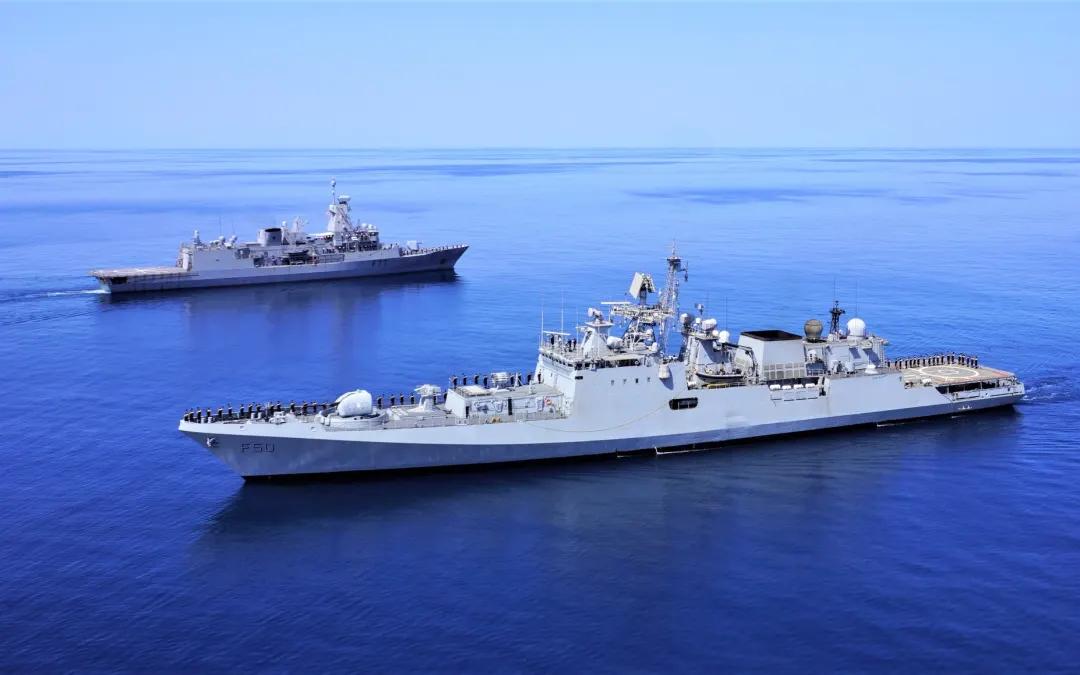
Operation Anzac Tiger, a joint New Zealand-Australia military exercise, focused on strengthening cooperation and interoperability between the two forces. Photo/NZ Defence Force
The agreement will increase cooperation on information sharing, training and operational planning, with the two navies working more closely on how they develop and use their capabilities.
The agreement comes just weeks after Pacific Islands Forum leaders met in Palau and endorsed a Regional Peace and Security Action Plan while also backing the Waqa Moana initiative to strengthen cooperation against transnational crime and other security threats.
Associate Professor Anna Powles, from Massey University's Centre for Defence and Security Studies, has said that strengthening the regional security architecture is not a new issue for Pacific countries.
Speaking with William Terite on Pacific Mornings in July about New Zealand's consideration of the Ocean of Peace Alliance, Powles said: “I think it's not surprising, certainly, and this issue, the issue of strengthening the regional security architecture is by no means new either in the region.”
She said there was still uncertainty about what the proposed Ocean of Peace Alliance would mean in practice.
Listen to Anna Powles' full interview with William Terite on Pacific Mornings below.
“There is still a degree of ambiguity to this. It is not an automatic mutual defence treaty, for instance," Powles said.
For Pacific countries, the closer military relationship comes as Aotearoa and Australia continue to describe regional security and stability as a shared priority.
The two governments have already committed to closer defence cooperation, including through the Australia-New Zealand alliance and wider Pacific engagement.
In March, their foreign and defence ministers said closer cooperation was needed as the strategic environment changed and reaffirmed the importance of the relationship to security in the Pacific.
But Pacific leaders have also been calling for greater regional ownership of security decisions.
Solomon Islands Prime Minister Matthew Wale, who was Pacific Islands Forum chair at the time, has called for a Pacific-wide regional security agreement as strategic competition grows.
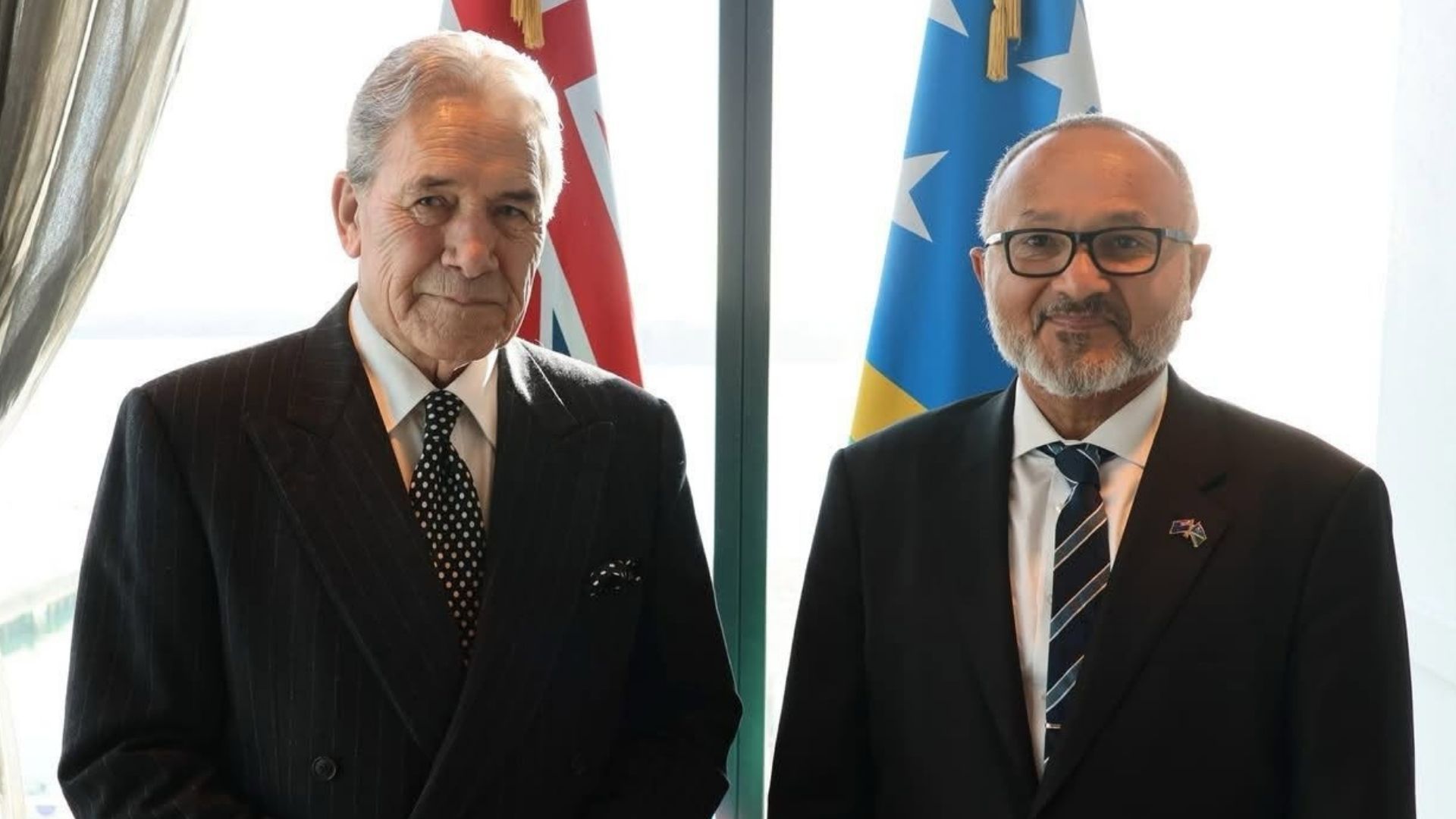
Solomon Islands Prime Minister Matthew Wale, right, with New Zealand Foreign Minister Vaovasamanaia Winston Peters during Wale’s visit to Aotearoa earlier this year. Photo/Photo/Facebook/New Zealand High Commission - Honiara, Solomon Islands
Speaking to ABC News in July, Wale said Pacific needed to assert its own agency on regional security.
“We cannot continue to naively fumble our way in terms of issues to do with defence security,” he said.
Wale said there was growing support among Pacific leaders for a stronger regional framework.
“I think there is a growing consensus, all the leaders that I have spoken to since [my discussions in] Australia see that there is a genuine need, there are gaps that such an architecture would help to plug.”
Grogan said Plan Tasman would build on the long history of cooperation between the two navies.
“Plan Tasman builds on generations of cooperation between our navies and provides a practical framework to strengthen the way we train, operate and develop capability together.”
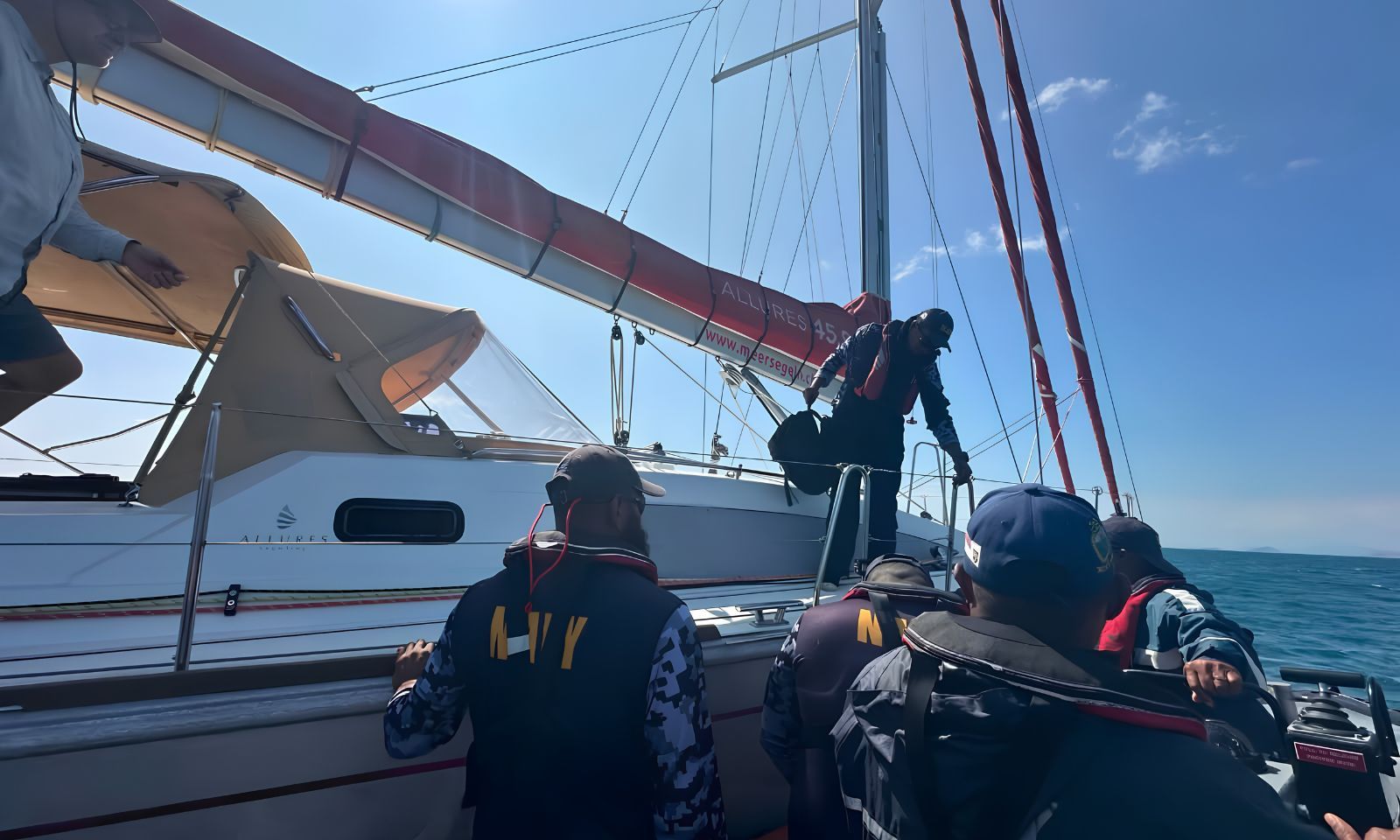
Operation Yadra Matua saw 98 vessels boarded and inspected. Photo/Republic of Fiji Navy
“As close neighbours, trusted partners and allies, this agreement will help ensure our navies remain ready to operate side-by-side and respond to shared challenges in support of regional security, stability and prosperity.”
Plan Tasman follows the signing of the Tasman Navy Framework by the two countries' naval chiefs in November 2024.
The new agreement turns that broader commitment into a framework for closer day-to-day cooperation between the Royal New Zealand Navy and Royal Australian Navy.