Solomon Islands vessel rescue sparks calls for urgent safety reforms
Lachlan EddieThu, 15 Oct

Solomon Islands Prime Minister Matthew Wale, Pacific security analyst Anna Powles and Fiji Foreign Minister Sakiasi Ditoka highlight the growing challenge for island nations as they balance security, economic ties and regional unity amid rising geopolitical pressure.
Photo/Supplied
Anna Powles says Solomon Islands is not turning away from Beijing but the country’s new approach highlights the challenge Pacific nations face as pressure grows to choose sides.



Solomon Islands is not turning its back on China but Prime Minister Matthew Wale is trying to put the relationship on different terms, a Pacific security analyst says.
Anna Powles, an Associate Professor at Massey University’s Centre for Defence and Security Studies, says Pacific island nations face growing pressure to navigate between major powers.
Across the region, governments are balancing economic ties with China against growing security partnerships with Australia, New Zealand and the United States.
The pressure is also playing out inside the Pacific Islands Forum where countries have struggled to find common ground over China’s recent missile test and how the region should respond to growing strategic competition.
Speaking with William Terite on Pacific Mornings, Powles says Wale’s review of the 2022 security agreement is best understood as a reset, rather than a break with Beijing.
“It is a reset. It's not a pivot away from China,” she said.
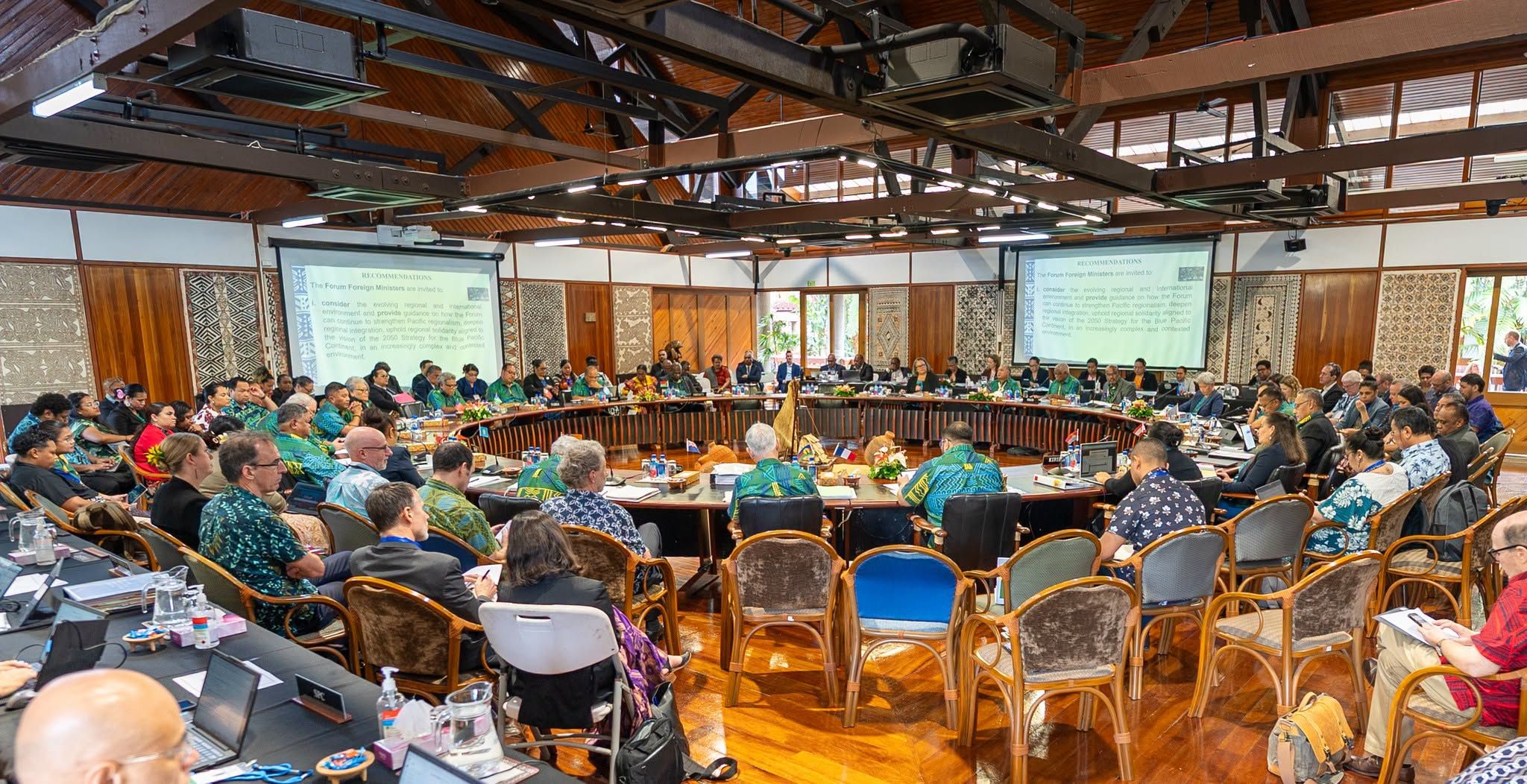
Pacific Islands Forum foreign ministers met in Suva last week as the region worked through differences over China’s recent missile test and how Pacific countries should respond to growing strategic tensions. Photo/Pacific Islands Forum
Powles says China remains an important economic partner for Solomon Islands, pointing to high-level delegations between the two countries since Wale’s government came to power.
“There have been high level delegations from Solomon Islands visiting China since the Wale government was elected. So this is not a pivot away.”
But she says security is where the relationship is more complicated. Wale has raised concerns about the lack of transparency around the agreement signed in 2022 including saying he was only allowed to read it one day before an official meeting in Canberra this year.
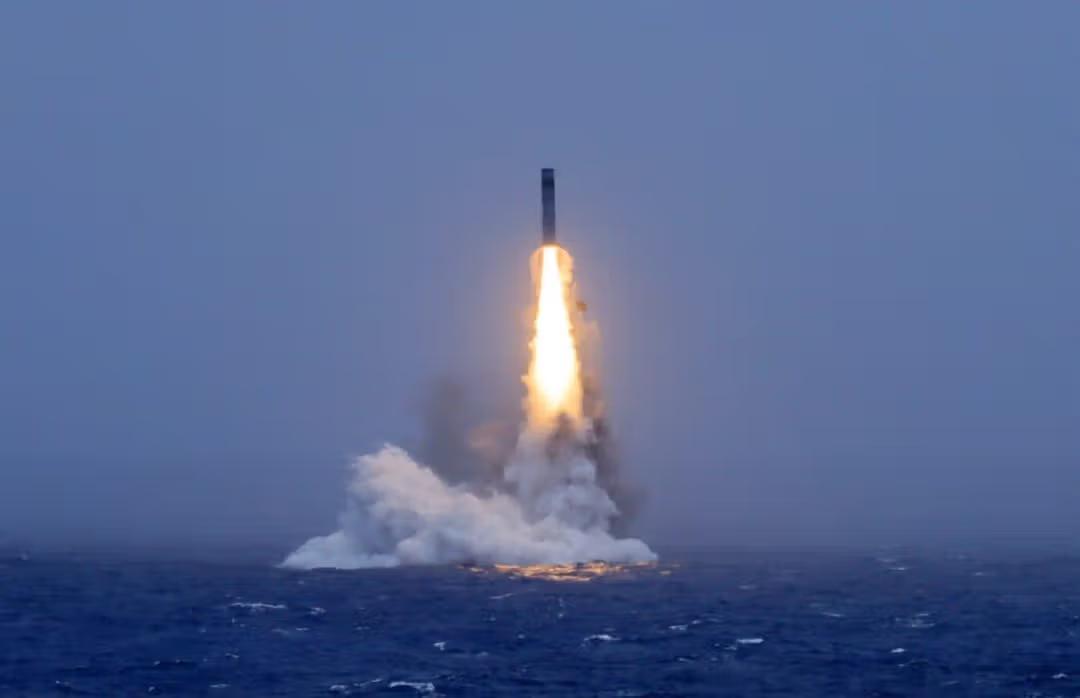
China’s submarine-launched ballistic missile test in the Pacific has raised security concerns across the region and exposed differences among Pacific countries over how strongly to respond. Photo/Instagram
Powles says those concerns are not new: the review of the 2022 security agreement reflects long-standing concerns in Solomon Islands about how the deal was handled and the lack of transparency around it.
“It really does speak to many of the concerns that media, Solomon Islands media themselves raised at the time that there was a lack of transparency.”
She says Wale is now trying to find a middle ground, maintaining important economic ties with China while strengthening security relationships with Australia, New Zealand and other Pacific countries.
“Well, it's very clear that he is taking a middle road,” she said, pointing to Wale’s strong response to China’s submarine-launched ballistic missile test in the Pacific in July is another sign of that position.
But the balancing act is not unique to Solomon Islands.
“Again, the challenges of balancing the economic and the security relationships is obviously an issue that many Pacific island countries experience.”
That tension was on display at last week’s Pacific Islands Forum Foreign Ministers Meeting in Suva where ministers did not immediately agree on a statement about China’s missile test.
Powles says the disagreement was not surprising with Kiribati and Nauru having their own interests and reasons for not signing up to a statement criticising China.
The bigger concern, she says, is what repeated disagreements could mean for the Pacific’s collective voice.
“The concerns that many of us have shared since then is that obviously regional unity is fundamentally important to the strength of the collective strength of the region itself.”
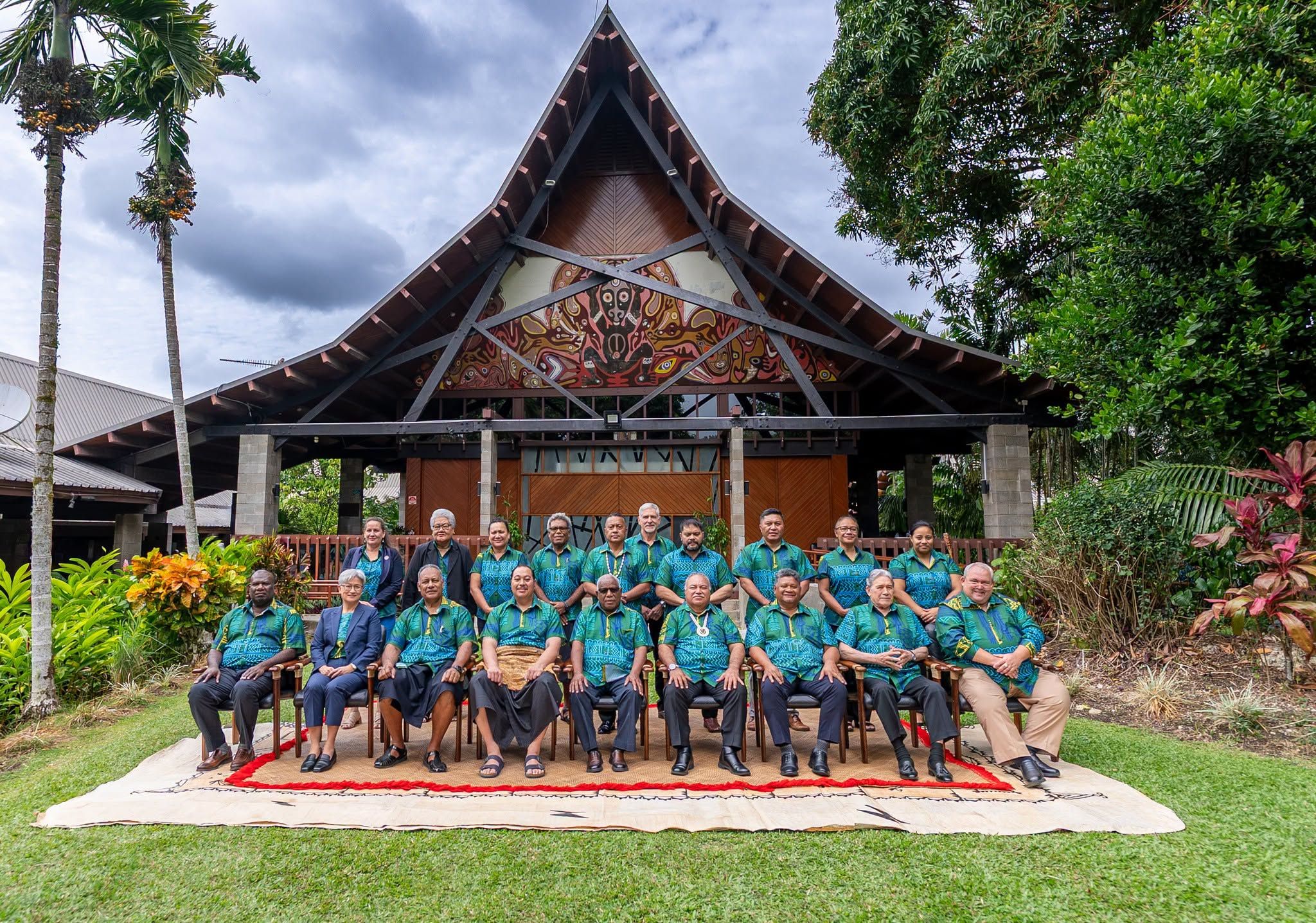
Pacific foreign ministers gathered in Suva to discuss regional security, unity and the growing pressure of geopolitical competition, with the response to China’s missile test among the key issues. Photo/Pacific Islands Forum
But Fiji’s Foreign Minister Sakiasi Ditoka says unity remains central to the Forum’s approach. “We must stand together to make our position strong,” he said.
Solomon Islands Foreign Minister Rick Houenipwela also stressed that differences over the missile test did not mean countries were blocking a regional response.
“We respect sovereign positions on any matter, however serious they may be, but in this case, ministers around the table did discuss to their best of Pacific way to understanding each other.”
Powles says the Forum’s consensus model should not be abandoned.
Instead, she says Pacific countries need space to work through difficult disagreements without the growing competition between major powers taking over regional meetings.
Listen to Anna Powles' full interview below.
“I think the challenge here is to have these conversations, these very, very challenging and potentially divisive conversations, for them to be conducted out of the public sphere for a start, so that we are able to dial down the intensified geopolitical pressure that seems to surround and occupy so many key regional meetings these days.”
That pressure is set to follow Pacific leaders to Palau later this month for the Pacific Islands Forum Leaders Meeting.
China is already objecting to Taiwan attending the meeting while Australia and Fiji have deepened their security relationship through the new Ocean of Peace Alliance.
Powles says the challenge for Pacific leaders is making sure those competing interests do not drown out the region’s own priorities.
She hopes the Palau meeting will focus on the wider issues facing the Forum, including the review of the region’s architecture and how strategic and development partners should engage with Pacific countries.
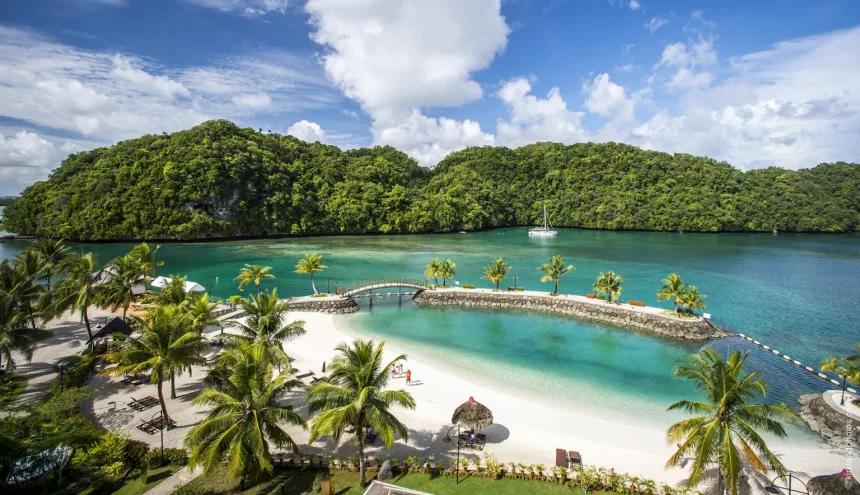
Palau is preparing to host Pacific leaders later this month for the Pacific Islands Forum Leaders Meeting, where regional unity, security and the response to China’s missile test are expected to be key issues. Photo/outlooktravelmag.com
“Hopefully, the geopolitics of it all won't necessarily overtake those core issues.”
For Solomon Islands, Prime Minister Wale’s China reset is therefore about more than one security agreement.
It is a test of whether Pacific countries can maintain relationships with powerful partners while still setting the terms of their own security and regional future.
The issue will now move to the Pacific Islands Forum Leaders Meeting in Palau later this month, where leaders will face the challenge of finding common ground while protecting the region’s right to set its own security agenda.