Cocaine traffickers exploit Pacific tuna routes as drug seizures mount, report reveals
Christine RovoiWed, 14 Oct
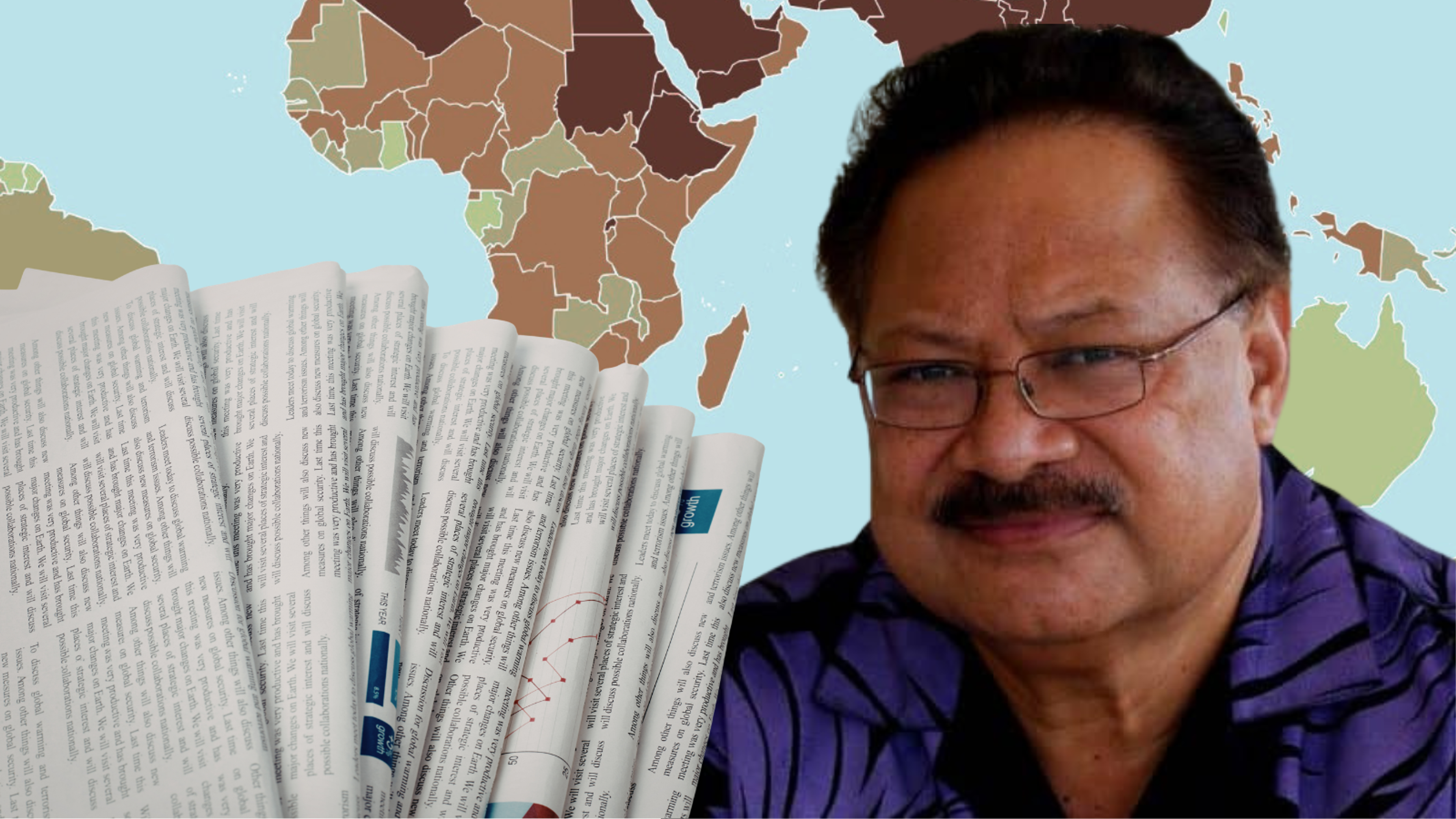
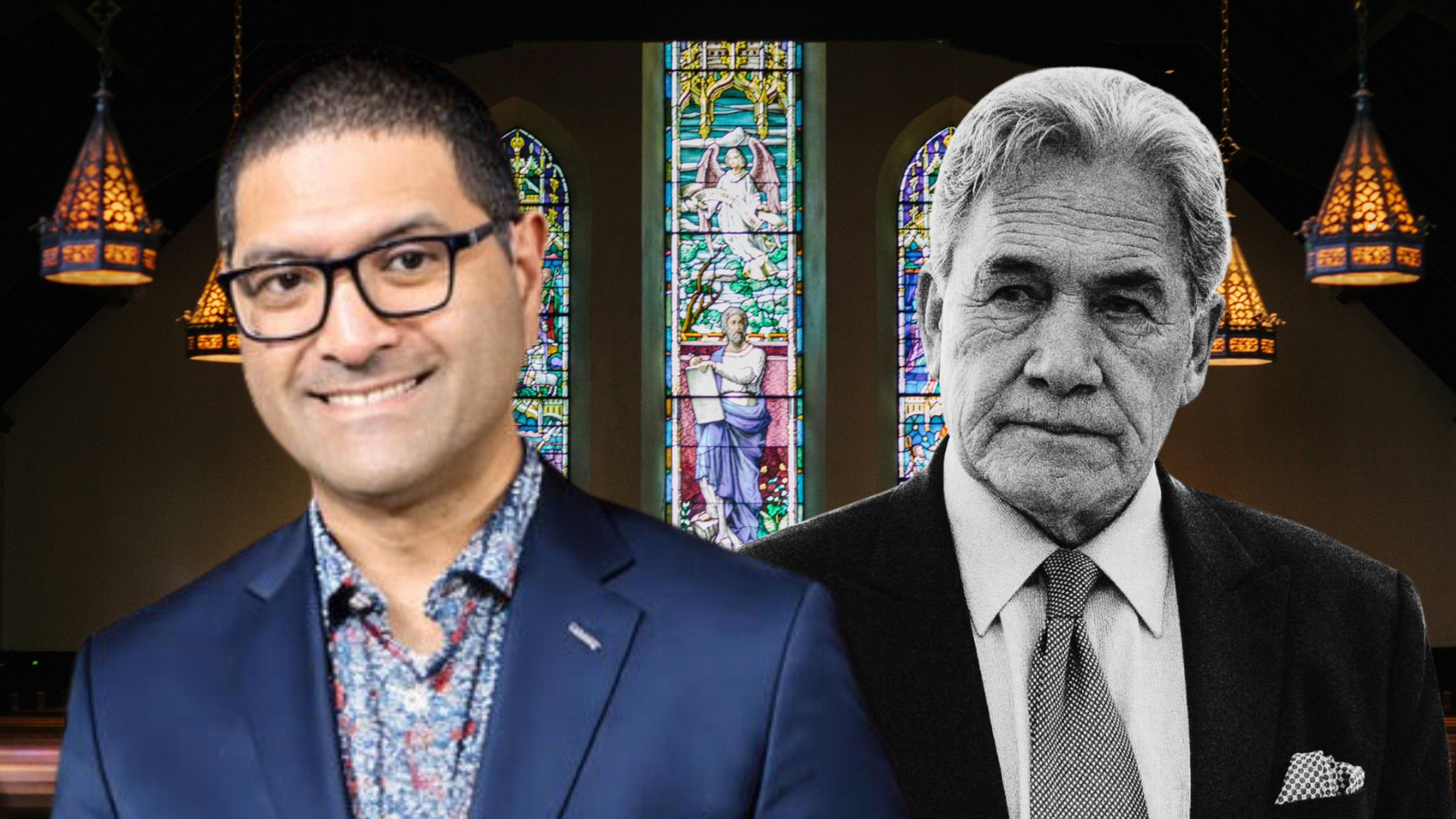
Kalafi Moala, veteran Tongan journalist and President of the
Photo/Composite
The World Press Freedom Index warns of a global decline in journalism safety driven by legal pressure, political scrutiny and AI-powered fake news.

Fiji has shot up the world rankings for press freedom but the victory feels hollow as journalists across the Pacific face a wave of court battles, police raids, and vicious online abuse.
The 2026 World Press Freedom Index, released on Monday by Reporters Without Borders, shows Fiji climbing to a record 24th in the world.
But the celebration is being cut short. In Sāmoa, the media has plummeted to its lowest ranking ever (59th), and in Fiji, despite the "freedom”, reporters are still being summoned to court and having their phones seized by police.
The global watchdog warns journalism is at a 25-year low. From AI-generated ‘fake news’ on Facebook to politicians bullying reporters, the job of telling the truth in the Pacific has never been more dangerous.
Sāmoa falls to lowest ranking after election fallout
The biggest shock in the report is Sāmoa’s collapse. After a messy 2025 election cycle, the island nation - once the ‘gold standard’ for Pacific media - has seen its ranking fall off a cliff.
It isn’t only about politics, it’s about safety. Women journalists are being targeted with threats for simply doing their jobs.
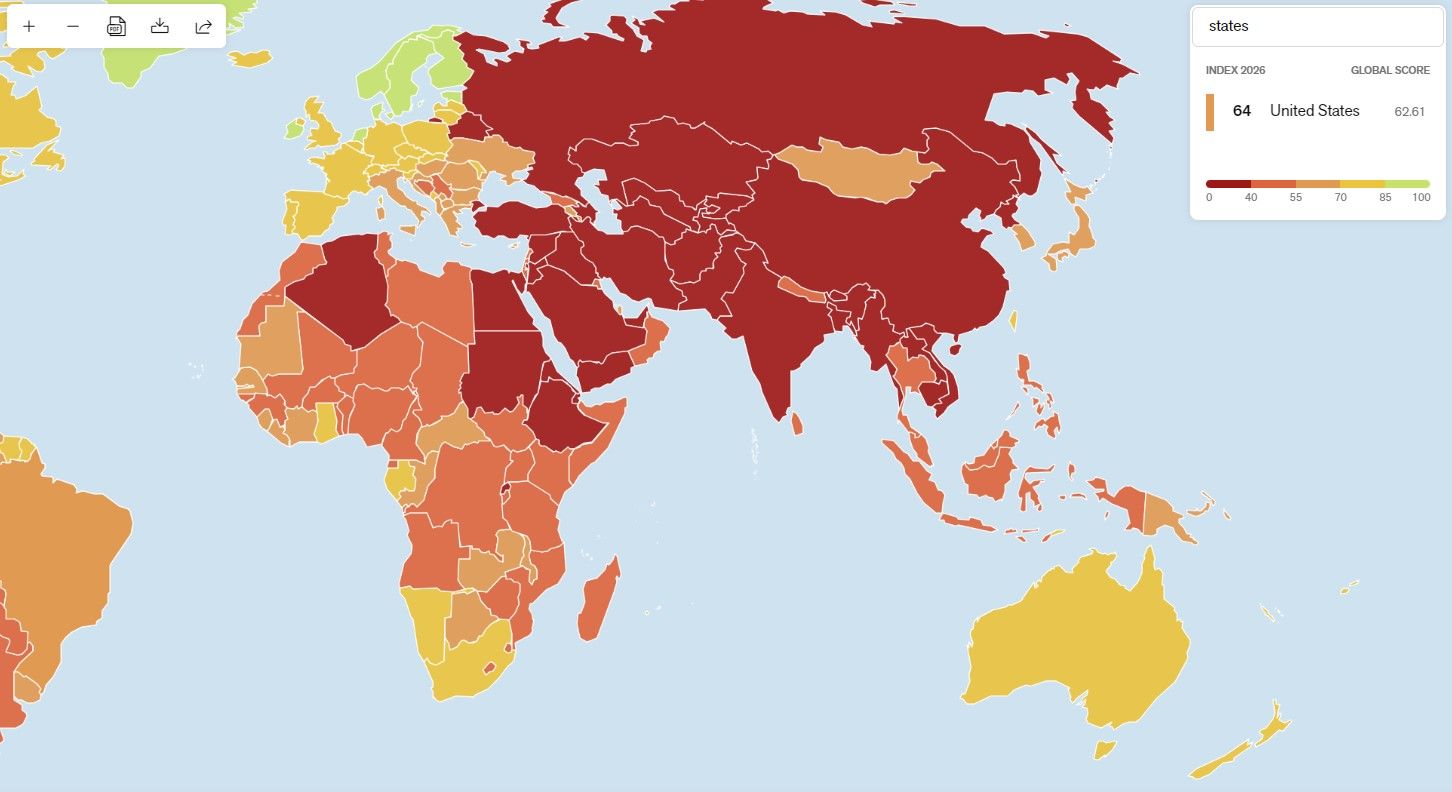
The World Press Freedom Index reports a 25-year low. Image/RSF
Rula Sua Vaa, head editor of TV1 Sāmoa News, told ABC she received threats against her and her family while covering the fallout between the Fa’atuatua i le Atua Sāmoa ua Tai (FAST) party and former Prime Minister Fiamē Naomi Mataʻafa.
The United Nations’ Women Asia and the Pacific reports that 45 per cent of women in Pacific media now self-censor online just to avoid the abuse.
As the UN stated on social media: “Behind every silenced voice is a growing crisis of digital violence, weak accountability, and threats to press freedom,” it says in a social media post.
Kalafi Moala, President of the Pacific Islands News Association, says the biggest threat might actually be the “free” money being offered by foreign powers.
He says Pacific journalists are operating under dual pressures of political control and digital disinformation.
“In small island states, where information ecosystems are fragile and resources are limited, the impact can be immediate and damaging, undermining public trust, fueling division, and threatening social cohesion,” he says in a statement.
Listen to Kalafi Moala's full interview below.
Fiji gains overshadowed by legal scrutiny
Fiji’s rise to 24th is a big win following the repeal of the old, ‘draconian’ Media Act in 2023.
But the Fijian Media Association warns these gains are “tenuous”.
This year alone, senior reporters Lavenia Lativerata (Mai TV) and Jake Wise (The Fiji Times) were summoned to testify in court while Meri Radinibaravi, an investigative journalist, had her phone seized by police over a Facebook post earlier this week.
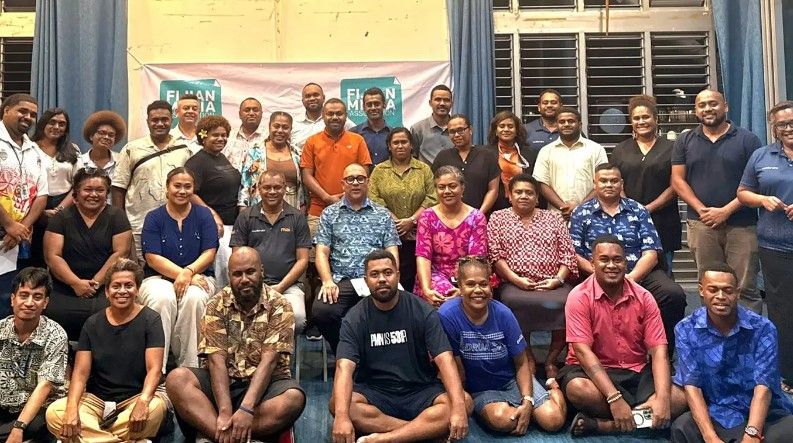
The Fijian Media Association at its AGM in March. Photo/Facebook
Clayton Weimers, Reporters Without Borders North America Executive Director, says the global situation is critical.
“Journalists continue to be killed and jailed, but journalism itself is now threatened by economic headwinds, the criminalisation of reporting, and a hostile political climate. There is no freedom without press freedom,” he says in a social media post.
Across the region, the 2026 Index shows a Pacific moving in two directions.
While the laws are getting better in some countries, the digital and financial pressure on journalists is reaching a breaking point.
For Moala, the mission remains simple but difficult: “Tell the stories that's right there in front of us... and for somehow, we'll get there.”
For more information on the Pacific Islands News Association, click here.