Kiwis suffer last-gasp heartbreak as the Kangaroos snatch World Cup opener
Christine RovoiFri, 16 Oct
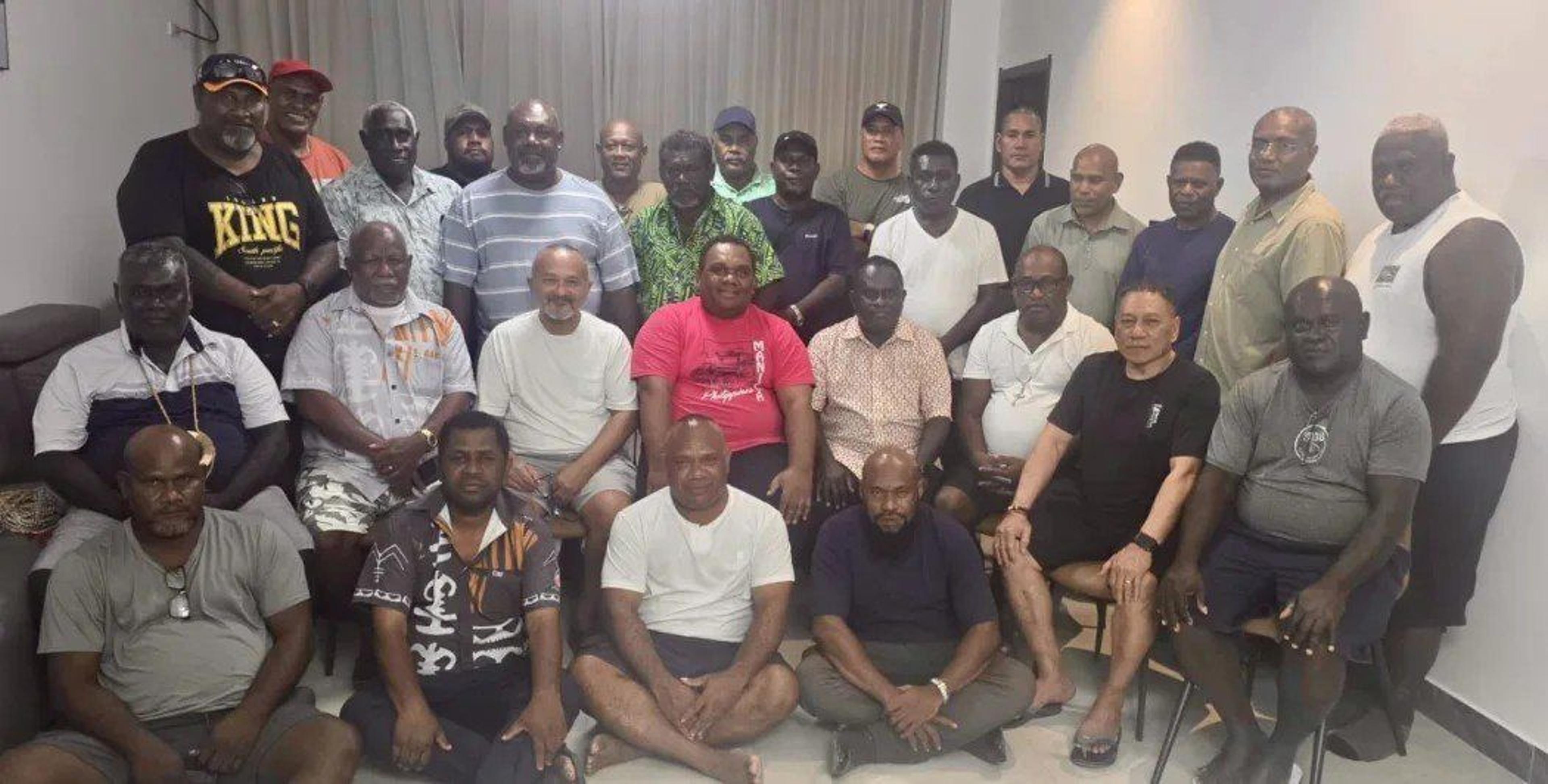
Members of an opposition group wanting to oust Prime Minister Jeremiah Manele argue that "internal bickering" and a total breakdown of trust within the government ranks left them no choice but to move for the PM’s removal.
Photo/Solomon Islands Opposition Office
The Solomon Islands government has criticised the opposition’s bid to oust the prime minister as a "baseless" power grab.




It was a day of high drama in the Solomon Islands Parliament as the government and opposition finally went head-to-head, not just over who should lead but over whether the motion to topple the Prime Minister had any legs to stand on.
The highly anticipated no-confidence debate took a sharp turn early on Thursday when government MPs launched a blistering attack on the mover of the motion, Frederick Kologeto (MP for South Vella La Vella).
The core of their argument? The opposition had marched the country to the brink of a crisis without actually explaining why.
During the live debate, senior government ministers repeatedly called out Kologeto for what they described as a lack of substance.
While a motion of no confidence is a standard democratic tool, government benches argued that the mover failed to justify the move with specific allegations of misconduct or policy failure.
“You have brought this house and this nation to a standstill,” one government member argued, “yet you cannot reveal to this house the reasons behind this motion. Where is the justification?”
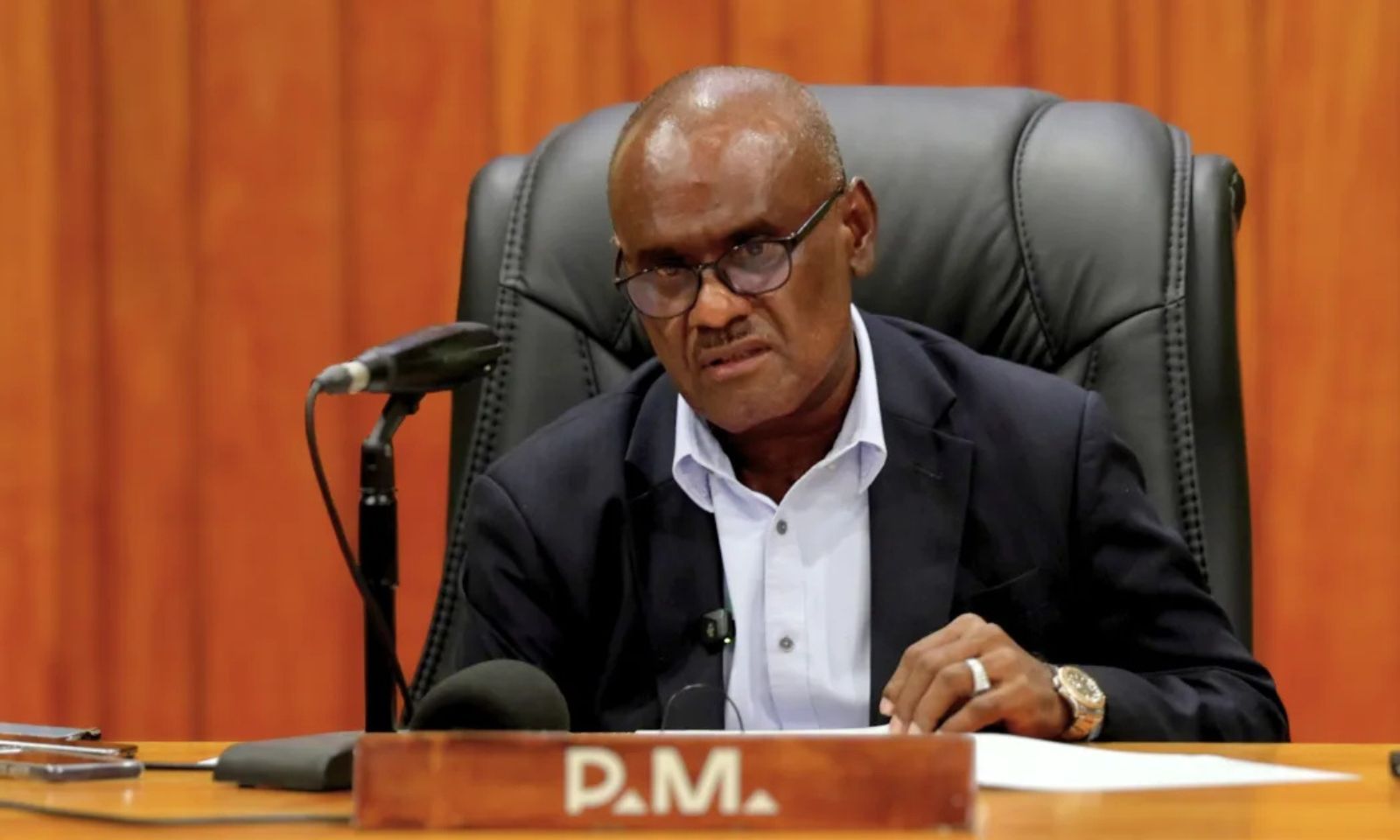
Prime Minister Jeremiah Manele has been listening as his government hits back at the opposition, challenging his rivals to prove their claims of instability and justify why the country should face a leadership change mid-term. Photo/Solomon Islands Government/file
The government’s strategy was clear: paint the "New Coalition" as a group hungry for power but empty on plans.
They framed the defections of the 19 MPs back in March as "personal and political" opportunistic moves rather than a principled stand on national issues.
On the other side, Kologeto and the opposition leaders maintained that the mass defection itself was the evidence.

Frederick Kologeto, MP for South Vella La Vella, has been at the centre of the political storm in Honiara this week as the mover of the no-confidence motion against Prime Minister Jeremiah Manele. Photo/FFA
The Opposition says the core reason for the move is the deep-seated internal bickering within the government ranks, which they claim has led to a total breakdown of trust.
Their argument leaned on the idea that when nearly half of a government’s own ministers walk out, the "lack of confidence" is self-evident.
Opposition leader Matthew Wale had previously hinted that the rift was due to a "lack of trust" and concerns that the government had "lost its sense of direction."
But on the floor of the house, the government side kept the pressure on the lack of a "smoking gun" or a clear list of grievances in the formal motion.
Prime Minister Jeremiah Manele, who had earlier described the showdown as a "normal part of a maturing democracy", watched on as his frontbenchers defended his record.
They pointed to his compliance with the Court of Appeal and his efforts to maintain peace in the "Hapi Isles" despite weeks of legal deadlocks.
Watch the debate in the Solomon Islands Parliament below.
The debate highlighted the deep-seated "personality politics" that often dominate in Honiara.
As experts have noted, in the Solomon Islands, alliances are fluid and often driven by personal interests rather than rigid party lines.
Beyond the legalities and the court orders, the debate was a test of who could hold their nerve.
The government’s focus on Kologeto’s "missing reasons" was designed to sow doubt among the crossbenchers and the public, making the opposition look unprepared to actually govern.
As the debate wrapped up, it was clear that while the court had forced the meeting, the court of public opinion was being fought over every word spoken at the dispatch box.
The debate continues. The no-confidence vote is expected to be held later today.