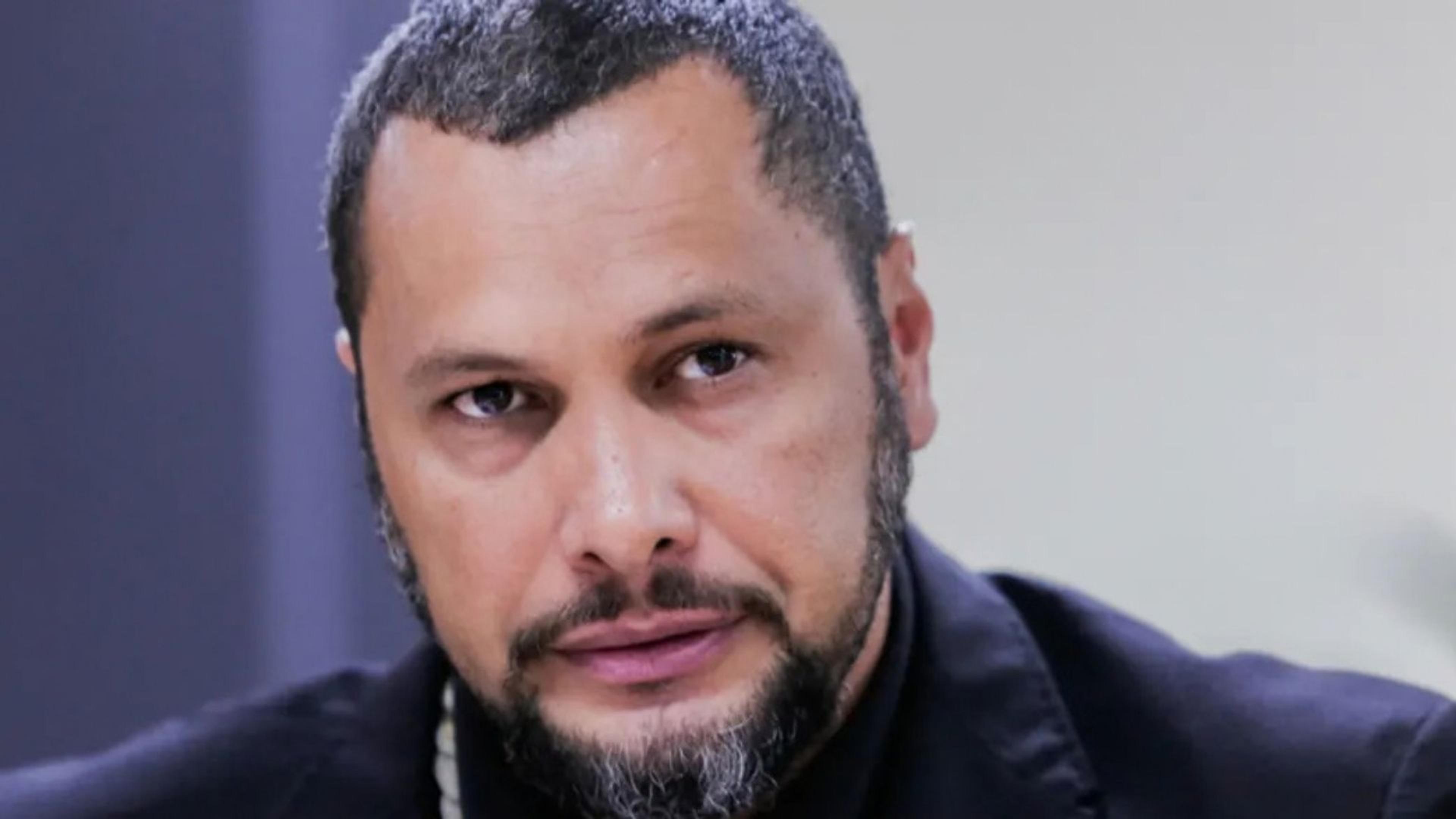
Oro Provincial Governor Gary Juffa says resource laws in PNG and Solomon Islands need reform to better protect landowners.
Photo/Facebook/Loop PNG
Pacific Region
PNG governor warns outdated resource laws leave landowners in Melanesia exposed
Gary Juffa says Papua New Guinea and Solomon Islands need stronger laws and leadership to stop powerful interests gaining control of natural resources in both countries.

Christine Rovoi
Published
30 September 2026, 8:00am
Share
Copy Link
Top stories

From Ōtara, NZ to Los Angeles: David Liti lifts up the next generation
Elton Lonaratha JnrMon, 19 Oct
Washington warnings mount as four Pacific nations risk loss of US aid
Christine RovoiTue, 20 Oct

'Watch out': Silver Ferns issue clear warning to Diamonds ahead of Christchurch clash
Brooke FonotiMon, 19 Oct
Top stories
From Ōtara, NZ to Los Angeles: David Liti lifts up the next generation
Elton Lonaratha JnrMon, 19 Oct
Washington warnings mount as four Pacific nations risk loss of US aid
Christine RovoiTue, 20 Oct
'Watch out': Silver Ferns issue clear warning to Diamonds ahead of Christchurch clash
Brooke FonotiMon, 19 Oct
Papua New Guinea and Solomon Islands risk losing control of their natural resources to powerful foreign interests unless they overhaul laws that still reflect the colonial era, Oro Provincial Governor Gary Juffa says.
Across Melanesia, customary landowners can face complex legal systems that separate ownership of land from control of the resources beneath it.
Juffa says that gap can leave communities with limited power over decisions about mining, logging, and other resource projects on or around their land.
The issue is already being debated in Solomon Islands where Parliament is considering changes to the country's mineral resources laws.
The Solomon Islands Bills and Legislation Committee has called for more consultation with landowners and provincial governments before the Mineral Resources Bill 2025 progresses.
Gold Ridge landowners in central Guadalcanal Island have also raised concerns about proposed changes to mineral ownership and benefit-sharing.
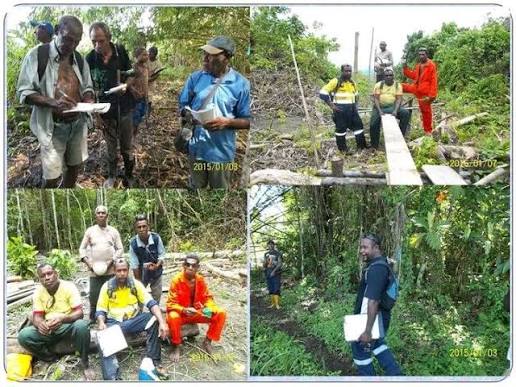
Papua New Guinea’s natural resource sector includes large-scale mining and forestry operations with questions around regulation, resource ownership and benefits to customary landowners. Photo/Facebook/IHU Open Forum
The government in Honiara says it is working on wider reforms to customary land and forestry laws.
Speaking exclusively to In-depth Solomons at the Asia Pacific Forest Crime Network meeting in Cairns, Australia, Juffa said outdated resource laws in both countries could leave customary landowners with little control over what lay beneath their land.
“Many of these laws are outdated colonial laws. They are not our laws; they are their laws,” Juffa said. “We have attained political independence, but to attain economic independence, we must have our own laws, especially for resource development.”
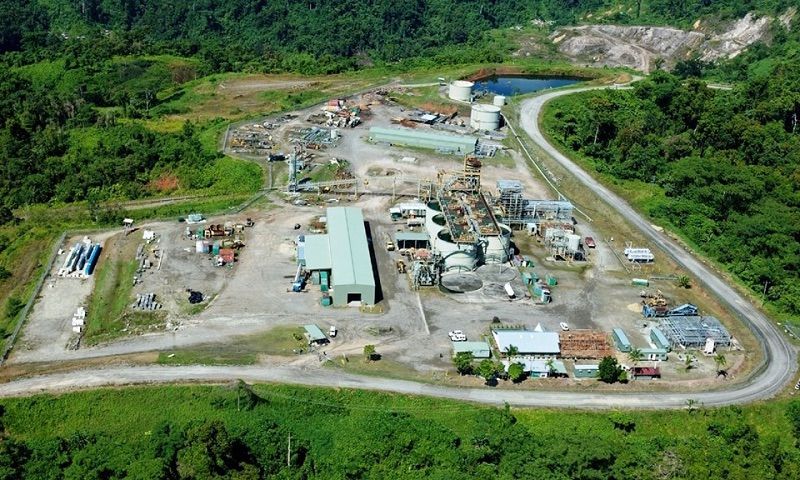
Gold Ridge mine on Guadalcanal, Solomon Islands, where customary landowners have raised concerns about proposed changes to the country’s mineral resources law and the protection of their rights. Photo/Facebook/Kelepi Abariga
Juffa pointed to changes to PNG’s mining laws around 2009 and 2010, which he said were made without proper public consultation.
He said the legal framework means customary landowners can have rights to the surface of their land while the State controls resources underground.
“For PNG most landowners don’t realise that they are merely surface landowners,” he said.
“Everything under the land belongs to the State, and the State can then negotiate with developers. And I guess Solomon Islands must be having the same issues.”
Juffa said both countries should review their resource laws to ensure local communities receive greater benefits from mining and logging.
He also accused some companies operating in the region of using intimidation, bribery, and other tactics to gain access to resources.
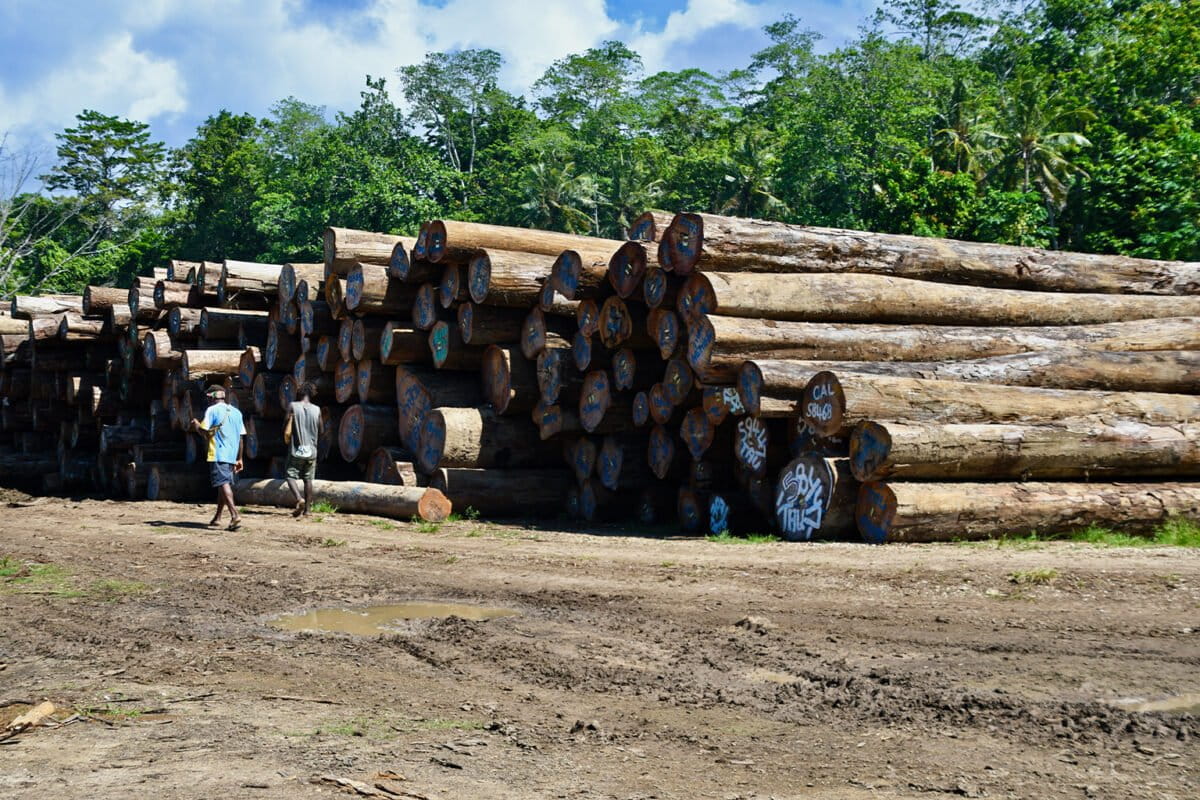
Mining and logging are major parts of Papua New Guinea’s resource sector, with Governor Garry Juffa calling for stronger oversight and reforms to protect the interests of communities and landowners. Photo/Mongabay/John Cannon
“Not genuine investors but criminal organisations. They will manipulate and threaten anyone in anyway just to get what they want,” Juffa said.
“They will entice, they will intimidate, they will bribe, they will induce. That is what they do, and only criminal organisations do that.”
Juffa said genuine investors should follow the law, pay taxes, and put the interests of the host country’s people first.
He warned that the problem could extend beyond resource extraction and described the risk as “State Capture” where powerful interests sought influence over the institutions responsible for protecting the public.
He alleged that this could include funding political parties and influencing lawmakers so laws favour those seeking access to natural resources.
Watch PNG Prime Minister James Marape's address to Parliament below.
Juffa said PNG’s experience should be a warning for Solomon Islands and called for stronger leadership and continued public sector reform.
“People have to invest in leadership rather than being bought,” he said. “We need leaders who are willing to fight like warriors to protect the interests of our country, to protect the interests of our people, current and going into the future.”
Juffa's comments come as Pacific countries face growing pressure to balance investment in natural resources with the rights and interests of customary landowners and local communities.