
LEAO claims Silver Scroll with first pure Gagana Sāmoa winner
Brooke FonotiWed, 21 Oct
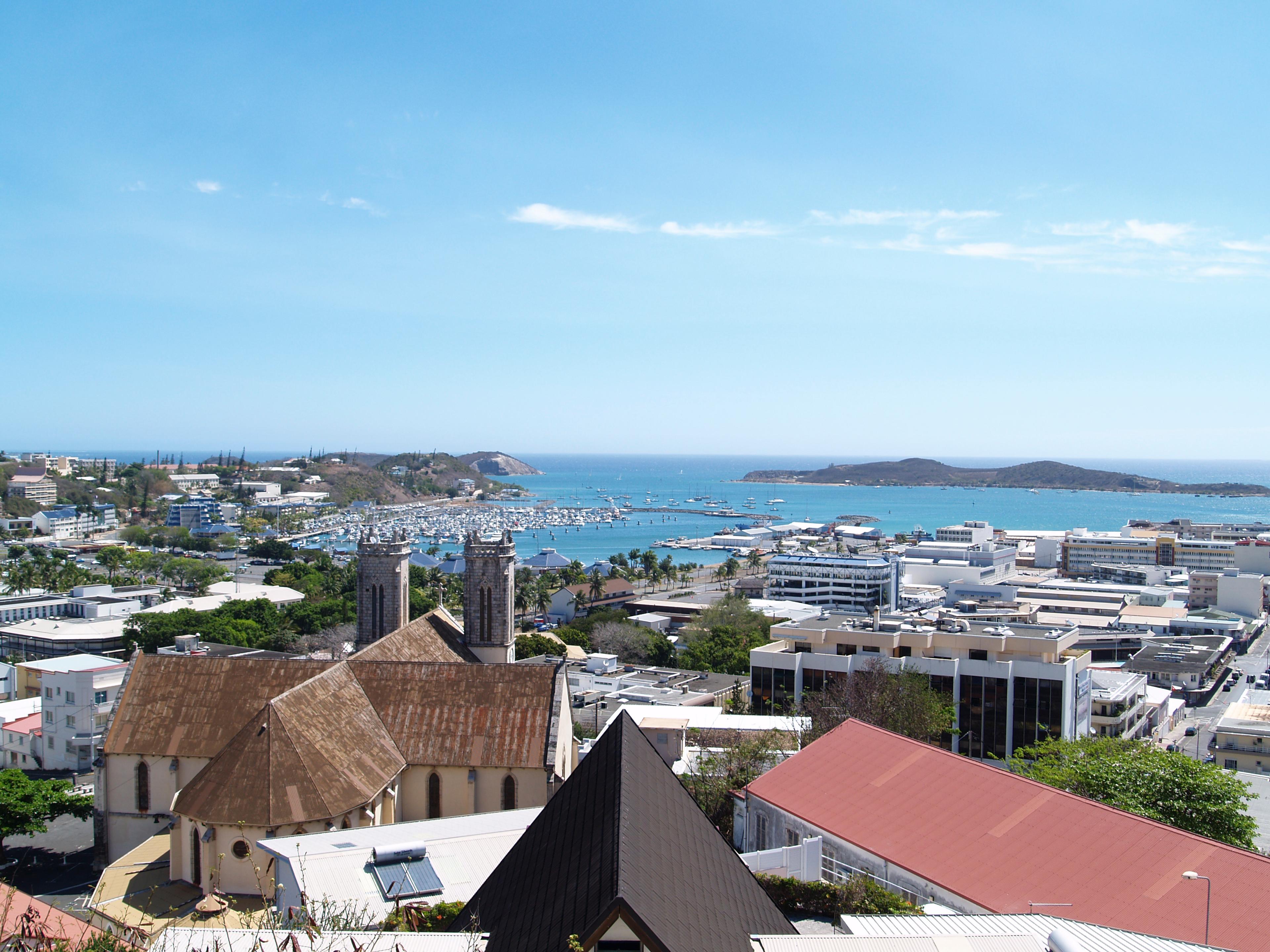
Nouméa, New Caledonia: The French Pacific territory is facing renewed political uncertainty following a political agreement signed in Paris and rejected by the main independence movement.
Photo/Thomas@RUN
A new political agreement in New Caledonia aims to bring stability, but the main independence coalition has rejected it, raising concerns across the Pacific about self-determination and regional stability.


A political agreement signed in Paris between France and five parliamentary groups in New Caledonia is being closely watched across the Pacific, even as the territory’s main independence movement, the FLNKS, has refused to participate.
The deal, intended to replace the decades-old Nouméa Accord, seeks to settle governance and economic arrangements in the French Pacific territory.
But the Kanak Socialist National Liberation Front's (FLNKS) rejection raises questions about its legitimacy and the wider implications for Pacific nations that support self-determination principles.
Pacific media correspondent Nic McLellan, speaking on PMN News’ Pacific Mornings, said the deal faces “a number of stumbling blocks on the way forward".
“There are some significant agreements in the accord and it does include two pro-independence parties as well as the main so-called loyalist groups, those that want to stay within the French Republic," he said.
"It’s an economic as well as political agreement… But to enter into law, there’s a long and complex process that has to happen. It has to go before the French Senate, the French National Assembly… Then it has to be introduced into law,” McLellan explained.
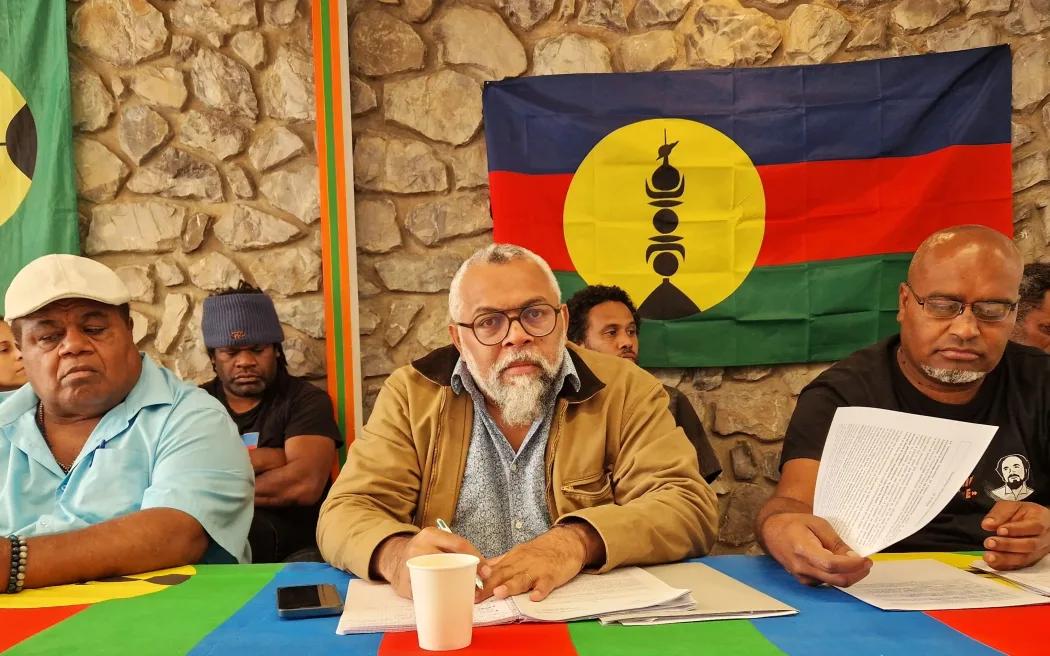
The pro-independence Union Calédonienne (UC) party, a main component of the FLNKS movement, a Kanak Socialist National Liberation Front, has rejected the Paris agreement, saying it does not respect the UN-recognised right to self-determination for the Kanak people. Photo/NC la 1ère
He warned that past agreements in New Caledonia succeeded only when all parties, particularly independence groups, were included.
“It doesn’t include key independence parties… That’s a bad sign given that it’s taken a consensus of all parties to have movement forward in the past,” he said.
The deal’s critics argue it could entrench French control. McLellan said, “Bougainville, for example, is fretting that Papua New Guinea is delaying independence.
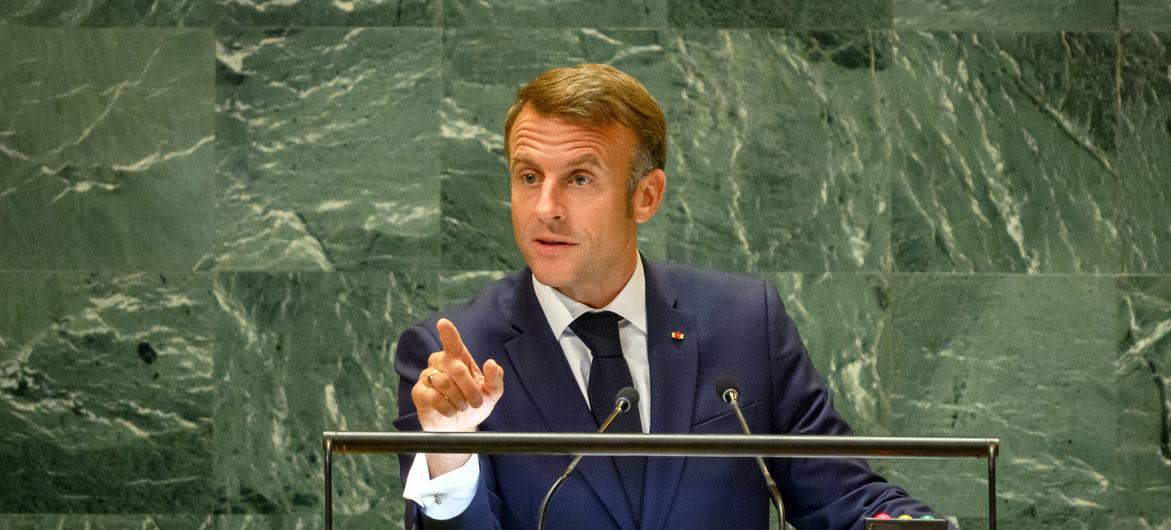
French President Emmanuel Macron has backed the agreement, which must still pass France’s parliament and a referendum before it can take effect. Photo/UN/Loey Felipe
"West Papua continues to boil on the regional agenda… These issues aren’t going away.”
In a statement, FLNKS president Christian Tēin says the agreement "endorses a passage en force and is incompatible with the way the group envisages Kanaky's decolonisation path".
FLNKS politburo member Gilbert Tyuienon also warned the movement would continue to oppose the deal, saying: “We will use every political tool available to us to re-alert, again and again the public,” he told public broadcaster Nouvelle-Calédonie La Première.
The FLNKS, in a statement, said it “unequivocally and totally rejects the agreement,” adding that the deal fails to respect the UN-recognised right to self-determination for the Kanak people.
France’s Overseas Minister, Naïma Moutchou, defended the process in an Asia Pacific Report, saying the FLNKS “was never excluded from anything. It was invited, it was approached, it was awaited, just like the other ones. It chose not to turn up".
Moutchou said the agreement was intended to allow New Caledonia to move forward, adding: “Now the territory can walk on its two legs.”
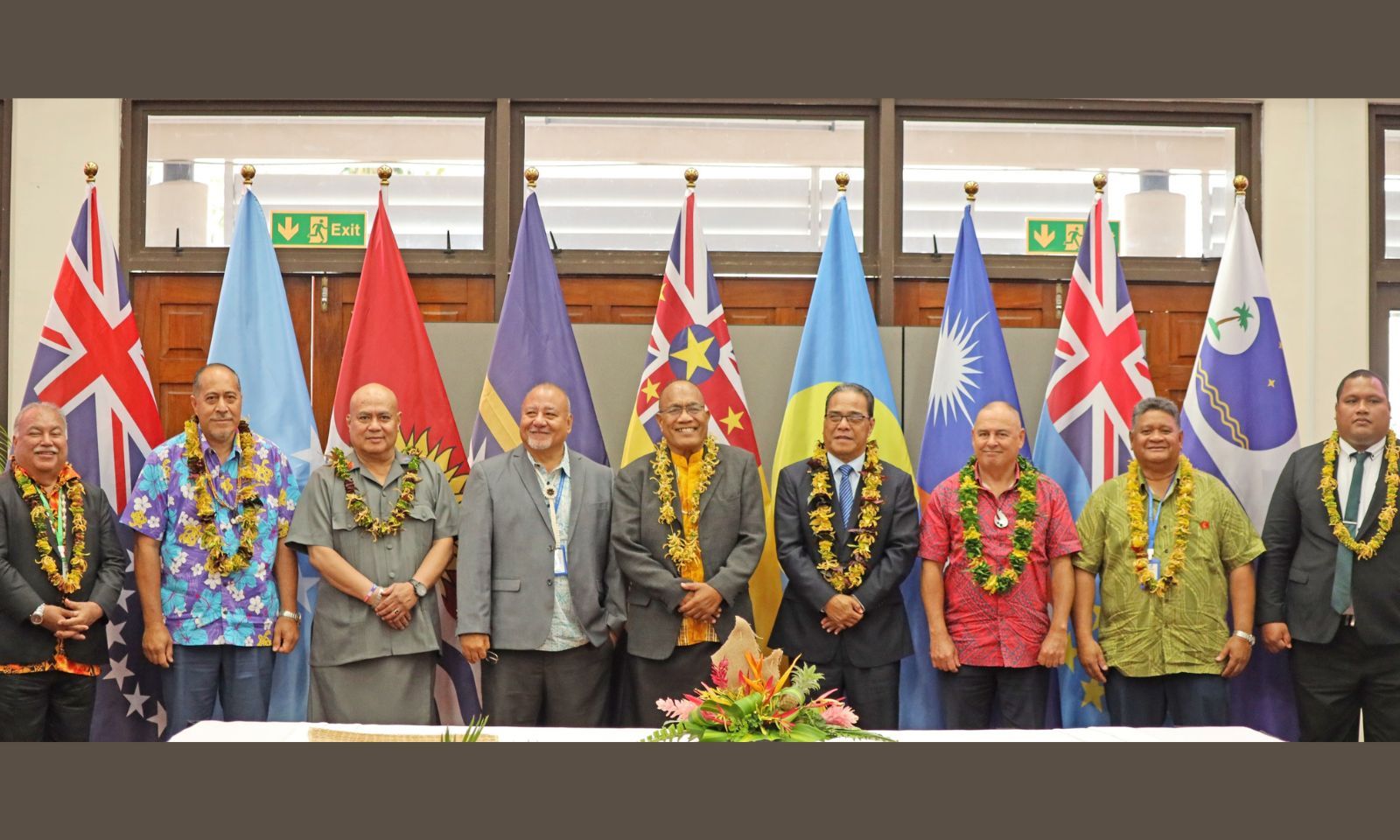
Pacific leaders are monitoring developments in New Caledonia closely, as questions over self-determination and regional stability remain unresolved. Photo/Cook Islands Ministry of Foreign Affairs & Immigration
The deal also affects local elections, which have been postponed multiple times, leaving provincial assemblies in office since 2019.
McLellan said this raises further concerns about democratic processes: “The last time there were elections for the assemblies was in May 2019.
"So parliamentarians will have been in office for seven years by the time elections come round… Not a good sign for the democratic process in New Caledonia.”
The broader Pacific region is paying attention. Australia’s and New Zealand’s governments have longstanding links with New Caledonia through education, cultural exchange, and regional security.
McLellan said, “Australia is also closely tied to France in the broader Indo-Pacific agenda… But they’re watching the chaos, and having spoken to people in Canberra, there’s uncertainty about whether French policy is radicalising people.”
For ordinary Kanak citizens, economic and social pressures add to political uncertainty.
Watch Nic Mclellan's full interview below.
McLellan noted the aftermath of violent clashes in 2024, which saw 15 deaths and more than 6000 detained.
“People are pretty tired, stressed out… The economy is in terrible shape… Public services have been badly battered,” he said.
As New Caledonia navigates this latest agreement, Pacific nations and local communities alike are left weighing whether it represents a path to lasting stability or another unresolved chapter in the territory’s long struggle for self-determination.