
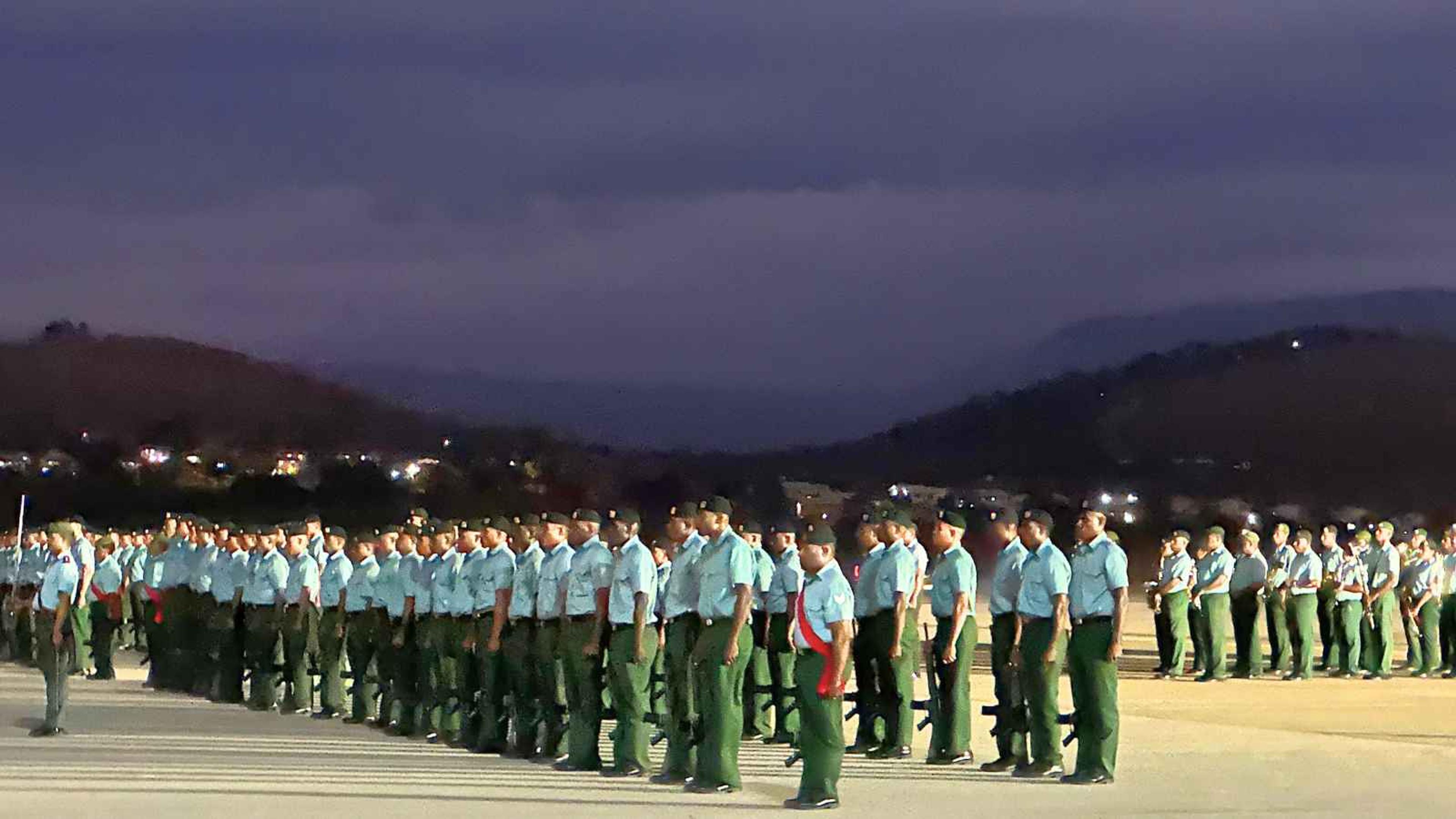
Pacific leaders have been urged to unite as a new report warns climate change remains the region’s biggest security threat.
Photo/PMN News/Ala Vailala
Pacific Region
Pacific faces growing ‘polycrisis’ as climate change drives security risks across region
A major report warns the Pacific is under pressure from rising seas, cyber threats, organised crime, and global power rivalry, with climate change risks still identified as the region’s greatest threat.

'Alakihihifo Vailala
Published
17 April 2026, 2:14pm
Share
Copy Link
Top stories
'Nightmare': Why NZ govt declined visa for woman stranded in the Cook Islands
Shalveen Chand, Cook Islands NewsWed, 14 Oct

Kiwis’ forward pack holds key to World Cup opening clash against Australia, experts say
Elton Lonaratha JnrThu, 15 Oct
Niue wildfire burned for nine days as new truck arrives from Aotearoa
PMN NewsThu, 15 Oct
Top stories
'Nightmare': Why NZ govt declined visa for woman stranded in the Cook Islands
Shalveen Chand, Cook Islands NewsWed, 14 Oct
Kiwis’ forward pack holds key to World Cup opening clash against Australia, experts say
Elton Lonaratha JnrThu, 15 Oct
Niue wildfire burned for nine days as new truck arrives from Aotearoa
PMN NewsThu, 15 Oct
The Pacific is facing a growing mix of crises at the same time - from rising seas and extreme weather to cyber attacks, crime networks and rising tension between global powers.
A major new report, the Pacific Security Outlook Report 2026, says these pressures are now overlapping in what it calls a “polycrisis”, putting growing strain on Pacific countries.
But it is climate change that remains at the centre of the warning.
“In this complex global security dynamic, climate change remains the single, greatest threat to Pacific security, wellbeing and prosperity and all climate indicators are worsening," the report says.
The report, produced by the Pacific Islands Forum Secretariat and Pacific Fusion Centre, says countries across the region are being forced to deal with several threats at once including coastal damage, stronger storms, food supply risks and rising organised crime.
It warns that while global attention is mostly on wars and major power competition, Pacific nations are still dealing with urgent climate impacts at home.
These include coastal erosion, pressure on fisheries, and growing food insecurity as weather patterns become less stable.
A new Dutch study also adds to concerns about rising seas. It found that coastal sea levels may have been significantly underestimated in past research by almost 70 per cent.
Researchers say many earlier studies on coastal risks including tsunamis, storm surges, and sea level rise, used models that now appear too low.
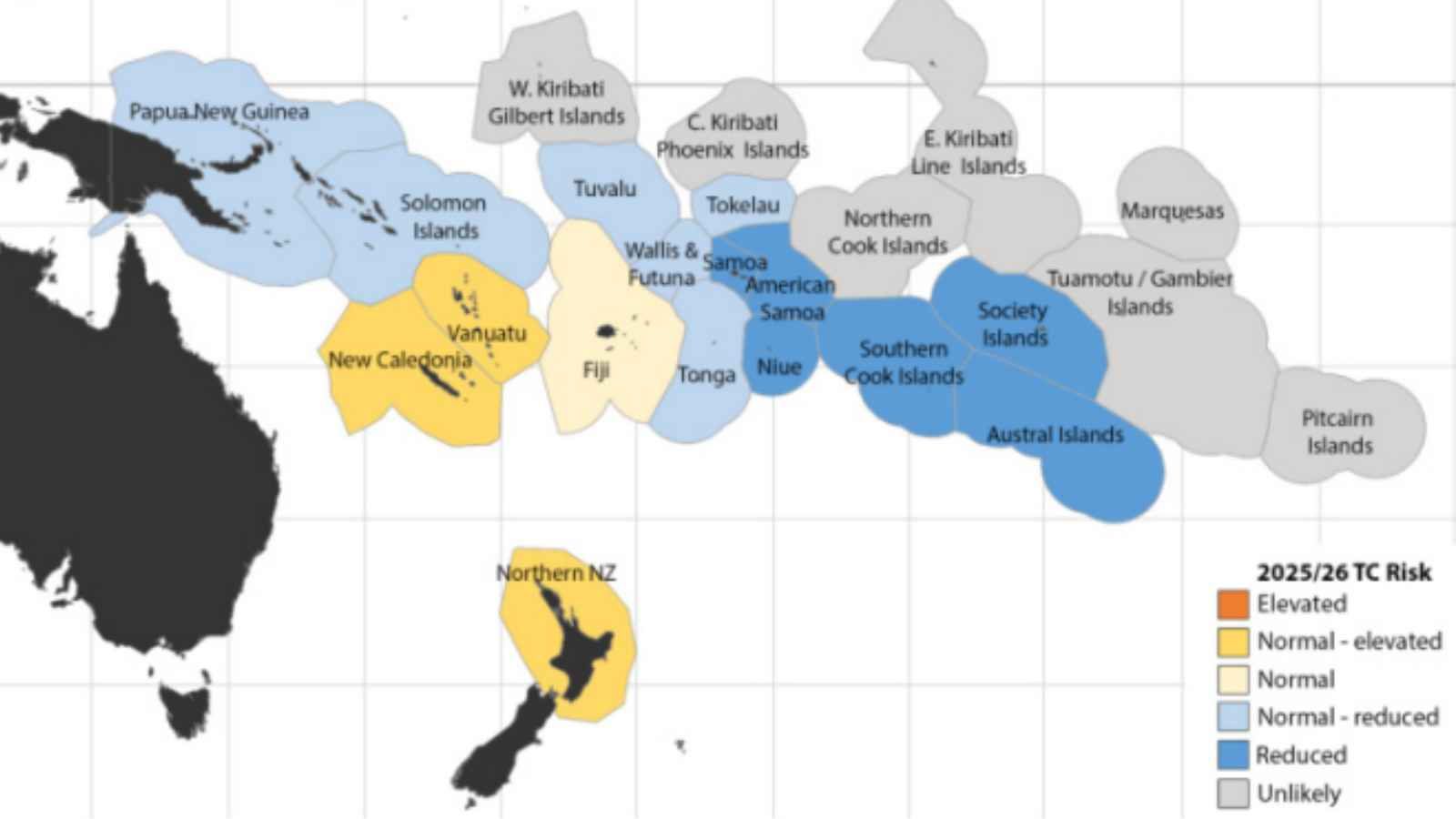
Climate-induced weather hazards will continue to significantly impact human security over the next 12 to 24 months. Photo/Pacific Security Report
In some parts of the Pacific and Southeast Asia, actual sea levels are currently over a metre higher on average than these models show.
The report says Pacific leaders will need to push hard at upcoming international climate talks like COP31, to secure stronger action and more support for vulnerable island nations.
The report also highlights growing rivalry between China, the United States, and their partners across the Pacific.
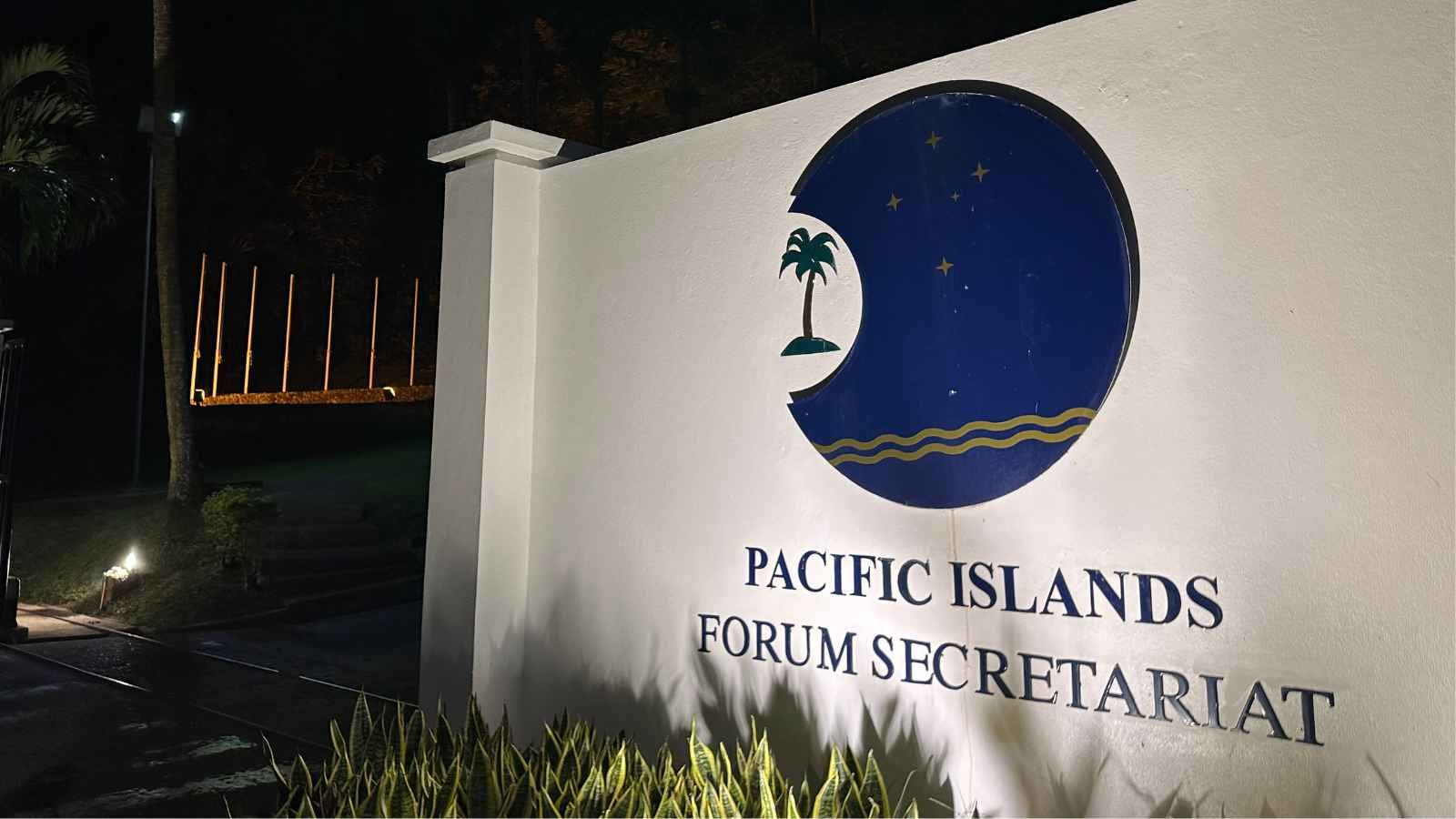
Pacific Islands Forum Secretariat headquarters in Suva, Fiji, where a new regional security report has warned of a growing Pacific “polycrisis”. Photo/PMN News/Ala Vailala
It says the rivalry is driving more defence and security agreements, along with new infrastructure projects, technology partnerships, and interest in critical minerals and seabed resources.
Cyber security is also flagged as a growing weakness. The report says many Pacific nations lack the systems needed to defend against attacks.
Recent incidents in Palau’s health ministry, Tonga’s health system and financial institutions in Solomon Islands are cited as examples of increasing digital threats.
Listen to Palau's President, Surangel Whipps Jr.'s interview on regional security below.
The pressure is not only strategic. The report also points to rising social challenges across the region including worsening health issues, setbacks in education, drug-related harm, and stress linked to migration and economic pressure.
It calls for greater unity in response, backing the Blue Pacific Ocean of Peace Declaration, which sets out shared principles aimed at protecting the region’s future.
“Let us continue to stand united, drawing strength from our shared values and aspirations, as we navigate the challenges ahead,” Secretary General of the Pacific Islands Forum Secretariat Baron Waqa says in the report.
“The Pacific’s future depends on our ability to act with unified vision, courage, and collective resolve.”