
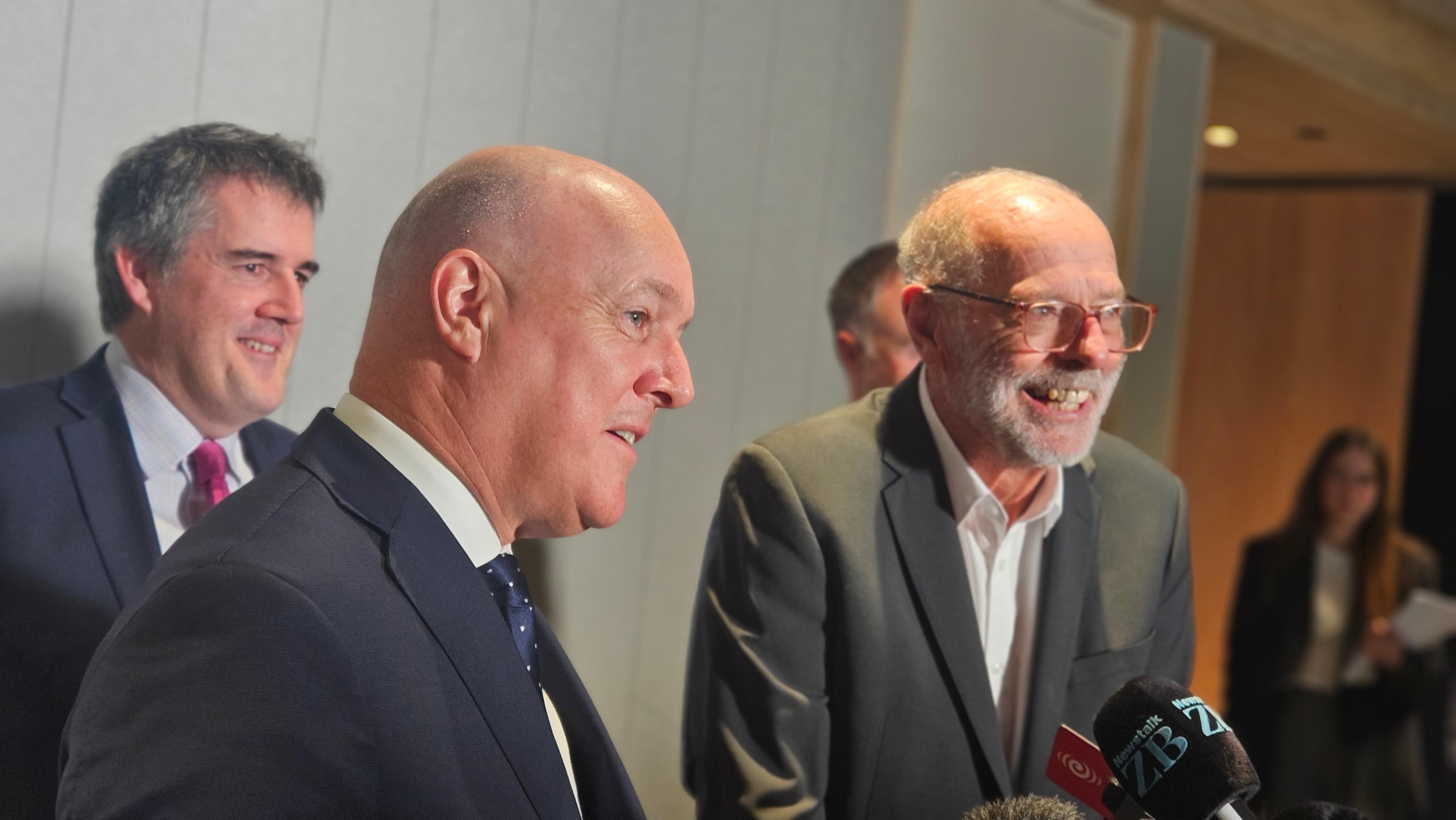
Prime Minister Christopher Luxon and Auckland Mayor Wayne Brown speak to media alongside Housing and Infrastructure Minister Chris Bishop following the signing of the Auckland City Deal.
Photo/PMN News/Taelegalolo'u Mary Afemata
Local Democracy Reporting
Tāmaki Makaurau promised growth but Pacific leaders warn City Deal lacks action
Big plans for jobs and housing but no money, no timelines, and little change yet for Māori and Pacific communities.

Taelegalolo'u Mary Afemata
Published
11 April 2026, 8:00pm
Share
Copy Link
Top stories
Two governments, two stories: Sāmoa families caught between Manawanui claims
Renate RiversFri, 26 Jun
Ahluwalia returns to board after SFO referral
Taelegalolo'u Mary AfemataThu, 25 Jun
Language, gospel, and global sounds at 2026 Pacific Music Awards
Atutahi Potaka-DewesThu, 25 Jun
Top stories
Two governments, two stories: Sāmoa families caught between Manawanui claims
Renate RiversFri, 26 Jun
Ahluwalia returns to board after SFO referral
Taelegalolo'u Mary AfemataThu, 25 Jun
Language, gospel, and global sounds at 2026 Pacific Music Awards
Atutahi Potaka-DewesThu, 25 Jun
South Auckland has been named as a key part of Auckland’s future growth but local leaders say the new City Deal offers more promise than progress right now.
The deal, signed on Friday by Prime Minister Christopher Luxon and Auckland Mayor Wayne Brown, sets out a long-term plan between central and local government to work together on housing, infrastructure, and jobs.
But for many on the ground, especially Māori and Pacific communities who make up much of South Auckland, the big question is simple: what changes today?
Manukau ward councillor Lotu Fuli says not much, at least not yet.
“It’s nice to have at this stage, but there’s nothing in it in terms of money. There’s no promises being made from the government in terms of that.”
While the deal talks about growth, it does not set out clear funding, timelines or targets for jobs, homes or infrastructure.
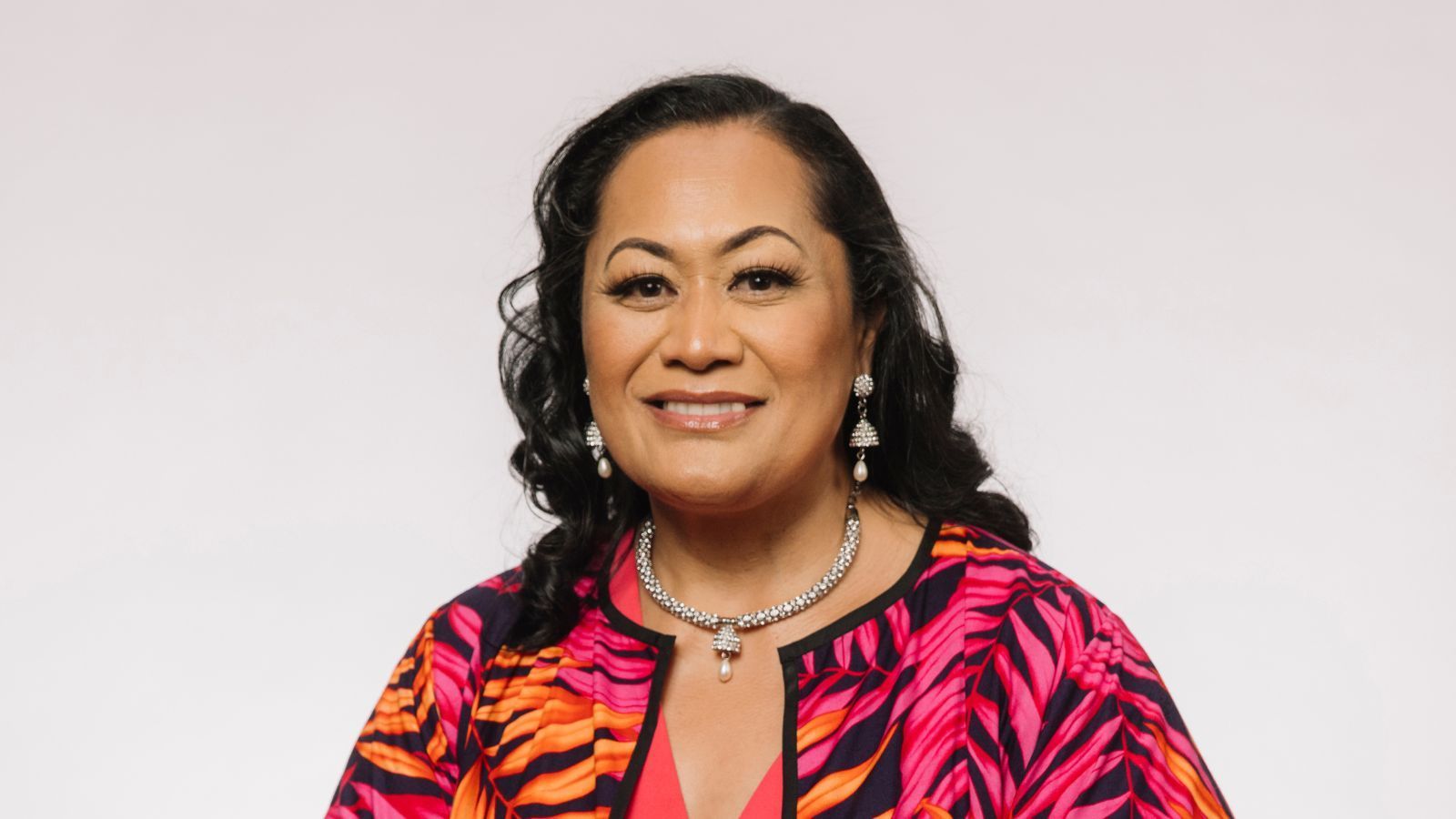
Manukau ward councillor Lotu Fuli says the Auckland City Deal is a starting point, with benefits for South Auckland still to come. Photo/Auckland Council.
Fuli says that means communities should not expect to feel any difference soon.
“In real terms and in reality, we won’t see the benefits of it straight away. In terms of tangible outcomes, there’s nothing actually that we’re going to get very tangible.”
She describes it as a starting point, a plan on paper. “It’s more about the future rather than looking at some short-term gains very quickly because there aren’t any.”
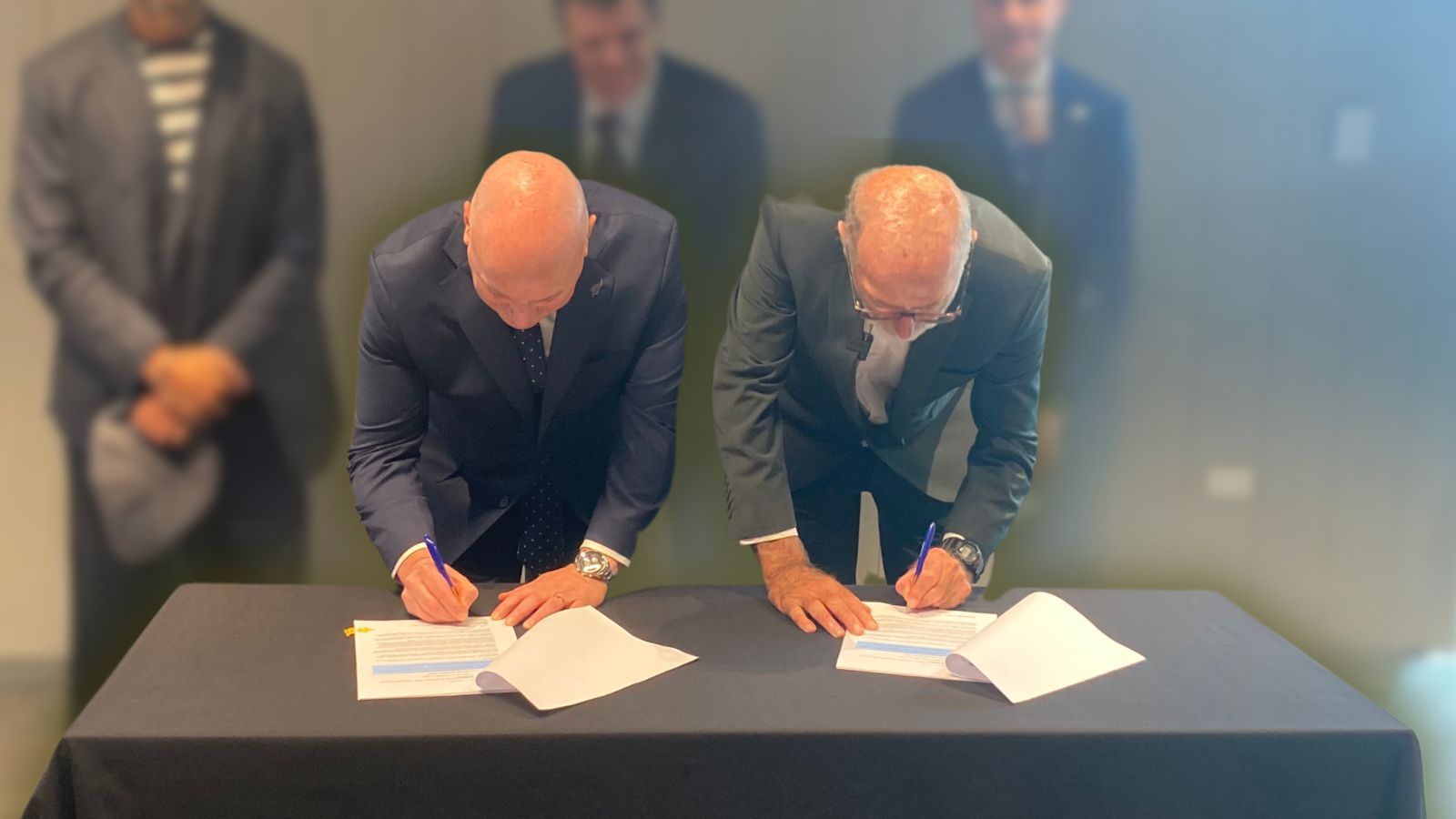
Prime Minister Christopher Luxon and Auckland Mayor Wayne Brown sign the Auckland City Deal agreement. Photo/PMN News/Taelegalolo'u Mary Afemata.
For South Auckland, where population growth is already putting pressure on housing, roads, and services, that delays matters.
Fuli says the real test will be whether the deal leads to proper investment from the central government.
“We can hopefully work more in partnership going into the future to open up the purse strings of central government, which are much, much bigger than council’s.”
The government says the benefits will come. Infrastructure Minister Chris Bishop pointed to the airport as a key jobs hub and said better coordination will help unlock growth.

Chris Bishop says South Auckland can expect significant benefits from the deal. Photo/File
“In terms of South Auckland, there’s big benefits for the people of South Auckland as a result of this,” he said.
“Identifying the airport precinct as a growth area of an employment hub and where we’re going to coordinate around the infrastructure and the development there is important and that is a major employment base in South Auckland for example.”
He said Drury was a key growth area and pointed to Kāinga Ora upgrades in Māngere, including stormwater, wastewater and housing improvements.
Ngāti Whātua Ōrākei deputy chair Ngarimu Blair said closer alignment between central and local government was positive, but its success would depend on whether it delivers fair outcomes.
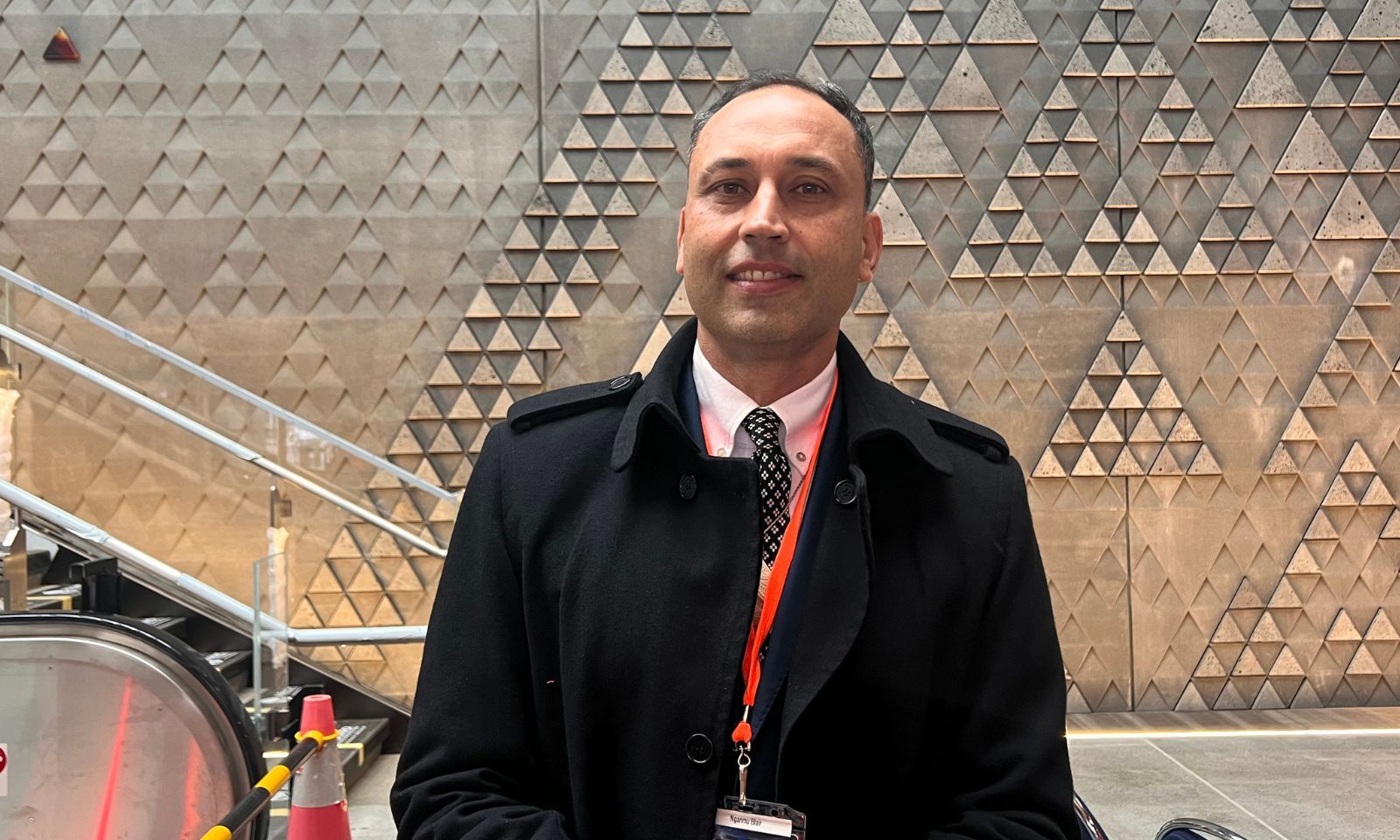
Ngāti Whātua Ōrākei deputy chair Ngarimu Blair says the success of the Auckland City Deal will be measured by outcomes for Māori and Pacific communities. Photo/PMN News/Taelegalolo'u Mary Afemata.
He says the deal must deliver real gains for Māori and Pacific people.
“An announcement like today goes a step in that direction, in that it’s very focused on trying to unlock what we already know as the tangata whenua, the amazing geography and natural resources of our wider Auckland region and trying to ensure that there is that development so that it can be shared around more,” he said.
“And that’s probably the next challenge, is to ensure that that economic development is more equitable.”
Blair said mana whenua had input into the deal, but “decision-making power, probably none.”
“We’ve had engagement both from the council and at a very high level from the Crown. So, we, and other tribes, have been aware of the direction and have had some points to input. It’s a very basic plan around getting the fundamentals right."
He said success is clear - better jobs, better pay, and real opportunities for Māori and Pacific communities.
“If there are no more economic developments created, if wages don't increase, if work and employment and career opportunities don't increase for our Māori and Pasifika people, then this would be an abject failure.”
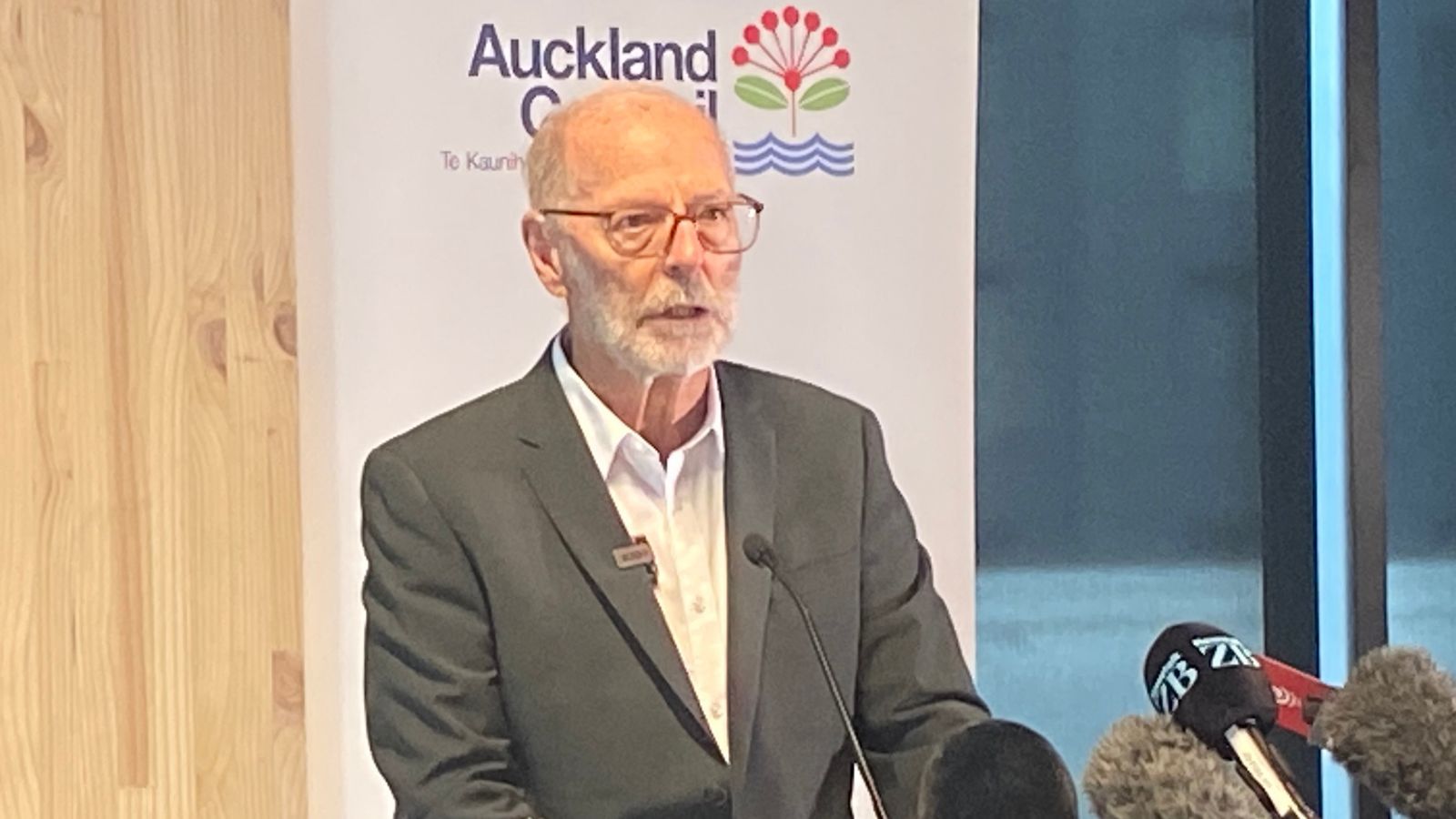
Auckland Mayor Wayne Brown speaks at the announcement of the Auckland City Deal. Photo/Taelegalolo'u Mary Afemata.
Mayor Wayne Brown says the deal is meant to work for all Aucklanders.
“The idea is that this is so that we can represent every sector of Auckland, not just the ones that vote National,” he said. “When I’m the Mayor of Auckland, I’m the Mayor of the Pasifika people, I’m the Mayor of the Māori people, I’m the Mayor of the Chinese people, the Indian people and the white people.”
He added that South Auckland remains at the heart of the city’s future.
“What’s good for the people of South Auckland is that there’s a lot of South Auckland in me, and you know that.”
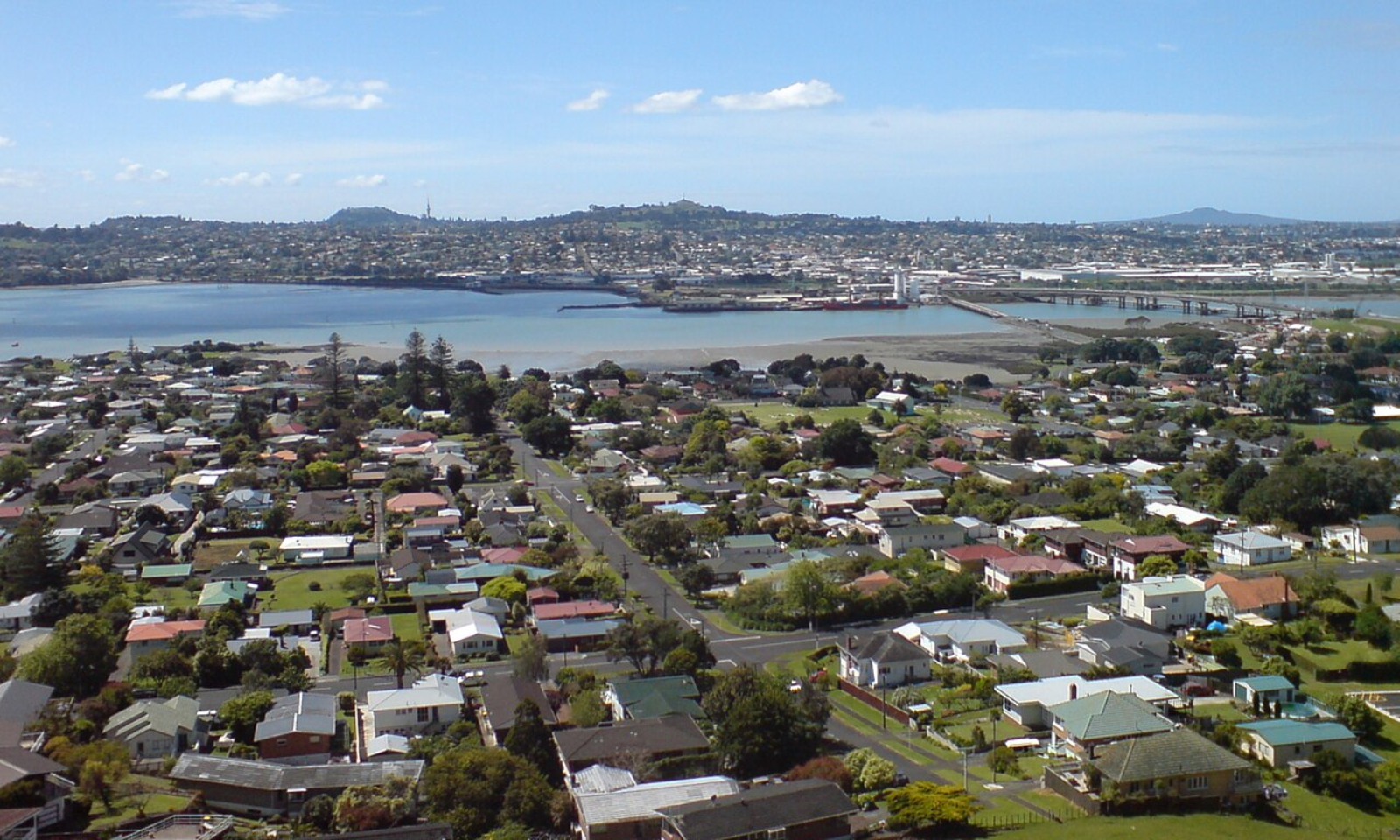
South Auckland has been identified as a key growth area under the Auckland City Deal, with major development expected in the coming decades. Photo/File
For now, the deal is not binding and comes with no set funding. But leaders say it can still be used to hold the government to its word.
“It’s not a binding contract,” Fuli said. “It’s just like a deal and understanding. But at least we’ve got something that we can fall back on and say, ‘hey, look, you signed this, we signed this.’”
Blair said the next step is up to the people.“At the end of the day, people have to exercise their democratic right. That’s the society we live in. Rather than pushing a like on a post, actually put something on a box and send an envelope back and get involved in the democratic process.”
LDR is local body journalism co-funded by RNZ and NZ On Air.