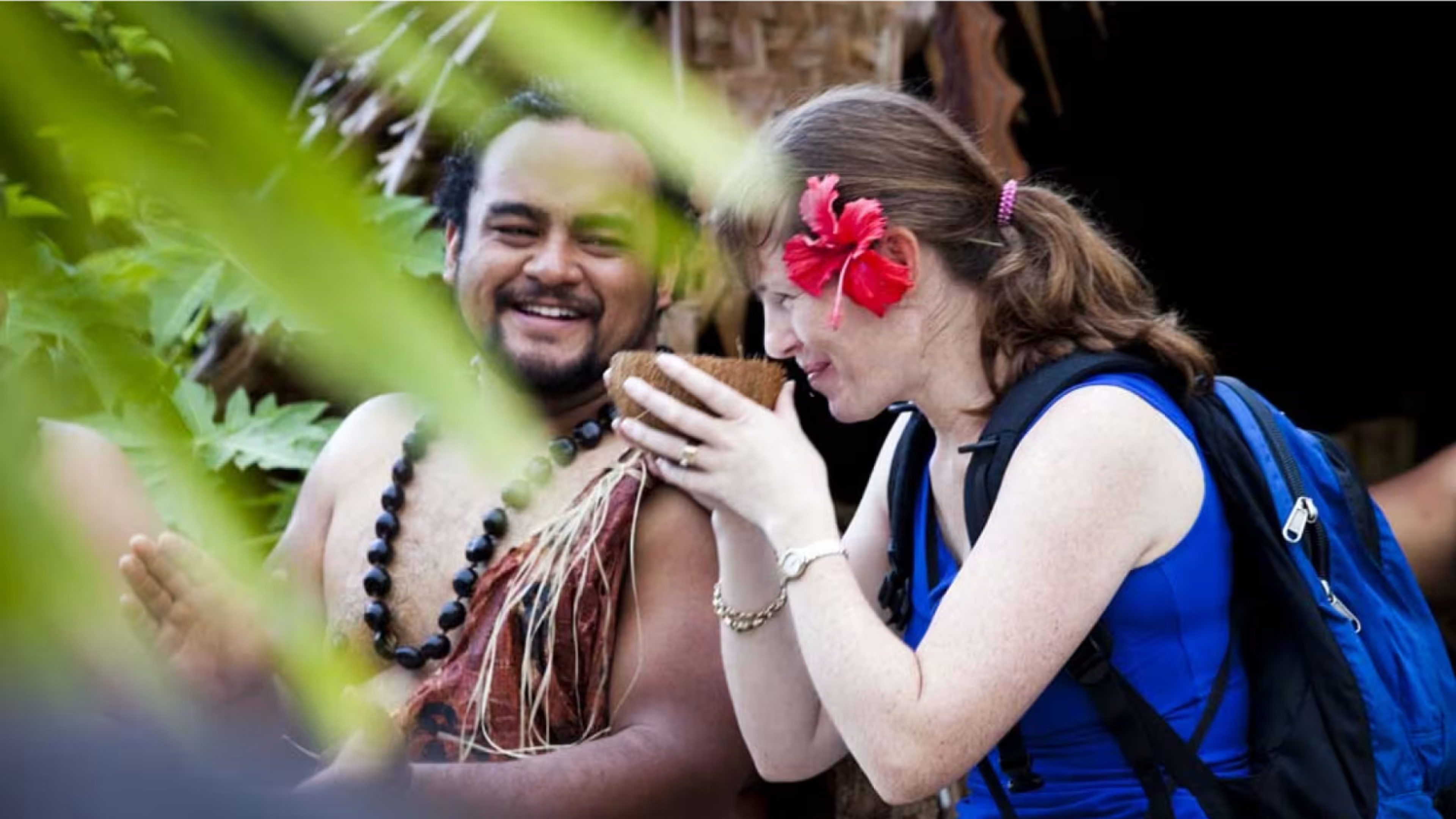
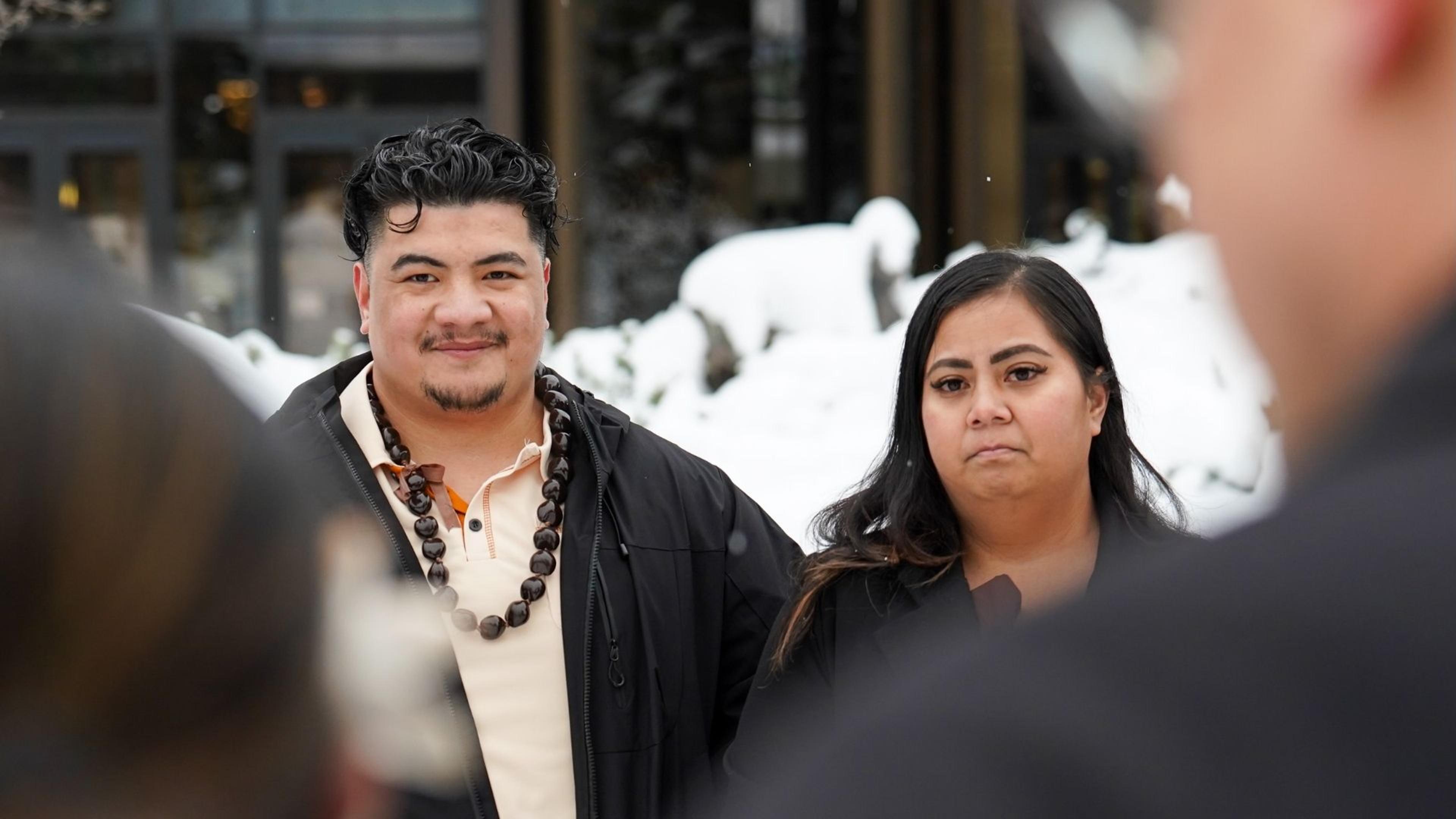
Tupe Smith, right, with her husband Michael Pese, who was also charged in the Alaska voter misconduct case.
Photo/righttodemocracy.us/Jeff Chen
Law & Order
US court drops felony cases against American Sāmoans over alleged voter form misconduct
The case has exposed confusion around the different legal status of American Sāmoans in the US, raising questions about how clearly voting systems explain who can legally vote.

Christine Rovoi
Published
15 September 2026, 1:14pm
Share
Copy Link
Top stories
Tofiga Fepulea’i brings the laughs while taking top honours at Arts Pasifika Awards
Aui'a Vaimaila Leatinu'uFri, 23 Oct

‘It kind of breaks my heart’: Kiwis run riot after Cook Islands’ brave start
Latonya LoleSun, 25 Oct
Top stories
Tofiga Fepulea’i brings the laughs while taking top honours at Arts Pasifika Awards
Aui'a Vaimaila Leatinu'uFri, 23 Oct
‘It kind of breaks my heart’: Kiwis run riot after Cook Islands’ brave start
Latonya LoleSun, 25 Oct
Prosecutors in the United States have dropped felony voter misconduct cases against a group of people born in American Sāmoa.
The prosecution's move, announced last Friday, comes after an appeals court ruled on 4 September that making a mistake on a voter registration form was not enough to prove criminal intent.
The cases centred on 11 residents of Whittier, Alaska, who were accused of falsely claiming to be US citizens when registering to vote or attempting to vote.
The decision follows an appeals court ruling that prosecutors must show a person had a “consciousness of wrongdoing” and intended to break the law.
The case that led to the ruling involved Tupe Smith, an American Sāmoan who was arrested after winning a regional school board election in 2023.
Smith has said she normally identifies herself as a US national on official paperwork. But voter registration forms did not give her the option to identify as a US national.
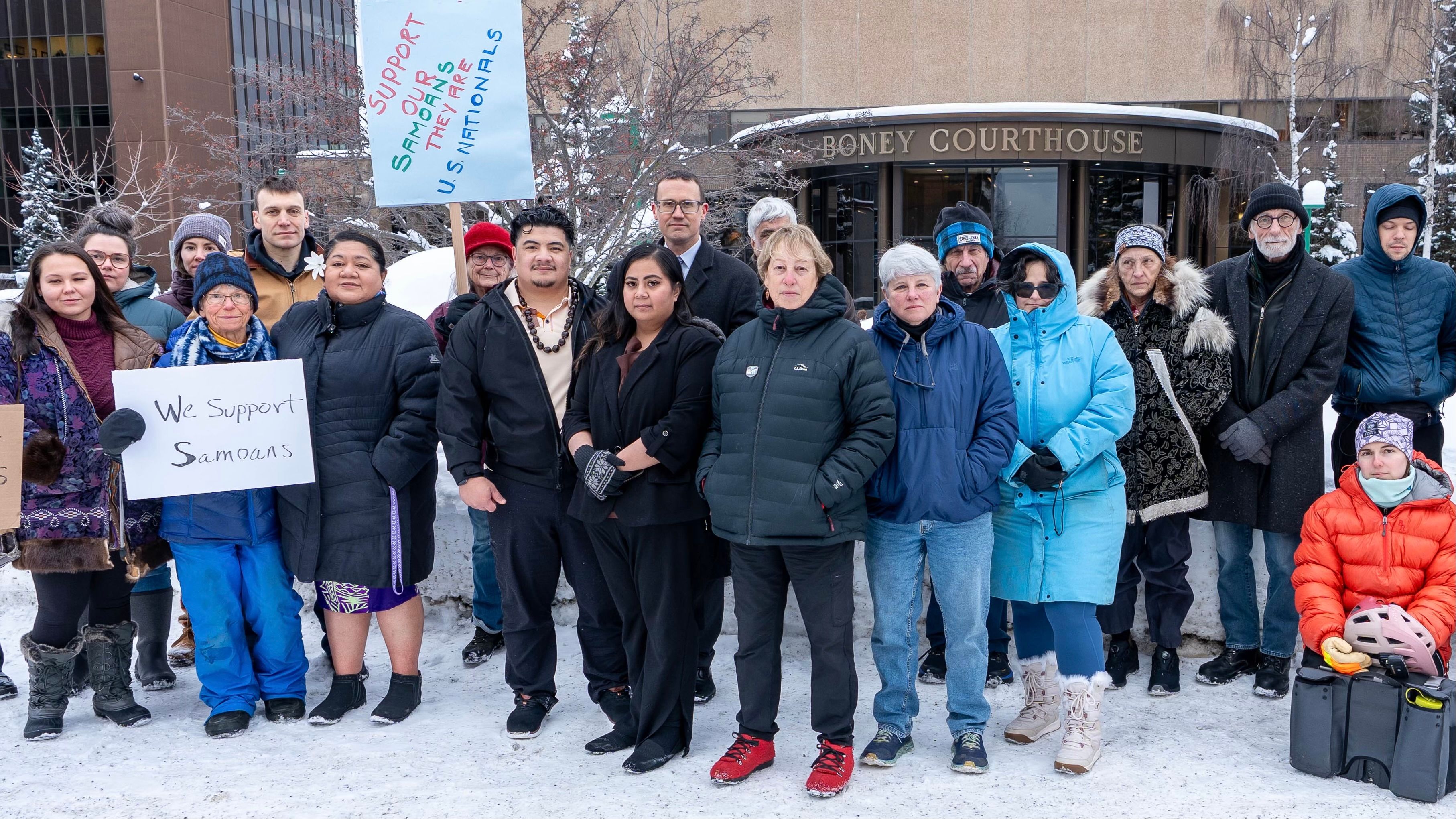
Supporters of Tupe Smith and her family outside the Alaska Appeals Court. Photo/righttodemocracy.us/Jeff Chen
According to court papers, Smith said local officials told her it was appropriate to tick the US citizen box.
Alaska's acting attorney-general, Cori Mills, said prosecutors reviewed the appeals court ruling and the evidence before deciding they could not prove the cases beyond reasonable doubt.
“We respect the role of the courts in interpreting Alaska law and will faithfully execute our duty to apply the law and carefully evaluate our prosecutorial decisions,” Mills told media outside the court.

Alaska Acting Attorney-General Cori Mills, who announced prosecutors were dropping the voter misconduct cases against the American Sāmoan defendants. Photo/US National Association of Attorneys General
Smith's lawyer, Whitney Brown, welcomed the court ruling, saying it “establishes an important safeguard against imposing felony liability for an honest mistake”.
The case has drawn attention to a unique legal status affecting people born in American Sāmoa.
Unlike people born in other US territories, people born in American Sāmoa are generally recognised as US nationals than automatically becoming US citizens. People born in Guam, Puerto Rico, the US Virgin Islands and the Northern Mariana Islands are generally US citizens at birth.
US nationals can obtain US passports and serve in the US military but they cannot vote in most US federal or state elections or hold certain public offices unless they become citizens through naturalisation.
That distinction was at the centre of Smith's case. Prosecutors had argued that she knowingly claimed US citizenship. They pointed to warnings on voter registration forms stating that non-citizens were not eligible to vote.
But Smith said she had relied on advice from local officials because the forms did not reflect her status as a US national.
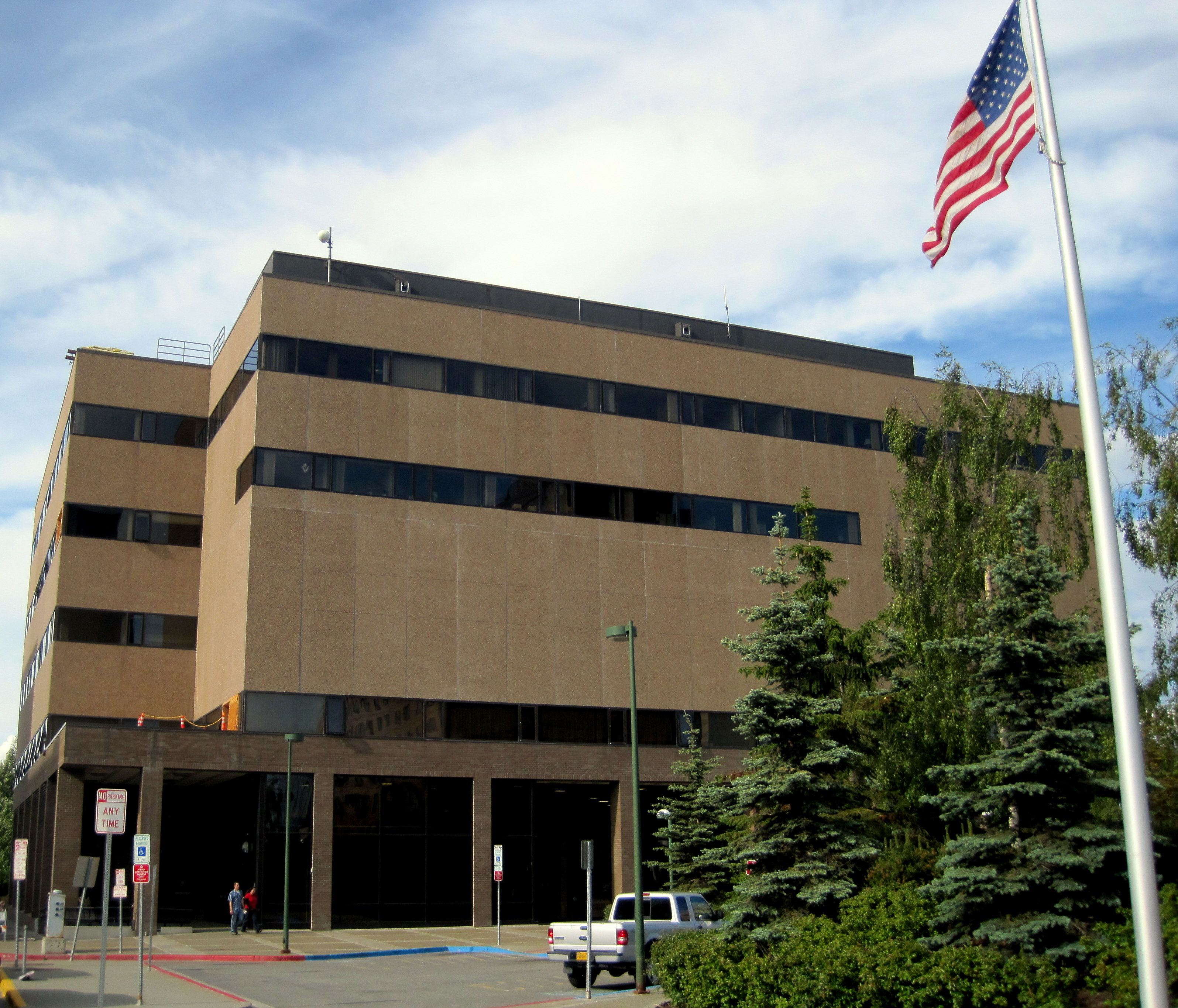
The Alaska Court of Appeals ruled prosecutors had to show a defendant had a conscious intent to break the law in the voter misconduct case. Photo/ballotpedia.com
Neil Weare, a co-director of the Right to Democracy non-profit and part of Smith and her husband's legal team, said the decision raised questions about why the prosecution had been brought.
“It's clear that all along, they really had no evidence of any consciousness of wrongdoing on the part of Michael, Tupe or the other defendants,” Weare told media.
Smith's husband, Michael Pese, was also charged.
The appeals court also found problems with how a state trooper questioned Smith and with the grand jury process that led to her indictment.
For American Sāmoans living in the US mainland, the case highlights the practical consequences of a citizenship distinction that can be unfamiliar even within the wider American system.
The Alaska case is also unusual.
American Sāmoa is the only US territory where people born locally are generally US nationals rather than citizens, making the issue particularly relevant to the Pacific Islanders living and voting on the US mainland.
With the cases now dropped, the ruling leaves a wider question over how government agencies explain the different rights and responsibilities attached to US citizenship and US nationality.