

Sakaria Taulafo during the Siva Tau ahead of the Manu Sāmoa-Ireland Test in Dublin in November 2013: the former prop has had his drink-driving conviction set aside by the High Court in Nelson and will have his case reheard in the District Court.
Photo/INPHO/Dan Sheridan/Photosport
Law & Order
Former Sāmoa rugby international wins NZ court appeal in drink drive deportation case
Sakaria Taulafo has had his conviction set aside and his case sent back to the District Court after a High Court judge found a “real risk” of a miscarriage of justice.

PMN News
Published
11 May 2026, 2:50am
Share
Copy Link
Top stories

Tofiga Fepulea’i brings the laughs while taking top honours at Arts Pasifika Awards
Aui'a Vaimaila Leatinu'uFri, 23 Oct


‘It kind of breaks my heart’: Kiwis run riot after Cook Islands’ brave start
Latonya LoleSun, 25 Oct
Top stories
Tofiga Fepulea’i brings the laughs while taking top honours at Arts Pasifika Awards
Aui'a Vaimaila Leatinu'uFri, 23 Oct
‘It kind of breaks my heart’: Kiwis run riot after Cook Islands’ brave start
Latonya LoleSun, 25 Oct
Former Sāmoa international rugby player Sakaria Taulafo has won a High Court appeal after a drink-driving case that placed him at risk of deportation from New Zealand, the NZ Herald reports.
The 45-year-old former loosehead prop, who moved to New Zealand from Sāmoa as a teenager and went on to play international rugby, was convicted in the Nelson District Court last year after being caught driving with excess breath alcohol, the report said.
Taulafo was stopped by police in the early hours of the morning in July 2024 after leaving a rugby club, where he admitted to having “six to eight beers”.
An evidential breath test recorded a reading of 600 micrograms of alcohol per litre of breath.
Taulafo pleaded guilty and applied for a discharge without conviction, but a community magistrate declined the application, instead fining him $300 and disqualifying him from driving for six months.
A week later, he was issued a deportation liability notice, which placed his immigration status under threat due to his temporary visa conditions.
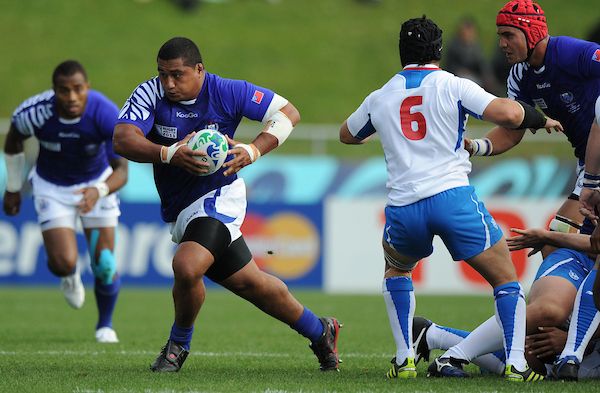
Sakaria Taulafo, who played at the 2011 Rugby World Cup for Sāmoa, moved to New Zealand as a teenager and built a professional rugby career in Aotearoa, England, and France. Photo/Photosport/Andrew Cornaga
He appealed the conviction in the District Court but that was also unsuccessful before taking the matter to the High Court.
After hearing the case in Nelson, the High Court has now set aside the conviction and sent the matter back to the District Court for a rehearing.
Justice Jonathan Eaton said there was a “real risk” that a miscarriage of justice may have occurred due to errors in how the earlier appeal was handled, including the failure to properly consider fresh evidence.
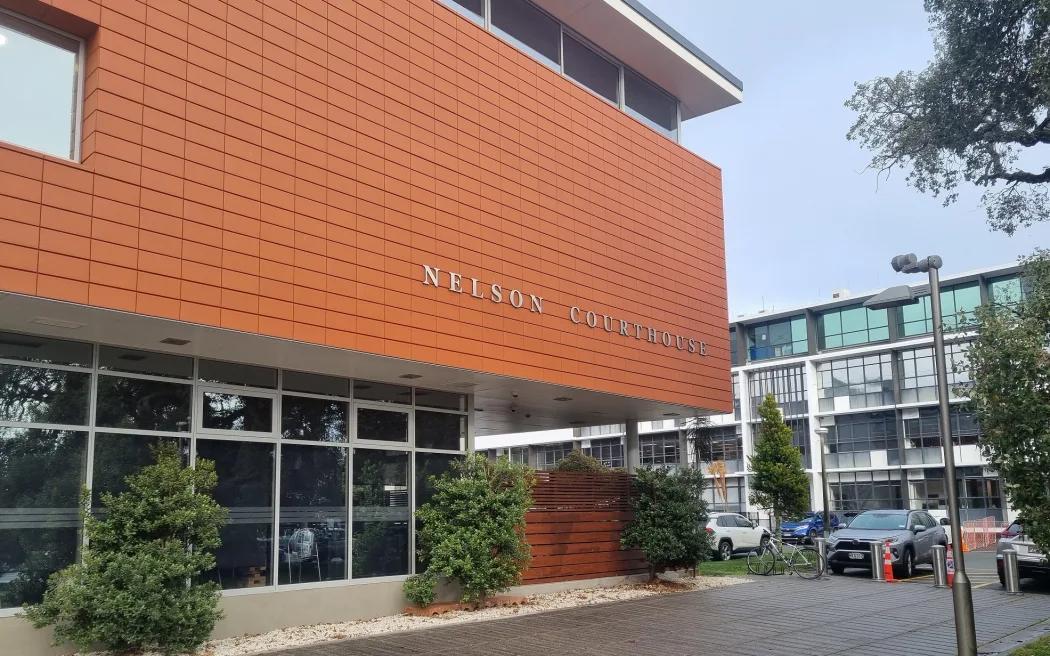
The court found a “real risk” of a miscarriage of justice in the handling of Sakaria Taulafo’s drink-driving case, which also carried deportation consequences. Photo/RNZ/Samantha Gee
The judge said key immigration consequences were not fully assessed at the time, particularly the impact of the deportation liability notice issued after the conviction.
Taulafo, who has strong ties to Nelson’s Pasifika community, moved to New Zealand in 2002 to play school and club rugby before going on to represent Sāmoa at the 2011 Rugby World Cup.
He played for Nelson Rugby Club, Nelson Bays, and the Tasman Makos before continuing his professional career overseas in England and France.
He returned to New Zealand in 2023 and had been living there with established family ties.
Justice Eaton noted that when Taulafo first applied for a discharge without conviction, he was on an Accredited Employer Work Visa and therefore vulnerable to deportation if convicted.
The court heard that immigration advice presented at the time suggested a conviction could increase the risk of removal from New Zealand.
His lawyer argued that both the original decision and the first appeal failed to properly weigh those immigration consequences, particularly after the deportation notice was issued.
Justice Eaton agreed that proper legal process had not been followed in the earlier appeal, saying the consequences of the conviction were not fully examined.
He said that had the correct process been followed, the immigration implications would have been more closely assessed by the court.
“Standing back, I am satisfied that the errors in the process adopted at the first appeal have given rise to the real risk that a miscarriage of justice has occurred,” Justice Eaton said in the Herald report.
He ordered the case be sent back to the District Court for reconsideration.