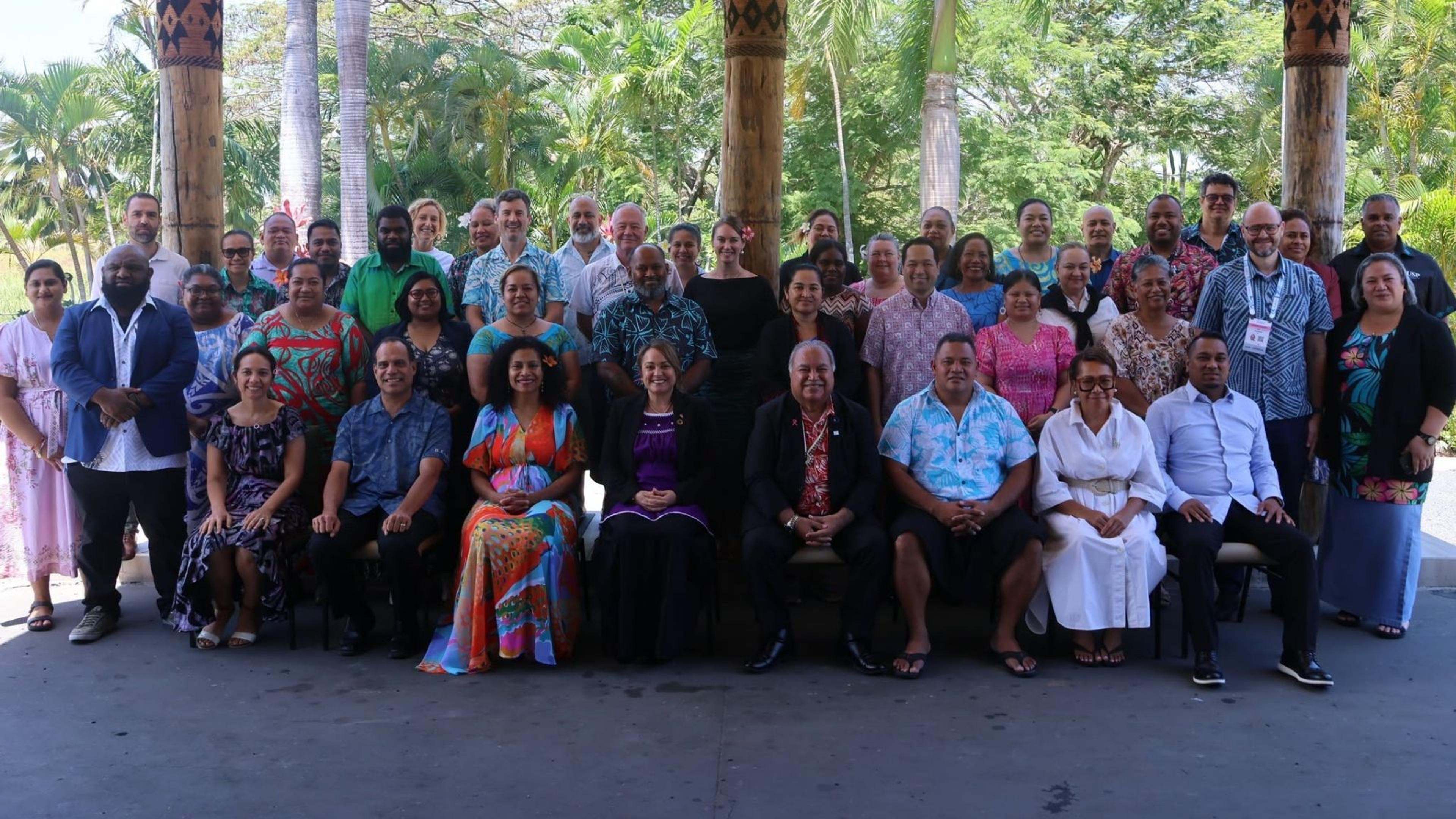

The Regional Processing Centre in Nauru has become the focus of renewed debate over Australia’s offshore processing arrangements and the treatment of people transferred to the Pacific island nation.
Photo/RNZ Pacific/Caleb Fotheringham/file
Immigration
Nauru migration deal faces legal challenge as concerns over asylum seekers treatment grow
Human rights advocates have criticised the conditions for people transferred under Australia's offshore processing arrangement while governments defend the deal as lawful and necessary.

Christine Rovoi
Published
20 July 2026, 6:53pm
Share
Copy Link



A legal battle over Australia’s offshore processing arrangement with Nauru is growing with human rights advocates raising concerns about the treatment of asylum seekers transferred to the Pacific island nation.
The concerns come as some people transferred to Nauru are challenging their removal arrangements in Australia’s Federal Court.
A new survey has also raised questions about access to food, water and basic support on the island.
The Australian government agreed to a 30-year, A$2.5 billion (NZ$2.99 billion) resettlement arrangement with Nauru after a 2023 High Court ruling found indefinite immigration detention was unlawful.
Under the agreement, people who cannot be returned to their home countries can be transferred to Nauru.
This includes members of what is known as the NZYQ cohort, a group named after a legal case involving a man whose identity was protected by the courts.
Human rights advocates say some of those transferred are challenging the arrangements, arguing in court that their conditions on Nauru amount to ongoing punishment.
The Human Rights Law Centre says changes to Nauru’s policing laws have raised concerns.
Australian Greens Senator David Shoebridge has also criticised the arrangement, saying it has wider implications for Nauru’s legal system.

Senator David Shoebridge has criticised the Nauru arrangement, saying it raises wider concerns about the impact on legal protections and civil society in Nauru. Photo/Instagram/Senator David Shoebridge
“It was established under law to apply only to people sent to Nauru… But when it became apparent that it was probably going to ground legal challenges to prevent people being sent to Nauru, only a handful of weeks ago, they extended it to all Nauruans," he told the ABC.
"So, what we're seeing here is, because of the toxic deal between Australia and Nauru, for Australia's interests, it is undermining key pillars of civil society in Nauru.”
The concerns come alongside a survey by the Asylum Seeker Resource Centre (ASRC), which found people transferred to Nauru are facing difficulties meeting basic needs.
The survey of 78 asylum seekers found many were skipping meals while some reported difficulties accessing affordable food and clean drinking water.
One asylum seeker, identified as George in the ASRC report, said the high cost of living on Nauru had made daily life difficult.
"The cost of living is really high [on Nauru]. Everybody is facing difficulties, and we have a food shortage. Fruit and vegetables and fresh meat are hard to find, and the price can be ridiculous.

Nauru President David Adeang has defended the country’s role in Australia’s migration arrangement, saying people transferred to Nauru are not detained and continue to live under Nauru’s laws. Photo/Office of the President, Nauru
"I eat discarded food from the bin of local restaurants, even though it makes me sick. Quite a few people are doing the same thing."
The Australian Department of Home Affairs says Nauru is a sovereign country and decisions about its laws are matters for its parliament.
In a statement, the department said the support payment provided to people transferred to Nauru was "designed to promote self-sufficiency" and that individuals are "treated with respect and dignity and in accordance with human rights standards".
Nauru’s government has said in previous statements that people transferred under the arrangement are not detained and continue to experience a "relaxed, Pacific way of life".
The debate highlights wider questions for the Pacific about the role island nations play in regional migration arrangements and how the rights and wellbeing of people affected by those policies are protected.