
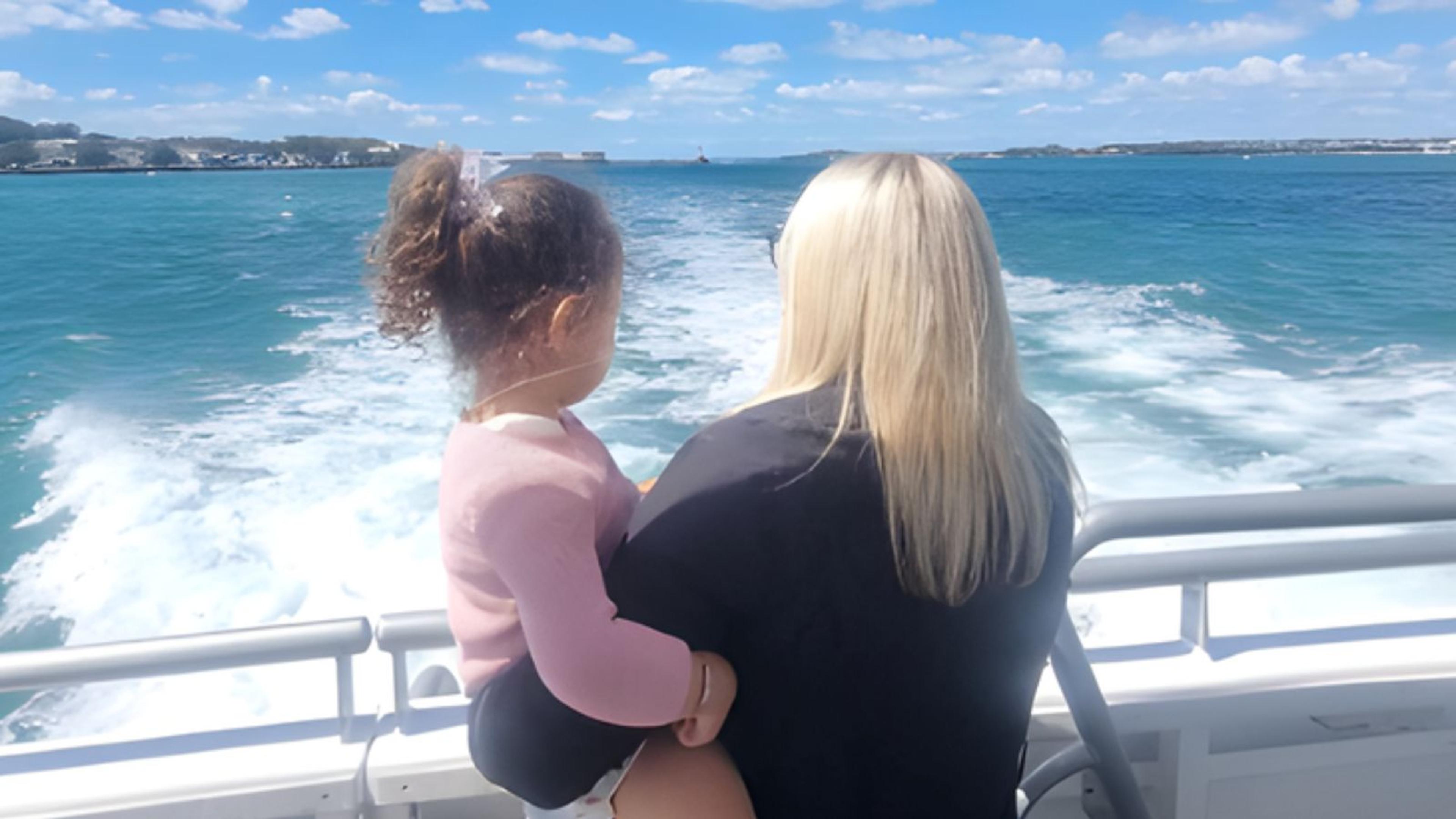
Brooke Ama (right) recalls the night her daughter, Sophia, was admitted to hospital.
Photo/Instagram/brookieama
Health
‘Your voice matters’: Pacific families push back against cultural barriers in healthcare
A mother’s fight to save her newborn daughter is shining a light on a wider issue: Pasifka feeling unheard, unseen, and undeserved in New Zealand’s health system.

Aui'a Vaimaila Leatinu'u
Published
02 April 2026, 1:39pm
Share
Copy Link
Top stories
No safety net: Sange Malama’s uphill battle for Rangitata electorate
Khalia StrongTue, 23 Jun
Under the sea and into the spotlight : Young Pasifika takes the lead in ‘The Little Mermaid’
Atutahi Potaka-DewesTue, 23 Jun

'We aren't out of this': All Whites cling to World Cup dream
PMN NewsTue, 23 Jun
Top stories
No safety net: Sange Malama’s uphill battle for Rangitata electorate
Khalia StrongTue, 23 Jun
Under the sea and into the spotlight : Young Pasifika takes the lead in ‘The Little Mermaid’
Atutahi Potaka-DewesTue, 23 Jun
'We aren't out of this': All Whites cling to World Cup dream
PMN NewsTue, 23 Jun
When Brooke Ama’s newborn daughter turned grey and lifeless at just three days old, there was no time to wait.
Doctors told the family they had only hours.
“[They said] if we don't start the treatment tonight, we have a five per cent chance of her surviving the night,” Ama told William Terite on Pacific Mornings. “So they put her on dialysis and life support.”
Sophia was rushed onto dialysis and life support. By morning, she had a diagnosis - a rare and threatening condition called Propionic Acidemia.
Today, Sophia is one of only two children in Aotearoa living with it. The disorder prevents the body from breaking down certain proteins and fats, leading to a toxic build-up that can cause seizures, coma, or death if untreated.
For Ama, that terrifying night was just the beginning.
While early treatment intervention saved Sophia’s life, it also exposed something many Pacific families know too well - speaking up in the health system is not always easy.
Listen to Brooke Ama’s full interview below.
“I'm probably the main fighter or advocate for our girl. My husband struggles to speak up a lot and advocate and fight for things.
“My biggest thing would be to remember that your voice matters and make sure you use it. You're their biggest advocate [and] support for their life to get through things.”
Ama says her Sāmoan husband’s struggle to speak up reflects a wider cultural reality, where respect, language barriers, and unfamiliar systems can stop Pacific patients from questioning care or asking for more.
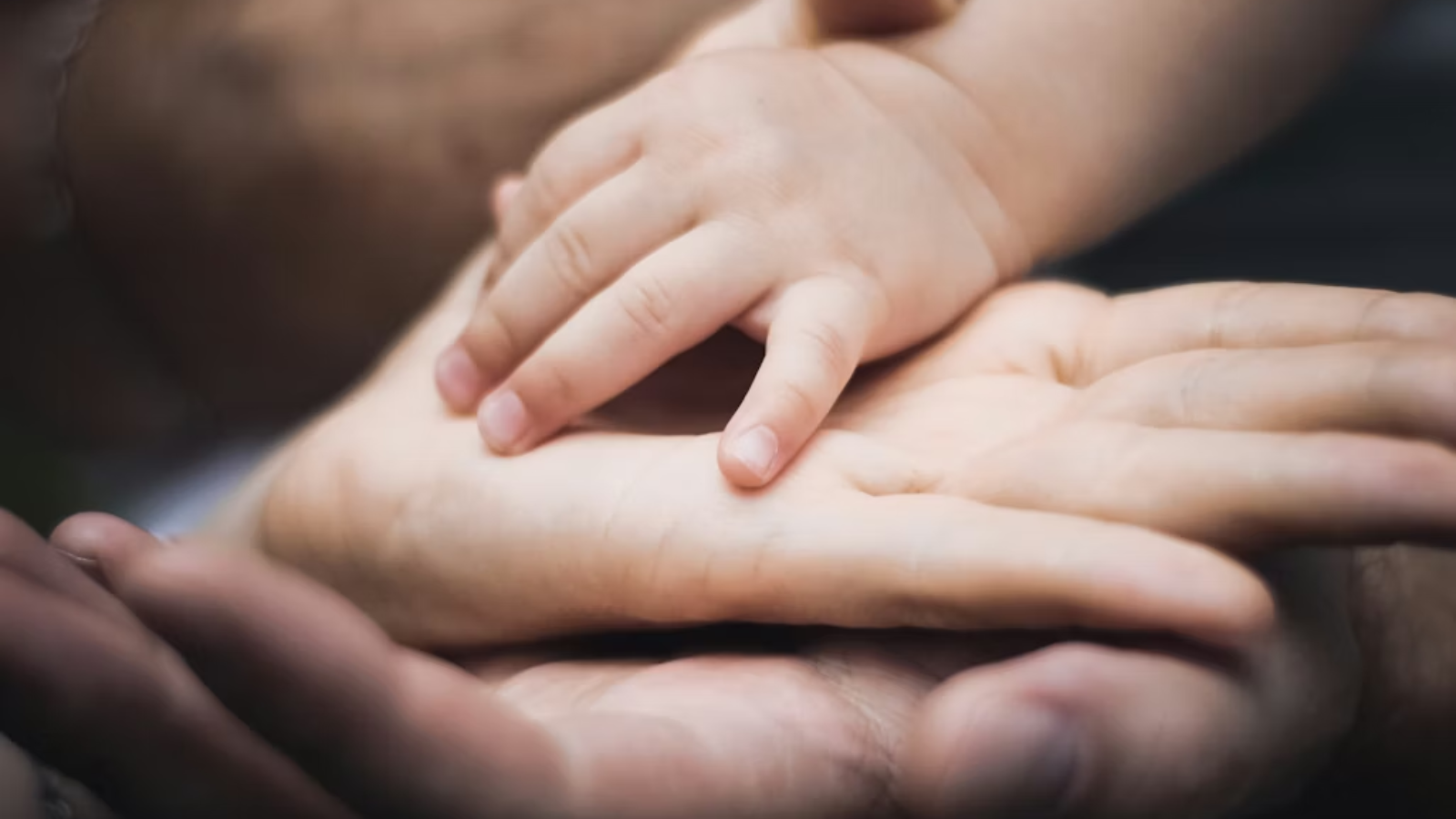
Brooke Ama says parents are their children’s biggest advocates. Photo/Unsplash
Research backs this up. According to Le Va’s Pasifika Peoples perceptions of Health and Wellbeing in Aotearoa New Zealand study, many Pacific participants reported the health system did not understand them or their cultural identity.
Participants found that services are often seen as “complicated and difficult” to understand with medical jargon, unclear processes, and poor communication adding to the pressure.
Only 45 per cent of those surveyed said they did not feel judged when accessing care.
The gap shows up in outcomes too. According to the Tupu Ola Moui: Pacific Health Chart Book 2025 series, the life expectancy at birth of Pacific people born in 2022 is 77.3 years, 6.1 years less than non-Māori and non-Pacific people.
It also found that the proportion of Pacific adults who presented at an emergency department and were admitted, discharged or transferred within six hours in 2023 was 68.3 per cent, down from 93.9 per cent in 2014
For rare disorders, delays can be even longer. More than half of patients wait over a year for a diagnosis.
Experts say the system needs to do more than treat illness. It needs to understand people.
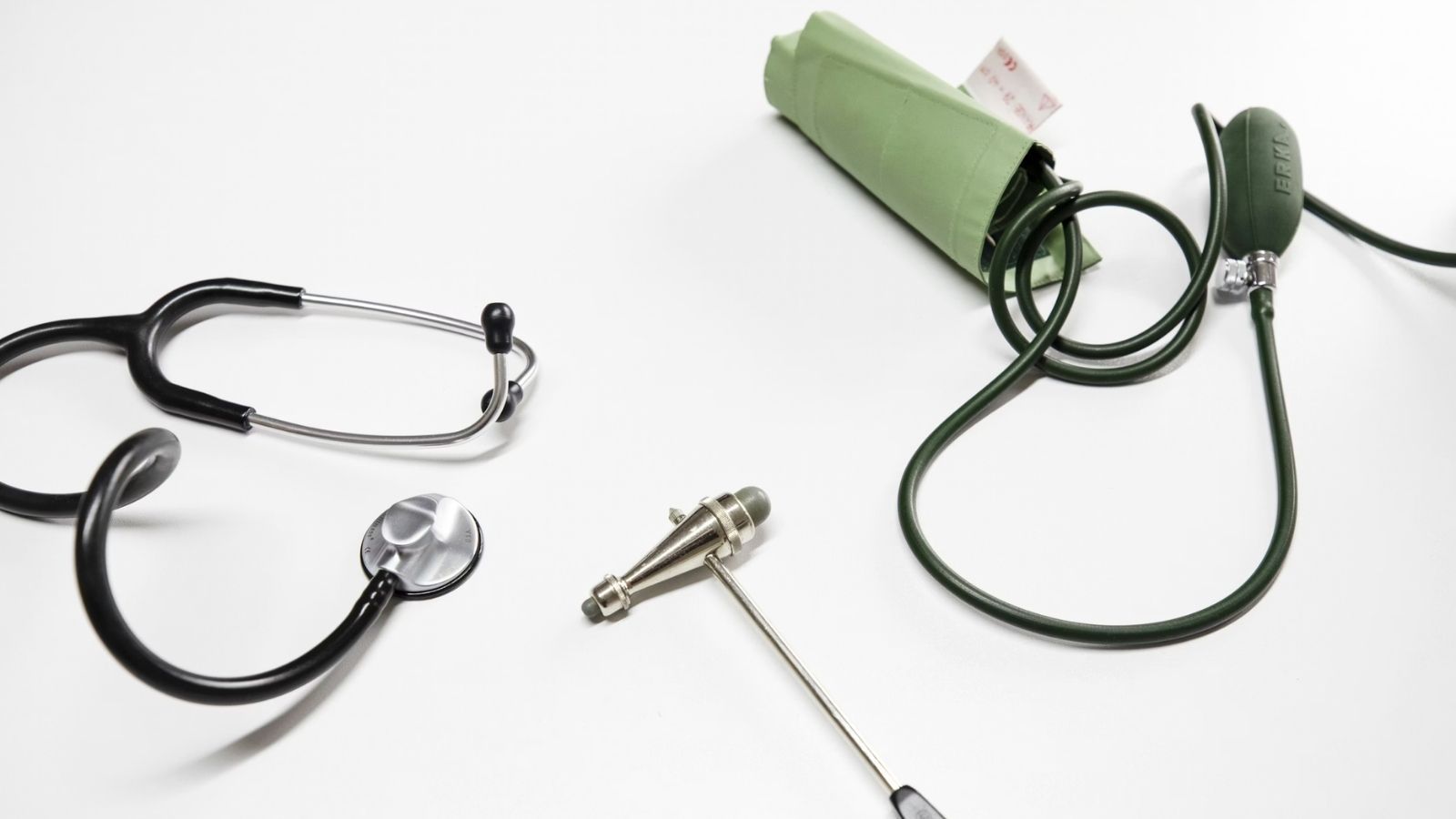
Only 45 per cent of Le Vā’s survey participants did not feel judged when accessing health and social care services. Photo/Unsplash
Dr Linda Palavi, a researcher at the University of Auckland, said in a media release that culturally responsive care is lacking.
“Parents know their children best. Services must create pathways that reflect this. My hope is that this research will empower Pacific families and amplify their voices in health systems - not just in hearing health, but across all areas of care.”
Advocates are also questioning whether enough is being done at a system level.
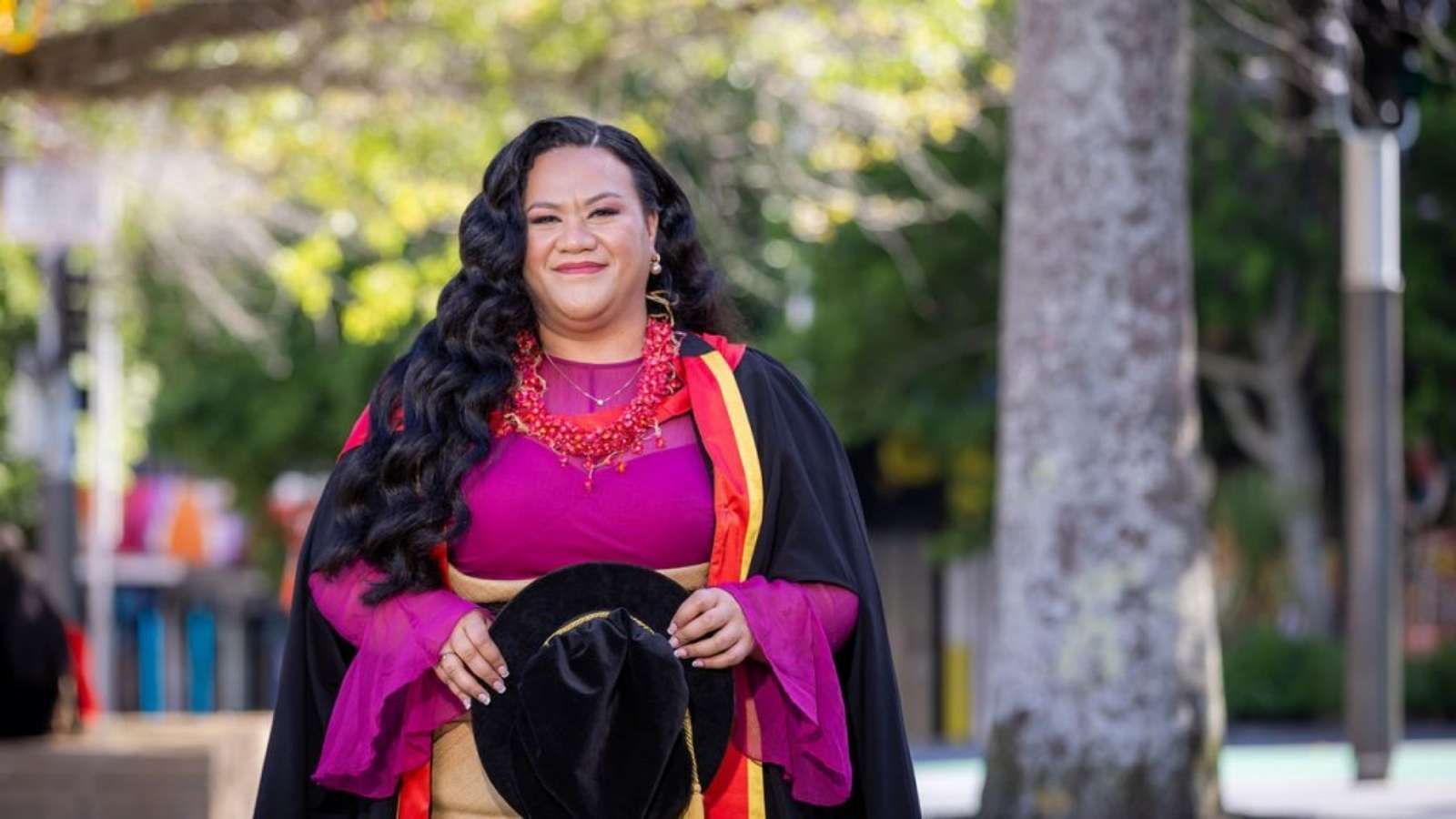
Dr Linda Palavi's research focuses on the vital role of Pacific parents in the healthcare of their children, particularly in hearing health. Photo/University of Auckland/Simon Young
In a press release, Chris Higgins, the Chief Executive of Rare Disorders NZ (RDNZ, called for stronger coordination across government agencies.
But he says efforts have stalled following health system restructuring.
“The question now is whether the current and successive governments will do the same and implement the changes that would improve diagnosis and other outcomes.”
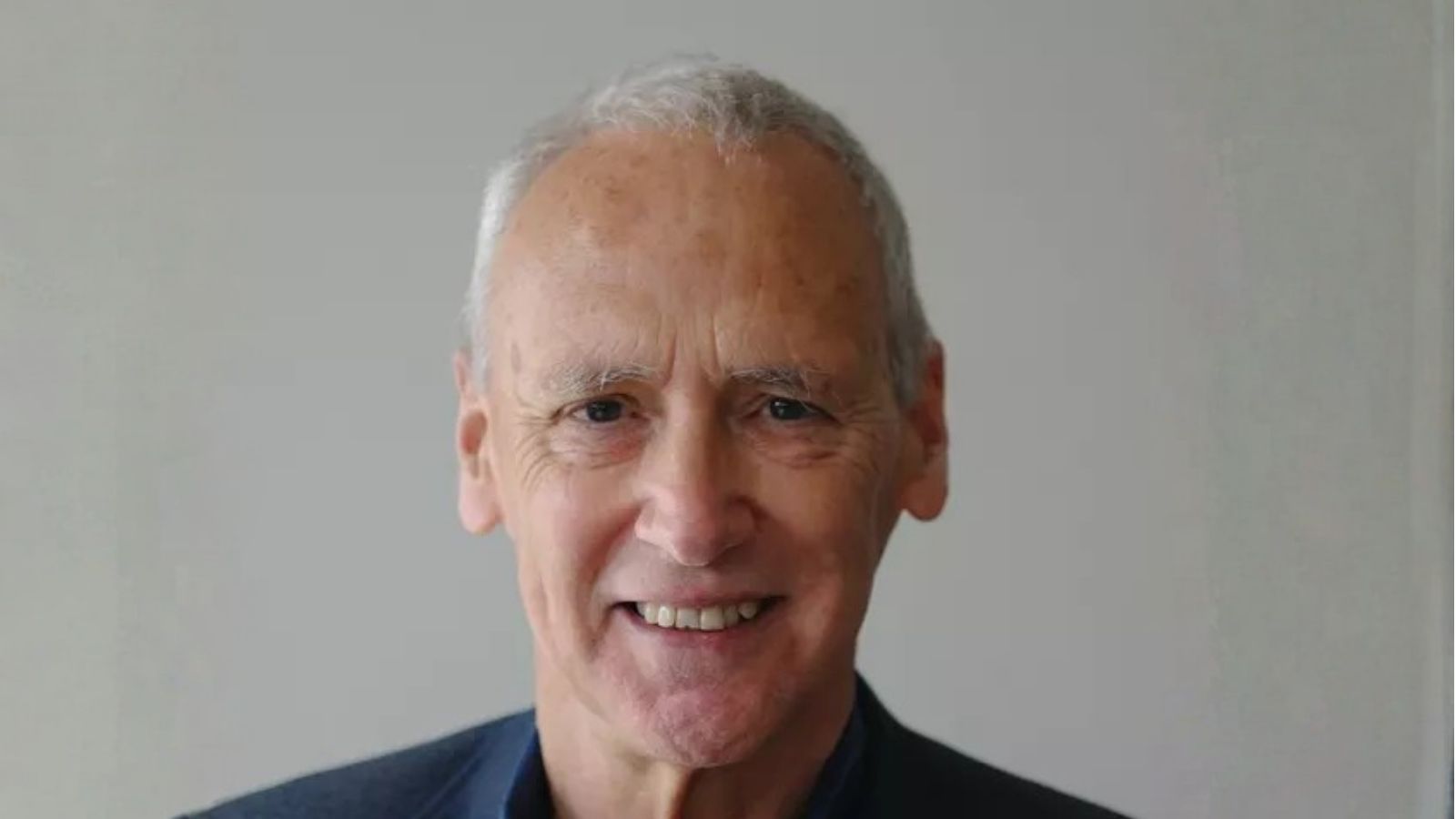
Chris Higgins. Photo/Rare Disorders NZ
RDNZ also requested the Ministry of Health to gather agencies tasked with implementing and monitoring their Rare Disorders Strategy. The request was unsuccessful due to the Te Whatu Ora - Health New Zealand’s due to their reset which launched in 2024.
For Ama and her family, survival was only the first step. Sophia has since had a liver transplant and now lives with autism and developmental delays.
Her care involves ongoing hospital visits, therapy, and the daily challenge of finding the right support at school.
Ama describes it as a constant “juggling and managing” trying to make sure her daughter does not fall through the gaps.
Still, Ama stays focused on the positives.
Brooke Ama says she endeavours to figure out where her daughter Sophia fits in the education system. Photo/Unsplash
“We still try [to] enjoy every moment we have and enjoy each day with what we've got. Sophia is developing every day.
“We never give up. We treat her like a normal child. I think she's gotten far in life because of that.”
Ama’s message to other Pacific families is simple: trust yourself. Speak up. Ask questions. Push for answers.
For families navigating similar challenges, several organisations provide vital support and advocacy:
Rare Disorders NZ - offers guidance and connects families with support groups.
The RARE Portal - provides clinical information and diagnostic pathways.
Vaka Tautua - supports Pacific families with disability and financial services.
Le Va - provides culturally grounded health resources.
Health and Disability Commissioner and the Nationwide Health and Disability Advocacy Service - offer free help to ensure your rights are respected.