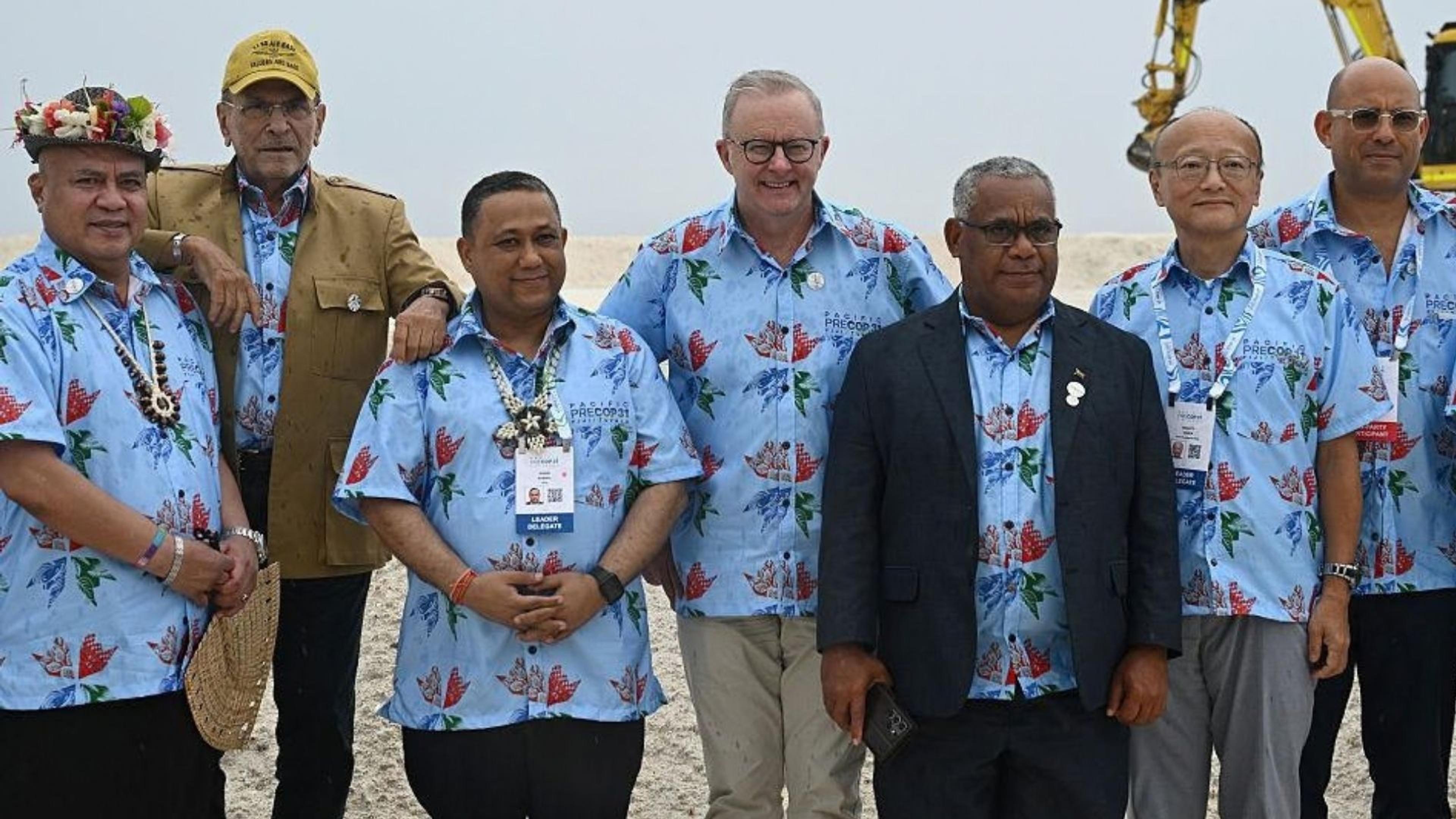
Pacific's climate fund lines up over NZ$330m amid calls for action
Christine RovoiThu, 08 Oct
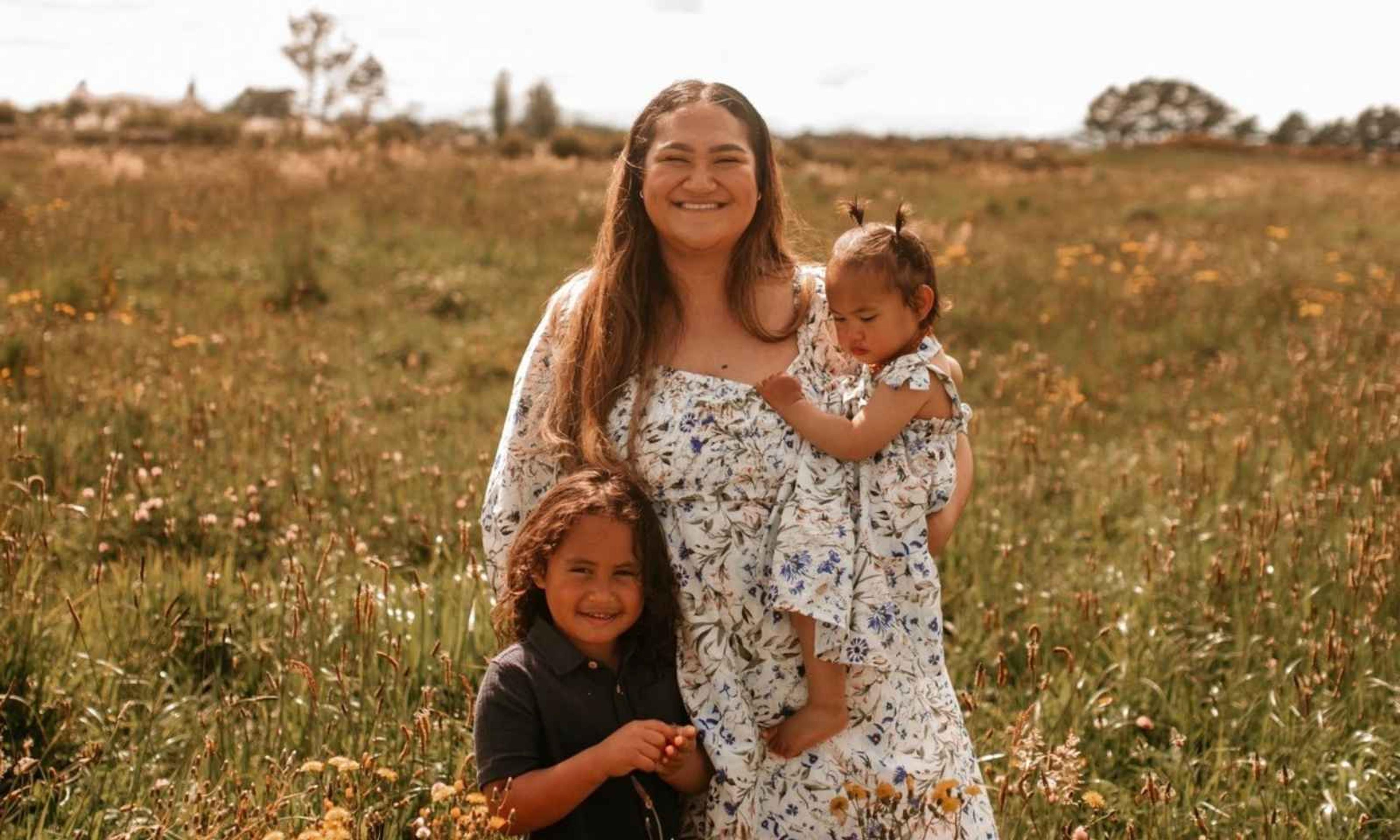
Te Ao Rangi Wawata Kake (centre) was part of the Pacific Islands Families Study.
Photo/Supplied
The study has followed over 1000 tamariki from South Auckland, producing rare Pasifika-led evidence on health, culture, and wellbeing.


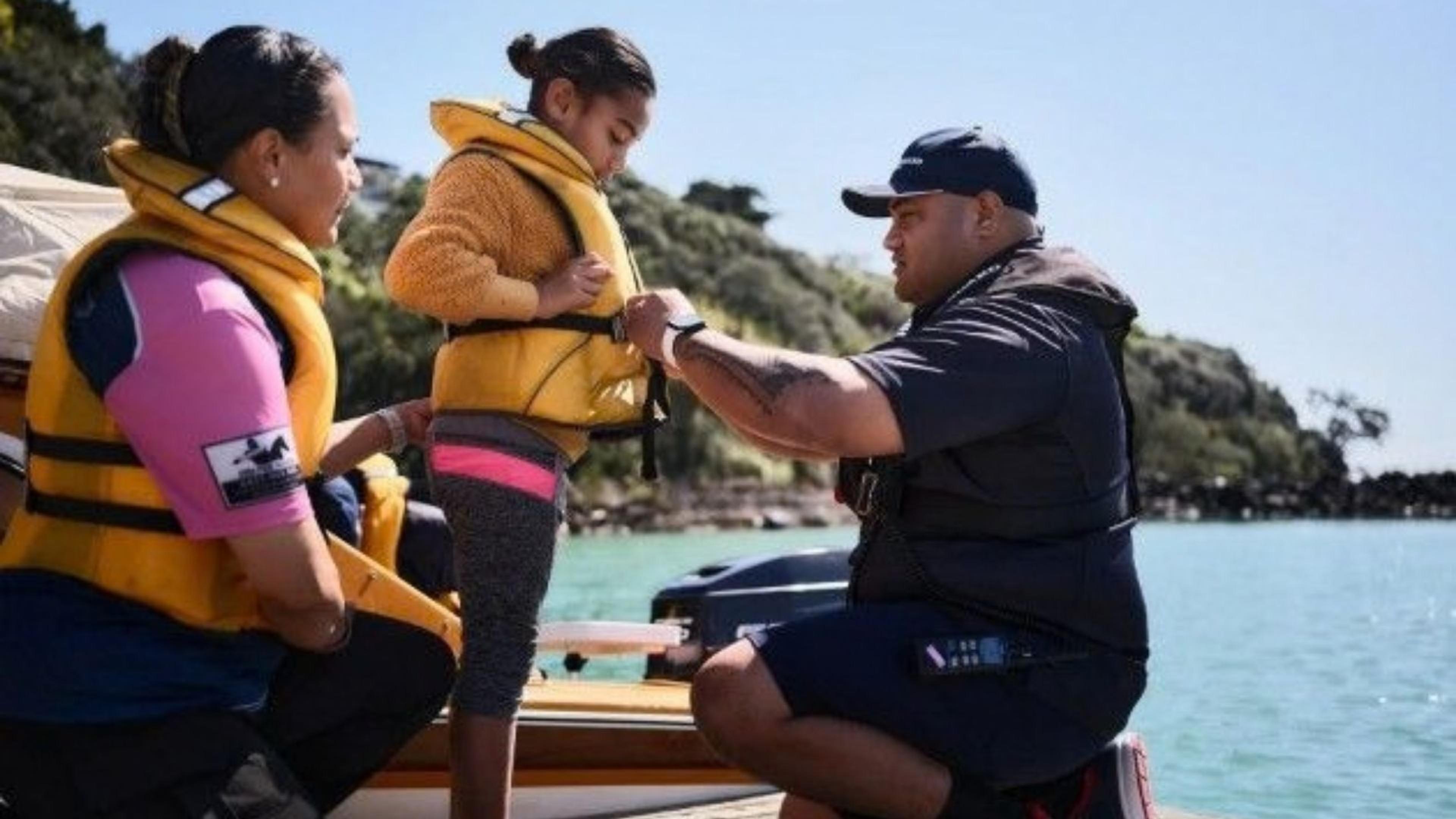
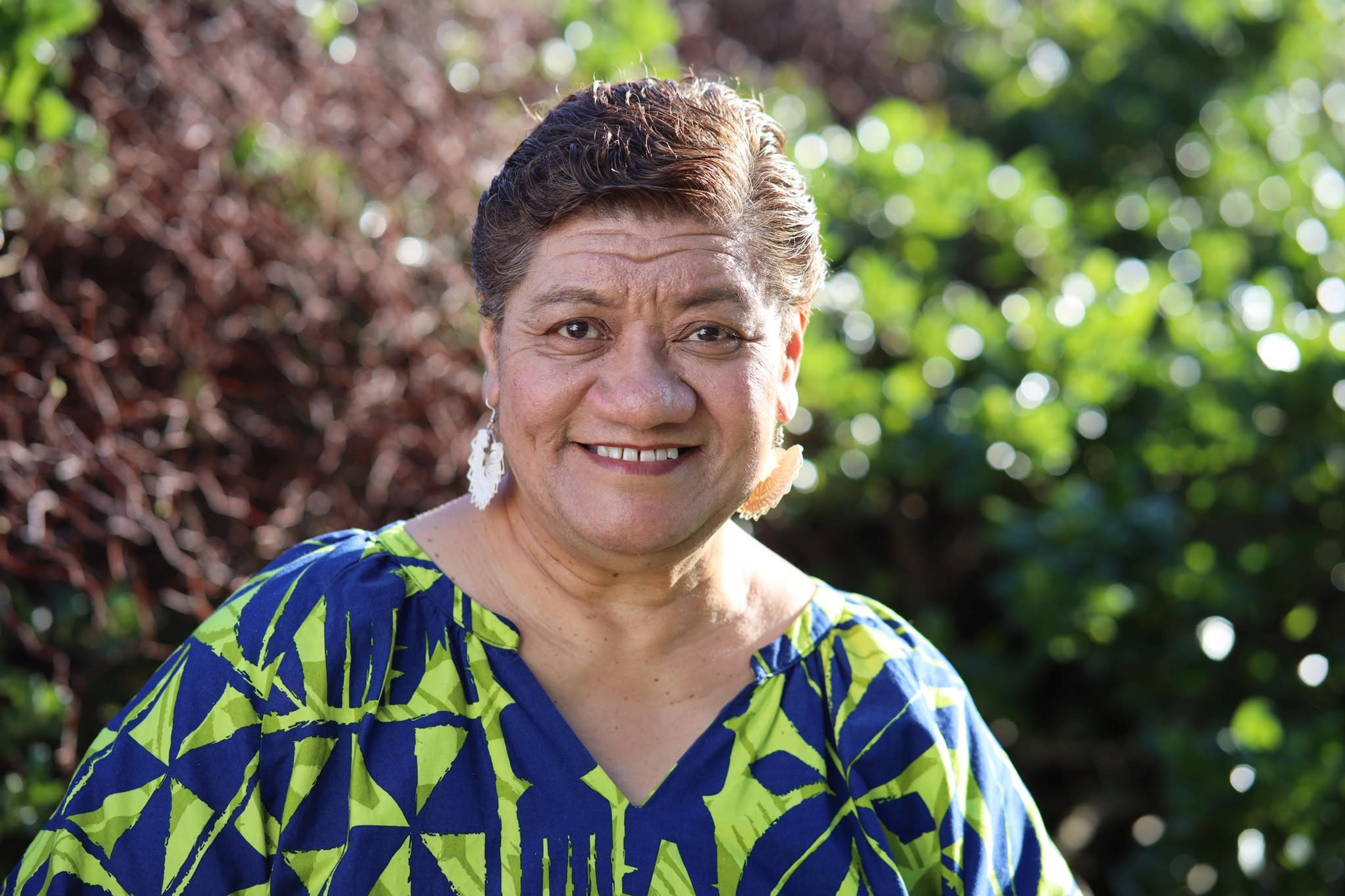
Te Ao Rangi Wawata Kake, a 25-year-old Cook Islands Māori mother, recently took part in her 25-year check-up for the Pacific Islands Families Study, a research project that has followed her and 1397 other children since their births at Middle Hospital in 2000.
For 25 years, the study has tracked the lives of Pacific families in Aotearoa, New Zealand, capturing how health, education, culture, and environmental outcomes influence Pacific communities.
Now, as they reach adulthood, researchers say the evidence is already informing policy and clinical practice for Pasifika.
Led by Associate Professor El-Shadan Tautolo, the research is one of the few longitudinal studies focused solely on Pacific people.
Interviews and assessments were carried out at regular intervals as participants grew from infants to young adults.
Speaking with William Terite on Pacific Mornings, Tautolo says the study’s most significant contribution is generating Pacific-specific evidence grounded in Pacific priorities.
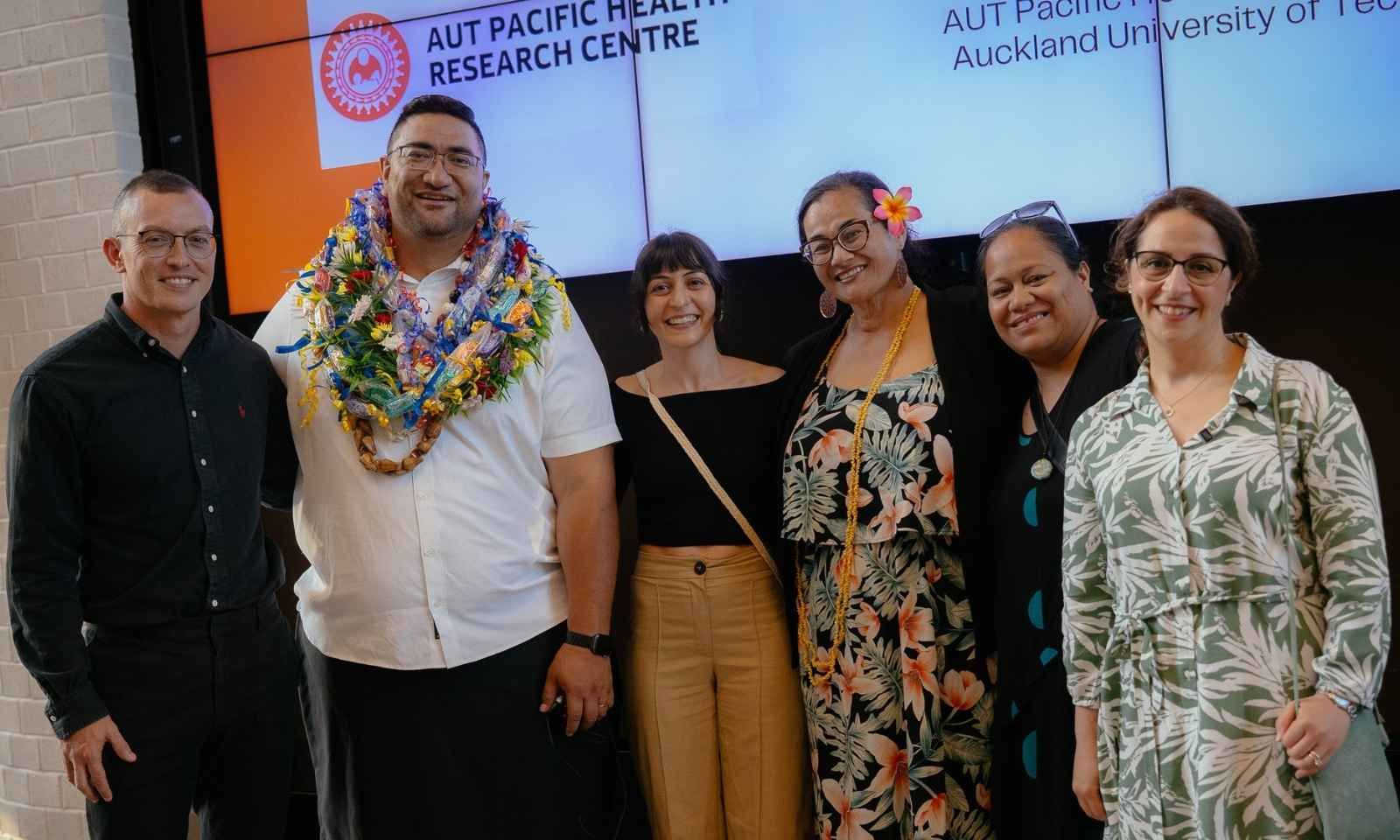
(Left to right) Dr Leon Iusitini, Professor El-Shadan Tautolo, Dr Tugce Bakir-Demir, Stephanie Tautolo, Fuarosa Taue and Dr Shabnam Jalili-Moghaddam. Photo/Supplied
“That was one of the major drivers for starting the study was that there was just a lack of evidence or information about our Pacific families and communities. So it's good to have that opportunity to put forward that voice and that data that's meaningful for us [which] decision makers can use to hopefully make the right decision that impacts our people,” Tautolo says.
“One of the key things that stands out at all phases of development within the cohort, from a young age right through to young adulthood now, is the importance of culture. Things like our traditional language, customs, practices, all of those kinds of things.
Watch El-Shadan Tautolo’s full interview below.
“They seem to have a protective impact or effect in terms of health and well-being. That really points to the importance of maintaining that connection or trying to enhance that connection. Also, the importance of maybe strategies or interventions which incorporate those cultural elements for our people.”
That evidence has been used to inform clinical guidelines and policy discussions, including screening practices, tobacco control, heart health and childhood conditions such as otitis media.
For cohort participant Te Ao Rangi Wawata Kake, a Cook Islands Māori woman now aged 25, re-engaging with the study highlights its Pacific purpose. Kake works as a health administrator at ACC. After an extended break, she resumes participation this year, completing a detailed health assessment that includes body composition analysis, blood tests and dietary measures.
“We arranged to have the 25-year check-up at my house. It was really good, honestly, it was so educational. We did a veggie test, I didn't even know that there was a test that could see your vegetable intake for the last three months,” Kake says.
She says they also did a full body scan to analyse muscle and fat ratio, alongside a blood, sugar and cholesterol test, which overall took roughly two hours. Kake says taking part again matters because the study focuses on improving outcomes for future generations of Pacific people.
“It's interesting hearing the outcomes of the studies. I think there was [a study] in Christchurch where they took a sample of children and followed them throughout their life. It was really cool that I'd be a part of a study looking at Pacific health outcomes. They can better shape whatever they can to ensure that our upcoming Pacific people have better opportunities.
The Pacific Islands Families Study reached 25 years. Photo/Auckland University of Technology
“I did discuss with my assessor that they're still looking for a lot of the other cases. I’d like to encourage anyone who you know thinks there might have been a part of it to come forward and finish it off.”
Tautolo gave an inaugural professional lecture on Friday evening, celebrating the study’s milestone, where he spoke on the nearly 17 years of work he has contributed to it.
“But really, it was more about recognising all the supporters. People who have got me to this point: my family, colleagues and the research participants, because without them we wouldn't have any data or any research to talk about,” he says.
Looking ahead, Professor Tautolo says the next phase will increasingly focus on adulthood, parenting and ageing, including the early collection of data related to brain health. He says maintaining long-term funding is critical, as the value of Pacific longitudinal evidence increases over time.
“Also just looking at continuing to use it as a platform for building our specific research capacity. So more Pacific PhDs and researchers coming through, building up their skills and going on and making a difference for our families and communities.”