
Electoral Commission in Fiji weighs election campaign pause as referendum looms
Elenoa TuragaiviuTue, 06 Oct
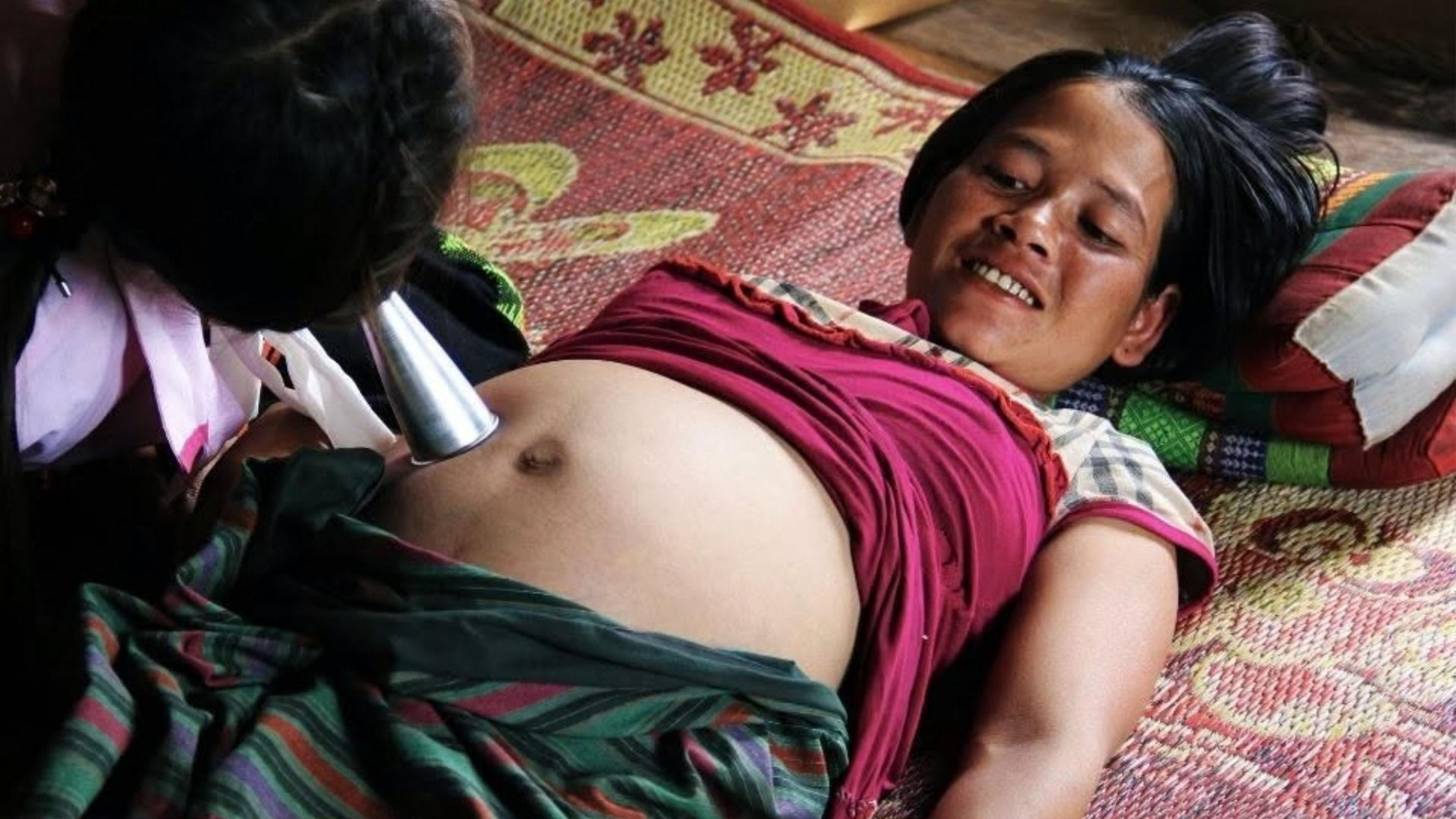
Pregnant women and newborns in the Pacific face growing risks as extreme heat intensifies with climate change.
Photo/UNFPA Asia and the Pacific
New Wellcome survey finds 73 per cent of maternal health professionals are seeing more heat-related complications as the United Nations calls for maternity care to be built into climate planning.



Extreme heat is putting pregnant women and newborns at growing risk with Pacific health systems among those facing the challenge of keeping maternity care safe as temperatures rise.
The United Nations issued the warning at Pre-COP31 in Nadi, Fiji, this week.
Simon Stiell, the UN's Climate Change Executive Secretary, says new survey findings show 73 per cent of maternal health professionals have seen an increase in heat-related pregnancy complications and adverse birth outcomes over the past five years.
“As extreme heat worsens, pregnancy and birth are a new faultline in the global climate crisis and one which is potentially fatal,” Stiell told delegates.
“This faultline must not become another deep chasm of climate-driven suffering, inequality and injustice.”
The Wellcome survey of midwives, obstetricians, and doctors found nearly all respondents had treated mothers or babies experiencing heat stress.
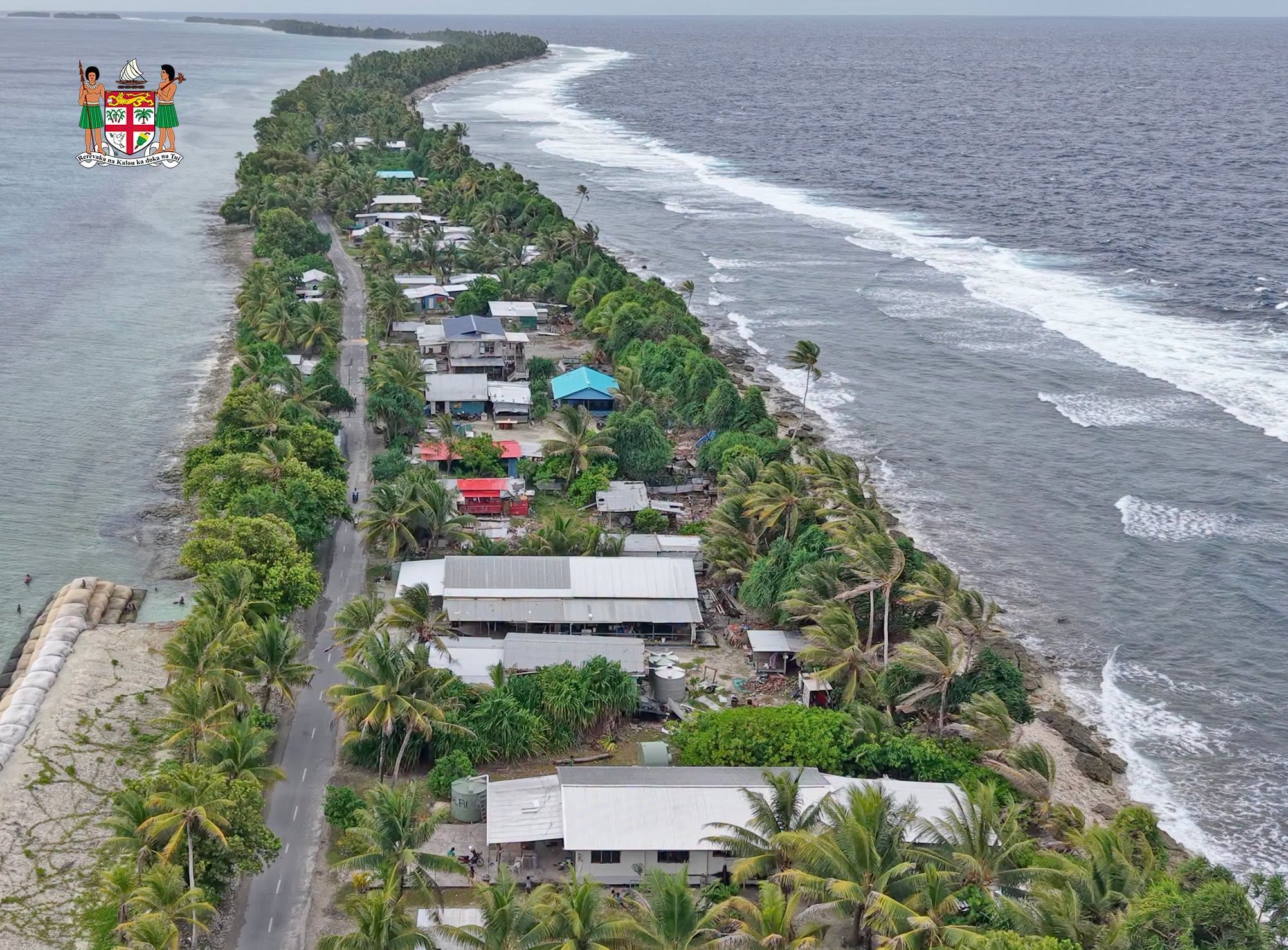
Pacific communities are facing rising temperatures and other climate impacts that are putting pressure on health systems and essential services. Photo/Facebook/Fiji government
About a third reported cases including low birth weight, foetal growth restriction, severe dehydration, and pre-term labour linked directly to extreme heat.
Stiell said the risks are not shared equally as women in climate-vulnerable Small Island Developing States face added pressure where health facilities lack cooling, reliable power, and clean water.
“Pregnancy should be a time of hope,” he said. “But for millions, it is becoming a time of anxiety as climate impacts fill everyday life with risk... No one is immune. But the risks and impacts are not shared equally.”

Pacific leaders gather in Tuvalu as part of Pre-COP31 discussions ahead of COP31 in Türkiye. Photo/Facebook/Fiji government
He said the challenge was not only about treating heat-related illness but making sure health facilities can continue to provide safe care as conditions worsen.
“A safe birth is already too often shaped by geography, income and access to care. Without action, extreme heat will widen that injustice.
"We cannot let worsening climate impacts become permanent pitfalls for maternity wards and families everywhere," Stiell said.
World Health Organization (WHO) Western Pacific Regional Director, Dr Saia Ma’u Piukala, said the region must have a stronger voice in climate decisions affecting health.
“This Pre-COP is an important moment for the Pacific, bringing global climate discussions to a region that has long been at the forefront of the climate crisis.
“It provides an opportunity for Pacific countries and areas to set their priorities, experiences and leadership on the global stage, and to ensure that the realities of Pacific communities are genuinely reflected in the decisions made on climate action.”
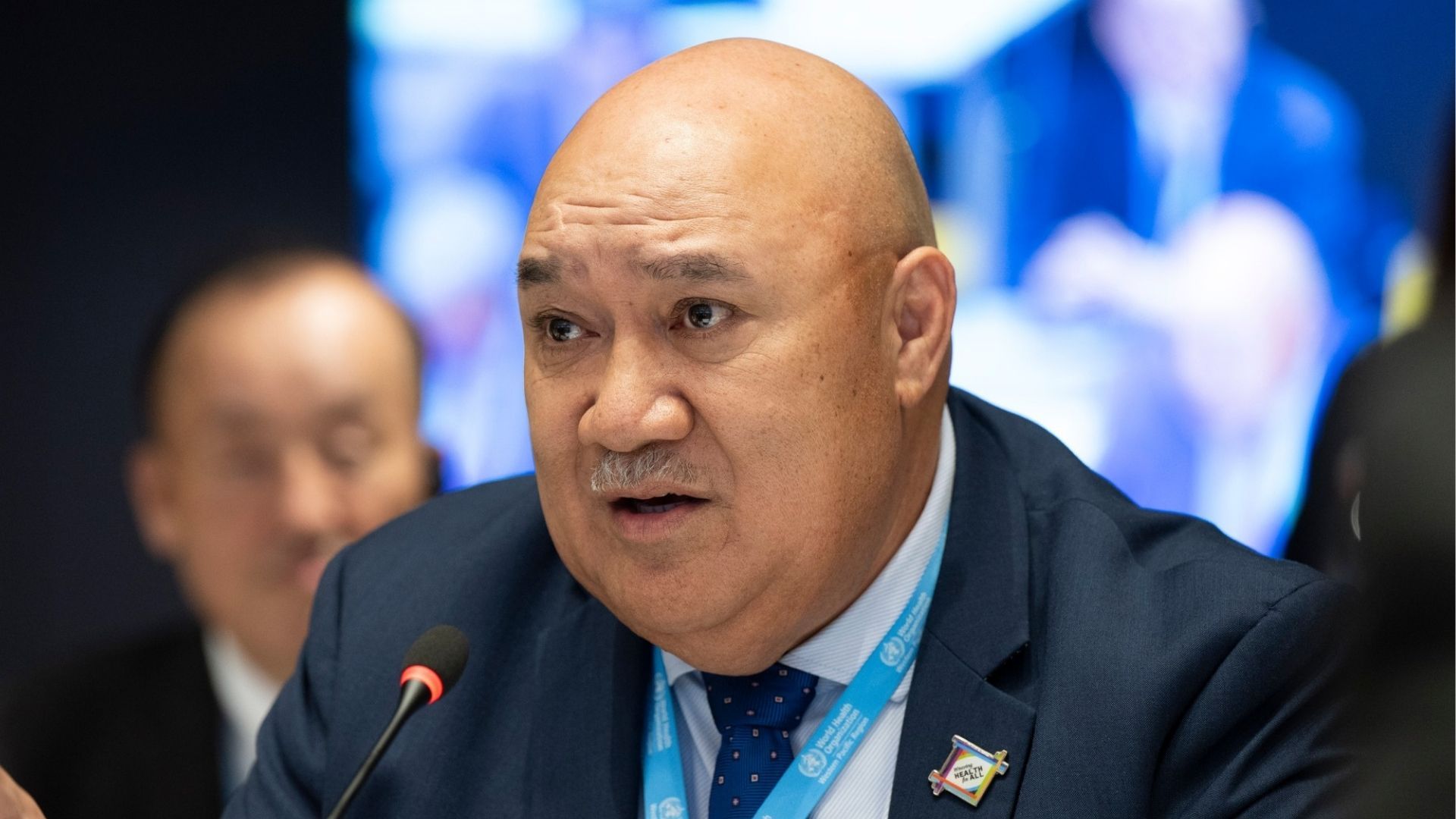
WHO Western Pacific Regional Director Dr Saia Ma’u Piukala says Pacific countries must have their priorities and lived realities reflected in global climate decisions. Photo/WHO/file
Former Australian Prime Minister and Wellcome Trust Chair, Julia Gillard, said pregnant women must be at the centre of the response to extreme heat.
“Extreme heat is an invisible killer but pregnant women must not be invisible,” Gillard stated. “Leaders have the evidence and solutions they need, now they must act.”
Stiell called on governments to include maternal and newborn health in national climate adaptation plans and make sure funding follows.
He said climate planning should include stronger protection for health facilities such as climate-resilient cooling, reliable backup power, clean water storage, and early heat warning systems.
He also called for better collection of data on heat-related maternal and newborn health problems so governments can track the impacts and respond.
In Tuvalu, where Pacific leaders gathered as part of the Pre-COP31 programme, Prime Minister Feleti Teo said vulnerable island countries should not be forced to take on more debt to deal with a crisis they did little to create.
Watch highlights of Pacific leaders' visit to Tuvalu for Pre-COP31 in Funafuti below.
“Small island developing states like Tuvalu have contributed very little to emissions driving this climate crisis, yet we are among those facing its most severe consequences,” Teo said.
“So I ask a simple question. Why should countries like Tuvalu take on more debt to protect ourselves from a climate crisis we did so little to cause? We should not have to borrow a way out of a crisis we did not create.”
For Pacific communities already dealing with rising temperatures and limited health infrastructure, Stiell said the issue is becoming part of a wider question about whether health systems can keep pace with climate change.
“Across every culture, the arrival of a child is precious. So we should all be able to agree: a changing climate must never be accepted as a reason pregnancy and birth become less safe.
"A newborn's healthy start must never depend on a family's ability to escape the heat.”
The Pre-COP31 talks in Nadi continue this week ahead of COP31 in Türkiye in November.