LEAO claims Silver Scroll with first pure Gagana Sāmoa winner
Brooke FonotiWed, 21 Oct
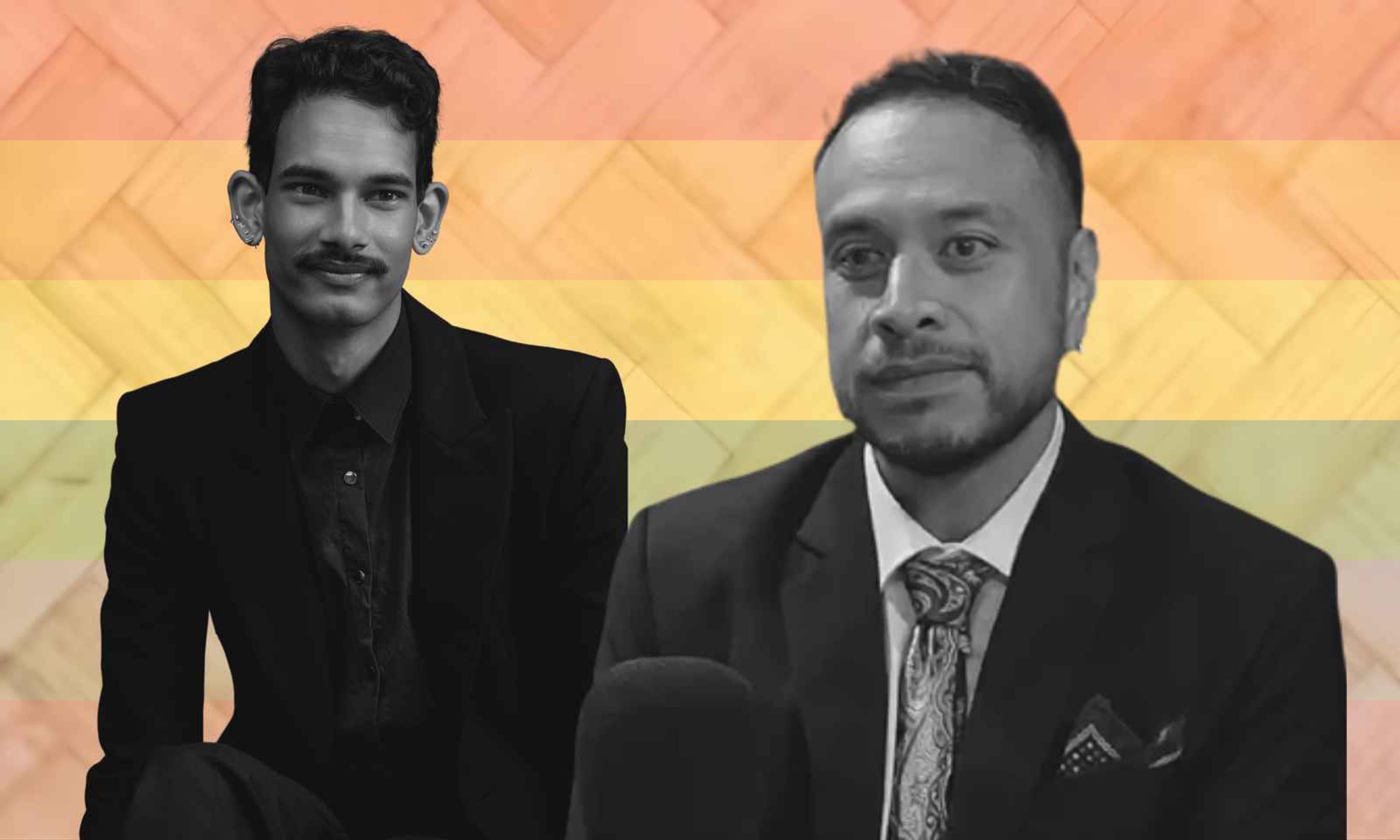
Pacific LGBTQ+ advocate Shaneel Lal (left) and Manalagi Project principal investigator Malaeulu Seuta'afili Dr Patrick Thomsen (right).
Photo/Screenshot/Steve Montgomery
Pacific Rainbow+ communities are more likely to skip medical care due to discrimination as advocates call for urgent reform in Aotearoa’s healthcare system.

Pacific Rainbow+ people who face discrimination in healthcare are avoiding medical care, according to new research.
The study highlights the real and ongoing impact of bias on Pacific queer communities in Aotearoa New Zealand.
The research, part of the Manalagi Project and led by Malaeulu Seuta'afili Dr Patrick Thomsen, analysed national survey data from Pacific Rainbow+ communities across Aotearoa.
The Manalagi Survey found that 60 per cent of Pacific Rainbow+ respondents experienced discrimination in a healthcare setting.
Nearly one in five cisgender sexual minority despondents, and more than a quarter of transgender and non-binary respondents, said they had avoided seeking healthcare because they feared for their safety.
The Manalagi Project is an open-access digital archive of research, scholarship, and creative work focused s on Pacific Rainbow LGBTQIA+ MVPFAFF+ communities in New Zealand.
Watch Malaeulu Seuta'afili Dr Patrick Thomsen's full interview below.
It is the first study of its kind funded by New Zealand’s Health Research Council.
“To us, it’s really, really concerning,” Malaeulu tells William Terite on Pacific Mornings. “We haven’t had that sort of data available to us so what we do know now is discrimination is a very common experience for Pasifika Rainbow peoples.”
Researchers also found that for every additional discriminatory experience reported, the likelihood of avoiding healthcare increased by approximately 60 per cent.
The Manalagi: Aotearoa Pacific Rainbow Health and Wellbeing Project is funded by the Health Research Council of New Zealand, hosted at the University of Auckland and in collaboration with F'INE Pasifika Aotearoa. Photo/Supplied
The survey, launched in 2019, looked at healthcare experiences for both Pacific cisgender sexuality minorities and Pacific transgender and non-binary people.
Malaeulu says the findings confirm what many in the community already knew: bias in healthcare is real and widespread.
The findings mirror other national Rainbow-focused surveys, including Counting Ourselves and Identify, which show that Rainbow communities in Aotearoa experience poorer health outcomes than heterosexual people.
In practical terms, this has meant higher rates of healthcare avoidance, increased reliance on mental health services, and reports of symptoms being minimised or patients being treated differently from Pākehā.
Nearly one-third of cisgender sexual minority respondents and more than one-third of transgender and non-binary respondents said they had sought mental health support in the past year.
The research also found that race or ethnicity-based discrimination was a stronger predictor of healthcare avoidance than discrimination based on sexuality or gender identity alone.
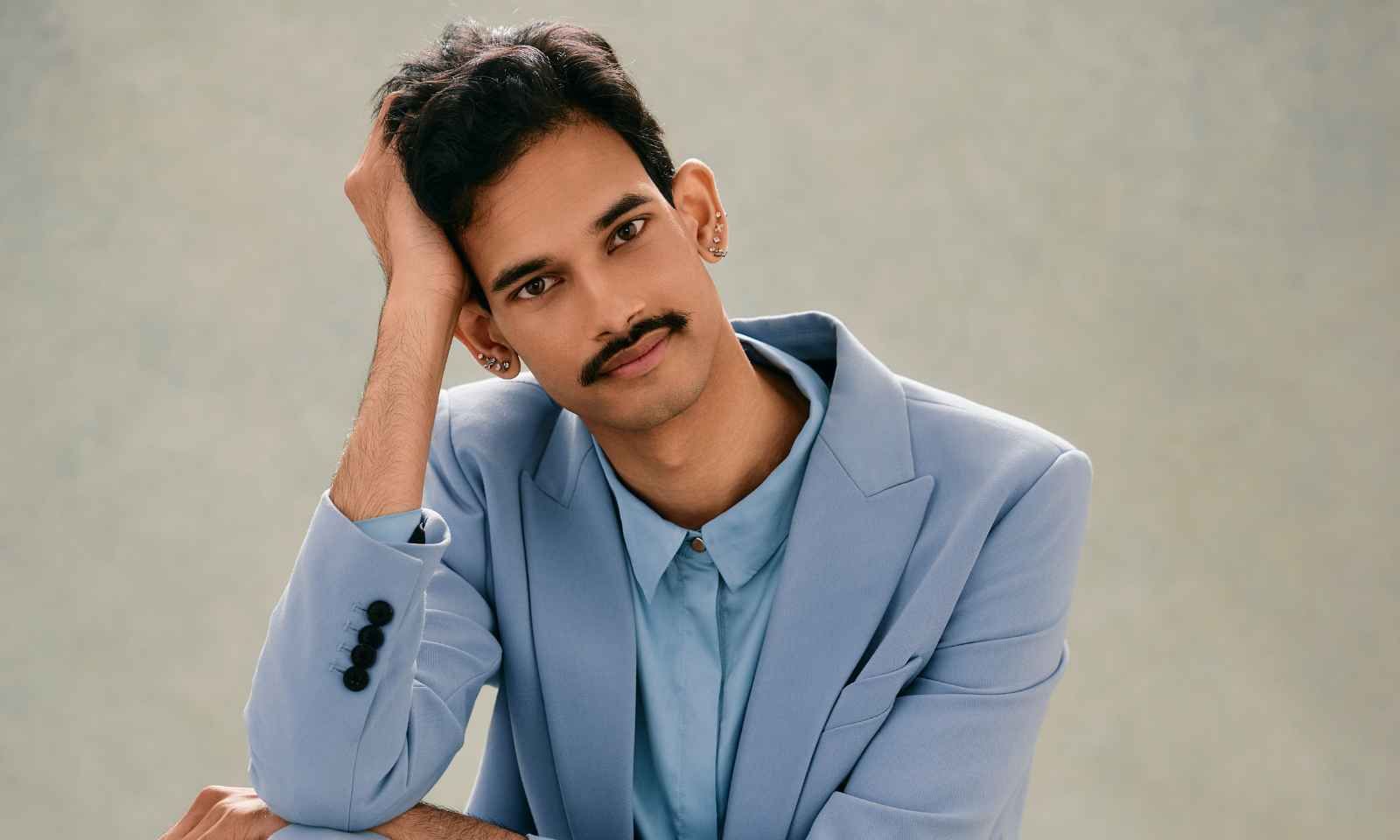
Fijian LGBTQ+ advocate Shaneel Lal. Photo/Steve Montgomery
Shaneel Lal, Fijian-New Zealand LGBTQ rights activist, shared his own experiences with discrimination.
While volunteering at Middlemore Hospital, he was approached by a church leader who offered to “pray the gay away”.
“That moment was deeply unsettling,” Lal told PMN News. “I had experienced conversion therapy in Fiji, and when I moved to New Zealand, I believed I had left that behind.
“I never expected to encounter it again, especially from someone who was operating within a healthcare environment.
“Hospitals are meant to be places of safety, healing, and dignity. Instead, I was reminded that anti-queer attitudes can exist even in the very systems meant to care for us.”
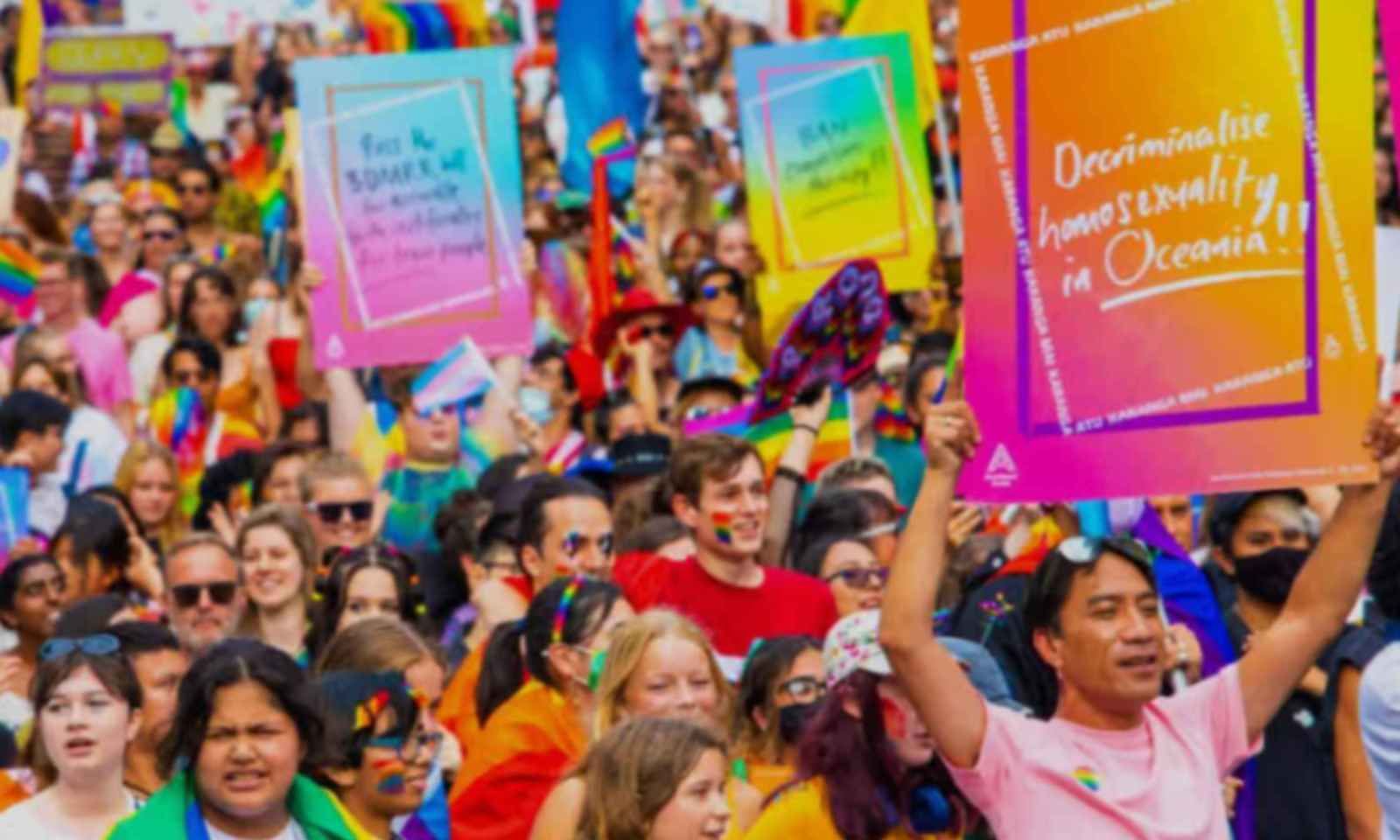
Auckland Pride Parade. Photo/Auckland Pride Facebook
Lal also spoke about the difficulty many Pacific queer people face in discussing sexual health openly with healthcare professionals.
“Many Pacific families share trusted family doctors who are also connected to their church or wider community.
“When you are not openly queer in those spaces, it can feel daunting to discuss aspects of your identity or sexual health with someone who is part of your broader social world.”
The highlights that assumptions of heterosexuality or cisgender identity can prevent honest conversations and affect routine healthcare.
Fear of judgement or privacy breaches can stop people from getting care, even when it’s needed.
Malaeulu says the Manalagi Project will continue to areas where New Zealand’s healthcare system needs to improve.
With extra funding, the team hopes to create resources for healthcare providers like Te Whatu Ora and the Pasifika Medical Association to better support Pacific Rainbow+ patients.
Malaeulu is also set to become the Associate Dean Pacific at the University of Otago Wellington Medical School in March where he plans to continue championing health research.
Both Malaeulu and Lal stress that long-term change requires investment in Pacific research and workforce development.
Lal says supporting more Pacific young people, including queer Pacific youth, to enter healthcare professions is essential.
“New Zealand’s healthcare system is under immense strain,” he said. “Meaningful change requires structural investment [so] care is culturally competent, inclusive, and responsive to diverse communities.”
The research sends a clear message: discrimination in healthcare is not just a personal experience, it is a barrier that can put lives at risk. For Pacific Rainbow+ communities, action can’t wait.