
David Seymour wants tougher welfare rule as Labour targets hidden costs in 2026 election
Thomas Tarurongo WynneFri, 09 Oct
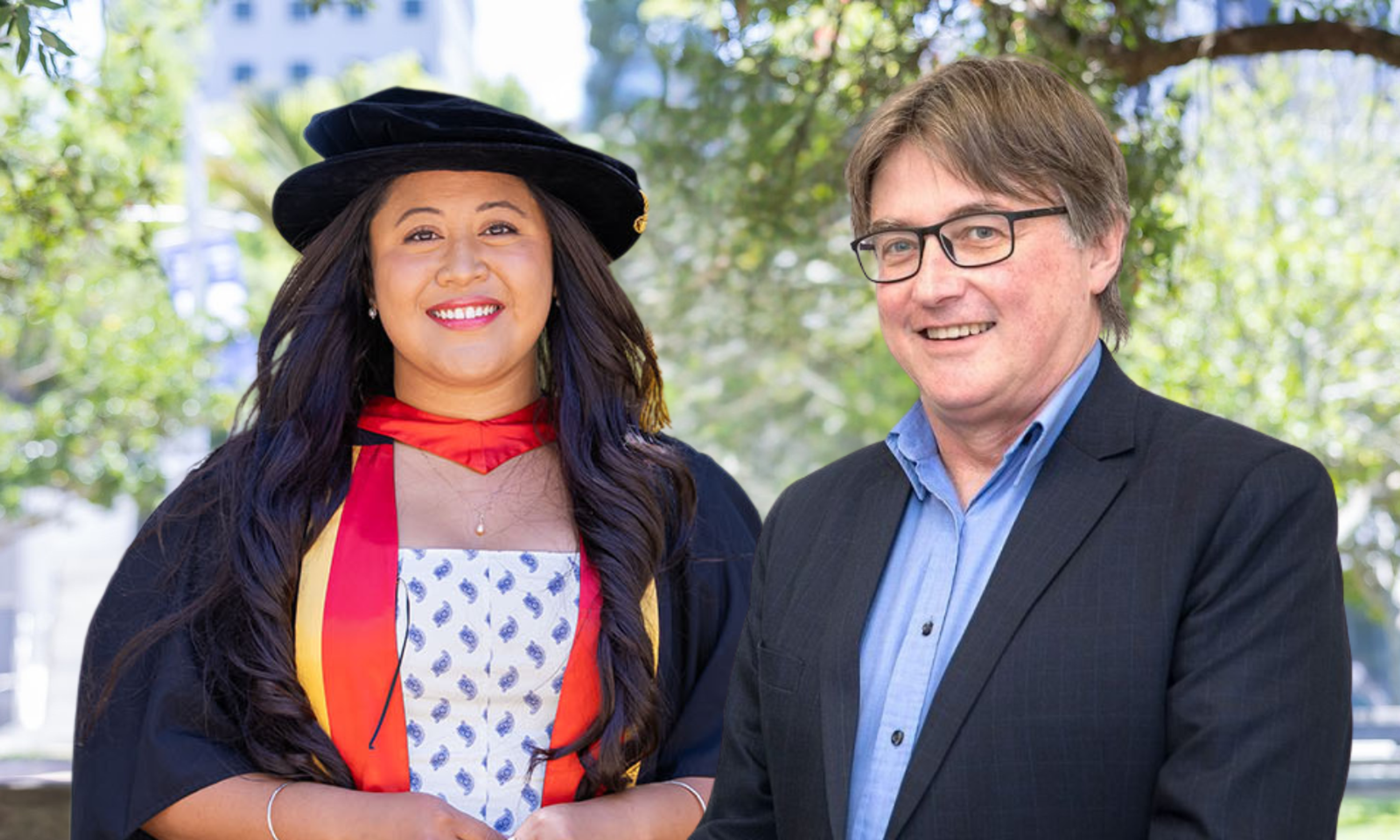
Zanetta Toomata and Peter Shepherd are researching if a gene in Pacific populations responds differently to diabetes medication.
Photo/Supplied/University of Auckland
Ongoing genetic research could make diabetes and obesity treatments more effective for communities long left out of global health data.



Doctors may one day prescribe diabetes and obesity treatment differently for Pacific and Māori patients, not because of assumptions but due to evidence written in their DNA.
That future is coming closer as researchers uncover genetic variants more common in Māori and Pacific people that may influence how the body responds to widely used medications including metformin.
One of the researchers driving this is Zanetta Toomata, a Hawaiian-Sāmoan geneticist, who has just completed a PhD focused on precision diabetes medicine.
She is now preparing to take this research further through a postdoctoral fellowship at Harvard University.
Her work looks at how genetic differences affect disease risk and treatment response, and why one-size-fits-all medicine fails Māori and Pacific people. “Different communities experience disease differently,” Toomata tells PMN News. “What works for one population may not work for another.”
Despite high rates of diabetes and obesity, Māori and Pacific people remain largely absent from global genetic datasets.
Toomata says the gap has real consequences in clinics and hospitals.“Close to 90 per cent [of genetic reference data] is from European populations, so the risk prediction, screening tools, even treatment decisions and clinical trials have the potential to be less accurate for our communities, and reinforce the whole health equity aspect, rather than reducing them.”
Her findings, published in leading journals and presented internationally, suggest that ethnic-specific genetic research could reduce unnecessary testing, allow earlier intervention, and improve how well medicines work.
Professor Peter Shepherd, of the University of Auckland, is leading parallel lab research into obesity and diabetes for Māori and Pacific people.
His team has identified Polynesian-specific gene variants that may affect how the body processes drugs like metformin - one of the most commonly prescribed treatments for type 2 diabetes worldwide.
“We need to think differently about strategies to address these issues,” Shepherd tells PMN News.
A clinical study planned for later this year will test how these gene variants affect treatment response. Results could emerge within 18 months with long-term implications for how doctors manage diabetes.
“If the gene affects the way metformin works, that will guide the way diabetes is treated in the future for those who have it,” Shepherd says.
The research team is also studying a gene known as CREB-RF, which influences body size and composition. Early findings suggest obesity in Polynesian people may not follow the same biological pathways seen in other populations.
“It means we need to think differently about strategies to address these issues,” Shepherd says.

A study is exploring if certain genes respond differently to medication. Photo/Unsplash
Both researchers emphasise that genetics is not the sole driver of health outcomes. Socio-economic conditions, food access, housing, and environment all play major roles. Still, genetics is a major missing piece that could significantly improve care.
Leading research with culture in mind
Toomata says how the research is led matters just as much as the results.
“Many believe that DNA is connected to their whakapapa (genealogy),” she says. “It’s sacred knowledge, so genomic research needs to have proper Māori and Pacific leadership and governance to ensure that the benefits can actually come back to whānau, and that the data is used respectfully.”
She hopes to return to Aotearoa after her postdoctoral work to continue the research and mentor future Māori and Pacific scientists.
Her message to young people considering science is clear: “Your culture, your experiences, even your curiosity - those are strengths,” she says. “There is space for you in science, genomic research, molecular biology, and leadership. When you step into these spaces, you belong, and you have the power to change them. Your voice and your perspective matter, and may be what’s needed to discover the next scientific breakthrough.”