
Future of community house uncertain as lease ends, agencies clash over control
Taelegalolo'u Mary AfemataTue, 14 Apr
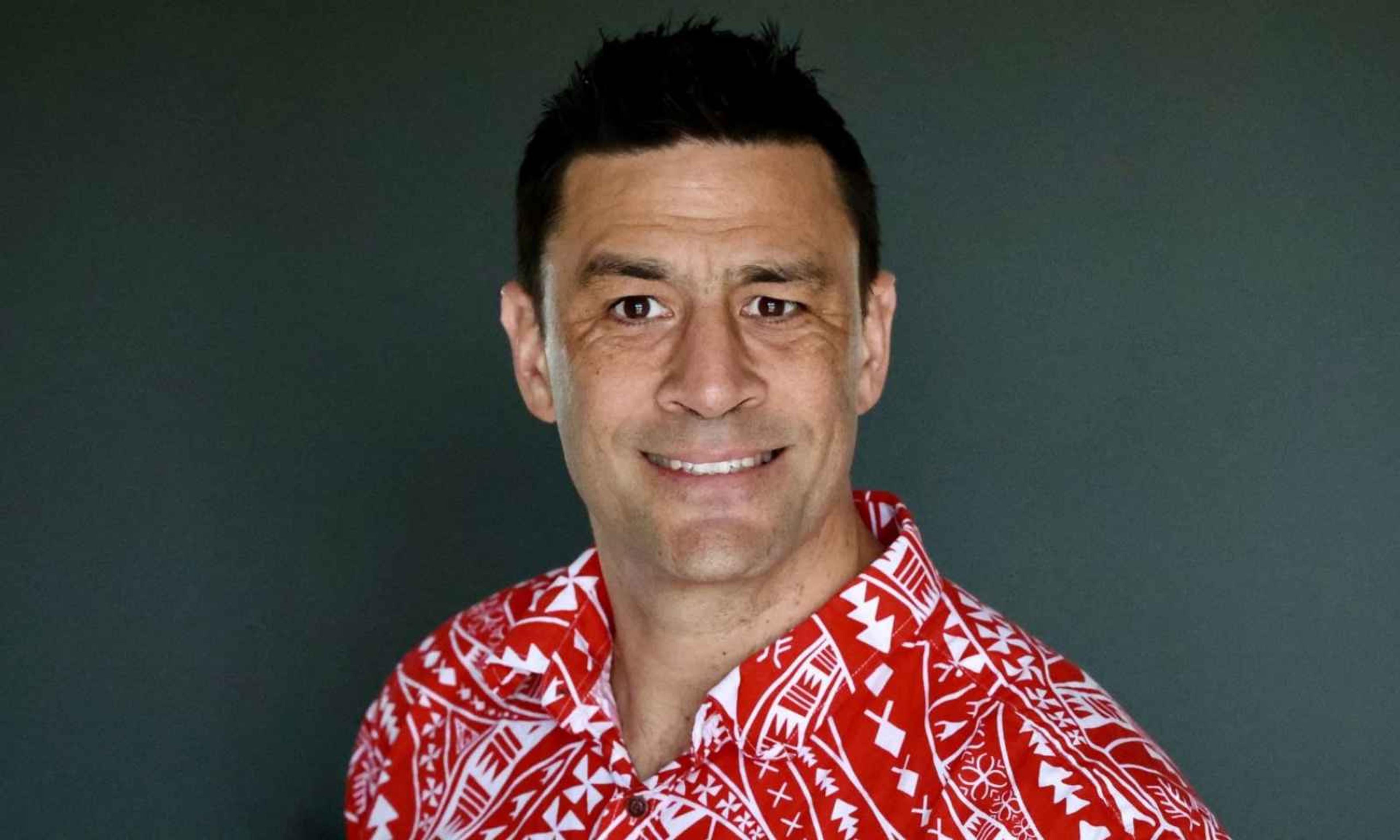
Dr Etuini Ma'u is a New Zealand-based psychiatrist with clinical and research experience in old-age psychiatry, particularly dementia and cognitive disorders.
Photo/Supplied
Dr Etuini Ma’u says stats show improvement on paper, but many Pasifika are still missed by the system until they reach breaking point.



Government mental health targets showing faster access to care for Pacific people are being hailed as signs of progress.
But experts warn the figures may be masking a deeper problem.
While recent data suggests Pacific patients are being seen more quickly once referred, concerns remain that many never reach the system at all, falling through the gaps until their mental health deteriorates into crisis
A psychiatrist says this disconnect between reported success and lived reality risks obscuring the true scale of unmet need in Pacific communities.
Speaking on Pacific Mornings, psychiatrist Dr Etuini Ma’u says the data captures those who manage to enter specialist mental health services, not those missing upstream.
Latest figures show Pacific people referred to specialist mental health services are being seen within the three-week target timeframe.
Watch Dr Etuini Ma'u's full interview below.
The government has also reported a 5.8 per cent increase in faster access to primary health support.
“What we have to be careful about is extrapolating too far from the data, because what the data is showing is the people that end up in the system that are then seen,” Ma’u says.
“And what we're missing in the data that the Ministry can't really capture is who we're missing upstream from there Pacific people who never make it to mental health services, the Pacific people who never make it to the GP in order to get that referral.”
He points to national health surveys showing high levels of psychological distress among Pacific people especially youth, figures he says are not reflected in service uptake.
“There’s a disconnect between who’s actually seen and the level of distress that we’re seeing particularly in youth in the community.”
Mental Health Minister Matt Doocey acknowledged the challenges, but says Pacific people recorded one of the strongest improvements in access to primary mental health support within one week.
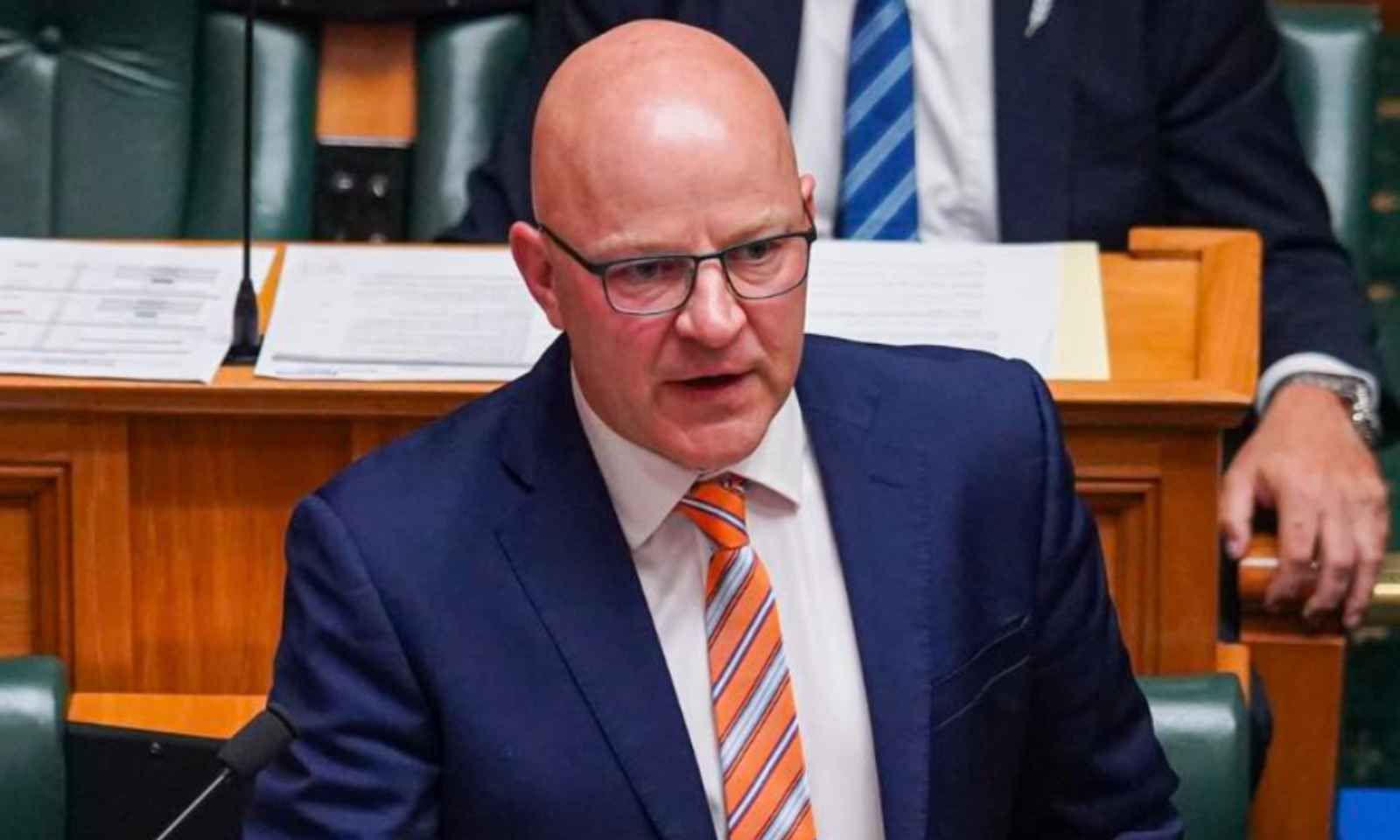
Mental health Minister Matt Doocey. Photo/Supplied
Speaking to PMN News, Doocey credits Pacific-led providers such as Mapu Maia with driving those gains.
“There’s always room for improvement and that's why every quarter, having the data where we can go into the 20 health districts, we can go into population groups, we can look at rural and urban, it allows me to have a conversation with Health New Zealand that we hadn't been having before,” Doocey says.
“My expectation is when this area is not meeting the target level, they'll put action plans in place to ensure we do next time.”
Ma’u cautions that faster access alone does not necessarily translate into better outcomes. He says the mental health system remains structurally misaligned with Pacific communities, with barriers at every stage.

Mapu Maia provides culturally responsive support for Pasifika communities in Aotearoa, focusing on mental health, gambling harm prevention, and wellbeing. Photo/Supplied
This includes limited health literacy around mental illness, gaps in cultural understanding, and assessment tools largely designed for a European majority.
“The evidence is quite clear that our Pacific populations do tend to present more in crisis, and we're not picking people up at that mild, that early stage where potentially more primary care interventions can be put in place.
“Things do tend to reach a crisis point and then they come into specialist mental health services, and I think from a societal point of view, we need to be looking at how we get people in the door earlier and address the distress and anxiety and depression at a milder stage so that they stand a much better chance of getting early appropriate treatment.”