
After 51 years, Polyfest is still fighting for long-term funding certainty
Taelegalolo'u Mary AfemataTue, 31 Mar

Curls out, girl's out. PMN News multimedia journalist, Atutahi Potaka-Dewes. Photo/Supplied
Photo/Atutahi Potaka-Dewes
Curl care wasn’t something many of us learned at home, but texture deserves intention, patience, and love. Here’s how to help you care for your curls.




Summer is officially underway. This year's calendar has something for everyone - from sports, art, music, faith, and food to families and friends enjoying a fun day out and creating lasting memories.
Curly hair is more than texture. It’s a part of our identity as Pacific people. But for many of us, curl care wasn’t something passed down at home or through the generations. Most of the women in my family have thick, tight ringlets, but not one of us knew how to look after them properly.
Every curly-haired girl I know has had a straightening era, a dramatic chop, or both. Some avoid the tedious curl-care routine entirely and opt for Keratin or nanoplasty treatments.
Let’s be honest, having textured hair can be expensive. We find ourselves buying conditioner by the gallon, on the hunt for the “perfect” claw clip, saving up for that $300 hair appointment, and mentally preparing for wash day like it’s a major event.
All of that effort sits on top of unlearning Western beauty standards that still shape our Pacific beauty industry today - a talanoa for another time.
These are tips that I’ve picked up over the years. They won’t be perfect for everyone, but think of them as some “big sis advice” to help you love what your mama gave you.
Finding the right products and routine takes time. Be gentle with yourself as you experiment. Once your curls start getting consistent care, they’ll reward you with better shape, less frizz, and easier week-to-week maintenance.
You can brush your hair when it is wet, just make sure you’re using the right tool. A defining brush (I got mine for about $14 from Chemist Warehouse) was a total game-changer. The multibristles help with detangling and reducing frizz, while the prongs on the side and ridges on the back help to define curls into clumps. It takes a few tries to get the motion right, but trust me - buy the brush.
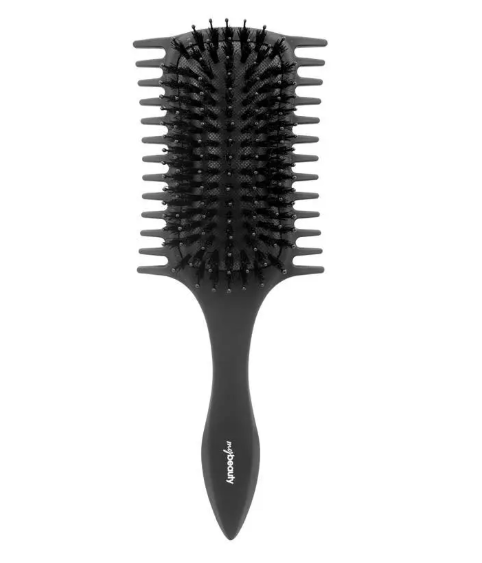
Curl defining brush from the Chemist Warehouse. Photo/Chemist Warehouse
Use a hair mask or leave-in treatment weekly and leave it in for triple the time suggested. Overnight? Even better.
Go easy on the oils if you’re spending the day in the sun because like a frying pan (or Monoi Tanning Coconut oil), they can literally cook your hair.
Swap to a curl cream for protection and slip, especially after swimming. It’s thicker and won’t absorb as quickly as a leave-in conditioner.
Switching between braids, plaits, twists, and low buns helps reduce tangles, prevents breakage, and protects the ends on high-UV days, beach trips, or at the gym. It’s so simple but is the most low-maintenance way to lessen hair damage. Be careful with daily ponytails or tight top buns as they can thin and weaken hair at the crown.
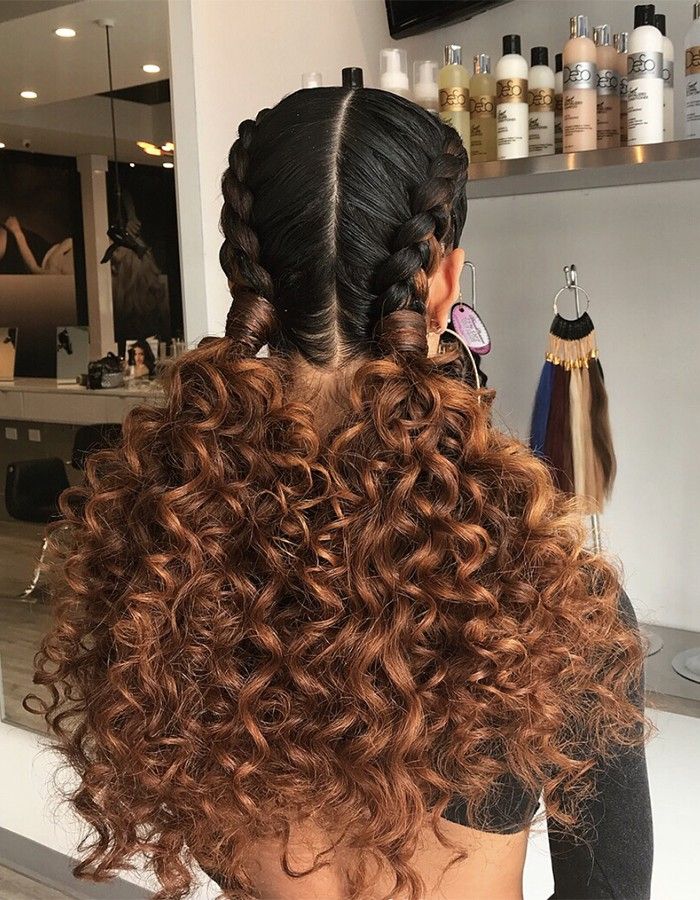
Look after them locks. Photo/The UnderCut
I’m not saying all your bedding needs to be silk, just a couple of pillow cases, or a silk/satin scarf or bonnet to sleep in. They help maintain curl patterns, prevent friction and damage, and improve scalp and skin health. Cotton and polyester can trap bacteria, so this simple switch goes a long way.
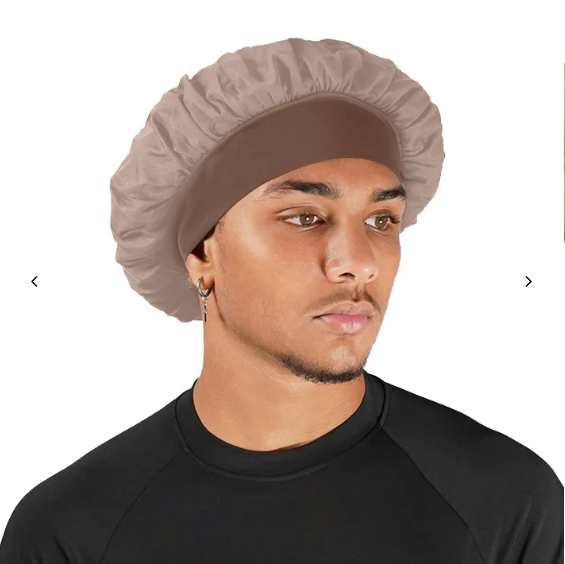
Silk bonnets are a life saver, for everyone. Photo/Durag.co.nz
There are endless curly hair tutorials online and products aren’t cheap. Start small.
Clarifying wash: Use a clarifying shampoo to reset your scalp, or, if you’re into DIY, mix 30-50ml of apple cider vinegar with water for a gentle cleanse.
Gather your basics:
Hydrating conditioner
Hair mask or leave-in
Curl cream
Gel
A light oil (coconut works great)
Wash routine:
Avoid scalding hot water.
Shampoo the scalp only. Let the suds cleanse the ends.
Conditioner should stay on the lengths, not the roots.
Use your defining brush to apply your leave-in or mask, then rinse with lukewarm water.
Apply curl cream the same way - roots to ends, focusing on the lengths. If you like mousse, scrunch a small amount into the lengths. Then brush gel through to coat and define your curls.
Let the gel set: This is where the magic happens. Let the gel form a cast and don’t touch your hair until it’s almost dry. Once the curls feel firm and set, take a grape-sized amount of oil, scrunch gently, and break the cast.
Most curls only need a proper wash once a week - those who go to the gym can adjust as needed. Instead of starting from scratch:
Grab a continuous plant-mist spray bottle (mine was $10 from Bunnings).
Wet the sections you want to restyle.
Add a touch of curl cream or gel to revive definition.
Learning to care for your curls is a journey, not a race. The more intention and love you give them, the more they’ll flourish. Celebrate your texture, honour where it comes from, and remember: your curls are an intergenerational gift.