
From awe to confidence as the Fijian Drua back themselves in women's rugby final showdown
Latonya LoleWed, 22 Jul
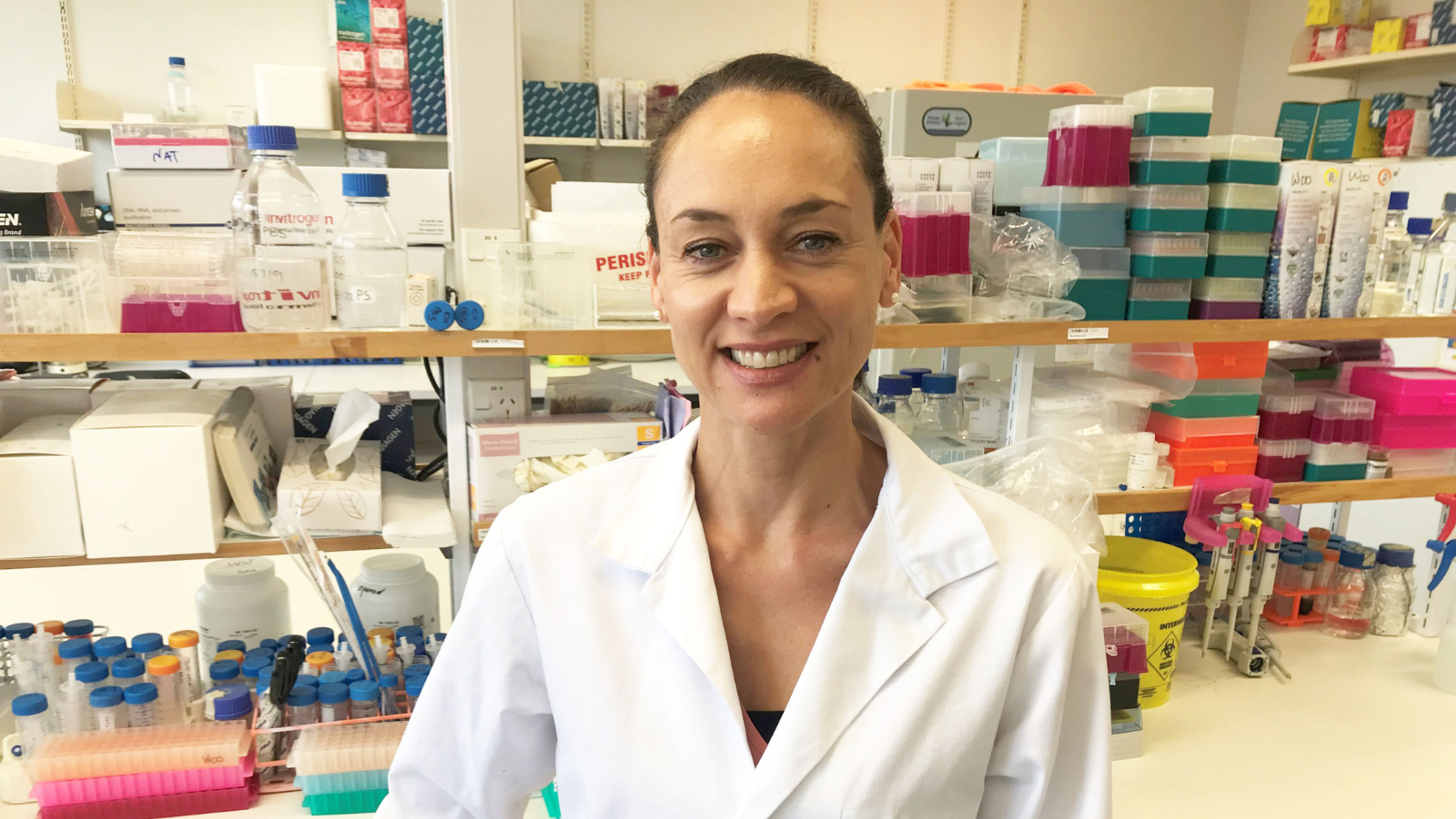
Dr Natalie Netzler is researching how Sāmoan and Māori remedies can be used for modern viruses.
Photo/Supplied
Measles, dengue, and Zika still threaten Pasifika. A scientist is testing whether traditional plant remedies could help create new antiviral treatments.


As a child, Dr Natalie Netzler remembers lying still while her father pressed his hands to her aching head.
The traditional Sāmoan massage, known as fofō, felt intense. Then suddenly, the pain was gone.
Years later, that memory still stays with her, not as magic but as a question.
Today, Netzler, a senior lecturer at the University of Auckland, is leading research that brings together ancestral knowledge and modern science.
Her focus is urgent: viruses like measles, dengue, and Zika that continue to threaten Pacific communities hard.
“Out of the almost 300 viruses that make humans sick, despite all of modern medicine, we only have tools to prevent and treat a few of them really,” she tells PMN News. “There’s only vaccines to prevent around 25 viral diseases worldwide. And there’s only antiviral treatments for around 11.”
Listen to Natalie Netzler's full interview below.
For many viral diseases, there is no specific treatment at all, only care to manage symptoms. In 2019, a measles outbreak in Sāmoa infected more than 2000 people and killed 81, most of them children.
The World Health Organization says measles will continue to spread unless at least 95 per cent of people are vaccinated and countries maintain strong outbreak monitoring.
Following a recent dengue-related death in the Cook Islands, Professor Sir Collin Tukuitonga, Associate Dean Pacific at the University of Auckland, warns that dengue is a serious and growing threat across the region.
“Dengue is not a mild illness. Repeat infections are more dangerous, particularly for Pacific peoples and frequent travellers,” he said in a statement.
Netzler (Ngāti Ruanui, Ngāti Hauā. Moto’otua, Falealili - Sāmoa) believes Pacific knowledge could be part of the answer.
Her research tests plant extracts used in traditional Sāmoan and rongoā Māori medicine to see whether they can stop viruses from growing in the lab.
If an extract shows promise, scientists then work to identify the active part of the plant and refine it into something that could one day become a safe, tested medicine.
The work is indigenous-led and carefully controlled with project partners including the Scientific Research Organisation of Sāmoa and rongoā Māori practitioners.
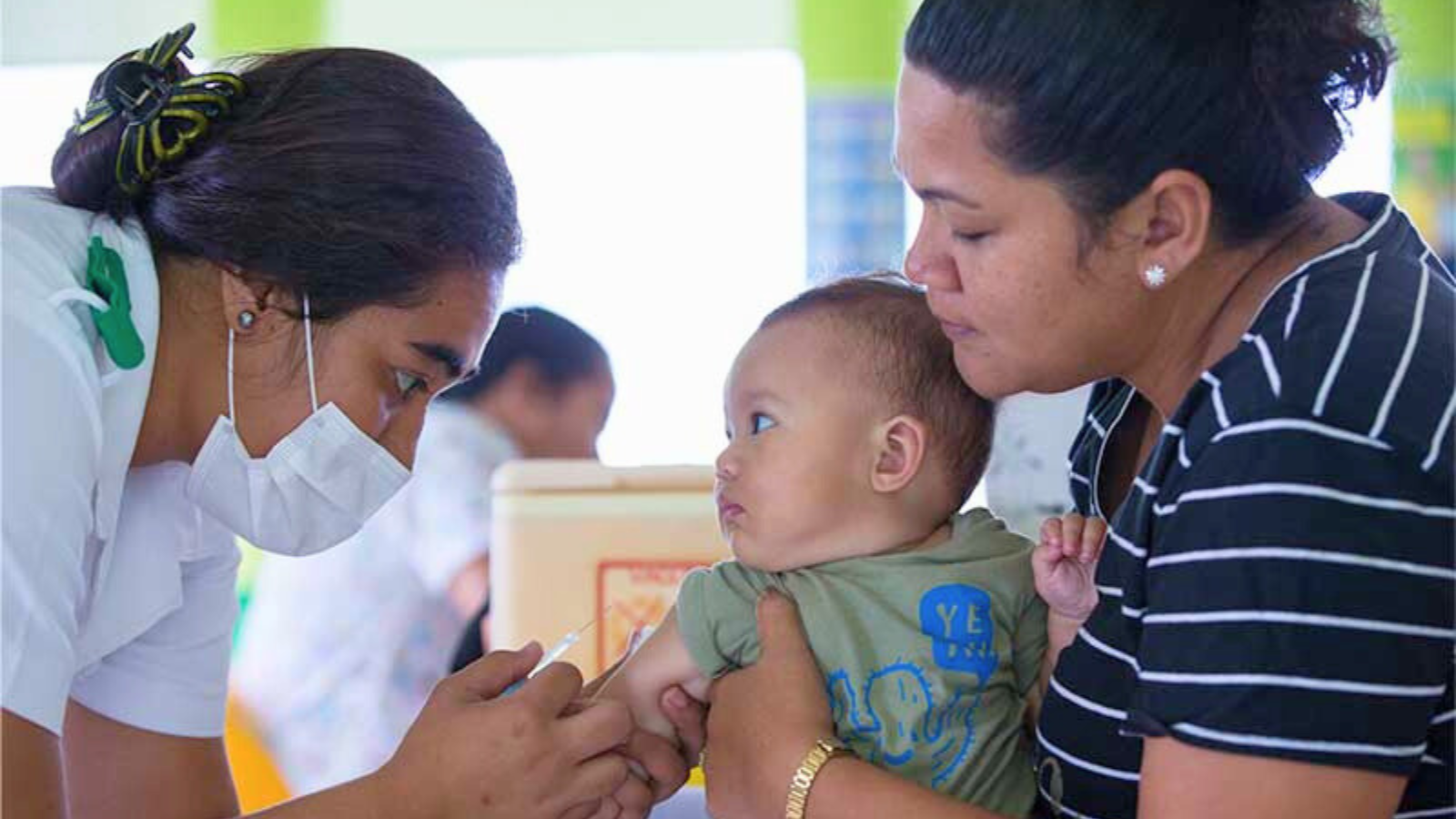
Parents in Sāmoa are urged to vaccinate their children as measles cases climb in New Zealand. Photo/UNICEF
Netzler says the aim is to prevent exploitation and ensure any benefits return to the communities the knowledge comes from.
“We code-name all the medicines so I test them blind. They’re only shared with agreement and we don’t store anything in the cloud as we know there are data breaches.
“The ideal [outcome] would be to find out which parts of those plants are active and try and tweak that with chemists, and then you can patent that so that the intellectual property is protected and the benefits go back to the communities from where those plants come and where that indigenous knowledge is based.”
Netzler says the research is about more than medicine. It is also about representation and trust. She hopes the research encourages more Pacific representation in biomedical science.
“There are very few Pacific researchers in biomedical science … I’m really hoping that we can ignite the fire to attract more Pacific researchers to follow this pathway.”
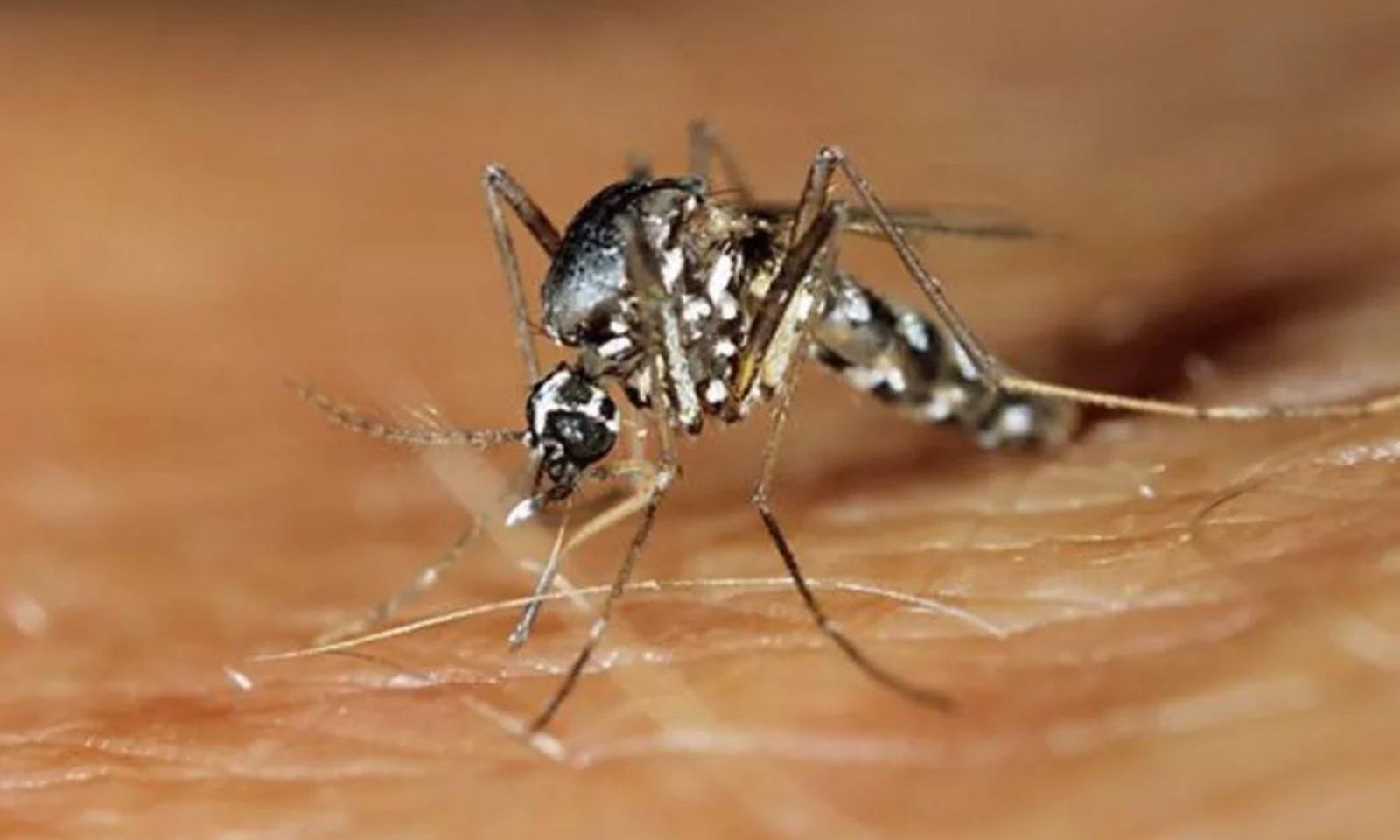
Mosquito insects can transfer the zika and dengue viruses from person to person. Photo/File
Traditional healing practices in the Pacific have developed over centuries. Netzler says many infectious diseases arrived through colonisation and global travel.
Today, climate change and increased movement between countries continue to raise the risk of outbreaks.
Netzler is clear that vaccines remain essential. Her work is not about replacing them. It is about widening the region’s medical toolkit. She believes that adding safe antiviral treatments alongside vaccination will provide our communities with more protection.
For Netzler, it is about honouring both worlds and not about choosing between indigenous knowledge and science. It’s about bringing them together and making something stronger for our communities.