Midwives have won a major High Court case against the Government, with judges ruling their work has been undervalued for years.
Photo/International Confederation of Midwives/screenshot
Health
Court rules midwives underpaid in landmark win for women’s work
The Government has been underpaying self-employed midwives for years and last week's High Court decision could impact Pacific women.

PMN News
Published
31 March 2026, 10:47am
Share
Copy Link
New Zealand’s High Court has ruled that underpaying midwives is unlawful discrimination, a major decision that shines a light on how women’s work continues to be undervalued.
The case, brought by the New Zealand College of Midwives, found the Crown breached the Bill of Rights Act by paying self-employed midwives less than what is fair and reasonable.
According to Te Whatu Ora/Health NZ, midwives in Aotearoa earn an average annual salary between $90,000 and $138,000+, depending on experience, seniority, and role type.
Newly qualified midwives often start around $64,000 to $84,000, while experienced midwives (5+ years) or senior roles can earn between $87,000 and $138,000, with some specialist roles exceeding $160,000.
Last Friday's ruling confirms there is a significant gap between what midwives are paid and what their work is worth.
Te Kāhui Tika Tangata Human Rights Commission has welcomed the decision, saying it highlights long-standing inequality in jobs dominated by women.
Equal Employment Opportunities Commissioner Professor Gail Pacheco, who gave expert evidence in the case, pointed to deep-rooted issues in how this work is valued.
"The wages for this occupation continue to be infected by historical undervaluation, reflecting gender-related inequity," she said. "This must be actively addressed to provide appropriate pay corrections.”
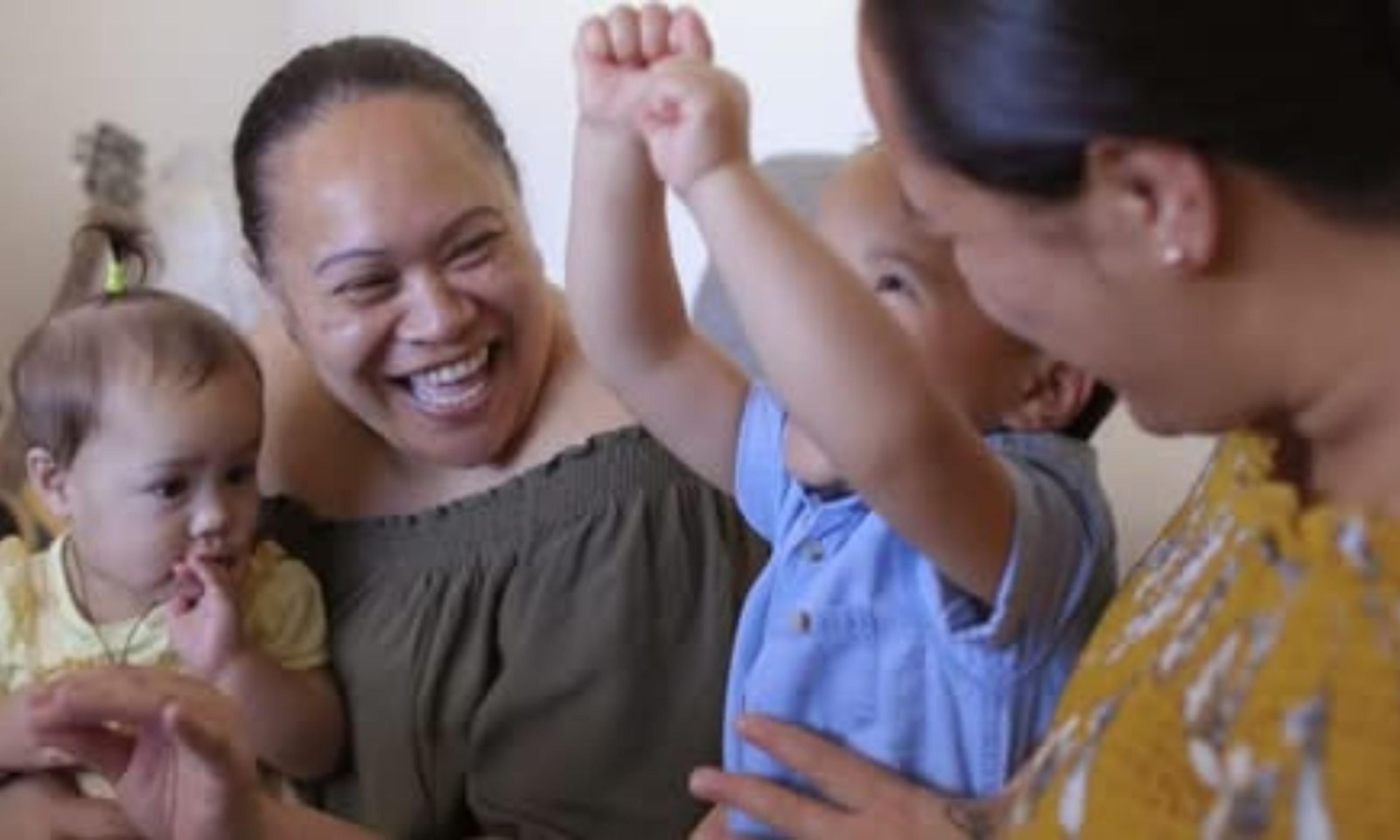
The case was taken on behalf of nearly 1500 lead maternity carer midwives, many of whom are self-employed and work long, unpredictable hours supporting whānau through pregnancy and birth.
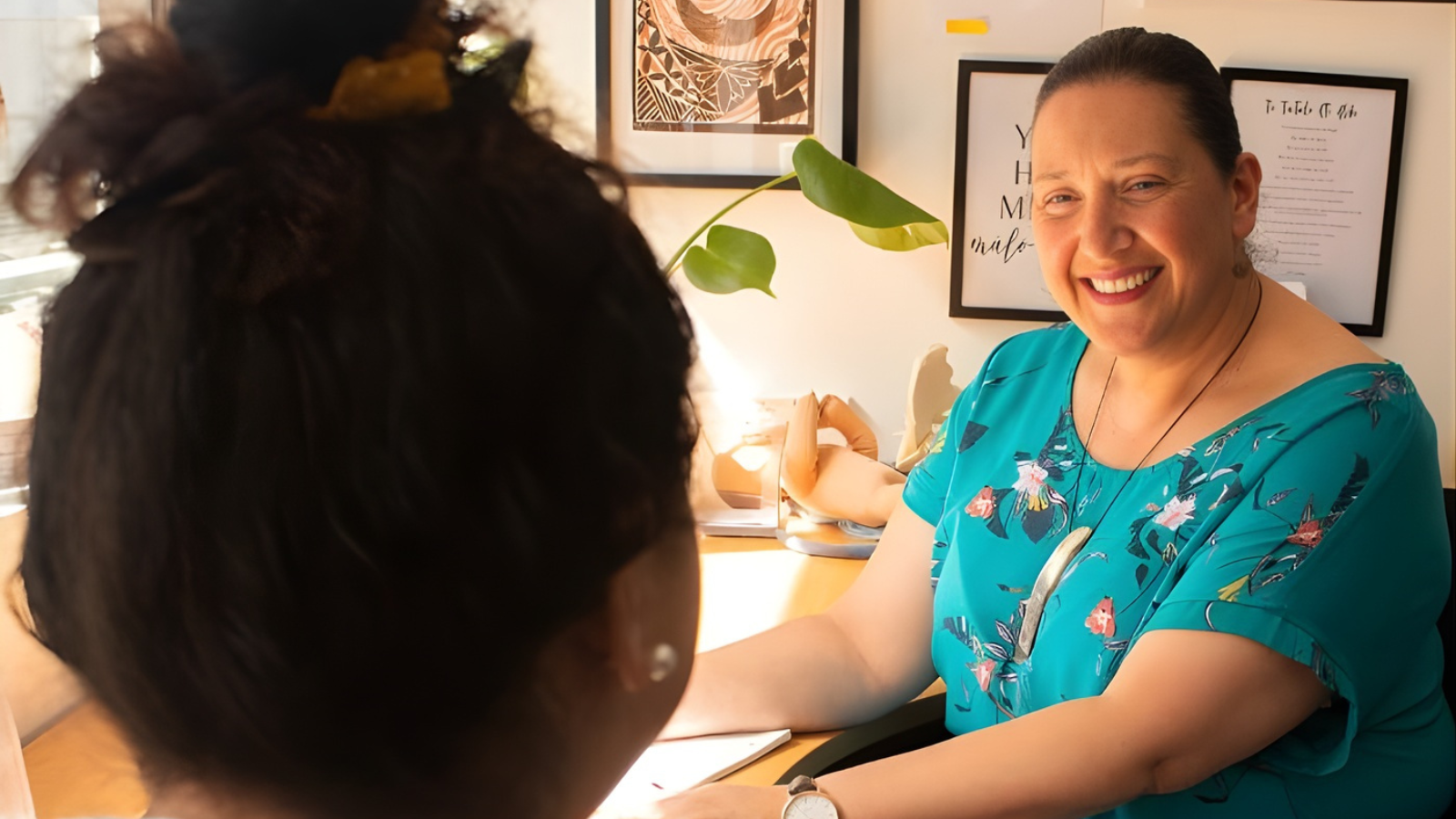
The case, brought on behalf of nearly 1500 midwives, found they were paid less than what is fair for the work they do. Photo/peninamidwifewellington.co.nz
Pacheco also acknowledged the effort behind the legal fight. “I would like to acknowledge the hard work and dedication of those who brought the claim and particularly the midwives who have remained dedicated to seeking fair pay for the vitally important, emotionally demanding, and skilful work they do every day.”
For Pacific communities, this decision hits close to home. Pasifika women are strongly represented in caring roles across health and community services, jobs that are often underpaid despite their importance.
According to the Ministry of Health, there were 111 Pacific midwives in Aotearoa in 2024. That's just 3.3 per cent of the total midwifery workforce as Pasifika make up 9.8 per cent of the population.
While the data doesn’t break this down specifically by gender, midwifery is an overwhelmingly female profession in New Zealand, so most of those 111 Pacific midwives are women.
Midwives play a key role in supporting Pacific families, where strong relationships, trust, and cultural understanding are critical during pregnancy and birth.
The ruling raises bigger questions about how society values care work especially work done by women, and by women of colour.
The decision comes at a time when pay equity rights in Aotearoa have taken a step backwards.
Recent changes to the Equal Pay Act in 2025 stopped 33 active claims affecting thousands of workers and made it harder to bring new cases.
That makes this High Court ruling even more significant. It reinforces that pay equity, equal pay for work of equal value, is not just a policy issue, but a basic human right.
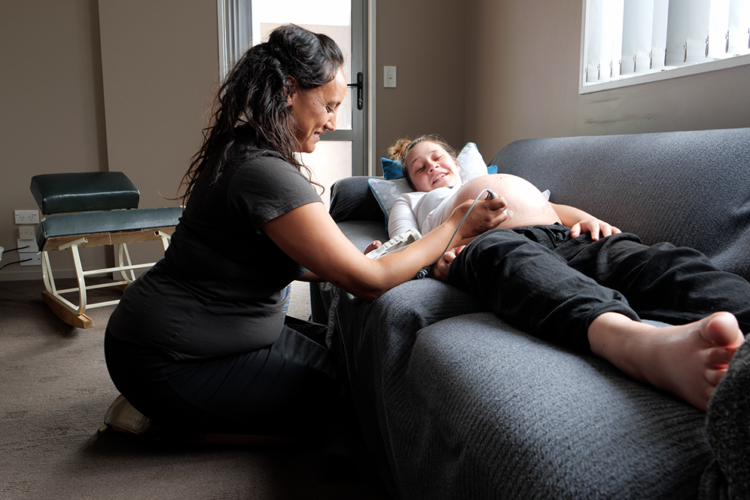
Pacific midwives make up just a small share of the workforce, raising concerns about equity and culturally safe care for Pacific families. Photo/Facebook/Pasifika Midwives Aotearoa
While the ruling is a major win, it also puts pressure on the Government to fix how midwives are paid.
For many, this is about more than wages. It’s about respect, recognition, and fairness for work that supports families and communities every day.
And for Pacific communities, it adds to a wider call: that the people caring for our families should be properly valued - not just in words, but in pay.