
Electoral Commission in Fiji weighs election campaign pause as referendum looms
Elenoa TuragaiviuTue, 06 Oct
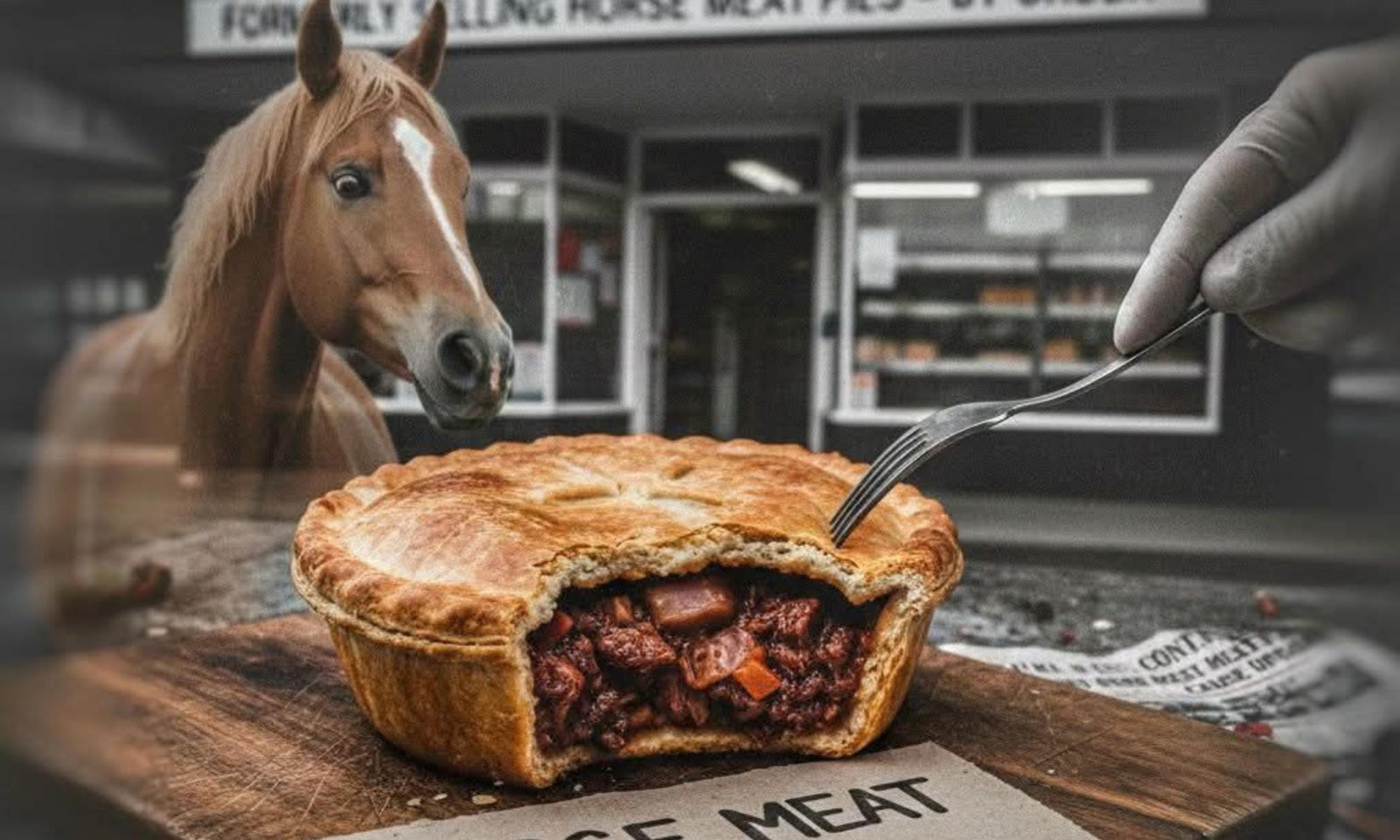
An Auckland bakery known for its popular Pacific-style horse meat pies has been forced to stop selling the product after health and safety concerns were raised.
Photo/Facebook
Council inspectors have pulled it off the shelves after finding the horse meat was not cleared for human consumption, raising questions about cultural food practices and food safety in Aotearoa.



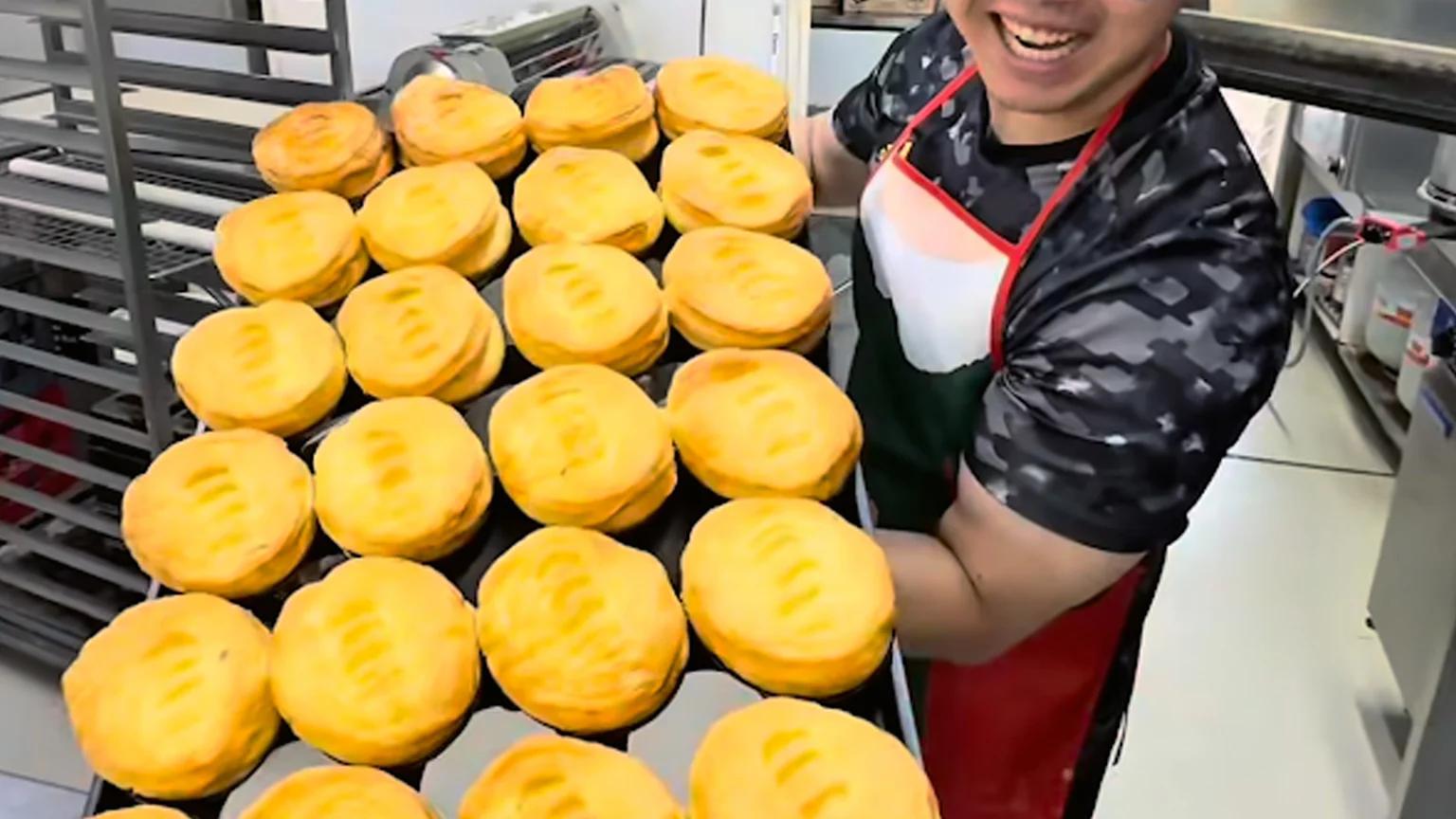
An Auckland bakery has stopped selling a popular horse-meat pie after council inspectors found the meat was not from a supplier cleared for human consumption.
Before Christmas, Pakuranga Bakery started selling lo’i hoosi pies, a Pacific dish based on horse meat, and shared images and reviews on social media.
Many customers raved about the pie online, which quickly became a local talking point.
But when a complaint reached Auckland Council, inspectors investigated and discovered the horse meat was not from a registered supplier for human food.
Veronica Lee-Thompson, the council's manager of specialist operations, says there were horse meat pies that were being sold and the horse meat was not from a registered supplier.
"But the operator was very cooperative and agreed to dispose of all the horse meat on site and any pies that contained any horse meat,” she told RNZ.
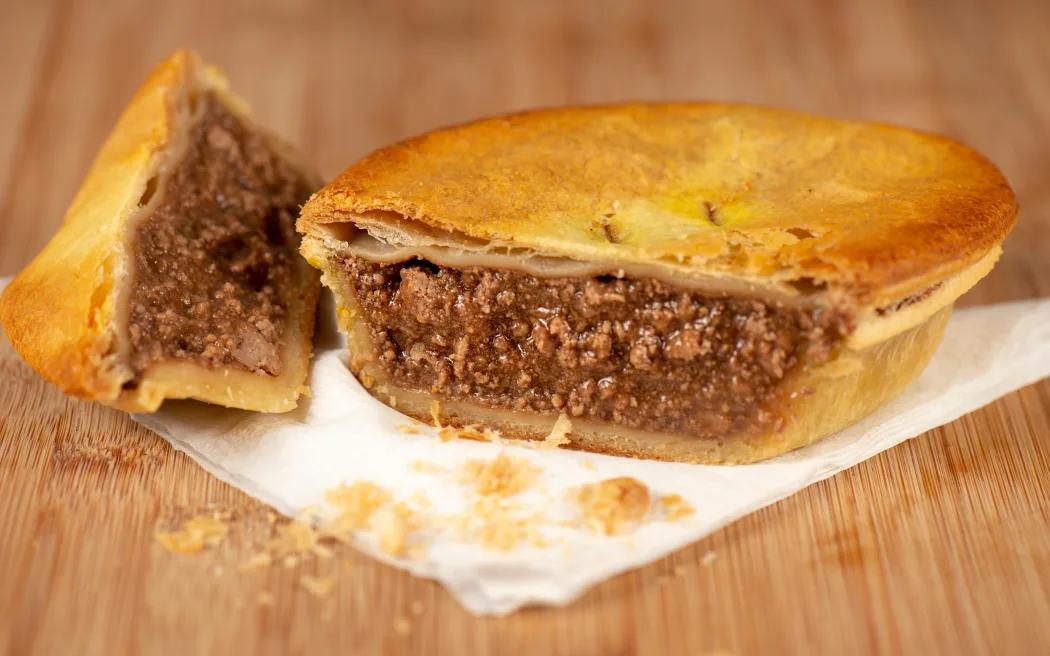
Horse-meat pies based on the traditional Tongan dish lo’i hoosi were briefly sold at an Auckland bakery before being pulled from sale after council inspectors found the meat was not sourced from a registered supplier. Photo/Facebook
Pho Bok, the bakery's manager, said the shop bought its pre-prepared lo’i hoosi filling to meet customer demand, admitting they did not make the dish themselves.
“We just bought the filing, because I just saw everyone do it and all the customers have been asking for it," he also told First Up.
"We don’t know how to make it. We just went to buy the filling from a Tongan guy. He just prepared it for us and we just chucked it in a pie."
Lo’i hoosi is a traditional Tongan dish that features horse meat slow-cooked with coconut cream and root vegetables, and it remains a cultural delicacy for many Tongans in Aotearoa New Zealand and abroad.
In Tonga, horses were introduced by Western settlers, and horse meat - known locally as hoosi - became part of local cuisine. Alongside root crops and coconut, horse meat has been eaten on special occasions and family gatherings.
Eating horse meat is legal in Aotearoa. But for it to be sold commercially, the meat must be processed by a supplier registered under New Zealand food safety laws.
According to the Ministry for Primary Industries, only one facility in the country is currently registered to process horse meat for human consumption.
Lee-Thompson said unapproved meat can pose serious health risks. “Illegal meat could contain bacteria because the animals were sick or potentially diseased, risk of cross-contamination if there’s unhygienic conditions during the processing.
“It could be contaminated by chemicals. We just want to make sure it’s approved meat that’s in our food chain.”
There have been no reports of illness linked to the pies, Auckland Council has confirmed.
The issue has sparked wider discussion about Pacific food traditions. Olympic champion Dame Valerie Adams, who is Tongan, has previously spoken openly about eating horse meat as part of her culture.
In a social media video shared in 2022, Adams said: “Hi guys, we have horse today for dinner!”
Responding to criticism online, she added: “Actual horse. You wouldn’t know the difference between horse and beef if it was presented to you.”
Watch former New Zealand Olympic and World champion shot-putter Dame Valerie Adams eating horse meat during Tongan Language Week in 2025.
Pakuranga Bakery is not under investigation, but New Zealand Food Safety is investigating the source of the horse meat.
Under New Zealand law, anyone found to have knowingly prepared or sold meat unfit for human consumption can face a fine of up to $100,000 or up to one year in prison.
For many Pacific communities, the situation highlights the challenge of keeping cultural foods alive while meeting strict food safety rules when those foods are sold to the public.