
Fiji reviews suspected cyber breach at Suva regional organisation
Christine RovoiThu, 15 Oct
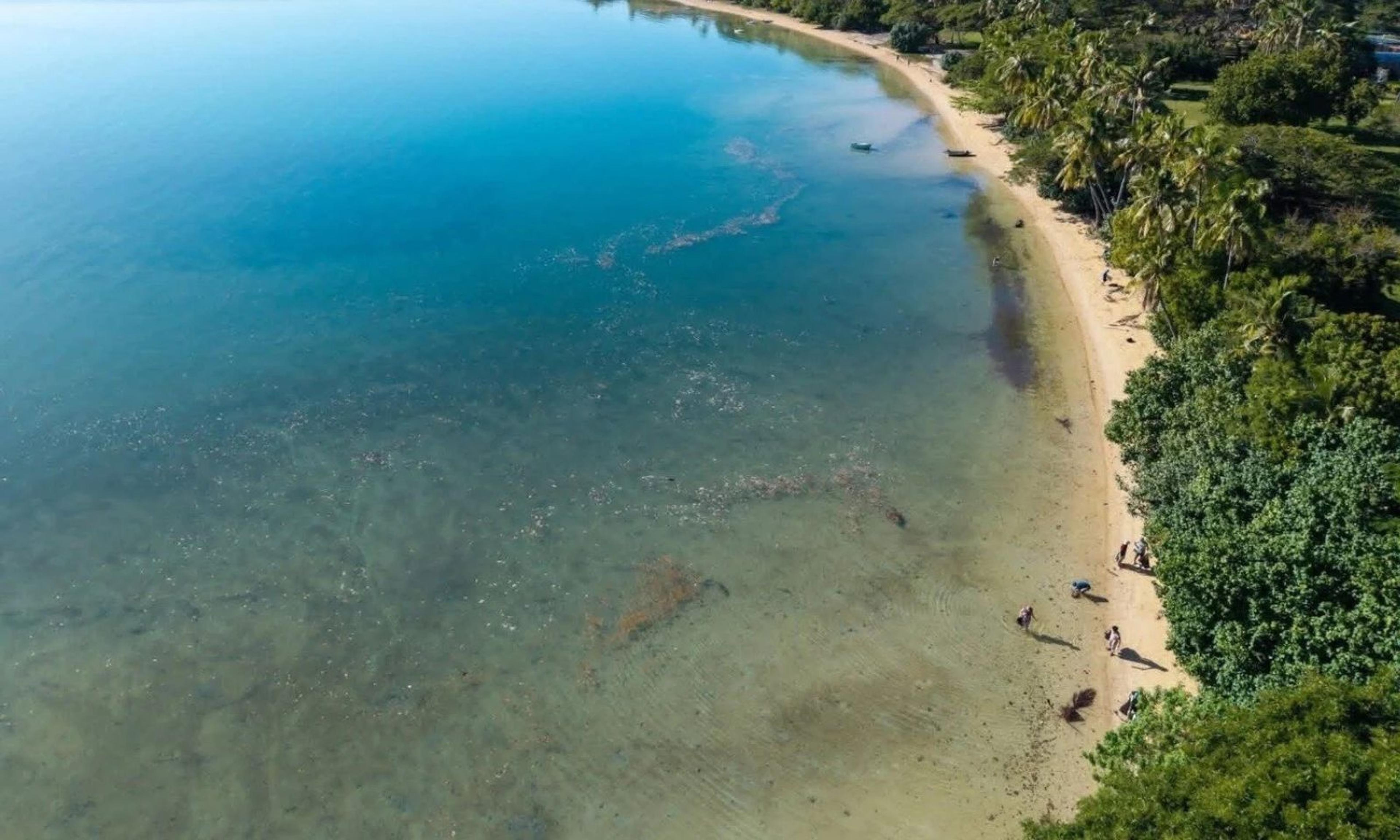
There is strong opposition against a proposed waste-to-energy project planned for Vuda's coastal area in Fiji.
Photo/change.org
Residents, tourism operators, and environmental groups warn the Australian-backed project could damage the coastline and rely on imported waste.


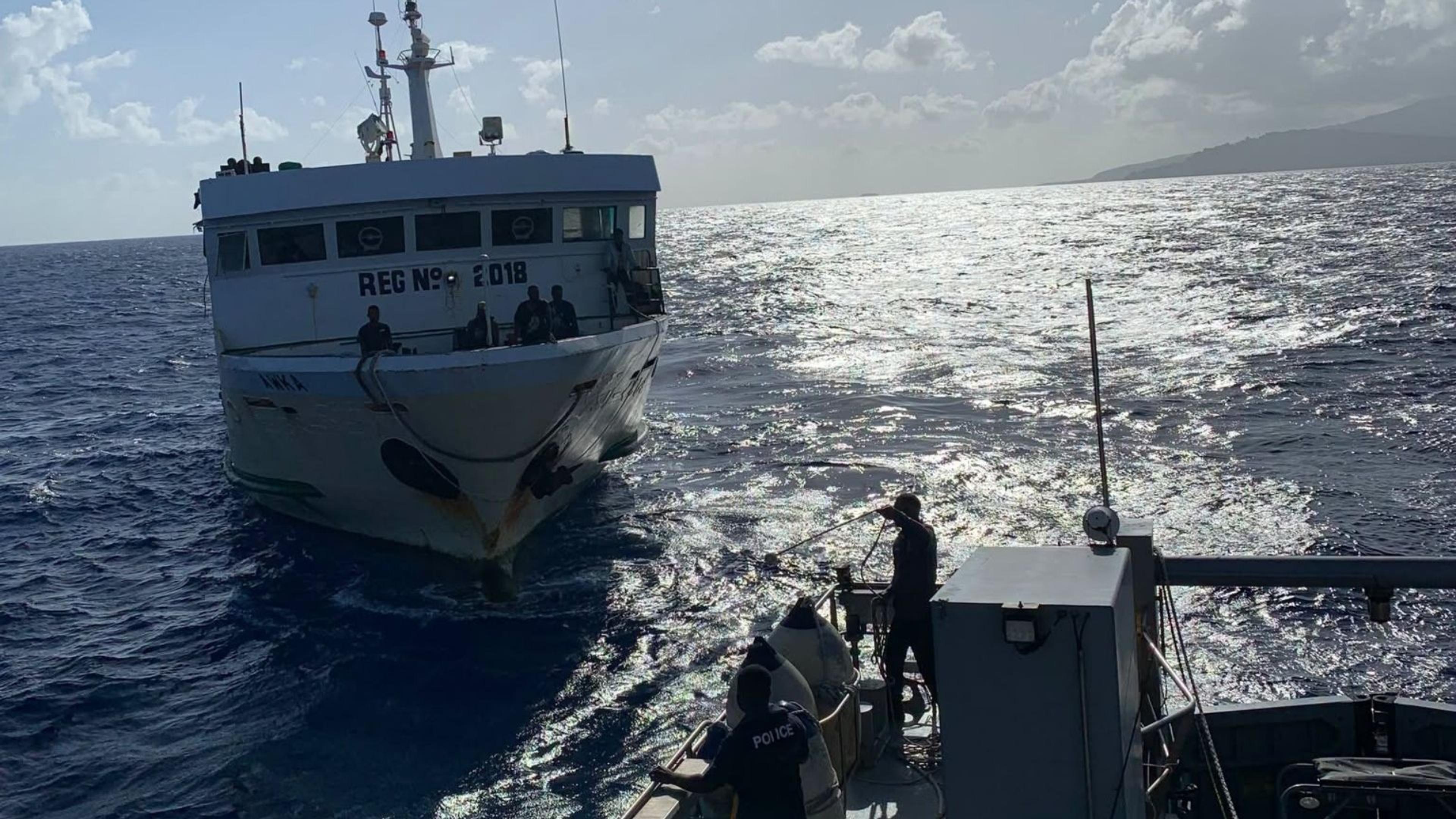

A major proposed waste-to-energy project in Fiji’s Vuda-Saweni coastal area is facing growing opposition.
Locals and tourism operators warn it could damage one of the country’s most important tourism and residential zones.
The FJ$1.4 billion (NZ$1.08 billion) project, led by Australian entrepreneur Ian Malouf and The Next Generation Holdings (Fiji) Pte Limited, includes an 80MW waste-to-energy plant and private port facility.
“This is a power plant that turns waste into biofuel and we are looking at a long-term solution to Fiji’s waste management issue,” Malouf said in a statement.
The project is expected to save $250 million a year on imported fuel for power generation.
According to environmental documents, the facility would process up to 900,000 tonnes of waste each year.
But a group calling itself Protect the Heritage Coast - Vuda, Saweni, says the figures do not add up and it has started collecting signatures to stop the development.
The group also claims Fiji produces around 200,000 tonnes of non-recycled waste annually. This means large volumes would need to be imported to run the plant.
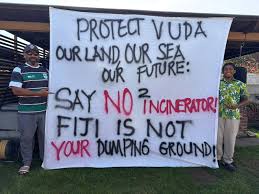
A proposed waste-to-energy facility at Vuda Point has sparked concerns among local communities and environmental groups. Photo/Protect the Heritage Coast -Vuda, Saweni
A post shared by campaigner Ned Cromb and circulated by the group states: “Fiji is not Australia’s ashtray.”
Cromb warned that Australia’s waste problem is growing and said Fiji should not be used as a solution.
He said countries like Australia are running out of landfill space and he argued that when domestic solutions fail, “they start looking elsewhere”.
He added that Fiji has “small land mass, fragile ecosystems, and the communities depend directly on clean land, clean water, and clean air.”
Watch landowners reject the proposed waste-to-energy project below.
“We are being asked to take on hundreds of thousands of tonnes of foreign waste every year. This is not development, this is risk transfer.”
Cromb warned incinerators “create toxic ash, emissions and long-term environmental liabilities that have to go somewhere.”
The proposed site sits near Saweni Beach, Vuda Marina, First Landing Resort, Nila Resort, Landers Bay Resort, and the Dreketi Inlet - an area residents say is central to tourism and community life.
The group says: “Not here, not next to our beaches, not in our backyards, and tourism is not trash.”
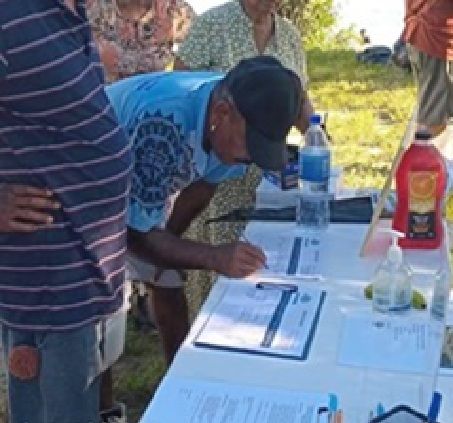
Opposition groups are collecting signatures in Saweni and Vuda as debate continues over a proposed waste-to-energy plant and private port development. Photo/Supplied
Tourism concerns have also been raised at the national level. Tourism and Civil Aviation Minister Viliame Gavoka has previously said parts of the Nadi Bay tourism corridor could be affected, and that the industry is opposed to the project.
“We would ask that it be relocated because that area is earmarked for tourism development,” Gavoka told the media. “Some of the hoteliers are not happy with the proposed project. That weighs heavily.”
Waste management remains a growing challenge across the Pacific. Papua New Guinea and Solomon Islands are among the island nations struggling with limited landfill space and rising volumes of waste.
In Solomon Islands, landfill sites are under pressure with growing concerns about pollution affecting communities and coastal areas, particularly around the capital Honiara.
Meanwhile, Fiji's Department of Environment says it has received an Environmental Impact Assessment (EIA) for the development.
The report outlines plans for an “Energy-from-Waste Industrial Precinct and Private Port at Vuda Point” and confirms a 21-day public consultation period.
The EIA runs to more than 1500 pages across 35 volumes and is available at several public locations including Suva, Lautoka, and Nadi with online access also now provided.
Concerns have been raised over accessibility and cost after media reports revealed the full document could cost thousands of dollars in print form under existing page charges.
Watch residents plan a march in Lautoka this Friday to oppose the waste-to-energy project.
The consultation period closes on 22 April 2026 with the department warning that late submissions will not be considered.
Residents, tourism operators, and environmental groups are continuing to lodge submissions as debate intensifies over the future of the Vuda coastline.