Seymour targets office karakia as Aupito warns of a ‘culture war’
Thomas Tarurongo WynneFri, 23 Oct
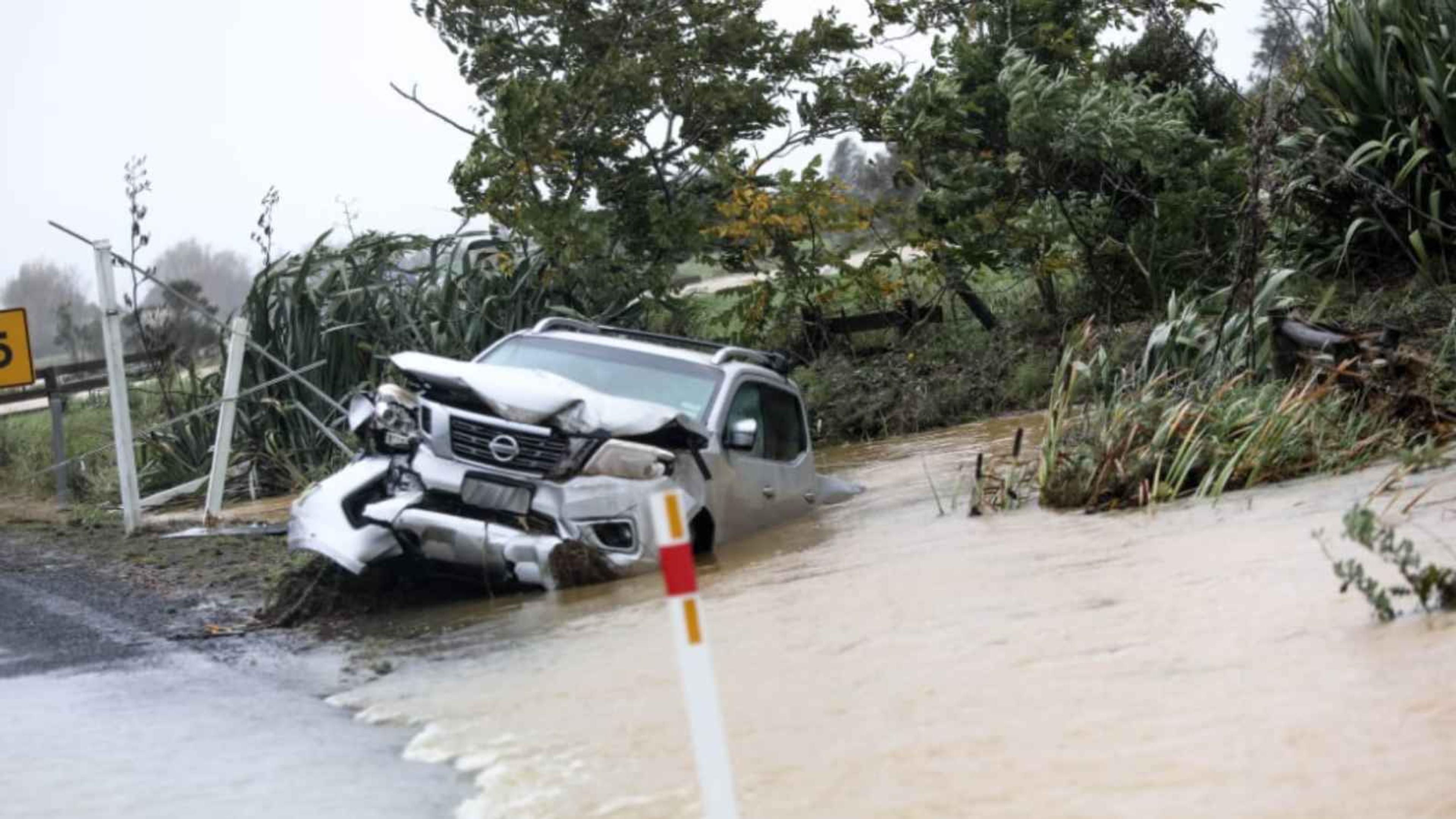
A car written off in Whitianga following the storm.
Photo/Supplied/RNZ/Marika Khabazi
As thousands recover across Aotearoa’s North Island, Cyclone Vaianu’s path through the Pacific highlights a familiar struggle for the region.


The clean-up has begun across parts of Aotearoa New Zealand after Cyclone Vaianu swept through the North Island, leaving thousands without power, forcing evacuations, and damaging homes.
Officials say it’s a scene all too familiar across the wider Pacific.
By Monday morning, the cyclone had moved offshore, easing the immediate threat.
But for many communities, the real work is only just starting.
At the height of the storm, more than 14,000 households lost power, 3000 people were displaced.
Roads were cut off, homes flooded, and entire neighbourhoods left to deal with the aftermath.
In Whakatāne, one of the hardest-hit areas, Acting Mayor Julie Jukes says the scale of disruption is still becoming clear.
More than 7000 properties across the eastern Bay of Plenty were affected by outages while 57 roads were closed.
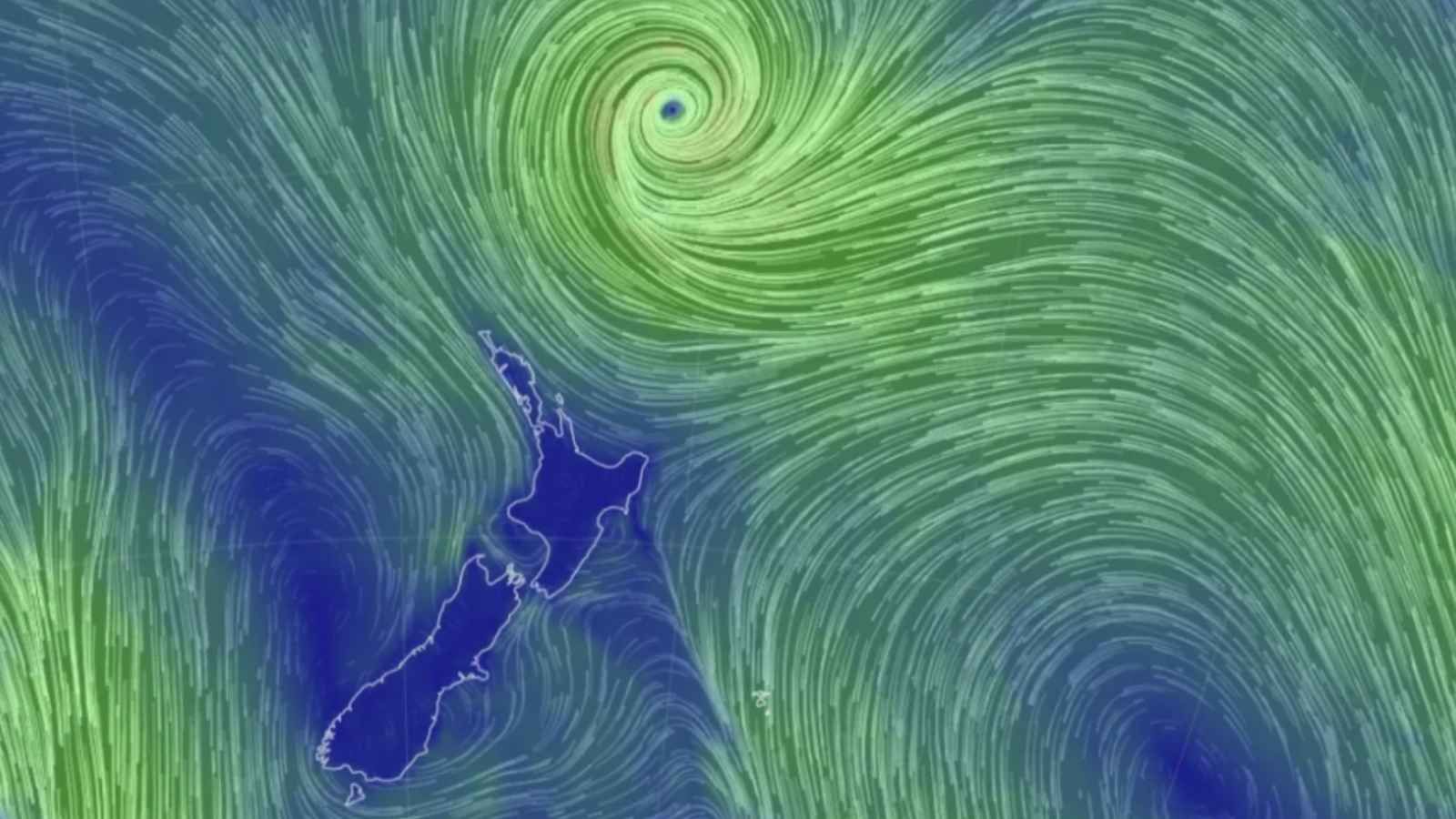
Cyclone Vaianu hit New Zealand in April, causing widespread damage and outages across the North Island. Photo/Supplied
Speaking with William Terite on Pacific Mornings, Jukes warned the danger is not over yet.
“It’s the clean-up really… There is the risk of further slips potentially and people needing to take care,” Jukes says.
Around 270 properties were placed under mandatory evacuation orders. Residents are only now starting to return home as conditions improve.
Whakatāne is home to about 38,400 people, with Pacific communities making up almost four per cent of the population.
A reminder that the impacts of the storm are also being felt within Pacific families living in Aotearoa.
Listen to Julie Jukes' full interview below.
Emergency Management Minister Mark Mitchell says the country has come through the worst of the story but recovery will take time.
“We’re pretty well out of the woods, the cyclone has now headed offshore in a southeast direction,” Mitchell told Terite.
He says the areas of most concern include Coromandel, Bay of Plenty, Tairawhiti, Gisborne, and Hawke’s Bay.
Before reaching New Zealand, Cyclone Vaianu tracked across parts of the Pacific, including Fiji, Tonga, and Vanuatu. Communities there also faced disruption with schools closed, flights cancelled, and power outages reported.
At its peak, the system reached Category 3 strength, bringing winds of up to 155km/h.
Listen to Mark Mitchell's full interview below.
The State of Emergency in Northland was lifted at 5pm on Monday, 13 April with officials saying most impacts are now manageable despite the ongoing clean-up and repair work.
While the damage in Aotearoa is still being counted, the storm’s path tells a bigger story.
For many Pacific island nations, this level of disruption is not unusual. Stronger and more frequent storms have long been part of life, stretching resources and testing communities year after year.
As Aotearoa begins its recovery, Cyclone Vaianu is a reminder that the challenges faced at home are shared across the region and for many in the Pacific, they are nothing new.
This story has been updated to include the lifting of the State of Emergency in Northland.