
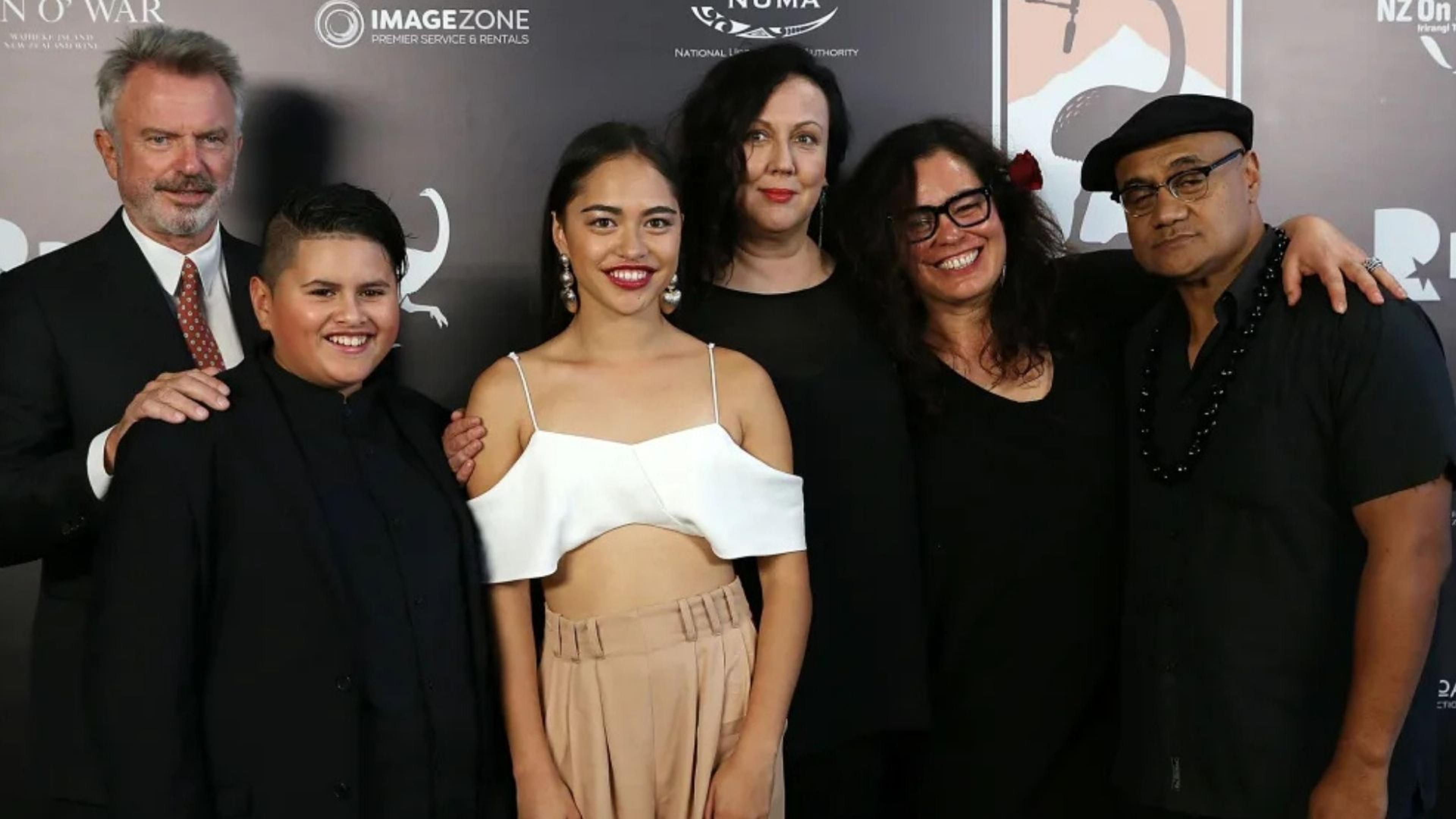
The Hunt for the Wilderpeople cast. From left: Sir Sam Neill, back, Julian Dennison, Tioreore Ngatai-Melbourne, Rima Te Wiata, Rachel House, and Oscar Kightley at the NZ Film Awardsin 2017.
Photo/RNZ/Fiona Goodall
Entertainment
Sam Neill remembered as a champion of Aotearoa storytellers
Beyond his Hollywood fame, the actor's biggest impact was felt closer to home - inspiring Māori and Pasifika that their stories could reach the world.

Christine Rovoi
Published
17 July 2026, 10:17am
Share
Copy Link
Top stories
‘Pregnancy and birth are a new faultline’ as extreme heat puts Pacific mothers at risk
Christine RovoiWed, 07 Oct
‘The Pacific is not a sacrifice zone’: Youth draw red line on climate action at Pre-COP31
Christine RovoiWed, 07 Oct
Top stories
‘Pregnancy and birth are a new faultline’ as extreme heat puts Pacific mothers at risk
Christine RovoiWed, 07 Oct
‘The Pacific is not a sacrifice zone’: Youth draw red line on climate action at Pre-COP31
Christine RovoiWed, 07 Oct
For millions of people around the world, Sir Sam Neill will always be remembered as the face of Jurassic Park.
But across Aotearoa New Zealand and the Pacific, his legacy goes far beyond Hollywood.
Neill died suddenly on Monday in Sydney, Australia, aged 78. His family said he remained "cancer free" at the time of his death, with pneumonia later confirmed as the cause.
He was born in Omagh, Northern Ireland and moved to New Zealand with his family when he was young.
Neill is being remembered as one of the actors who helped build New Zealand's screen industry and proved stories from this region could reach global audiences while he stayed connected to the people, places and experiences that shaped them.
His career began at a time when Aotearoa's film industry was still finding its voice.
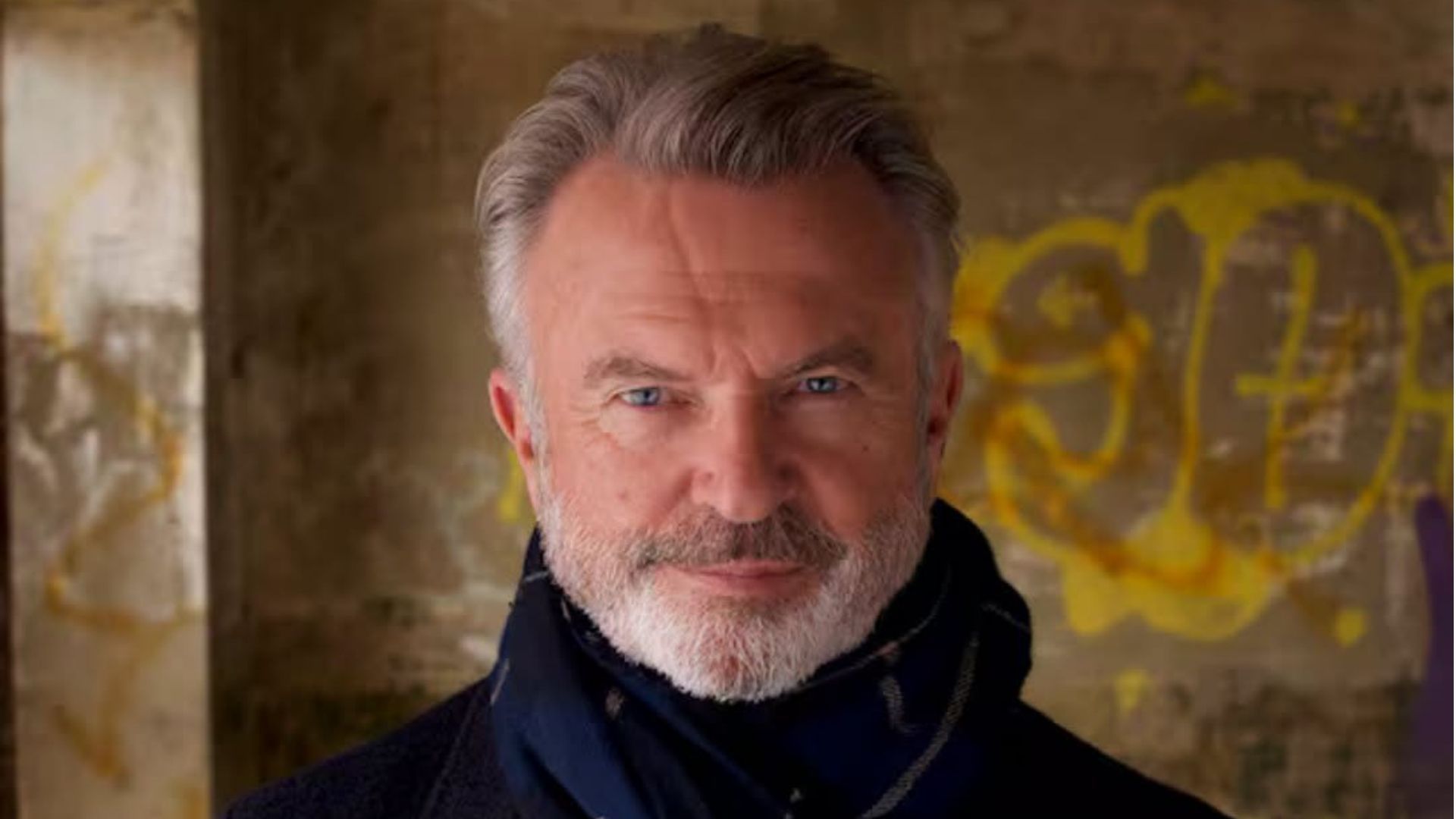
Sir Sam Neill built an international acting career while remaining deeply connected to Aotearoa and the stories of the region. Photo/NZ Film Commission
His breakthrough role in Sleeping Dogs (1977), widely regarded as New Zealand's first modern feature film, helped mark a turning point for local cinema.
He later starred in internationally acclaimed productions including Jane Campion's The Piano and Taika Waititi's Hunt for the Wilderpeople.
For many Māori and Pasifika creatives, Neill's success represented something bigger: proof that artists from this part of the world could tell their own stories and still reach global audiences.
Sāmoan-New Zealand actor and filmmaker Oscar Kightley, who worked with Neill on the television crime drama Harry and Hunt for the Wilderpeople, told RNZ's Morning Report that Neill's death was "pretty gutting".
Watch Sir Sam Neill's interview with RNZ's Guyon Espiner below.
Kightley said what stood out about Neill was not just his international fame but his commitment to coming home and supporting local stories.
"Sam wasn't just about looking good on the red carpet and being the man, it was actually coming back and getting your hands dirty and really encouraging and Sam was huge on that," Kightley said.
He said Neill had "a real love for Aotearoa" and was someone who cared deeply about the country. "That kind of no nonsense, but he always had it with a twinkle in his eye."
Kightley said Neill showed that success did not have to change who you were. "He wasn't afraid to actually care... and love animals and be kind and sensitive and vulnerable."
Neill's connection to the Pacific also included a willingness to engage with difficult parts of the region's shared history.
Pacific media platform The Coconet TV highlighted an archival conversation between Neill and Kightley where the late actor reflected on family's links to Sāmoa's colonial history.
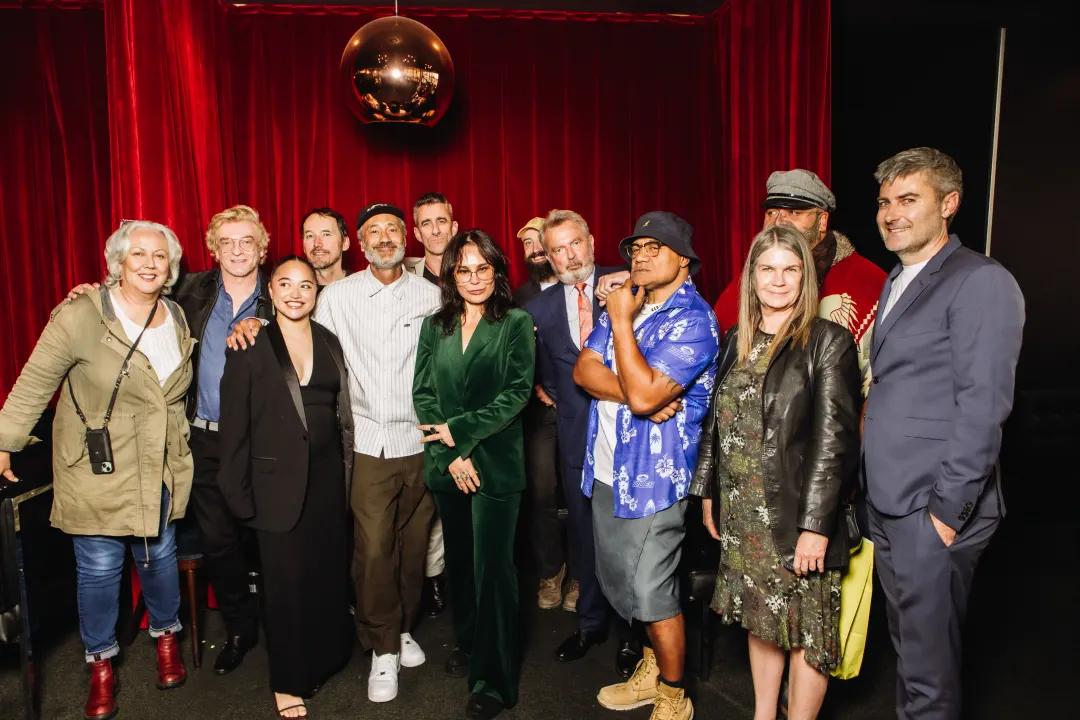
Sir Sam Neill alongside the cast of Hunt for the Wilderpeople, one of the many local productions that helped showcase Aotearoa talent to global audiences. Photo/RNZ/Supplied
In the conversation, Neill spoke about his great-uncle, known as "Red", who served as one of New Zealand's military commanders during the country's administration of Sāmoa.
It was a period that had a devastating impact on Sāmoans and contributed to the rise of the Mau movement for independence.
The Coconet TV described the discussion as an example of Neill confronting a difficult part of his family's history and acknowledging the importance of remembering the experiences of Sāmoan people during that period.
For many Pacific audiences, the conversation added another layer to Neill's legacy: a willingness to listen, reflect and have honest conversations about the past.
Neill was also remembered for supporting greater Indigenous visibility beyond Aotearoa.
Australian Indigenous broadcaster SBS NITV revisited Neill's decision during the filming of the 1997 science-fiction film Event Horizon to push for the Aboriginal flag to replace the Union Jack on the futuristic Australian flag worn by his character.
Neill later explained that he believed Australia's future should recognise the history and presence of First Nations people.
Away from the spotlight, Neill remained deeply connected to Aotearoa.
Unlike many actors who made Hollywood their permanent home, he chose life in Central Otago where his Two Paddocks vineyard and farm became a major part of his identity.
He was famously direct about his view of Los Angeles, saying: "LA is nothing but show business. It bores the shit out of me."
For many across the Pacific, that choice to remain connected to home carries a familiar message: success does not have to come at the cost of belonging.
Prime Minister Christopher Luxon said Neill's contribution went beyond his performances.
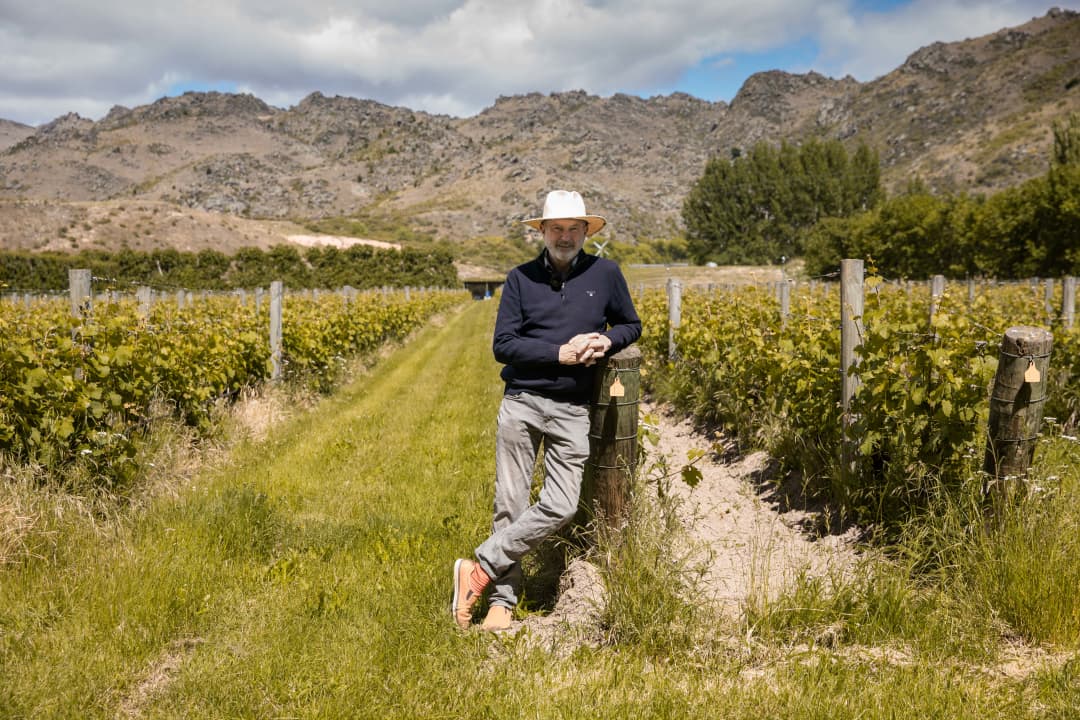
Away from the spotlight, Sir Sam Neill found a strong connection to home through his Two Paddocks vineyard and farm in Central Otago. Photo/RNZ/Samuel Rillstone
Luxon described him as someone who helped carry New Zealand stories to the world.
"Sir Sam Neill was one of the greats. He started out when there was barely a film industry in this country to speak of. For more than fifty years he took New Zealand stories to the world and his talents helped make our film industry into what it is today -one of our greatest cultural exports," Luxon said in a post on social media.
The Screen Production and Development Association of New Zealand (SPADA) also paid tribute to Neill's contribution, saying he showed that filmmakers and performers from this country could succeed internationally while remaining connected to home.
As tributes continue from across the globe, Sir Sam Neill's legacy will not only be measured by the characters he played.
Watch Sir Sam Neill's interview in 2022 on the Australian Story.
For many across Aotearoa and the Pacific, he will be remembered as someone who helped prove that stories from this region mattered and that they deserved to be heard around the world.
His family has reportedly decided to honour the beloved star’s wishes by holding an intimate and low-key private funeral service in New Zealand.
Neill was survived by his four children and eight grandchildren.
Moe mai rā, Sir Sam Neill.