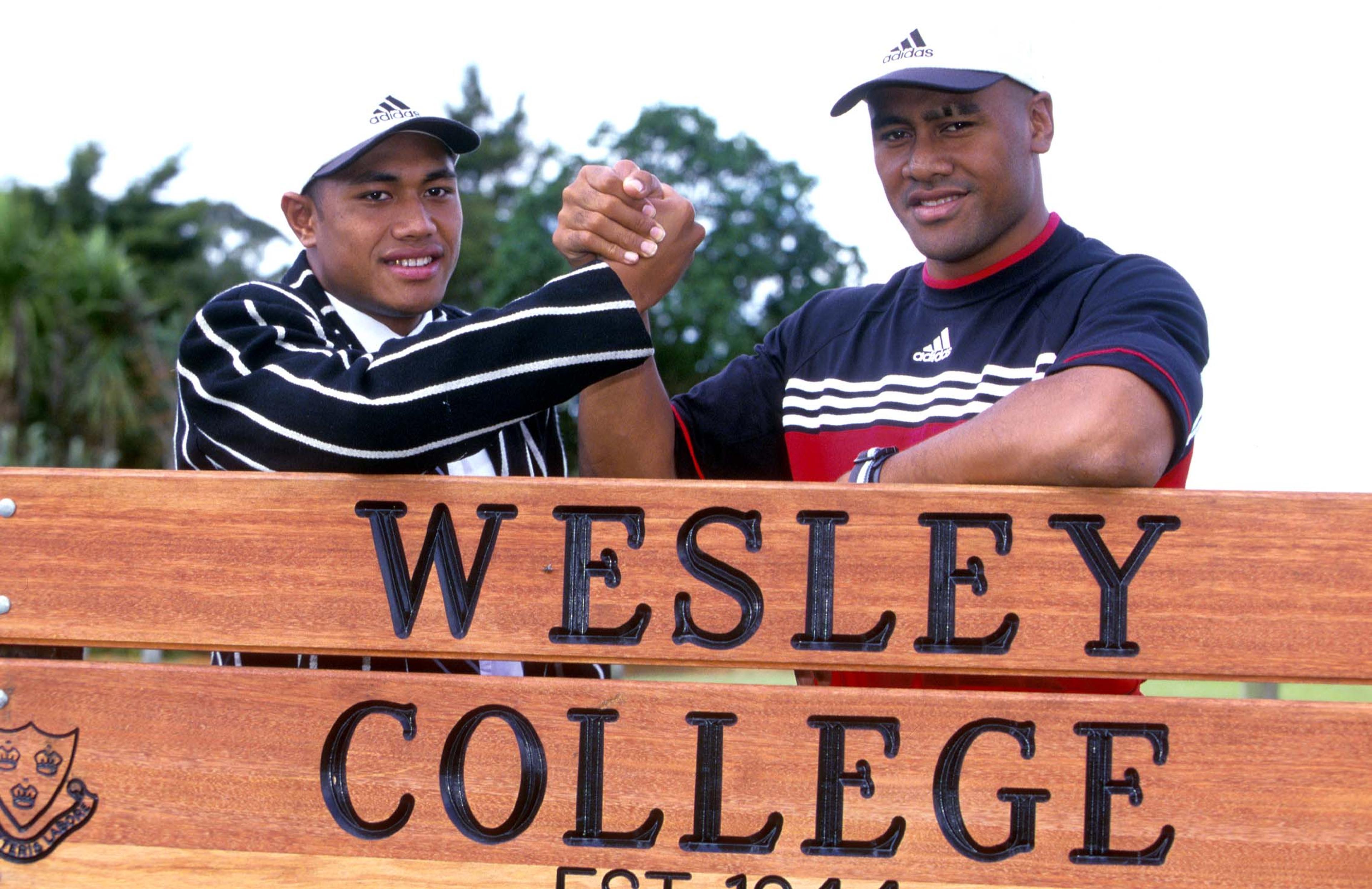
‘He was our superhero’: The legendary Jonah Lomu’s Tongan story comes to the big screen
Aui'a Vaimaila Leatinu'uMon, 03 Aug
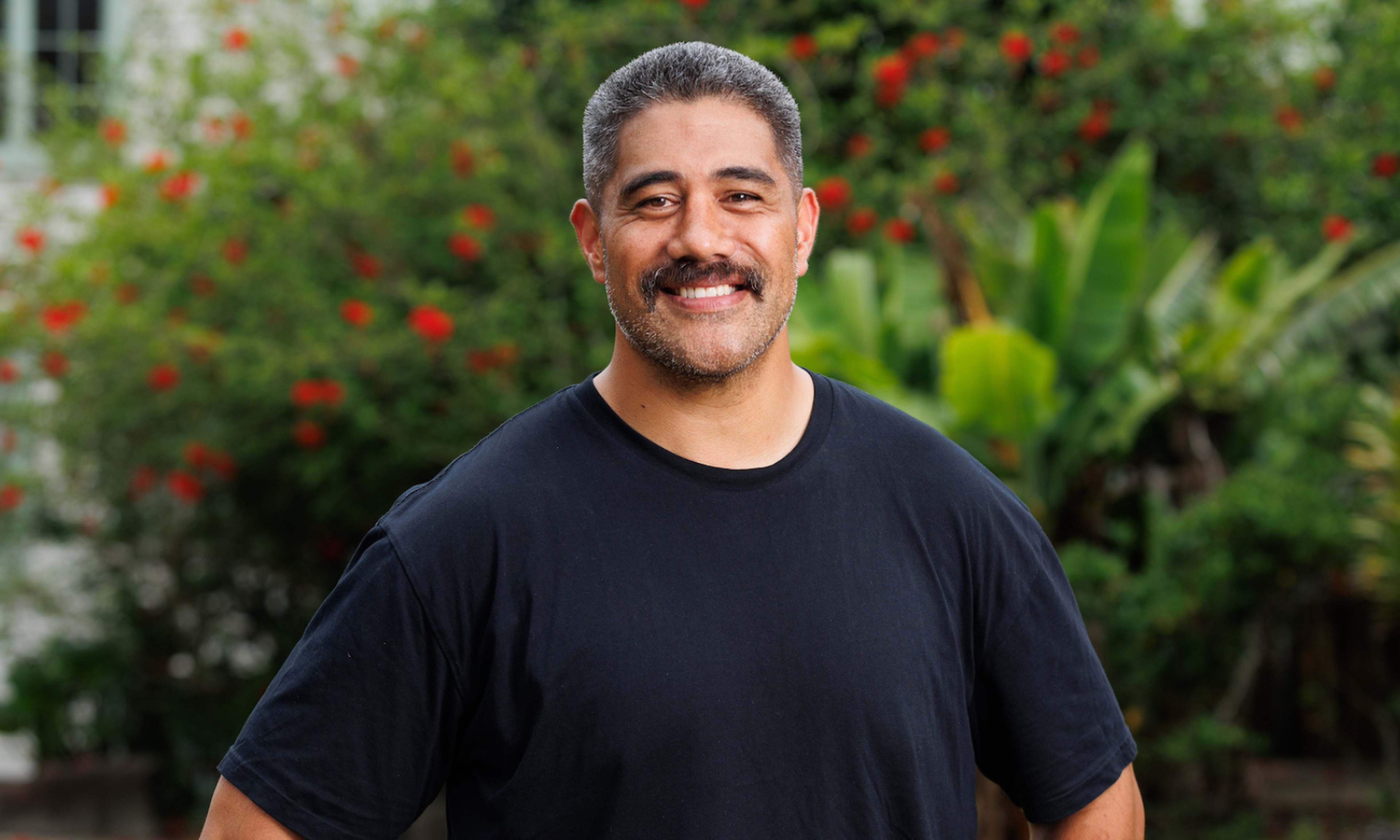
Asetoa Sam Pilisi says 90 per cent of Pacific workers experience burnout.
Photo/Supplied
With ongoing demands from work, family, and community expectations, the research calls for urgent action from employers and policymakers.


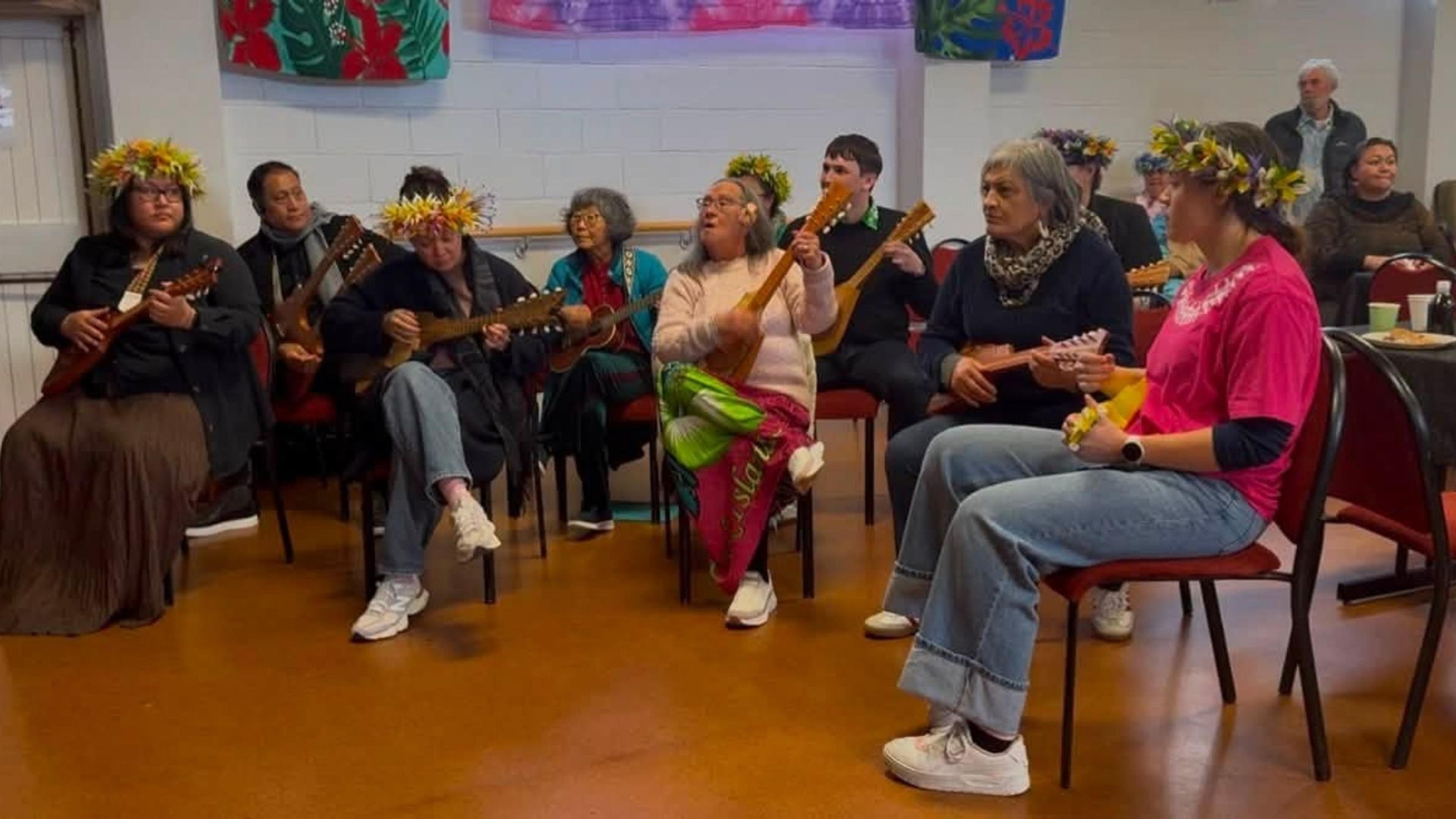

Burnout is taking a heavy toll on New Zealand-born Pacific communities, with nearly nine in 10 reporting they feel overwhelmed and almost half struggling with ongoing stress, a new study shows.
Researchers warn the combined pressures of work, family obligations, and cultural expectations are creating a silent crisis that threatens both well-being and community resilience.
The study, led by Asetoa Sam Pilisi, a University of Auckland doctoral candidate, and co-designed with the Wayfinding Steering Group, surveyed 1092 Pacific adults aged 18 to 65. It examined the impact of work demands, family duties, and cultural expectations, including financial giving without boundaries.
The results are a call to action for workplaces, families, and policymakers to rethink how they support Pacific wellbeing.
Speaking with William Terite on Pacific Mornings, Asetoa describes the symptoms of burnout in Pacific communities.
He says people have expressed exhaustion, physical, mental exhaustion, feeling a little bit disconnected as a result of chronic stress and then not being able to perform or fulfil their various collective responsibilities at a level that they've been able to do when they've been well … and so it comes at a cost.
Watch Asetoa Sam Pilisi's full interview below.
Burnout is most common among those aged 25 to 34, a life stage Asetoa says carries heavy expectations. Cultural norms and leadership hierarchies can amplify this stress.
“You potentially have come out of uni, your career is starting to develop and build, particularly maybe within the workplace, family, wider community, more responsibilities are being perhaps loaded or you've been encouraged to support and help others…lots of good stuff are happening, but also it's a quite challenging time in terms of professionally, personally and also culturally.
“Yes, you're a little bit older in terms of the weight of responsibilities to contribute to family, community networks, but perhaps in a Pacific sense is that you're still young enough to not have your own autonomy, as there are older people in our communities that have lots of wisdom, but their leadership and their insights trump what you have.”

The study urges employers to consider the cultural pressures of Pacific workers. Photo/Unsplash
Community voices echo the pressure
Shoppers outside Westfield Manukau say the findings reflect what many Pacific families are experiencing. One woman tells PMN News that big spending on events has become a way for people to show status. “I try to teach the young ones, ‘Hey, you don't have to put $2000 into that birthday because you won't see them for a while again. Instead, just take your child and go to McDonald's or something like that.’”
Another shopper says major life events can make financial pressure even harder to cope with. “We had a big loss in the family. It's a bit hard to get back into things, especially with all the events and Christmas coming up, it makes it a lot more overwhelming than normal.”
Cultural pressures and unpaid work
Asetoa also highlights the scale of unpaid work performed within Pacific communities, and while cultural values remain central to Pasifika identity, he argues that setting boundaries is necessary for sustainability.
He says Pacific people do the most unpaid hours across all ethnicities in New Zealand. “We wouldn't consider this volunteering but…it's important to understand the wider load, the cumulative load that Pacific people carry.”
He says the cultural expectations of service, tautua, and financial giving are collective ways to show love, but boundaries are needed for sustainability. “People were saying we need to retain service. We need to retain tautua, generosity, love for others, this idea of collectivism but…it's about giving and refilling.
“But there's a huge amount of stigma and burden associated on the individual that this refilling is somehow selfish. There’s this idea that you give the best to others and give yourself crumbs, and we need to shift our understanding around that and around sustainability. We need to give our best but also refill so that we can be well and good.”

The study show financial expectations around cultural events can add pressure on families. Photo/Unsplash
Call for better workplace support
The study also highlights the need for workplaces and policymakers to understand the cumulative pressures faced by Pacific people.
“When we can find ways to sort of have flexible workplace arrangements, other sorts of policies and things that support Pacific people and the things that are important to them and understand there are lots of hats that Pacific people wear,” Asetoa says.
A study from Massey University in 2024 shows that economic pressures and job insecurity can double the risk of burnout. Symptoms include emotional exhaustion, mental distancing, and cognitive impairment.
Professor Jarrod Haar, from Massey Business School, says burnout rates have risen higher than during the Covid-19 pandemic.
“Employers should also be concerned, as burnt-out workers are 16.5 times more likely to seriously consider quitting their job,” Haar says in a statement. “They are also 28.5 times more likely to engage in poor work behaviours often, including slacking off and not trying. Both of these issues can translate into high costs for employers.”
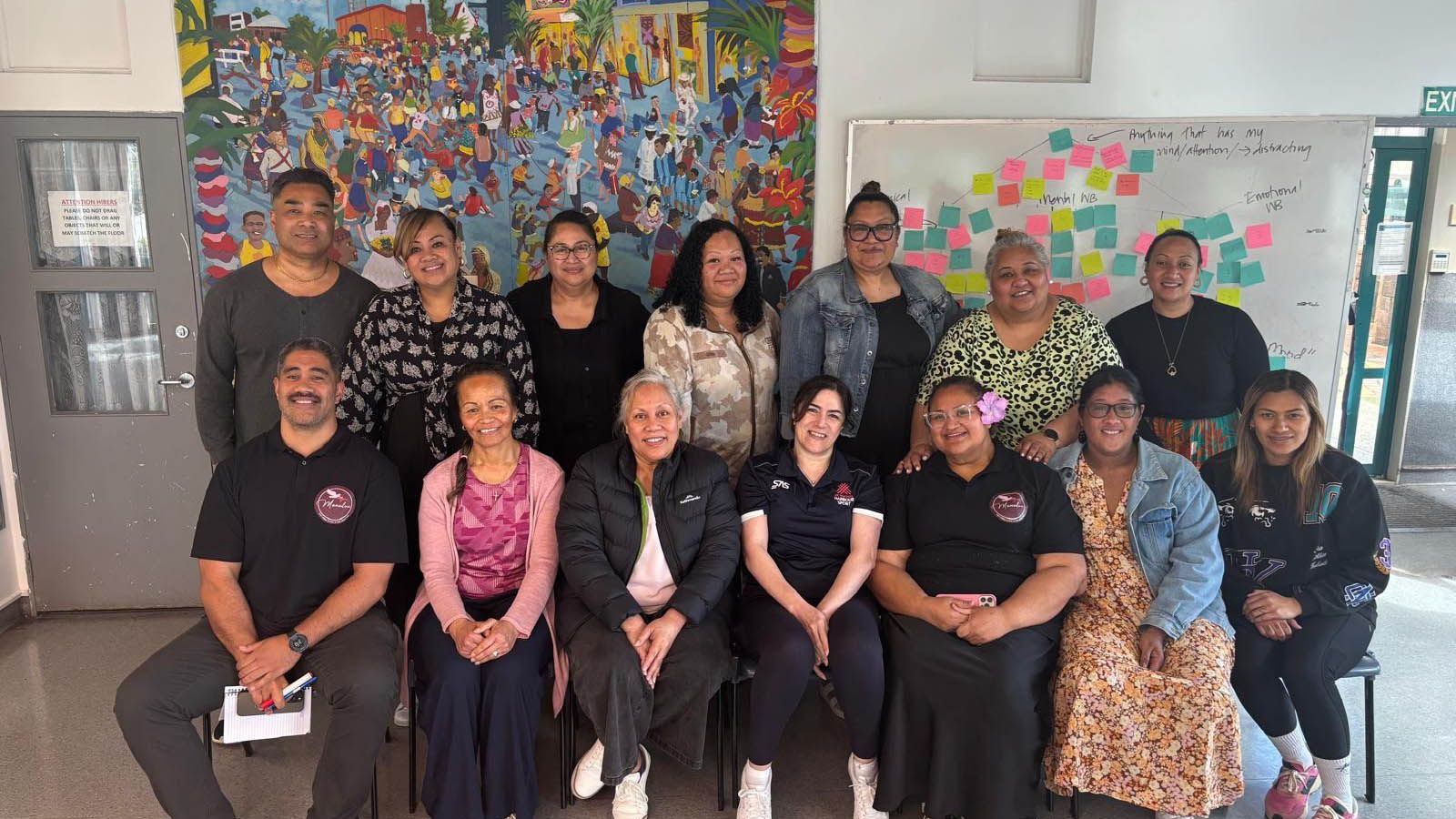
Asetoa Sam Pilisi (front left), with participants of Manulua burnout and self-care workshops with Pacific carers of elderly parents. Photo/Supplied
Community solutions and recovery
Gracepoint, a not-for-profit organisation, offers retreat programmes for people facing burnout and the challenges of long-term caregiving.
Kristy Ewing, the programme director, says there is an urgent need for targeted support in light of the rising number of stress-related illnesses.
“Many people caring for a loved one with a disability or terminal illness give everything they have, often at the cost of their own well-being,” Ewing says in a statement. “Likewise, we’re seeing others break under increasing financial pressure or the demands of constant, relentless workloads,” she says in a statement.
“They’re exhausted but keep going, often because stopping isn’t really an option. We believe recovery doesn’t happen in isolation. It takes time, space, and a safe community that understands what you’ve been through.”
Gracepoint hosts programmes on Great Barrier Island, providing participants with access to partial or fully funded places, allowing them to focus on recovery without added financial pressure.