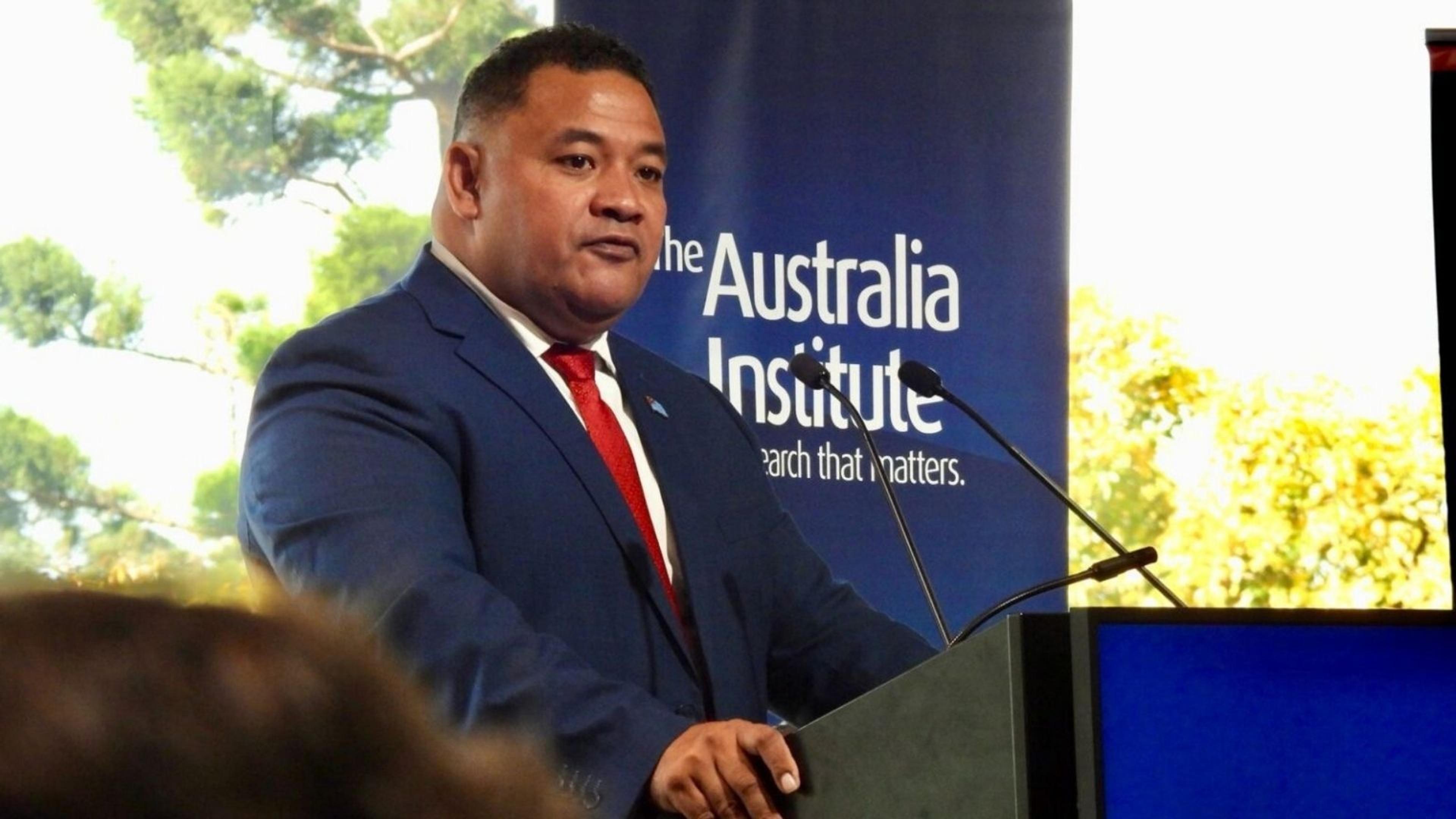
Tuvalu climate minister says Pacific aid means little as Australia backs fossil fuels expansion
Christine RovoiTue, 22 Sep

Finalist Taelegalolo'u Mary Afemata, of PMN, and Emerging Science Journalist winner Natasha Hill, of Te Ao Māori News, were recognised at the 2026 Science Journalism Awards in Wellington on Wednesday night.
Photo/Supplied/Taelegalolo'u Mary Afemata
A story helping connect Pasifika with Parkinson's disease and others on indigenous knowledge, conservation and community-led solutions are recognised at Aotearoa's top science media awards.




Pacific voices and stories were among those recognised at the 2026 Science Journalism Awards in Wellington on Wednesday night with Pacific Media Network (PMN) journalist Taelegalolo'u Mary Afemata named a finalist in the Emerging Science Journalist category.
The work of Afemata, a local democracy reporter, was singled out by judges for its real-world impact after her story on Aloese Lefono helped drive participation in Aotearoa New Zealand's first Pasifika Parkinson's support group.
The Emerging Journalist award was won by Natasha Hill of Te Ao Māori News for her video story following members of Wairewa Rūnanga to Japan as they searched for ways to help protect declining tuna, or eels, in their South Island lake.
Hill's reporting documented how the community learned from Japanese experts before building a system to maintain a 24-hour connection between the lake and the Pacific Ocean.
Judges praised the story for being "told incredibly well in words, images and video", highlighting its use of te reo Māori interviews and saying they were "engaged from beginning to end".
Afemata's finalist package was also highly praised by the judging panel, which included microbiologist and science communicator Dr Siouxsie Wiles, veteran science journalist Veronika Meduna, and senior journalist Miri Alexander.
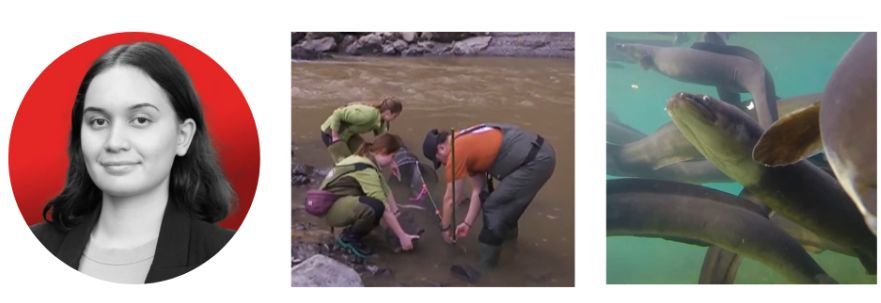
Te Ao Māori News journalist Natasha Hill won the Emerging Science Journalist award for her story following Wairewa Rūnanga's efforts to help protect declining tuna populations through Indigenous-led solutions. Photo/Science Media Centre
Her reporting focused on Lefono's experience with Parkinson's disease and helped raise awareness of a condition that remains little understood in many Pacific communities.
The awards, hosted by the New Zealand Science Media Centre, celebrate outstanding reporting that helps explain science, health, technology and environmental issues to the public.
The night's top Established Science Journalist award went to Farah Hancock of RNZ for her in-depth multimedia feature, "FERAL: The advance of destructive wild cats across New Zealand's native heartland".
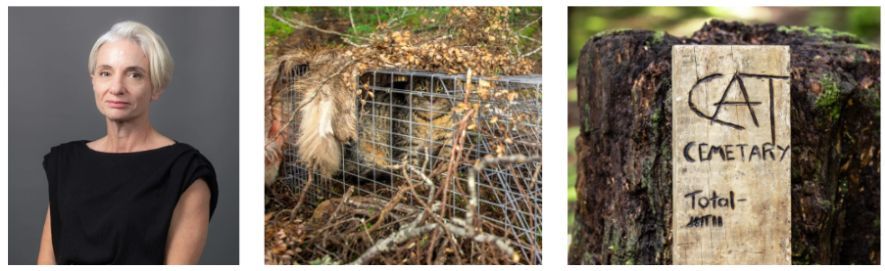
RNZ journalist Farah Hancock won the Established Science Journalist award for her multimedia investigation into the impact of feral cats on New Zealand's native wildlife, a story judges described as a "superbly executed multi-media story". Photo/Science Media Centre
The investigation explored the growing impact of feral cats on native wildlife and the tensions between volunteer trappers and official conservation efforts.
Judges described it as a "superbly executed multi-media story" and noted its influence, with the Government adding feral cats as a target of Predator Free 2050 during the same week the story was published.
Science Media Centre director Dacia Herbulock said the awards highlighted the strength and diversity of science reporting across New Zealand media.
"It’s such a joy to present these awards," she said. "In tough times, it’s even more important to come together to recognise the exceptional work behind these entries.
"It proves yet again that there is an abundance of talent in New Zealand media working to open up new perspectives on challenging issues.
"We hope these awards inspire more people to dive in and enjoy the excellent science journalism in evidence tonight."
Watch Taelegalolo'u Mary Afemata's interview ahead of the awards below.
This year's finalists covered a wide range of topics - from space satellites and airborne viruses to public safety, environmental protection and chronic illness.
Judges said this reflects the growing role science journalism plays in helping communities understand complex issues that affect everyday life.