Tuvalu climate minister says Pacific aid means little as Australia backs fossil fuels expansion
Christine RovoiTue, 22 Sep
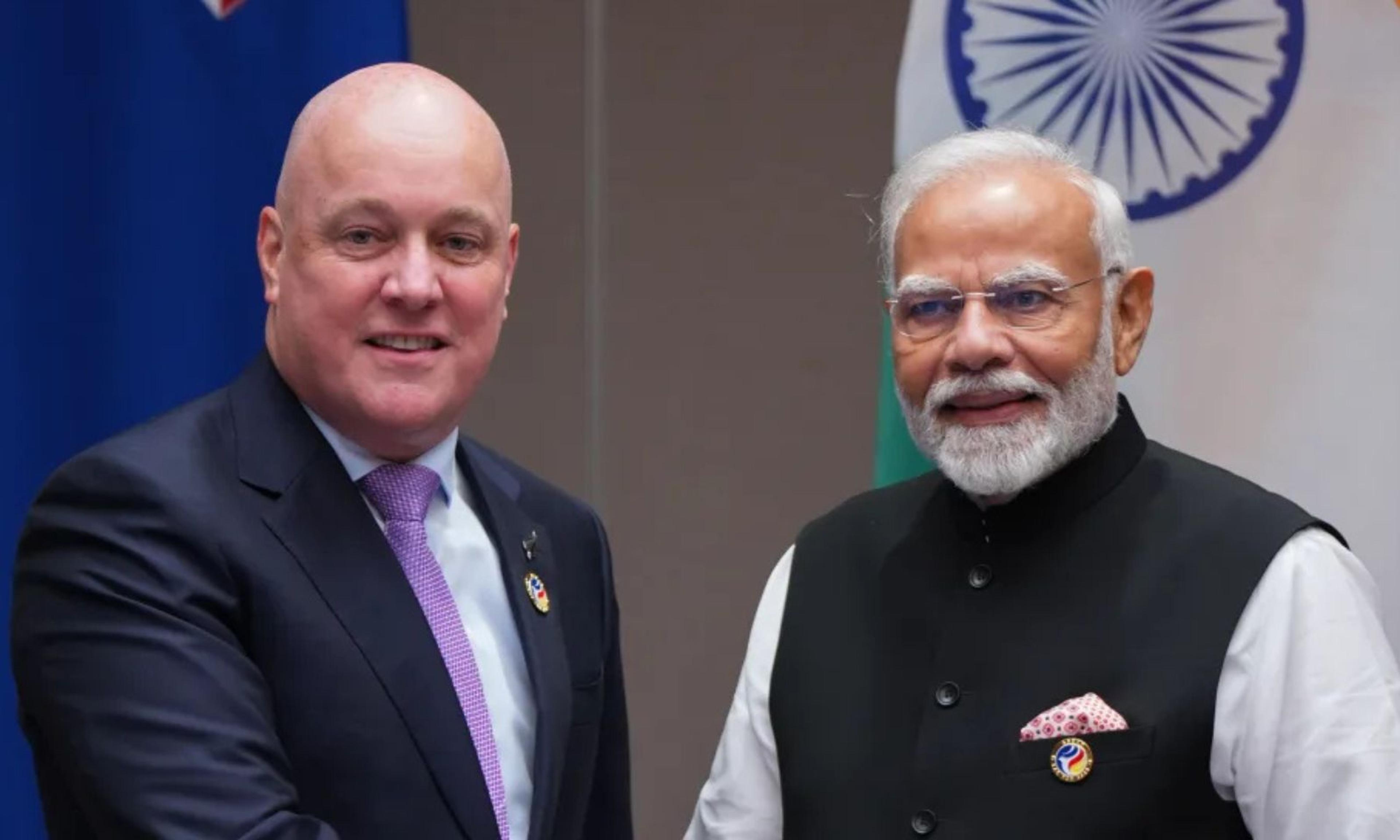
Prime Minister Christopher Luxon meets with Indian Prime Minister Narendra Modi following the announcement of the New Zealand–India free trade agreement, marking a major step in strengthening economic ties between the two countries.
Photo/Prime Minister's office
The landmark agreement could boost exports and jobs in New Zealand, with some indirect opportunities for Pacific businesses and workers.




New Zealand’s new free trade agreement with India is being closely watched across the Pacific, as governments and businesses weigh what the deal could mean for regional jobs, supply chains and future access to one of the world’s biggest markets.
The agreement removes or reduces tariffs on 95 per cent of New Zealand’s exports to India, the highest level of access India has offered in any trade deal.
New Zealand exporters of apples, kiwifruit, and mānuka honey are among those expected to benefit most, gaining improved access to a market of 1.4 billion people.
While Pacific Island countries are not part of the agreement, many have strong economic links with New Zealand and could see indirect effects.
Pacific workers, suppliers and service providers connected to New Zealand’s export industries may benefit if trade volumes grow, particularly in horticulture, logistics and food processing.
Business groups say the deal has the potential to reshape trade relationships in the wider region.
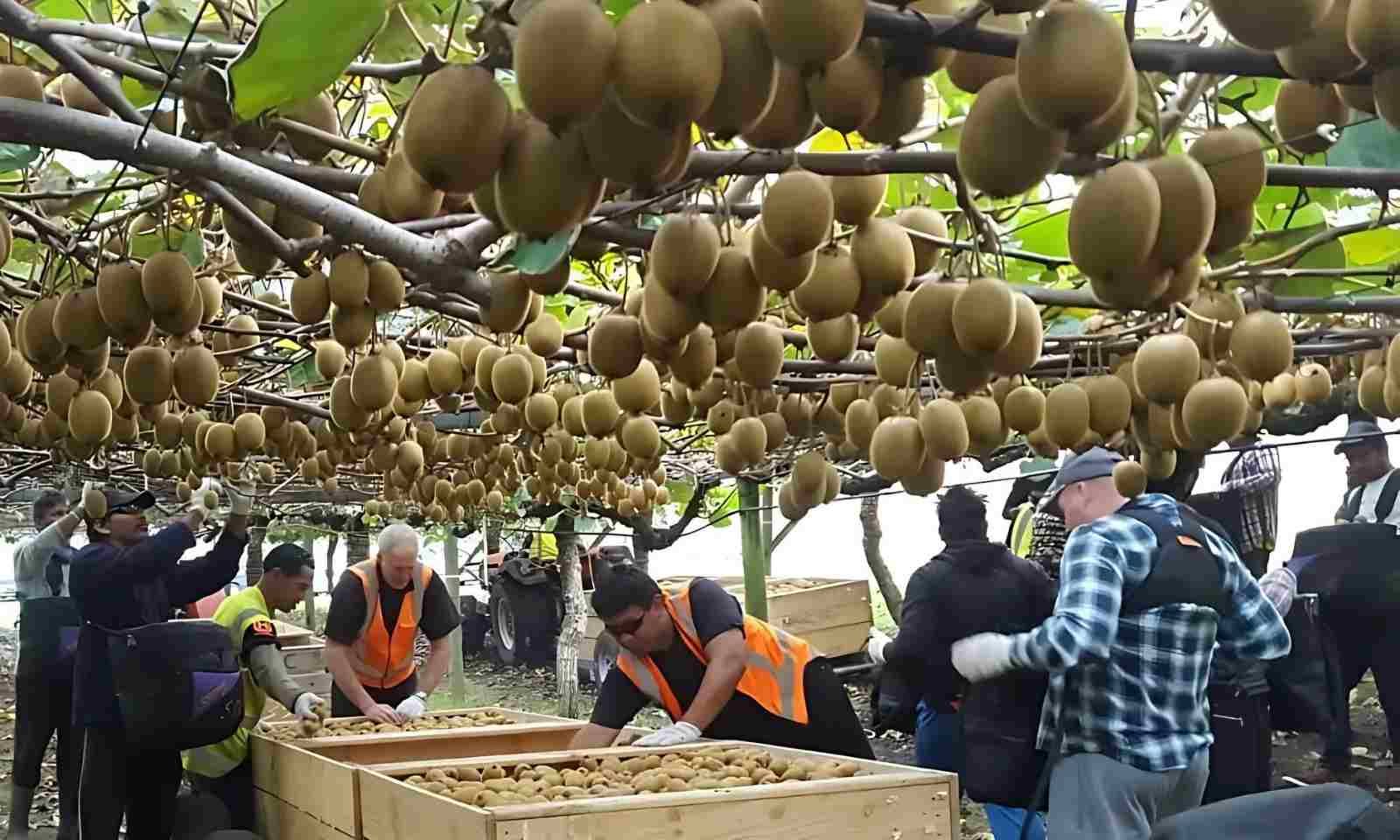
Pacific workers and suppliers linked to New Zealand’s export industries could see indirect benefits as trade volumes grow under the new agreement. Photo/Facebook/baykiwifruitcontracting
“This agreement provides a platform on which New Zealand and India can continue to grow trade, investment, and innovation partnerships,” the New Zealand International Business Forum says in a statement welcoming the conclusion of negotiations.
That growth, the forum says, could extend beyond New Zealand as regional supply chains respond to increased demand.
Trade already supports one in four jobs in New Zealand, and the Government says the agreement will create thousands more over time, helping to double export value over the next decade.
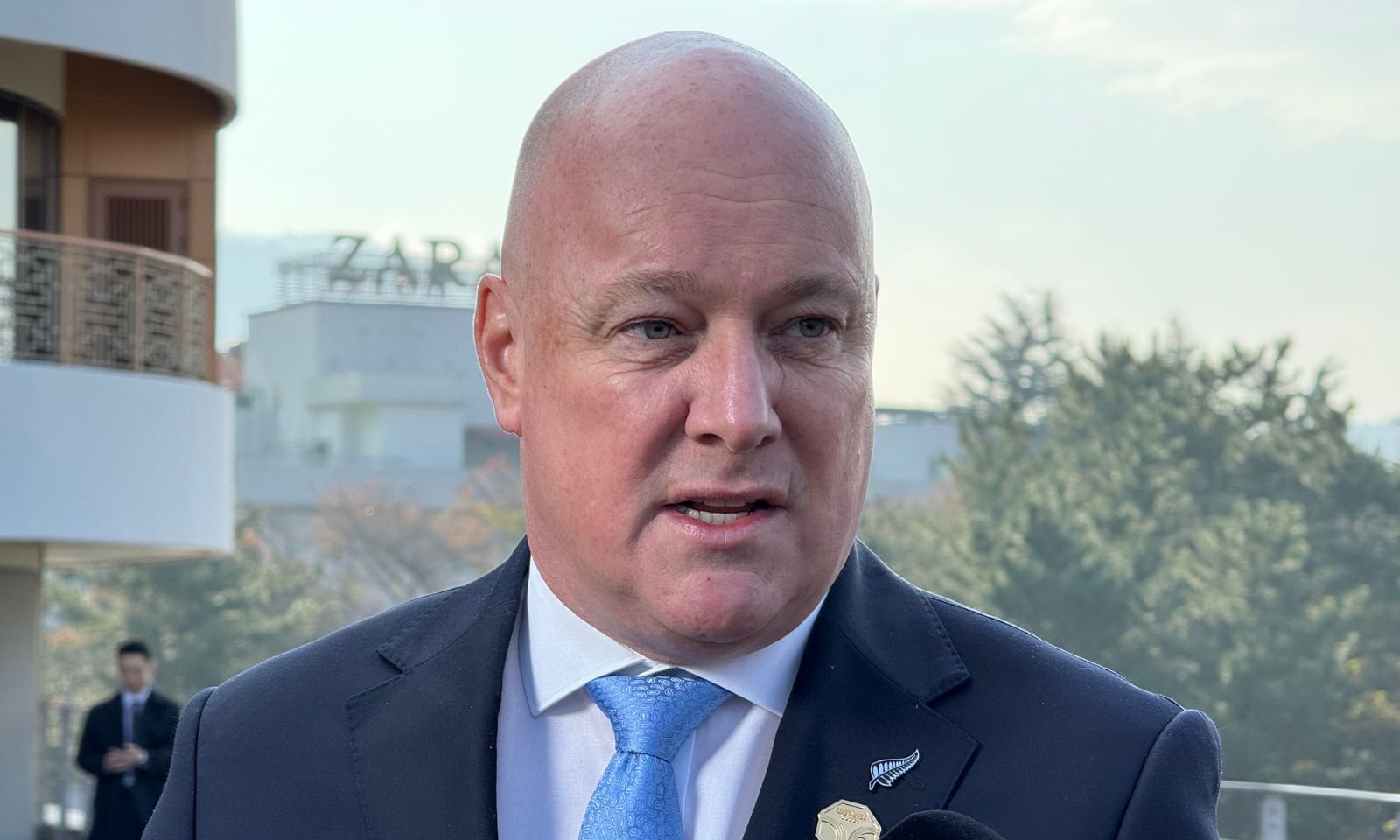
New Zealand's Prime Minister Christopher Luxon says the new free trade agreement with India is a landmark step for exporters and long-term economic growth. Photo/PMN News/file
Prime Minister Christopher Luxon has described the deal as a “landmark moment” and a key step in building long-term economic growth.
“This is an incredibly exciting opportunity for New Zealand exporters, with tariffs immediately removed on more than half of New Zealand’s current exports to India from day one,” Luxon says.
Across the Pacific, the reaction has so far been more cautious. No Pacific Island governments, including Fiji - the region’s largest economy - have issued public statements directly responding to the deal.
But Pacific leaders have long raised concerns about being left out of major global trade agreements, while still feeling their economic impacts.
Fiji and other Pacific nations maintain close trade and labour ties with New Zealand, and any major shift in New Zealand’s export focus can have flow-on effects for the region.
Pacific businesses that supply New Zealand exporters may see new opportunities, but countries exporting similar products could also face stronger competition in global markets.
There are also questions about how the deal may influence the labour movement.
While the agreement focuses on trade and investment, increased business activity between New Zealand and India could affect migration settings and labour demand, areas of long-standing importance for Pacific communities reliant on overseas work and remittances.
Not all responses within New Zealand have been positive, a point Pacific observers are also noting.
Foreign Minister Winston Peters has criticised the agreement as “neither free nor fair”, arguing it does not deliver enough for farmers and workers.
His comments highlight the complexity of trade deals and the risks for smaller economies trying to position themselves alongside much larger partners.
For many Pacific nations, the deal underscores a wider challenge: how to connect to fast-growing markets like India when they lack the scale, negotiating power or trade agreements of larger countries.

New Zealand exporters of apples, kiwifruit and mānuka honey are among those set to benefit from improved access to India’s $1.4 billion–strong market.
Without targeted support or regional pathways into new markets, the benefits of the New Zealand–India agreement may remain indirect for most of the Pacific.
As India continues to expand its economic and diplomatic presence in the region, Pacific governments are expected to watch closely to see whether future trade, development or investment initiatives will offer them a more direct role.
For now, the message from the Pacific is one of interest, but also patience, experts say, as a major trade shift unfolds just beyond the region’s borders.