

Tourists enjoy a holiday in Fiji where a new five per cent tourism levy is due to take effect from 1 September.
Photo/Tourism Fiji
Business
Fiji's tourism tax puts Pacific air links under pressure, experts warn
A five per cent levy is being criticised by travel groups as airlines and destinations face pressure to keep travellers moving across the Pacific.

PMN News
Published
24 August 2026, 7:15pm
Share
Copy Link


Fiji's new tourism tax is set to hit travellers from 1 September, with Australia and New Zealand warning the levy could push up the cost of holidays and penalise people who have already booked.
The five per cent Tourism Services Tax will apply to tourism businesses with annual turnover above FJ$2 million (NZ$1.53 million) and is expected to raise about FJ$70m (NZ$53.56m) for Fiji Airways as the airline continues to recover from the impact of Covid-19.
The Australian Travel Industry Association (ATIA) has criticised the move, saying its application to bookings already made.
“The design and rollout reflect a complete lack of understanding of how the travel booking ecosystem works, and it is travellers and travel businesses who will pay the price for that failure,” Dean Long, ATIA's chief executive, said in a statement.
“Retrospective application is an absolute no-go. Once a customer has paid, that price is fixed.”
Julie White, CEO of Travel Agents’ Association of New Zealand (TAANZ), also called for existing bookings to be protected.

Travel Agents’ Association of New Zealand chief executive Julie White has called for existing Fiji holiday bookings to be protected from the new tourism levy. Photo/TAANZ
“Grandfathering existing bookings is the fairest outcome,” her statement read.
The debate comes as Pacific countries face a wider challenge: how to keep air links affordable and reliable while tourism remains a major part of their economies.
New Zealand Foreign Affairs Minister Vaovasamanaia Winston Peters says the experience of the Cook Islands shows that supporting Pacific aviation can help tourism grow.
Watch Winston Peters' full interview below.
Speaking with William Terite on Pacific Mornings, Peters pointed to the Cook Islands' national airline as an example of what can be achieved.
“I was providing them by three million a year to make sure the flights went to the Cook Islands, and they've gone from there to now having 175,000 a year coming,” he said.
“But that's the kind of story we want to see over and over again in the Pacific. It can be done, and that's why we see that. It's inspiring.”
However, other Pacific airlines are struggling to keep services running.
John Wopereis, Solomon Airlines commercial manager, said last month that the airline has to balance its commercial pressures with its role connecting communities.
“There's only so many ways we can respond when we're relying on government as well, it's quite a big challenge for us,” he said.
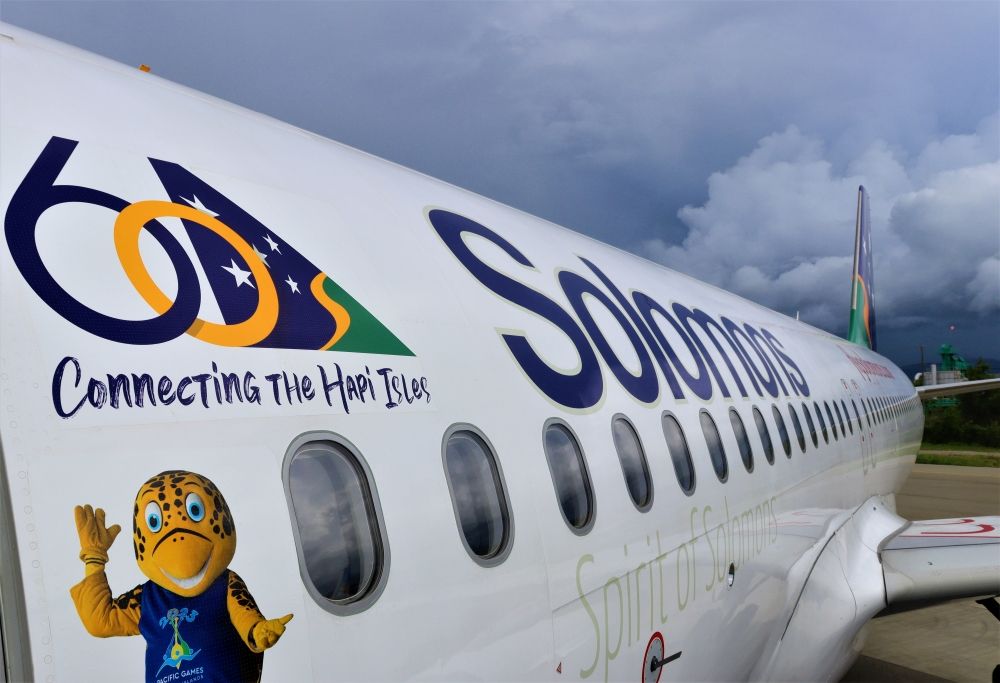
Solomon Airlines is among Pacific carriers facing rising costs and pressure to maintain vital regional air links. Photo/pacificislandliving.com
The pressure is not limited to airlines.
Palau is seeing a strong tourism recovery, with visitor arrivals up 27 per cent in the first seven months of 2026 compared with the same period last year.
More than 51,000 visitors arrived between January and July, with Australia one of the fastest-growing markets, up 68 per cent year-on-year.
Improved air links have helped drive the growth, including Qantas' weekly Brisbane service and new links from Japan and the Philippines.
For Pacific destinations, the figures highlight the importance of keeping air connections open as countries compete for visitors.
But the cost of doing so is rising.
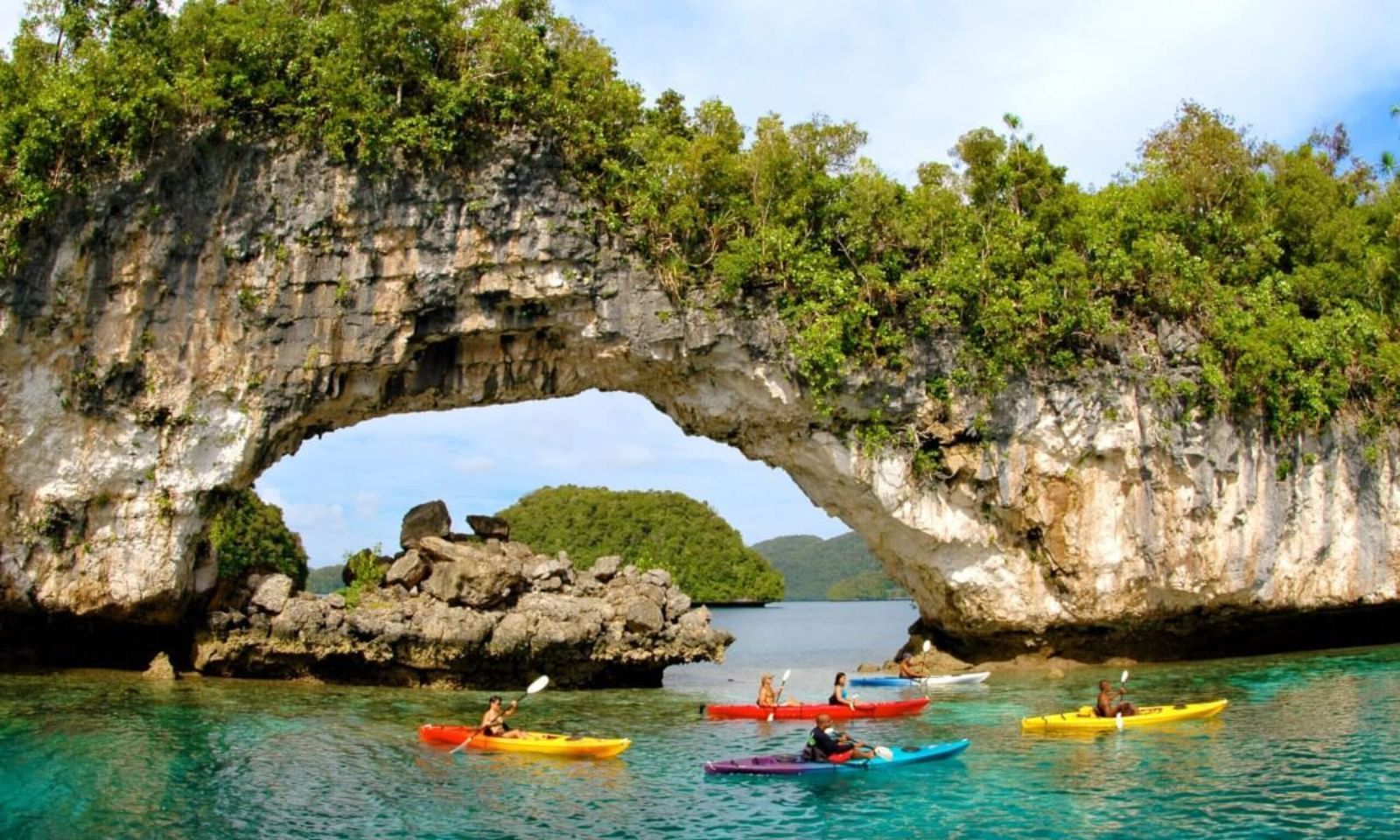
Palau's tourism sector is recovering strongly, with visitor arrivals up 27 per cent in the first seven months of 2026 compared with the same period last year. Photo/palau.co
David Tohi, the Association of South Pacific Airlines secretary-general, says Pacific carriers face a difficult operating environment, including “small markets, high costs, infrastructure and resourcing challenges, lack of access to capital, and not a lot of margins for error.”
That leaves Pacific governments facing a difficult balance: raising revenue from tourism while making sure higher costs do not discourage the visitors the industry depends on.
As Fiji prepares to introduce its new levy, the debate is likely to be closely watched across the region.
Listen to Julie White's full interview with William Terite on Pacific Mornings below.