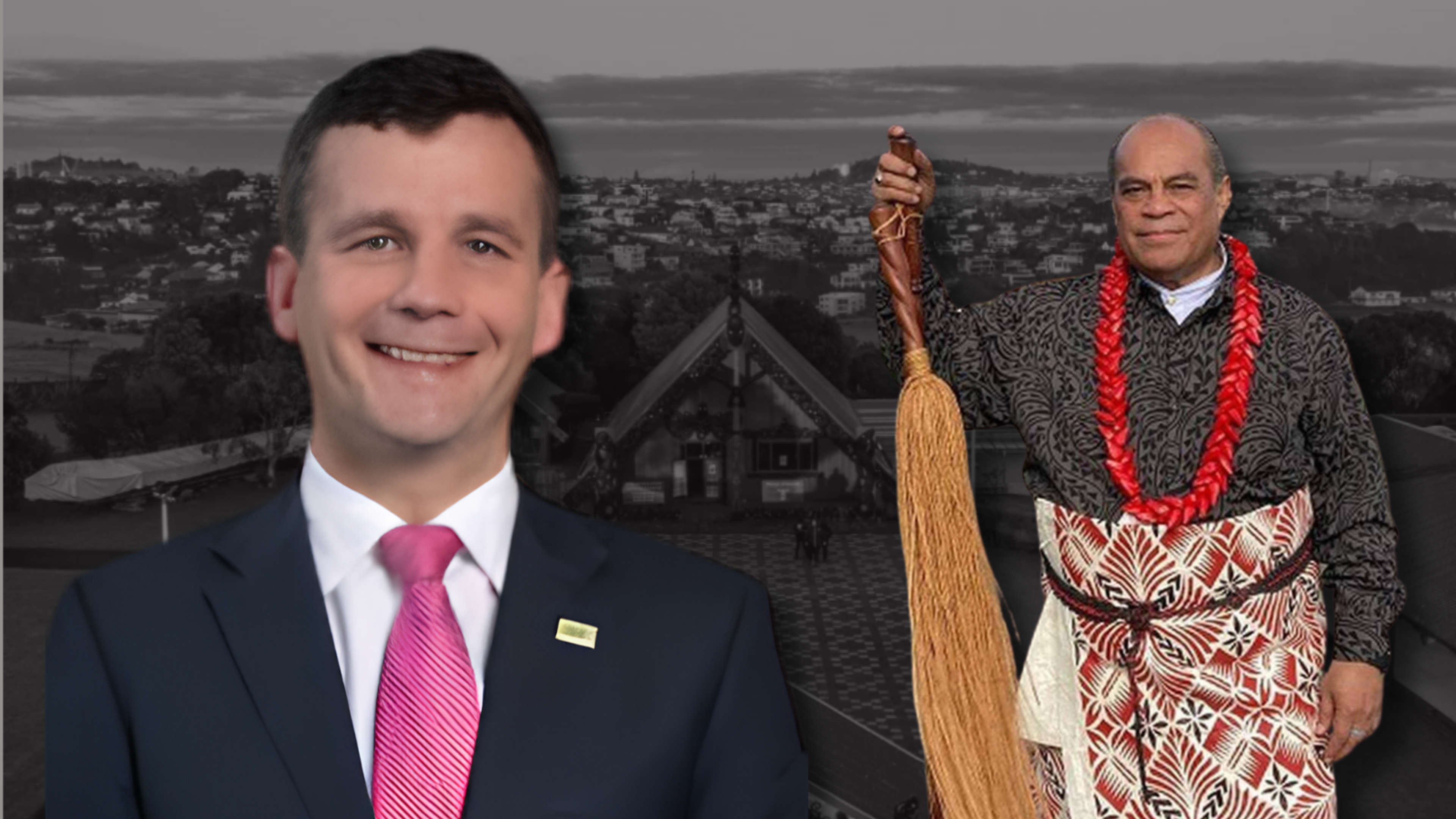
Seymour targets office karakia as Aupito warns of a ‘culture war’
Thomas Tarurongo WynneFri, 23 Oct
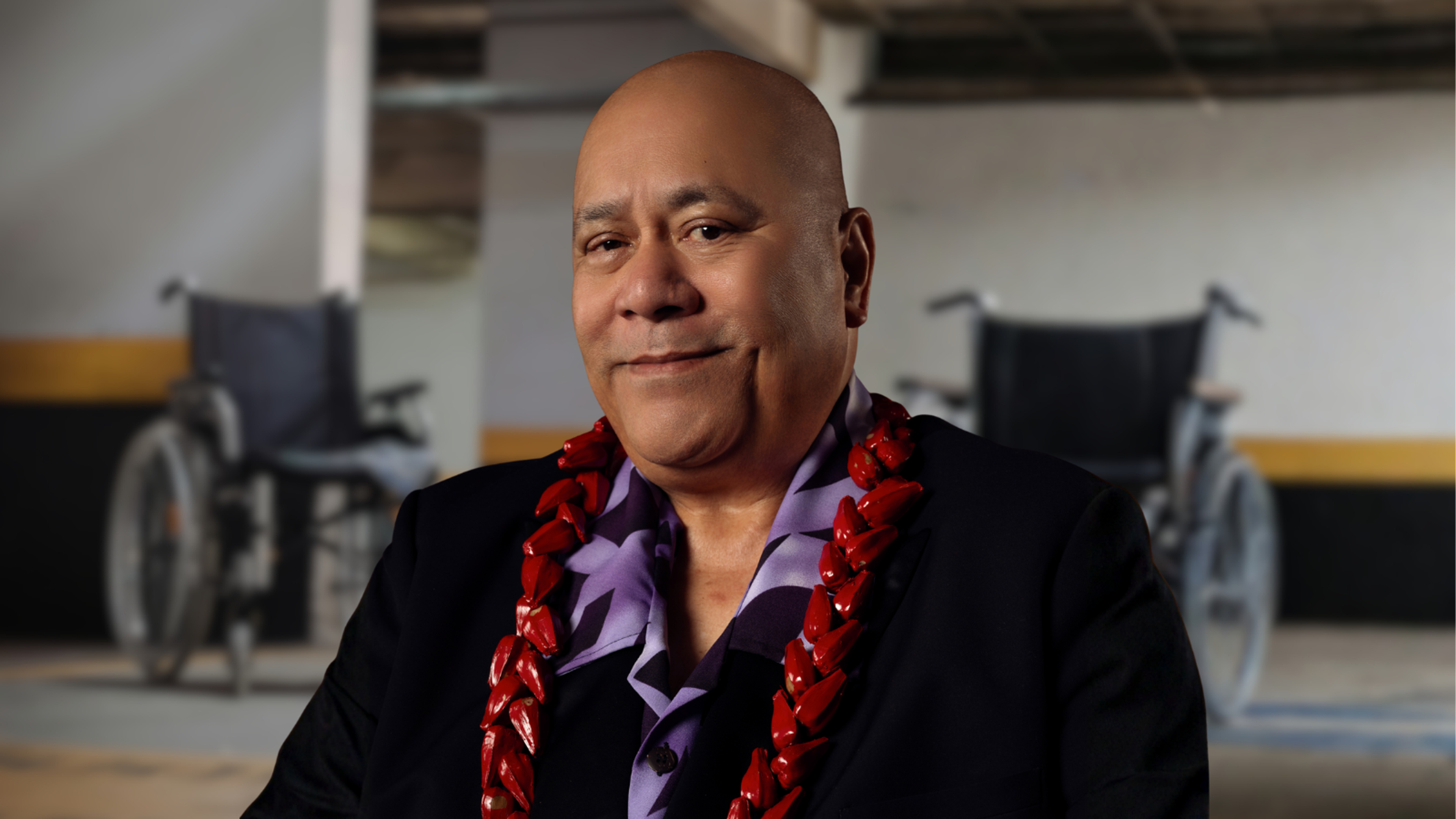
Fonotī Pati Umaga
Photo/Supplied/Unsplash
Sāmoan musician and advocate Fonotī Pati Umaga brings his powerful story of disability, faith, and music to two of Aotearoa’s biggest arts festivals.

A fall in a bathroom in 2005 changed Fonotī Pati Umaga’s life.
“I broke my neck and have been in a wheelchair ever since,” he told PMN News. “You’re suddenly being told that you can’t walk anymore…
“Immediately, what comes to mind is, ‘Oh, that’s the end of my world. I might as well die.’”
He was 46. Now, nearly two decades on, the Sāmoan musician and advocate is turning that pain into performance.
His new theatre work, Music Portrait of a Humble Disabled Samoan, premieres at the Auckland Arts Festival before heading to Wellington next month.
Fonotī describes the years as his “dark years”. Becoming a tetraplegic forced him to face not only physical change but his own beliefs about disability.
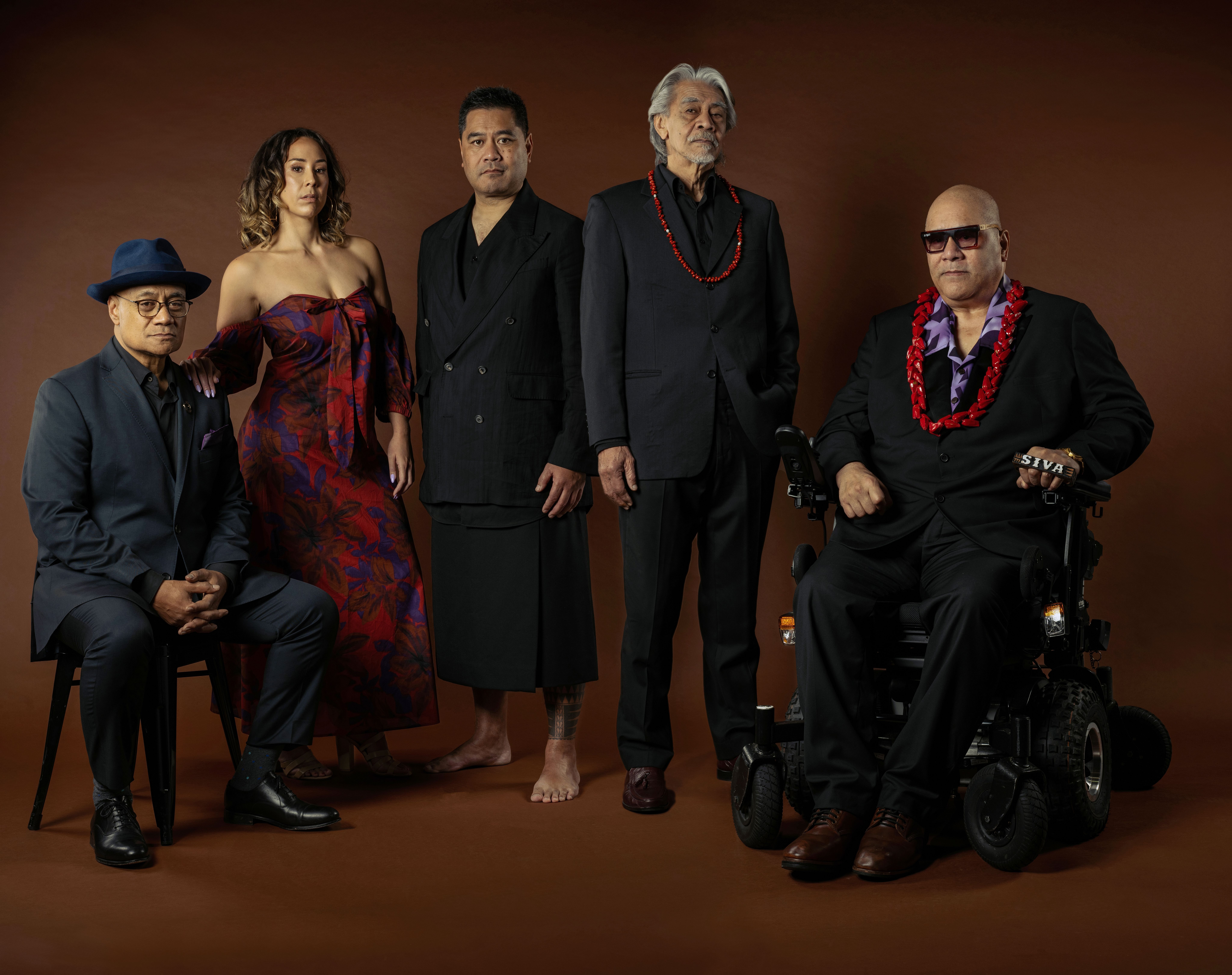
Music Portrait of a Humble Disabled Samoan premieres in March. Photo/Lou Hatton
“I had those stereotypes and stigma myself back in my walking days and never realised it until after I became a wheelchair user,” he said.
“I had this historical cultural context about being disabled as a curse. There was also the embarrassment of being seen with a family member that might be disabled.”
The production is his response to those ideas. Instead of a traditional biographical play, it is a series of memories told through live music, storytelling and movement.
Music has always shaped his life. His parents migrated from Sāmoa (Leulumoega and Vailima) to Aotearoa in the early 1950s.
He grew up in Wainuiomata, near Wellington, where his father “forced” him and his brothers to form a family band.
“It’s not something we were really interested in,” Fonotī laughs. “We felt that he just wanted a band so that we could perform at the church functions.”
The band, Kabasa, went on to become a well-established show band, playing functions and cabaret gigs. Decades later, music remains what he calls his “guiding instrument”, and it sits at the heart of this production.
The show brings together leading Pacific creatives like writer Oscar Kightley, choreographer Neil Ieremia, producer Sasha Gibb, and music director Pos Mavaega.
Maiava Nathaniel Lees, director, says it is an honour to bring this story to the stage. “I’ve known Pati since the early ’70s. When he asked me to direct this work, I knew I could help tell his story in a way that’s inspirational, not condescending, and shaped by our shared connection,” he says in a statement.
The project has been four years in the making, shaped by fono and talanoa - open community discussions - as well as interviews and workshops with members of the disabled community.
Accessibility was built into the process from the beginning, with flexible timelines and practical support for cast and crew with disabilities.
Fonotī says the choreography was developed through honest conversations.
“[Ieremia] asked us questions about what movement is like for us as physically disabled and being in a wheelchair,” Fonotī says. “It was quite moving and powerful for us.”
Although the show centres on his life, Fonotī says it is not just about him. It is about widening the stage for others.
His advocacy work has earned him a Queen’s Service Medal in 2012 and induction into the Attitude Awards Hall of Fame. But he says the real goal is changing mindsets.

Fonotī Pati Umaga aims to challenge stigma and attitudes around disabilities. Photo/File
Music Portrait of a Humble Disabled Samoan premieres at Te Ahurei Toi o Tāmaki Auckland Arts Festival from 5-8 March before heading to Wellington for the Aotearoa New Zealand Festival of the Arts from 12-14 March. Tickets are on sale now, starting at $53, with a ‘Choose Your Price’ session on 15 March.
The production comes at a time when Pacific artists with disabilities are gaining greater visibility, as conversations about inclusion and representation grow across Aotearoa’s arts sector.
“I’m hoping that they can see a new perspective of where we as disabled people can come through in terms of sharing our narratives through the arts,” Fonotī says. “I want our people to think globally.”