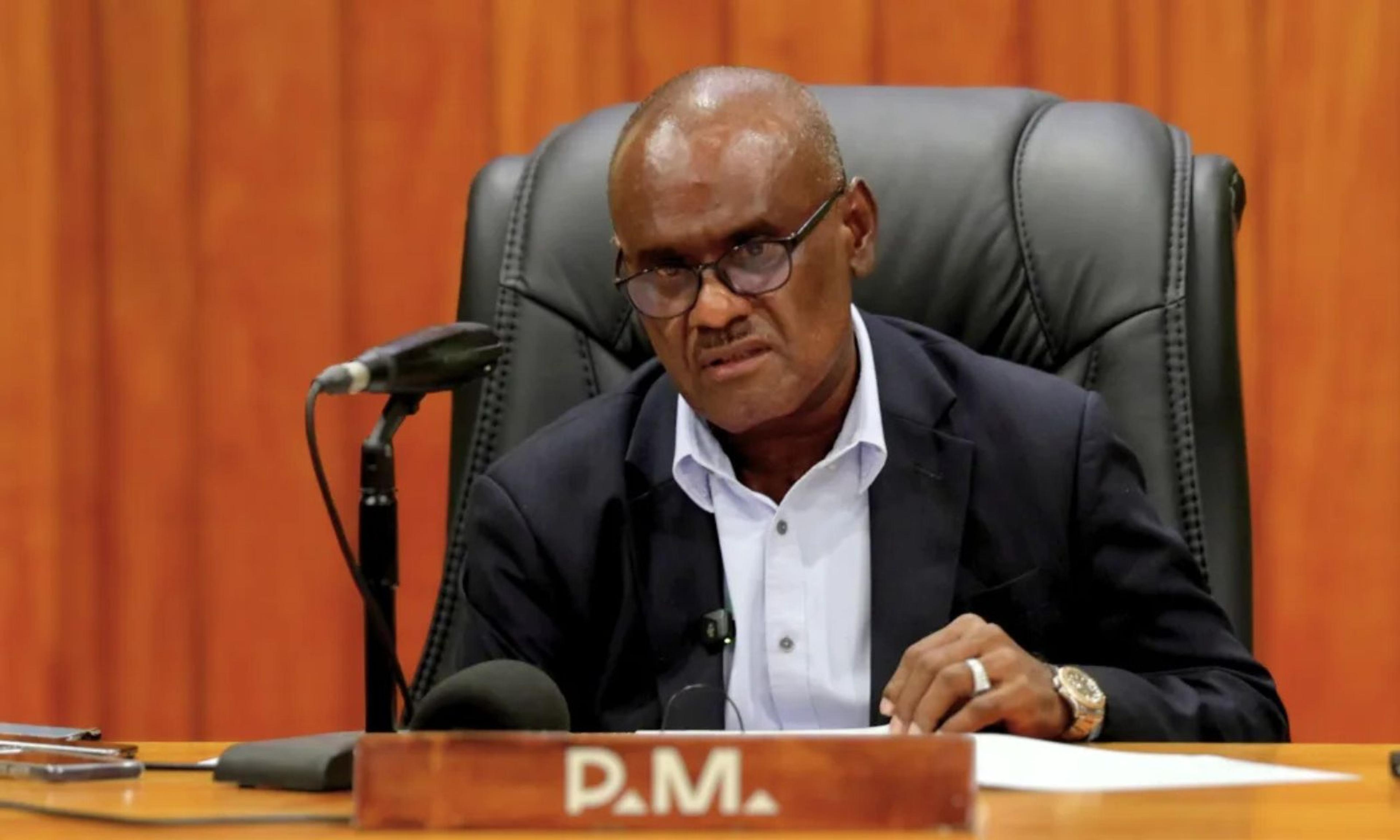
Manele Out: Solomon Islands Prime Minister ousted in 26-22 vote
Christine RovoiThu, 07 May
A Canoe Before the Wind
Image HarperCollins
Vitale Lafaele’s first book is chicken soup for the Pacific soul.


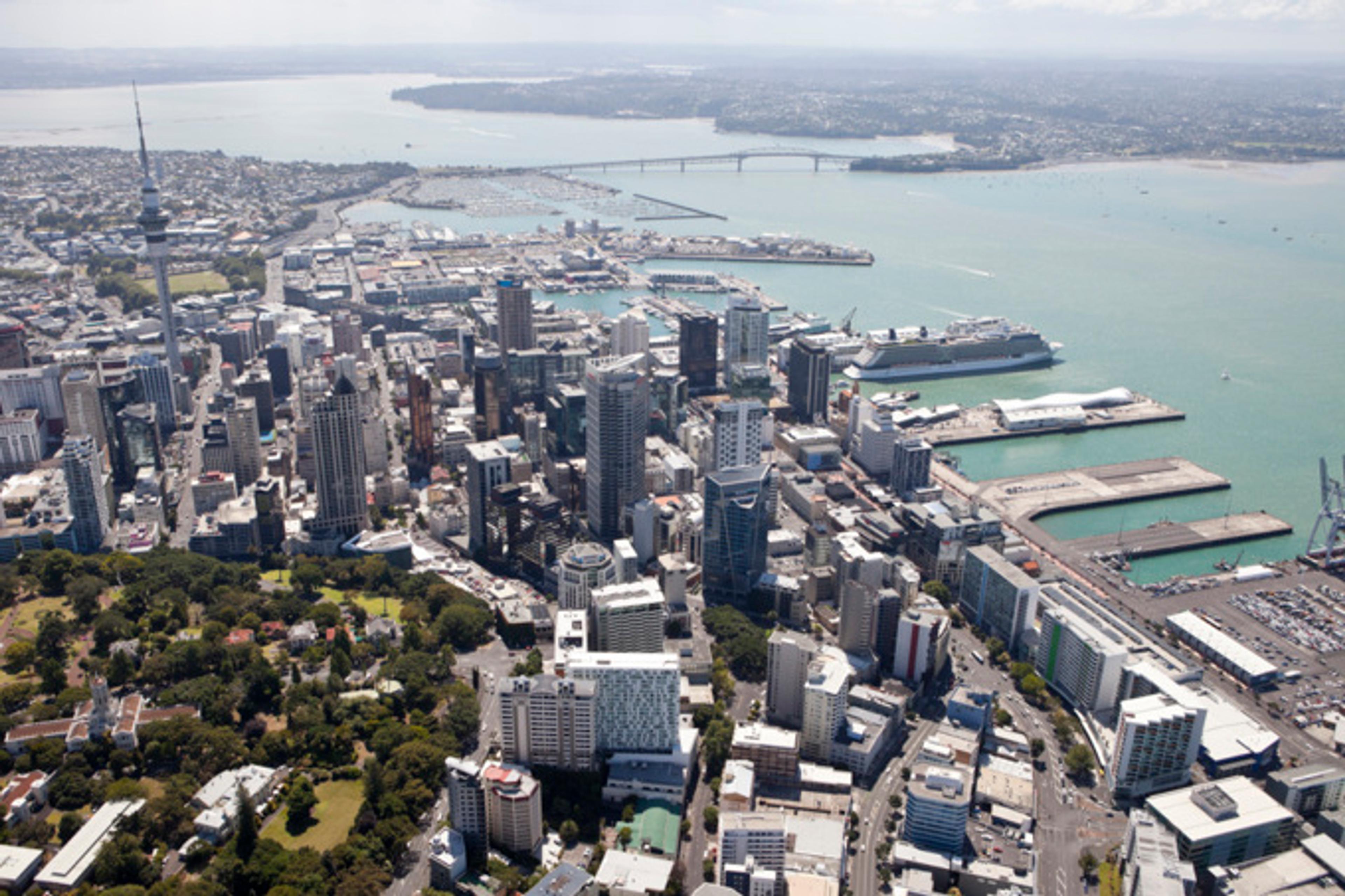
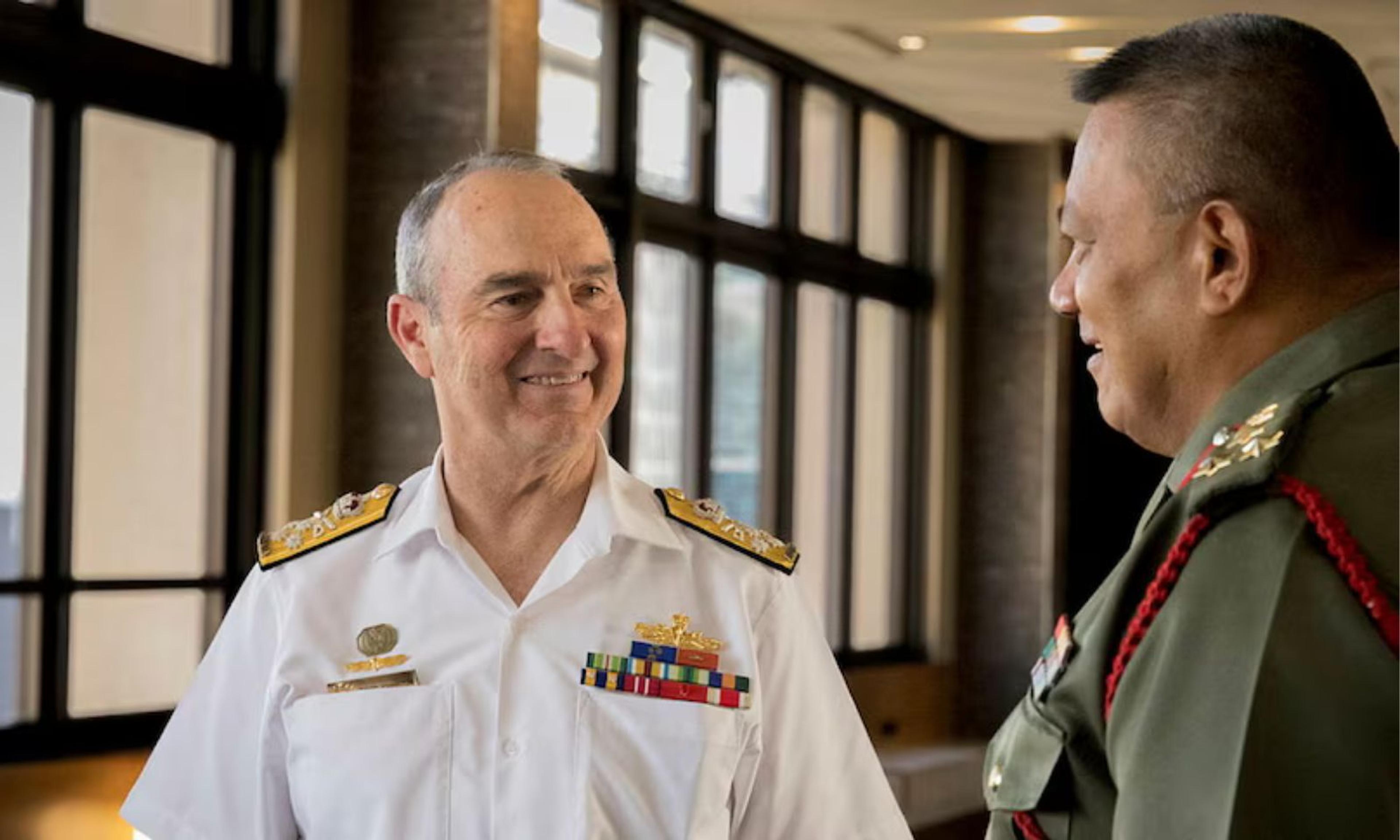
A Canoe Before the Wind (HarperCollins) by Vitale Lafaele introduces a voice we have not necessarily heard before: a courageously vulnerable Pacific male.
The autobiography sits somewhere between the fast pace of a sporting hero’s memoir and a handwritten family fable, conversational and warm it’s an easy read with Lafaele walking alongside the reader like an old friend.
Starting with his family’s migration from Samoa to New Zealand, instead of a "milk and honey" land of promise, his hard-working parents Souoaouava and Kalolo are met by an unwelcoming public who view Pacific migrants merely as cheap labour. Like many genesis tales of how Pacific families came to be in Aotearoa, the struggle is real and the family crams into one bedroom until better accommodation can be sought.
Struggle is a constant theme in A Canoe Before the Wind, we stay with Lafaele through challenge and glory, we’re alongside him for the loss of his father who becomes almost an angel in the text guiding and challenging his son.
The mental toll of migration plays out alongside Lafaele’s extraordinary achievements, offered up to the collective wound of Pacific communities that largely have not realised the promise of New Zealand. Just this year it was brought to light that Dawn Raids are still being carried out, triggering a generational trauma that cannot be apologised away. Having someone who looks and sounds like us, with faith, who understands the way of aiga, Lafaele presents as an almost bullet-proof protagonist - the kind of Polynesian we all wish we could be in the face of staggering odds.
Much of the book follows Lafaele’s dogged and glittering career passing the elite SAS selection, joining the army and becoming tactical commander of the police Special Tactics Group, before becoming commander of the Armed Offenders Squad and one of Aotearoa’s most beloved policemen.
Driven by tautua, by service, Pacific leaders honour the sacrifices of those that have gone before through active service to the village and Lafaele is loyal to this rule. Even in the final chapters where his story truly shines and his world seemingly shatters around him in a health crisis, his reclamation of self through small daily rituals tells the real hero’s journey – long after the lofty job titles have melted away.
Having lost my Pa earlier this year I found it comforting to be back in the humour and talanoa of an older Pacific male, emotions rippling just below the charming bravado, ready to break into song - or tears.
Books like this have the power to be a balm for generational wounds we are just beginning to articulate and address as a people, creating space for reflection while advocating for enterprise, education and family life: the very pillars of Vitale Lafaele.