
Kiwis suffer last-gasp heartbreak as the Kangaroos snatch World Cup opener
Christine RovoiFri, 16 Oct

William Terite starts somewhere between intending to read something light and ends up deep in politics.
Photo/Supplied
The Pacific Mornings Host shares the books that shaped his reading in 2025.




Summer is officially underway. This year's calendar has something for everyone - from sports, art, music, faith, and food to families and friends enjoying a fun day out and creating lasting memories.
I've done a lot of reading this year and, somehow, almost all of it ended up being political.
Every time I went to pick up something light, I’d find myself drifting back to books about elections, power, crisis meetings, and frankly, people just trying to hold it all together.
If you’re even slightly interested in how some of the world’s leaders think, or how big decisions get made under stress, then this sort of reading is for you.
Some of the books I picked up this year were insightful. Some were unexpected. But they all gave me something to sit with, whether it was a new idea, a behind-the-scenes moment or just a better sense of how people handle power.
So if that sounds like your kind of thing, here are the five reads that stood out the most.
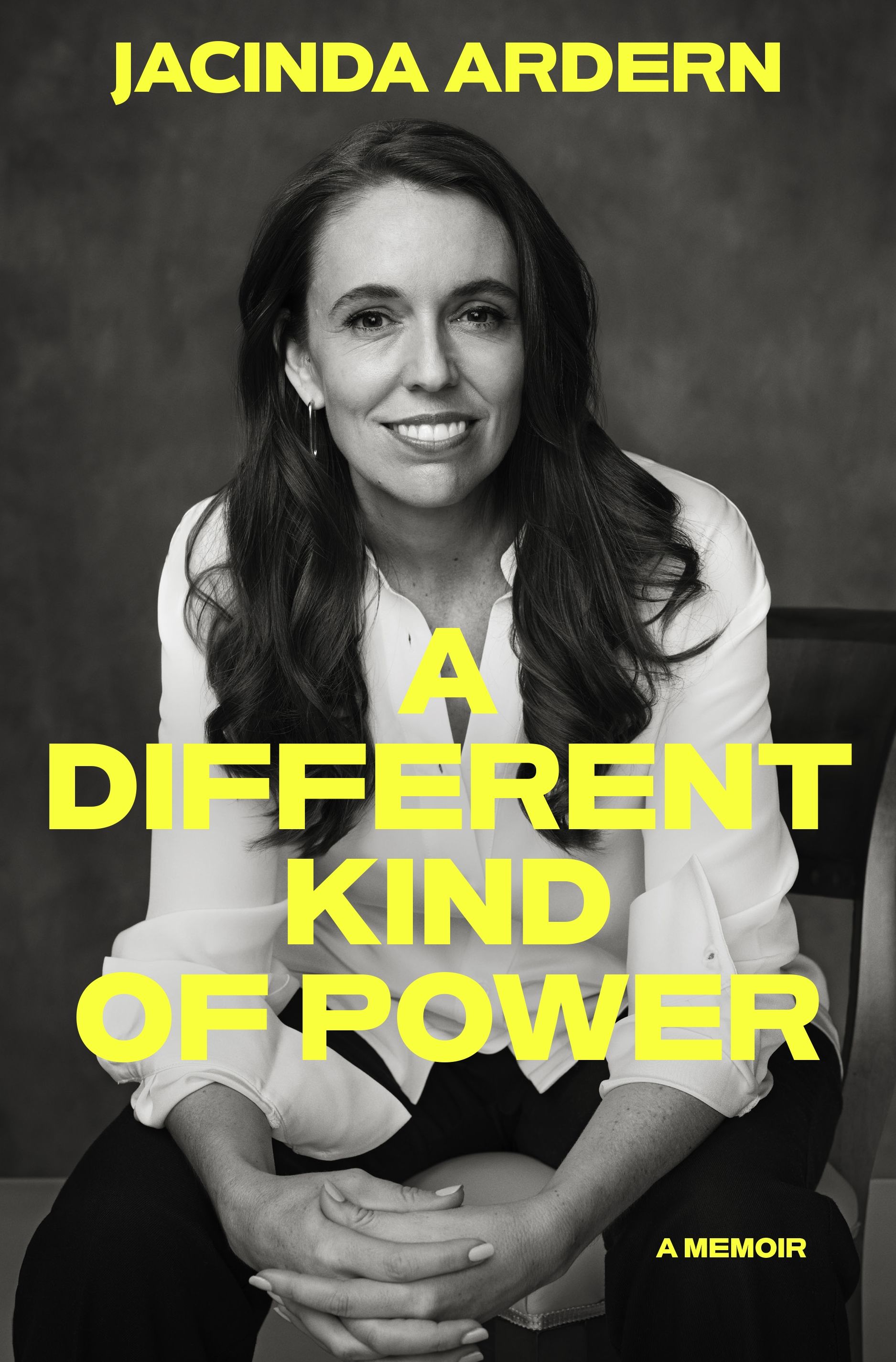
A calm, carefully told account of leadership under pressure, offering insight into what drove Ardern’s decisions, even if some of the deeper edges remain just out of reach.
5. A Different Kind of Power, Jacinda Ardern
It was inevitable that this book would make my list. It’s the first real look into Dame Jacinda Ardern’s world since she stepped away from politics, and I was genuinely curious to see how she would tell her story. The book walks through the moments that shaped New Zealand’s former prime minister and the decisions that defined her time in office, and it’s undeniably intriguing.
At times, I found myself wanting her to push a little deeper, because she still presents with that same calm, polished exterior we all came to recognise. But even so, there’s enough here to understand what drove her, what challenged her, and what she carried privately. It’s an interesting read, and one that reminds you why she became such a globally recognised figure.
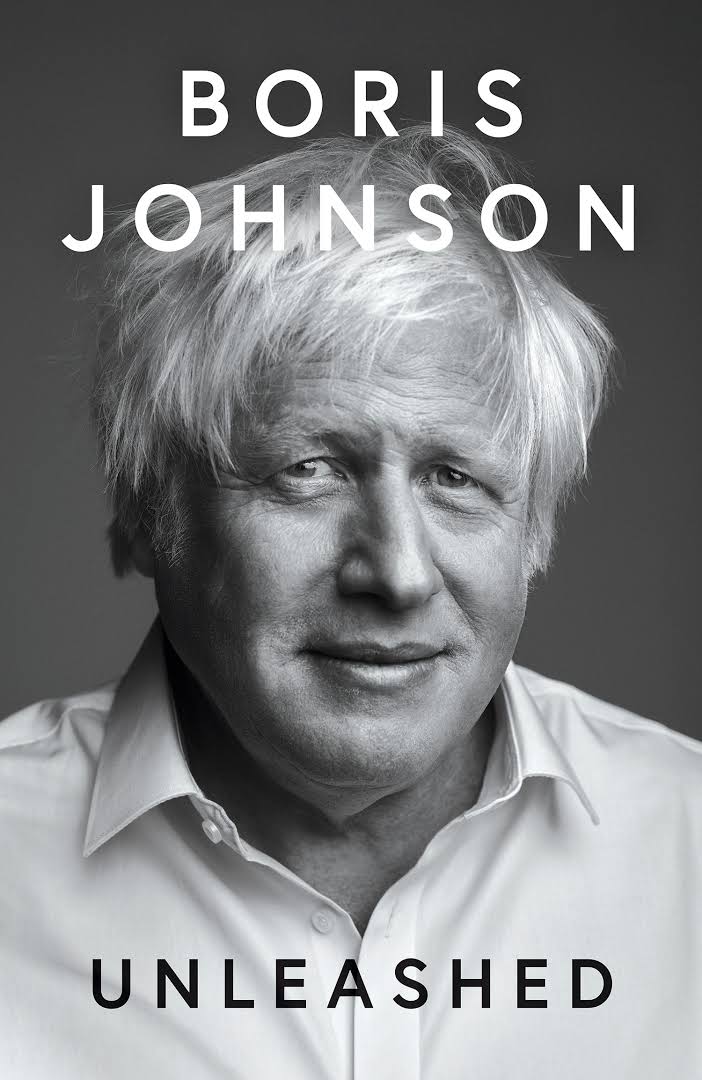
Chaotic, oversized, and relentlessly self-mythologising, Johnson’s memoir reads as much like political theatre as it does a record of power.
4. Unleashed, Boris Johnson
Boris Johnson led the United Kingdom from 2019 to 2022, and this book is exactly what you would expect from him. It is loud, chaotic, colourful, and completely wrapped in his own storytelling. It is also massive. I am almost certain it is the biggest book I have read this year, and at one point, I caught myself wondering if he was being paid per sentence.
In saying that, it is surprisingly entertaining. His personality comes through on every page. Even when he is clearly framing events in the best possible light for himself, you cannot help but keep reading. If you are not usually into political books, you can honestly enjoy this one as a comedy.
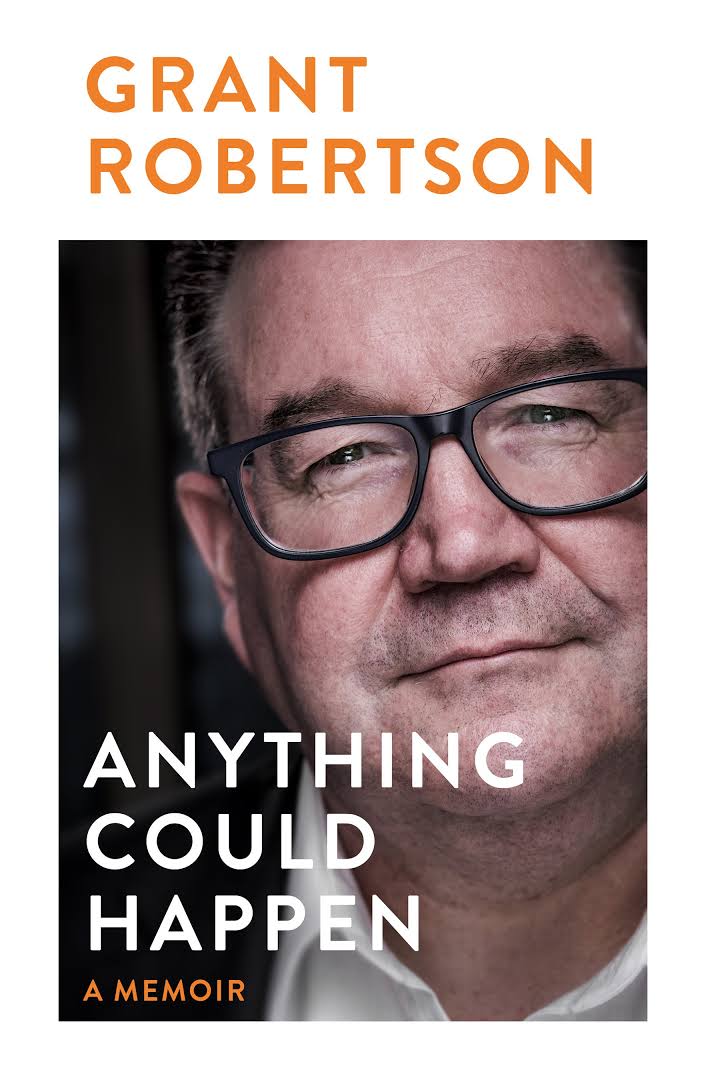
A rare political memoir that trades polish for honesty, revealing how personal history shapes public leadership in quiet but powerful ways.
3. Anything Could Happen, Grant Robertson
This book surprised me in the best way. I finished it thinking that Grant Robertson might have made a very good Prime Minister. That is how grounded, candid, and thoughtful this book feels.
Robertson lets you into the parts of his life that most politicians keep closed off. He writes openly about his childhood, his relationship with his parents, coming to terms with his sexuality, and the impact of his father's imprisonment. None of it is written for sympathy. It is simply honest, and that honesty gives you a much clearer sense of who he is and why he leads the way he does.
I kept comparing it to Ardern's book while reading. Robertson offers a level of candour that feels rare in political writing. At times, I found myself wishing Ardern had given us just a little of the same unfiltered energy. Robertson has always been seen as steady and reliable, but this book is also warm, reflective, and genuinely compelling.
A fast-moving, behind-the-scenes account of a campaign launched in crisis, capturing the human blur of leadership when time disappears.
2. 107 Days, Kamala Harris
I really enjoyed this book. It moves quickly and makes you feel like you are inside the blur of those months with her. One minute she’s Vice President of the United States, and the next, she is told Joe Biden is stepping aside, suddenly placing her in a position to lead the Democrats. The way she describes that shift feels intense but also very human.
What I liked most is how grounded it is in day-to-day experiences. Harris takes you through the travel, the meetings, the late-night calls, the reset of the entire campaign, and the overwhelming pressure that comes with introducing yourself to the country in virtually no time. It is not written like a grand political memoir but more like someone trying to keep track of what was happening around her as it unfolded.
The book also touches upon the moments after the campaign ended, although not in a dramatic way, but in a measured way. Given her role, this makes sense. I did find myself wishing she had delved more into what frustrated her, especially around Biden’s decision to run again, but she keeps it diplomatic.
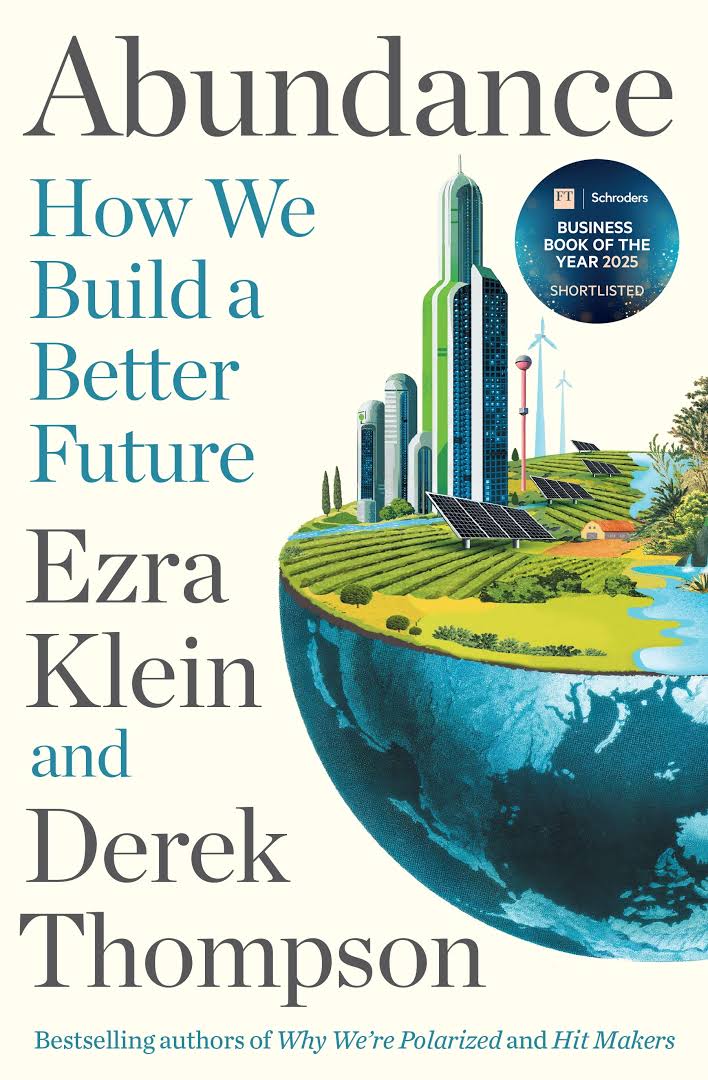
Clear-eyed, practical, and surprisingly hopeful, this book reframes today’s political frustrations as solvable problems rather than permanent failures.
1. Abundance, Ezra Klein and Derek Thompson
This ended up being my favourite book of the year. It is not a political memoir, but it feels more relevant than one. Klein and Thompson tackle common issues like housing shortages and slow infrastructure projects, explaining them in a way that makes complete sense without feeling overwhelming.
What I liked most is how readable it is. They break complex subjects using simple language and relatable examples that I think resonate with what we face here in New Zealand. It is one of those books that makes you pause and think, “Yes, this is exactly the issue”.
And the best part is that it does not just complain. It actually offers practical ideas that feel achievable. Not big dreamy theories, but real changes that could make a noticeable difference. That is rare.
It is my number one pick because it changed the way I look at everyday political stories. I walked away from it feeling like there are solutions out there, and that we are not as stuck as we sometimes think. If you want a book that genuinely shifts your perspective, this is the one.