
Fiji reviews suspected cyber breach at Suva regional organisation
Christine RovoiThu, 15 Oct
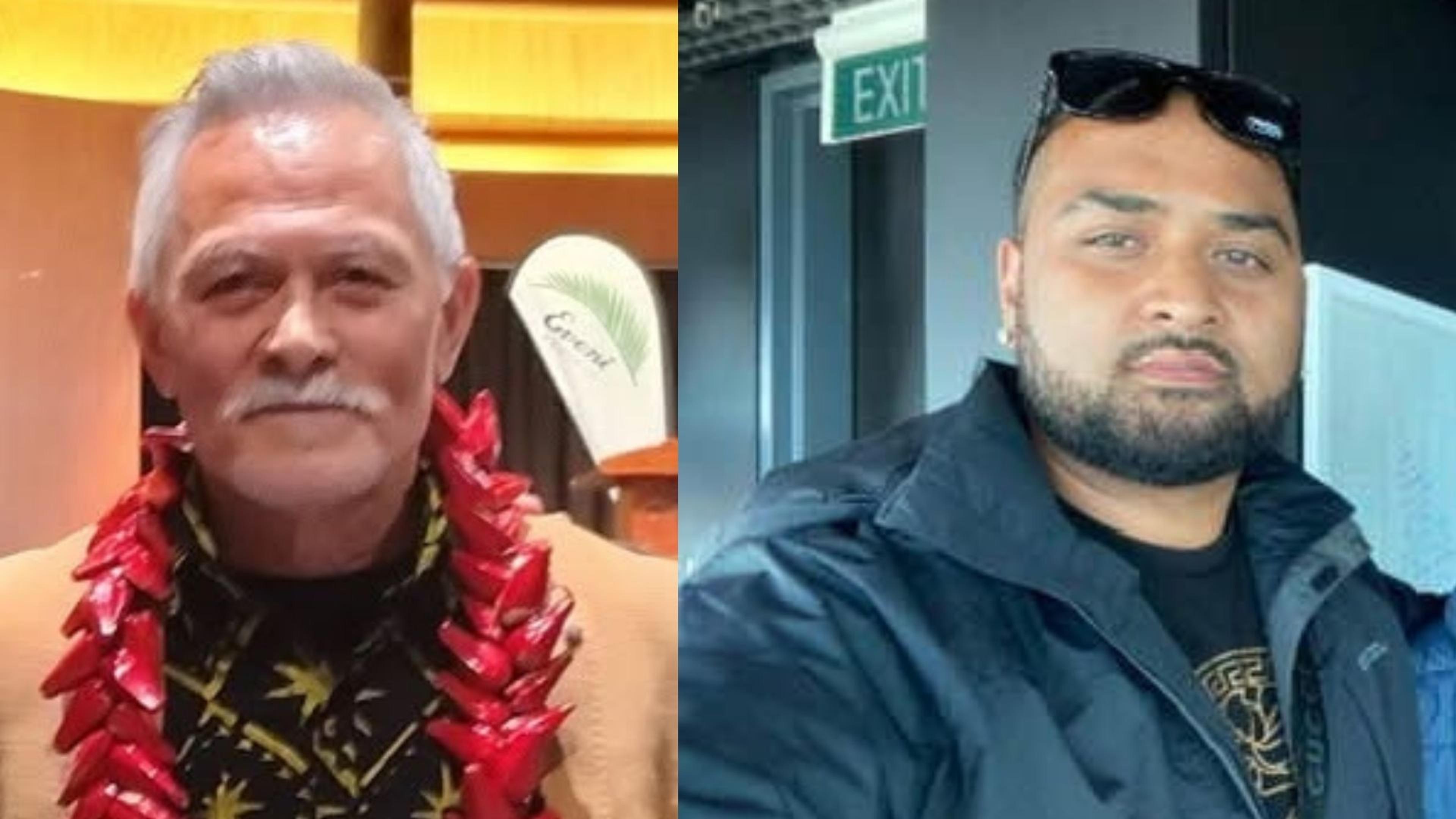
Sāmoan Olympic pioneer Pauli Willie Fong, left, and West Auckland coach Likutasi Fameitau represent two generations of Pacific boxing - one forged on the world stage, the other building futures in community gyms at home.
Photo/Facebook/
A Sāmoan Olympian who helped break new ground in 1984 and an Auckland coach shaping young lives show the sport continues to inspire new generations.

At 65, Lalau Pauli Willie Fong still remembers the weight of stepping into the Olympic ring with Sāmoa on his back.
Decades later, in a West Auckland gym packed with young fighters, Likutasi Fameitau is carrying a different kind of responsibility - shaping what comes next.
Together, their stories show how Pacific boxing has grown from personal sacrifice on the world stage to community-led movement at home.
Fong was part of Sāmoa’s first Olympic team at the 1984 Los Angeles Games, a moment he says still stands out as one of the proudest of his life.
“Yeah, so it's a pretty special moment, you know, not just for myself, but for all of us who got the opportunity to represent Sāmoa at the very first Olympic Games in 1984 in Los Angeles,” he told Tuilagi William Leolahi on Pacific Huddle.
At the time, he had just won a New Zealand national title and was in line for selection for Aotearoa. But when Sāmoa called, the decision was clear.
“When Sāmoa came calling, you know, obviously it was a no-brainer. I had to go with the country, you know, of birth and our country.”
Fong's journey started long before elite sport, back in Sāmoa where he first watched the Olympics on television and began dreaming.
“I used to watch the Olympic Games come on TV… and just looking at those games… wanted me to actually compete one day,” he said.
Listen to Pauli Willie Fong's full interview below.
In those early years, sport was built on village life, schoolyard races and pure passion.
“We used to race in front of our school grounds… and in the evening when big boys were playing their rugby, we would be sprinting relays and short distances.”
Fong would go on to compete in sprinting and hurdles before moving into boxing, carrying the same discipline into every stage of his sporting life.
But he says Pacific athletes in his era had to fight for recognition as much as medals.
“From where we started, a lot of people doubted us. A lot of people didn’t think a small island like Sāmoa could make it to that level, let alone compete on the Olympic stage.”
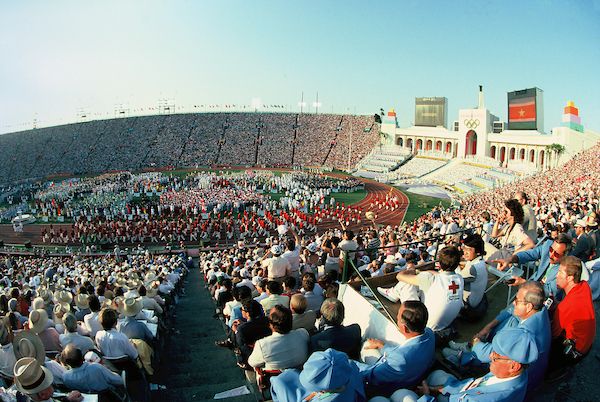
The opening ceremony of the 1984 Summer Olympics in Los Angeles where Sāmoa made its Olympic debut and introduced a new generation of Pacific talent to the world stage. Photo/Photosport/Anthony Phelps
For him, the legacy is now visible in the next generation of Pacific athletes.
“To see where Pacific sports are now, those early days were a huge stepping stone… We set a baseline for what our people can achieve.”
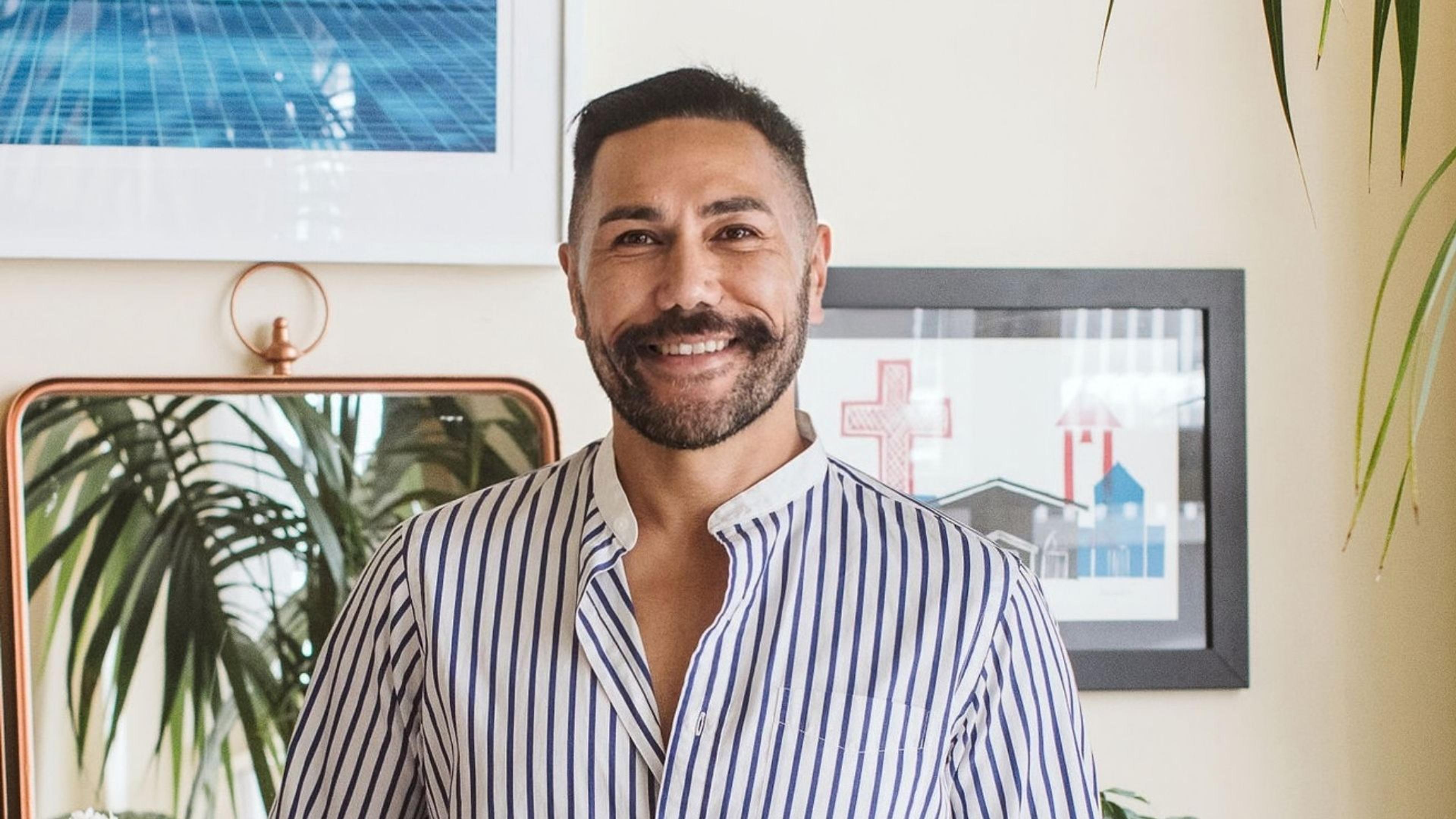
Boxing New Zealand president Josh Wharehinga says that legacy continues to shape the sport with many of the country's leading fighters coming through community clubs built on volunteer support.
Wharehinga, who is deputy mayor of Gisborne, told Tuilagi boxing had consistently produced international success despite limited resources.
“Our sport is packed with volunteers from the grassroots all the way through to the board," he said.
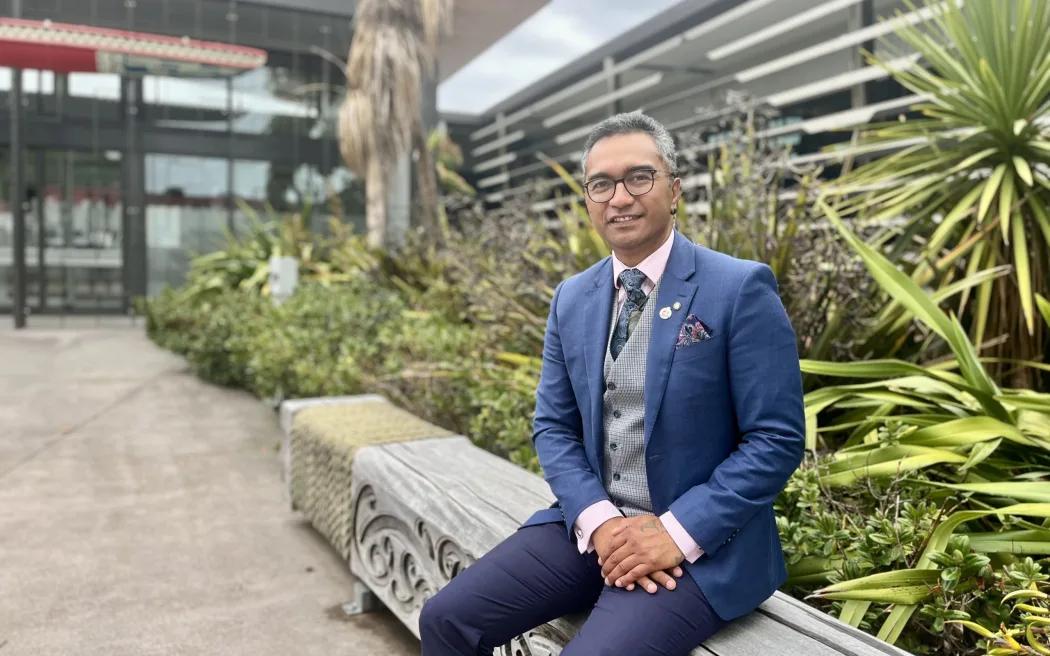
Boxing New Zealand president Josh Wharehinga says volunteers, families and community clubs remain the backbone of the sport, helping develop the next generation of fighters across Aotearoa. Photo/RNZ/LDR - Zita Campbell
"We are all volunteers, unpaid, doing all of this mahi for the sport and yet consistently over the years, over the decades, we've performed at such a high level on a Commonwealth Games and Olympic level.”
He says family support and community involvement remain the foundation of boxing in Aotearoa.
While Fong reflects on history, a different boxing story is unfolding in Avondale.
At AD Boxing Avon Dangerous, Fameitau - coach and founder - is using the sport to reach young people in his community, many of whom are stepping into a gym for the first time.
“I’m trying to help the youth as we were troubled youth once upon a time and now it’s time to give back,” he told John Pulu on PMN Tonga.
Watch Likutasi Fameitau's full interview below.
What started with a friend asking for training has grown into a programme supporting 50 to 60 young people from across Avondale and surrounding suburbs.
“Started off with four kids and now we look after 50 to 60 kids.”
The gym now runs classes for children as young as two through to teens, as well as adult sessions. But the focus, he says, is not just boxing skills.
“We’re teaching them to turn their energy into channels where they can come and… I can’t find the words to say it, but yeah.”
For him, the goal is simple: keep young people active, connected, and supported.
“There’s never been a place like this in Avondale… they were travelling out to South Auckland to find a gym.”
The programme has already outgrown several spaces, moving from a local park to community venues and now into its current home with demand still growing.
“Our future is to just see them smile. That’s my goal. Kids come in and they smile and they go home happy," Fameitau says.
Looking ahead, Wharehinga says Boxing New Zealand is already thinking beyond the next Commonwealth Games and Olympic cycle.
He hopes future national teams will better reflect the communities that have long supported the sport.
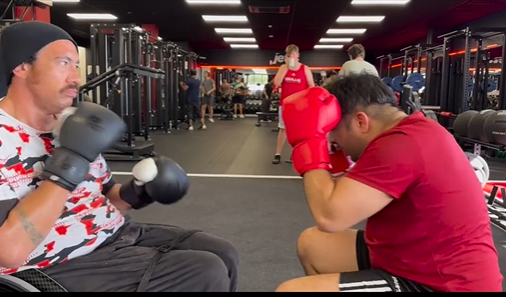
An adaptive boxer sparring in the gym. Photo/Facebook/RYZE Fitness
“When we're looking at those boxers there, we can see versions of ourselves being represented on the Olympic stage.”
For Fong, it is legacy built through medals and national firsts.
For Fameitau, it is legacy built through everyday lives in a local gym.
Different generations. Same Pacific spirit. Same fight.