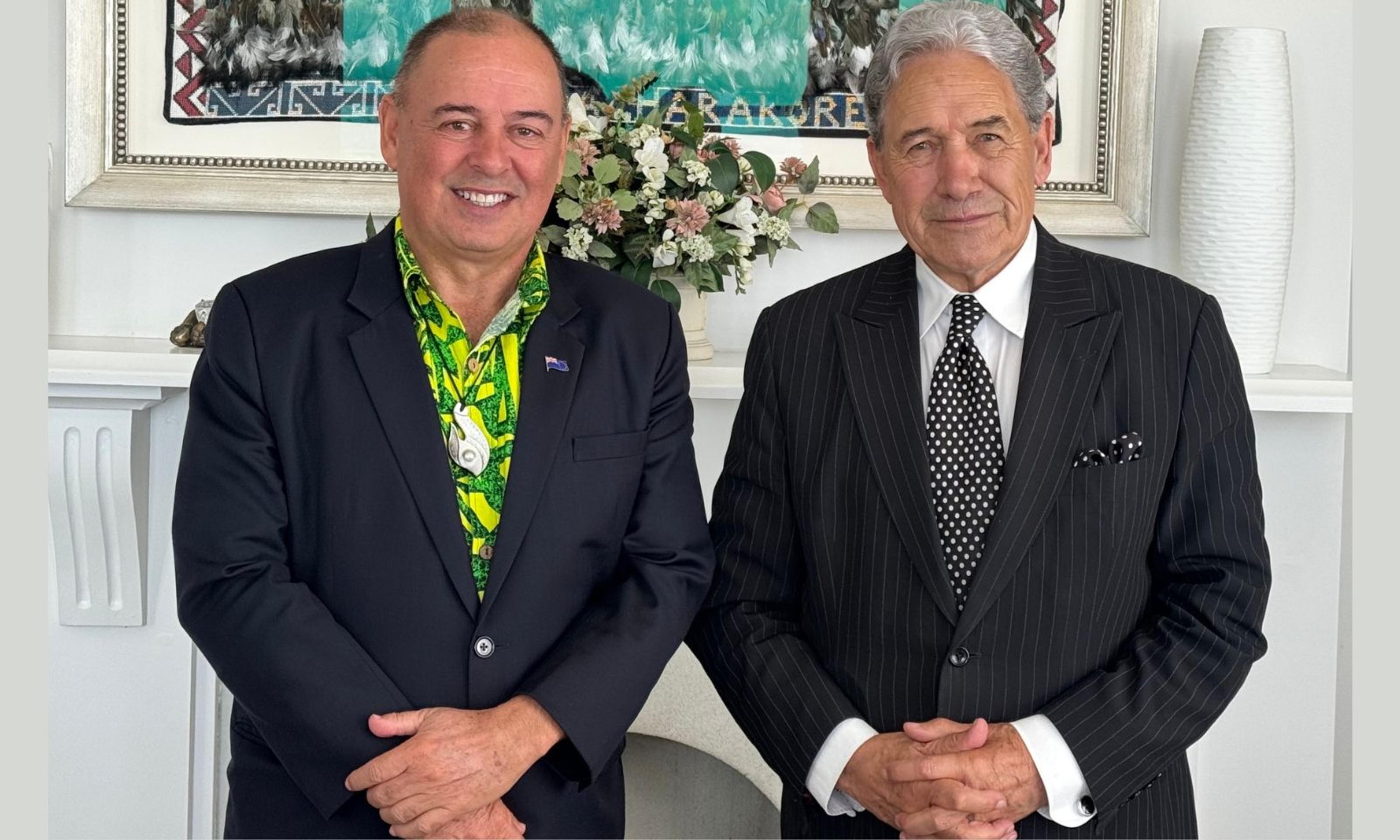
Cook Islands Prime Minister Mark Brown meets New Zealand Foreign Minister Winston Peters in Wellington, signalling a renewed commitment to dialogue and partnership.
Photo/PMN News/Ala Vailala
Opinion
A fresh start: Cook Islands and New Zealand rebuild trust
After more than a year of strained ties, leaders from both nations meet again and the focus now is people, partnership, and a shared Pacific future.

William Numanga, Political Analyst
Published
20 March 2026, 6:50pm
Share
Copy Link
Top stories
'Don't count yourself out': Porirua by-election candidate’s push for voter participation
Taelegalolo'u Mary AfemataFri, 09 Oct
Deep sea mining could give investors a legal route to challenge climate action - experts
Christine RovoiThu, 08 Oct
Top stories
'Don't count yourself out': Porirua by-election candidate’s push for voter participation
Taelegalolo'u Mary AfemataFri, 09 Oct
Deep sea mining could give investors a legal route to challenge climate action - experts
Christine RovoiThu, 08 Oct
There are moments in diplomacy when simply sitting down together matters more than any immediate outcome.
The recent meeting between Cook Islands Prime Minister Mark Brown and New Zealand Foreign Minister Winston Peters was one such moment.
After nearly 18 months of strained dialogue, pauses, and uncertainty, the fact that both leaders sat down in Auckland on Friday, informally but deliberately, signals a willingness to re-engage, to listen, and perhaps most importantly, to reset.
Why this visit matters
Prime Minister Brown’s visit to New Zealand this week was not just about high-level diplomacy. His decision to also prioritise engagement with the Cook Islands diaspora is deeply significant.
Cook Islanders in New Zealand are not merely an extension of the population. They are a vital bridge between the two nations. They contribute economically, culturally, and socially to both countries, and often feel the direct impact when relations between Wellington and Rarotonga cool.
By meeting with the diaspora, Brown reaffirmed a simple but powerful truth: this relationship is not just government-to-government, it is people-to-people. The prime minister has said strengthening people-to-people connections is a key part of maintaining strong ties between the nations.
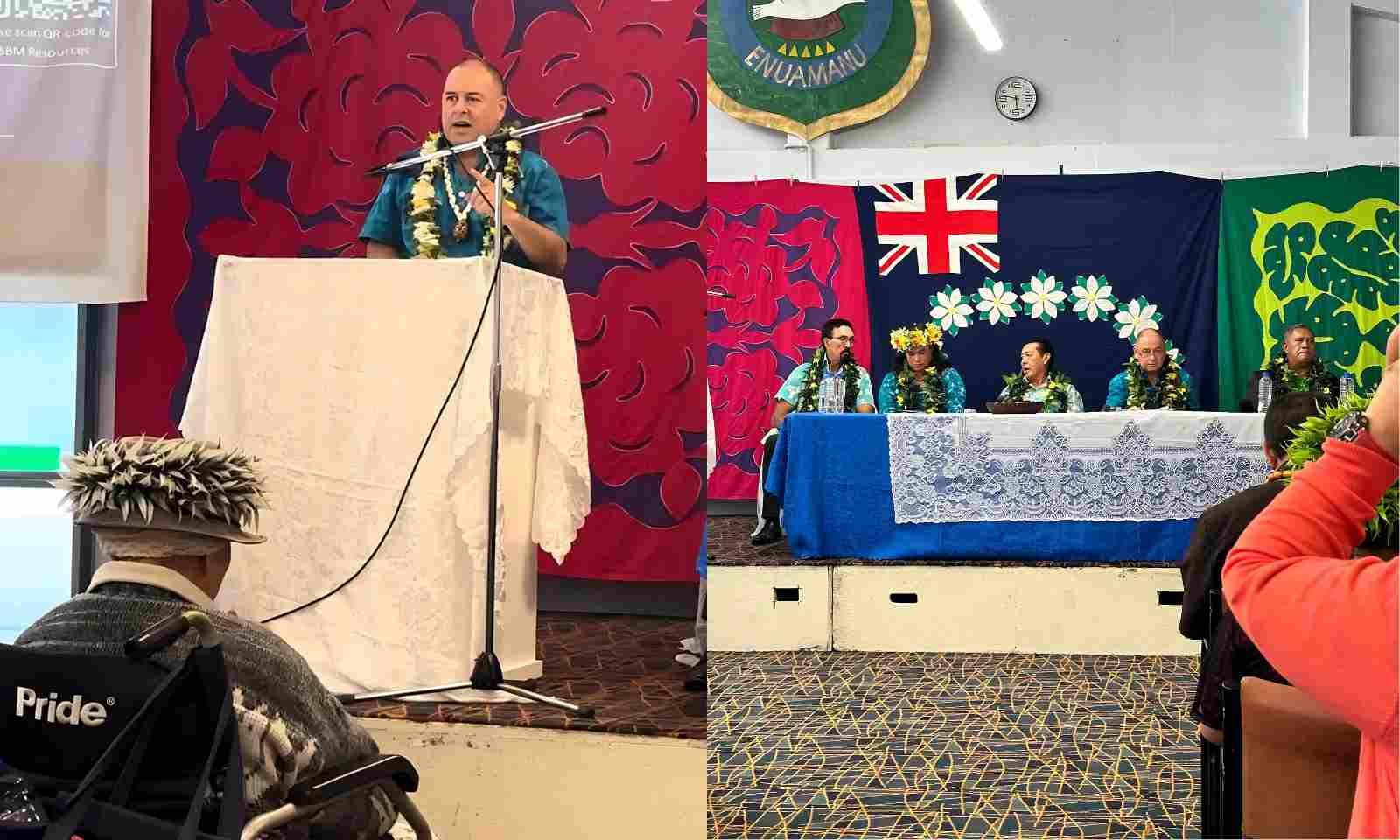
Mark Brown engages with the Cook Islands diaspora in New Zealand, highlighting the people-to-people side of the bilateral relationship. Photo/PMN/Susnation Seta
A relationship worth protecting
The Cook Islands-New Zealand relationship is unique. Built over decades of shared history, constitutional ties, and cooperation, it has long been a model of partnership in the Pacific.
That is why the tensions of the past year and a half have been so concerning.
Recent comments by former New Zealand Prime Minister Helen Clark, suggesting that the relationship can be repaired, are both timely and encouraging. They reflect a broader understanding that while disagreements may arise, the foundation of this partnership remains strong and worth preserving.
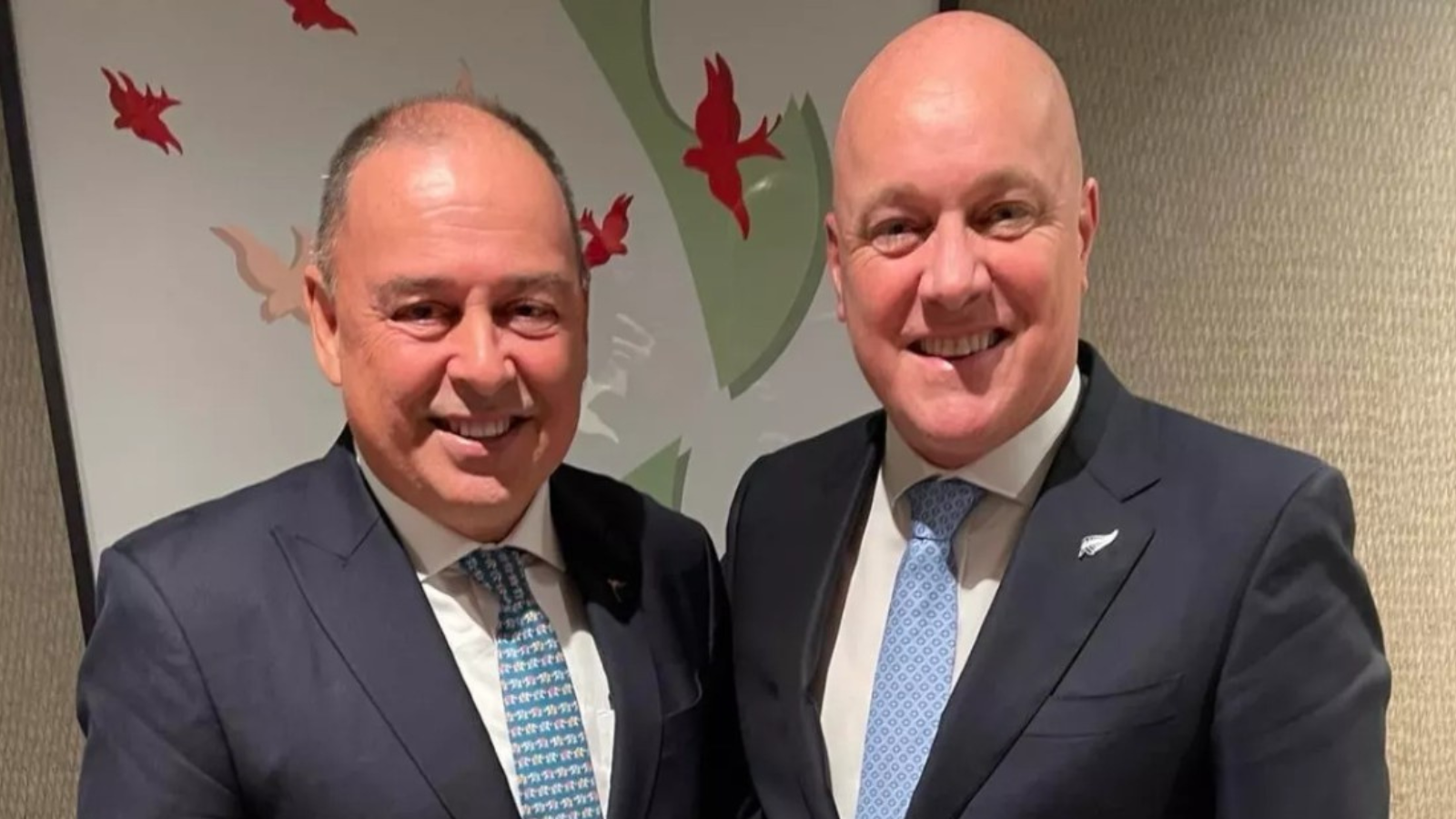
Mark Brown and Christopher Luxon: The leaders from Rarotonga and Wellington aim to strengthen ties in areas including economic development, climate resilience, and labour mobility. Photo/Ministry of Foreign Affairs and Immigration, Cook Islands
The value of time
Diplomatic pauses are often seen as setbacks, but in this case, the period of limited engagement seems to have provided both sides an opportunity to reassess priorities and prepare for constructive discussions. The tone of this latest meeting - measured, cautious, but constructive suggests that both parties are now more prepared to engage meaningfully.
There is a quiet sense of relief across the region that dialogue has resumed. And not just at a technical level, but between leaders themselves, supported by senior advisers who understand the complexity of the relationship.
From dialogue to direction
While the joint statement was careful and reserved, the real question now is: what comes next?
In today’s rapidly changing geopolitical environment, both countries have strong incentives to deepen, not weaken, their partnership.
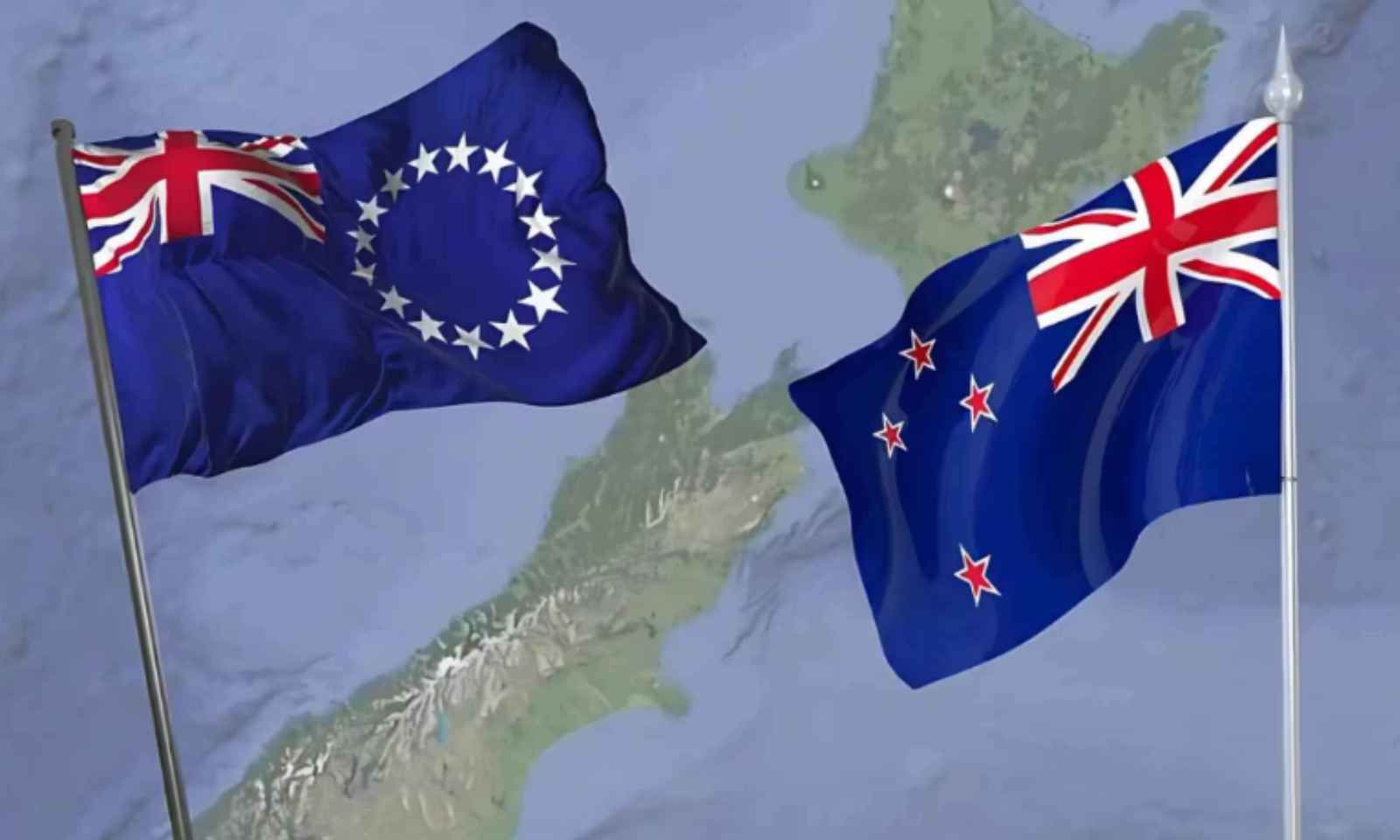
After 18 months of strained dialogue, both nations are taking steps to rebuild trust and collaboration across the Pacific region. Photo/Supplied
Several areas stand out:
Economic diversification and resilience - global uncertainty, including the ongoing conflict in the Middle East, is already influencing fuel prices, supply chains, and travel costs. For a tourism-dependent economy like the Cook Islands, this underscores the urgency of diversification. New Zealand can play a key role in supporting new industries, whether in renewable energy, digital services, marine and mineral resources, or value-added agriculture.
Infrastructure and connectivity - improving transport links, air and sea, remains critical, especially for the Pa Enua. Joint investments or partnerships in infrastructure could unlock regional development and reduce long-standing inequalities between islands.
Climate and environmental leadership - both nations have a shared interest in climate resilience. Strengthening collaboration on climate adaptation, water security, and sustainable tourism would position the partnership as a leader in Pacific environmental stewardship.
Labour mobility, skills development - Labour mobility should evolve into a structured twinning and exchange program between the Cook Islands and New Zealand, enabling professionals to gain experience across both public and private sectors. This would directly build capacity in critical areas for the Cook Islands such as infrastructure, education, healthcare, finance, and digital systems while strengthening regional capability and cultural understanding for New Zealand. Over time, this two-way exchange can develop a skilled, adaptable workforce and deepen the partnership at both the institutional and people-to-people level.
Regional strategy and geopolitics - the Pacific is becoming increasingly central in global geopolitics. A strong, united Cook Islands–New Zealand relationship ensures that both countries are better positioned to navigate external pressures while maintaining sovereignty and regional stability.
A window of opportunity
This meeting should not be viewed as a conclusion but as an opening.
Rebuilding trust takes time, consistency, and tangible progress. However, the willingness to return to the table is the first and most critical step.
The path forward will require careful diplomacy, mutual respect, and a shared vision for the future. But if both sides build on this moment, the relationship can emerge not just repaired but strengthened.
For now, there is cautious optimism. And in diplomacy, that is often where meaningful progress begins.
William Numanga is a Cook Islander, a political analyst, and an advocate for regional cooperation and development. The views expressed here are the author's and not PMN.